Malachi 4
Die Schlachter-Bibel 1951 · Tap a verse to see its cross-references.
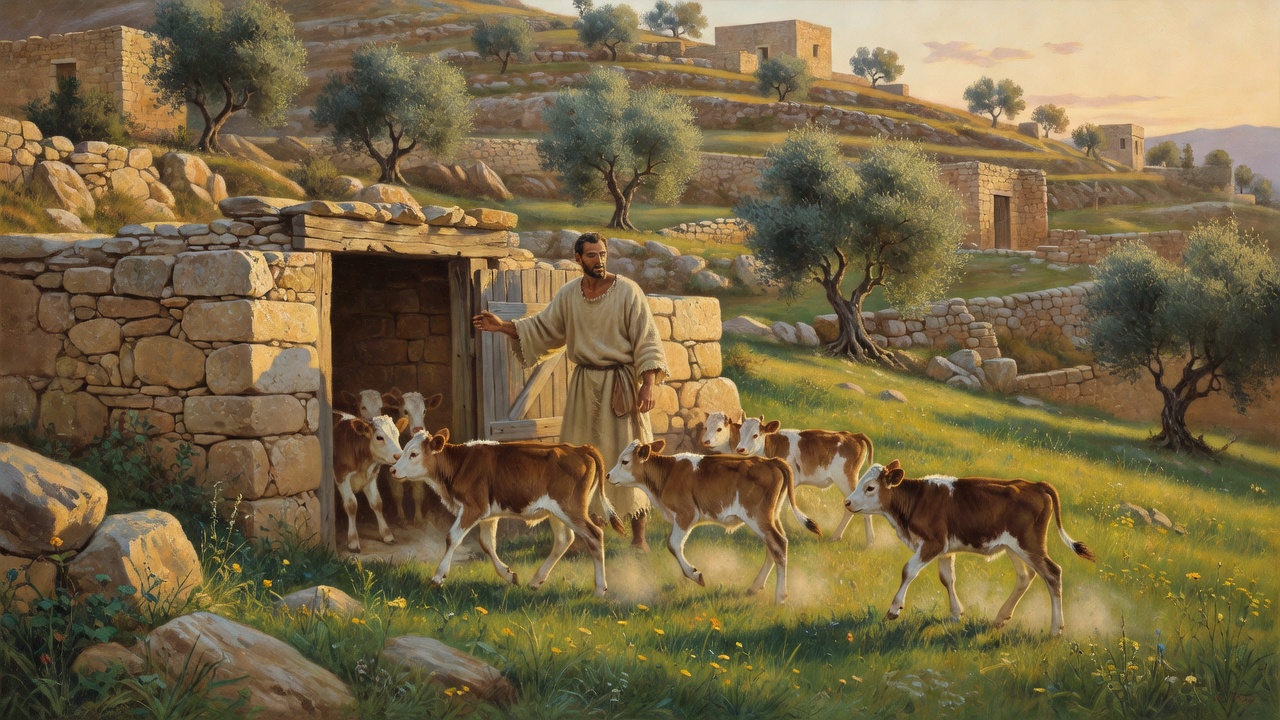
1(03-19) Denn siehe, der Tag kommt, brennend wie ein Ofen! Da werden alle Übermütigen und alle, die gottlos handeln, wie Stoppeln sein, und der zukünftige Tag wird sie anzünden, spricht der HERR der Heerscharen, daß ihnen weder Wurzel noch Zweig übrigbleibt. 2(03-20) Euch aber, die ihr meinen Namen fürchtet, soll aufgehen die Sonne der Gerechtigkeit und Heilung unter ihren Flügeln; und ihr werdet herauskommen und hüpfen wie Kälber aus dem Stall! 3(03-21) Und ihr werdet die Gottlosen zertreten; denn sie werden wie Asche sein unter euren Fußsohlen am Tage, da ich handle, spricht der HERR der Heerscharen. 4(03-22) Seid eingedenk des Gesetzes Moses, meines Knechtes, das ich ihm auf dem Horeb für ganz Israel befohlen habe, der Pflichten und der Rechte! 5(03-23) Siehe, ich sende euch den Propheten Elia, ehe denn da komme der große und furchtbare Tag des HERRN; 6(03-24) der soll das Herz der Väter den Kindern und das Herz der Kinder wieder ihren Vätern zuwenden, damit ich bei meinem Kommen das Land nicht mit dem Banne schlagen muß!
Did you know?
The Day of the Lord and the Promise of Elijah
- Malachi calls on Israel to remember the law given to Moses at Mount Horeb. Horeb is a biblical name for the mountainous range where Mount Sinai stands, the site where the Israelites encamped and received divine statutes and ordinances.Sources: the Bible text itself · Horeb · Moses
- The passage concludes with the promise that Elijah the prophet will be sent before the great Day of the Lord to reconcile parents and children. In the biblical narrative, Elijah was a prophet from Tishbe who delivered messages during the reign of King Ahab.Sources: the Bible text itself · Elijah
- Malachi uses vivid agricultural imagery to describe the coming judgment and restoration, contrasting evildoers reduced to dry stubble in a fire with the faithful, who are pictured leaping with joy like calves let out of a stall.Sources: the Bible text itself
Notes written with AI assistance from open sources (Theographic Bible Metadata, CC BY-SA 4.0; Easton’s Bible Dictionary, public domain) and reviewed before publishing.
Places in this chapter
- Mount Horeb · Today: Jebel Musa · 28.540, 33.973 · verse 4
Only places identified with high confidence are shown (90% or more according to the scholarly sources compiled by OpenBible). Period map: DARE (Digital Atlas of the Roman Empire), CC BY 4.0; modern map: © OpenStreetMap contributors; places: OpenBible.info (CC BY 4.0).
Credits and license for this translation
Die Schlachter-Bibel 1951
The Holy Bible in German, Schlachter 1951 version
copyright © 1951 Genfer Bibelgeschellschaft (Geneva Bible Society)
Language: Deutsch (German, Standard)
Translation by: Franz-Eugen Schlachter
Contributor: Genfer Bibelgesellschaft
Die Heilige Schrift des Alten und Neuen Testaments nach dem Urtext Übersetzt von Franz Eugen Schlachter. Neue Überarbeitung 1951 durch Genfer Bibelgesellschaft.
This translation is made available to you under the terms of the
Creative Commons Attribution license 4.0.
You may share and redistribute this Bible translation or extracts from it in any format, provided that:
You include the above copyright and source information.
If you make any changes to the text, you must indicate that you did so in a way that makes it clear that the original licensor is not necessarily endorsing your changes.
Pictures included with Scriptures and other documents on this site are licensed just for use with those Scriptures and documents.
For other uses, please contact the respective copyright owners.
Note that in addition to the rules above, revising and adapting God's Word involves a great responsibility to be true to God's Word. See Revelation 22:18-19.
2022-03-30
Source: http://ebible.org/deu1951/ · eBible.org