Ecclesiastes 6
Lutherbibel 1912 · Tap a verse to see its cross-references.
1Es ist ein Unglück, das ich sah unter der Sonne, und ist gemein bei den Menschen: 2einer, dem Gott Reichtum, Güter und Ehre gegeben hat und mangelt ihm keins, das sein Herz begehrt; und Gott gibt doch ihm nicht Macht, es zu genießen, sondern ein anderer verzehrt es; das ist eitel und ein böses Übel. 3Wenn einer gleich hundert Kinder zeugte und hätte langes Leben, daß er viele Jahre überlebte, und seine Seele sättigte sich des Guten nicht und bliebe ohne Grab, von dem spreche ich, daß eine unzeitige Geburt besser sei denn er. 4Denn in Nichtigkeit kommt sie, und in Finsternis fährt sie dahin, und ihr Name bleibt in Finsternis bedeckt, 5auch hat sie die Sonne nicht gesehen noch gekannt; so hat sie mehr Ruhe denn jener. 6Ob er auch zweitausend Jahre lebte, und genösse keines Guten: kommt's nicht alles an einen Ort? 7Alle Arbeit des Menschen ist für seinen Mund; aber doch wird die Seele nicht davon satt. 8Denn was hat ein Weiser mehr als ein Narr? Was hilft's den Armen, daß er weiß zu wandeln vor den Lebendigen? 9Es ist besser, das gegenwärtige Gut gebrauchen, denn nach anderm gedenken. Das ist auch Eitelkeit und Haschen nach Wind. 10Was da ist, des Name ist zuvor genannt, und es ist bestimmt, was ein Mensch sein wird; und er kann nicht hadern mit dem, der ihm zu mächtig ist. 11Denn es ist des eitlen Dinges zuviel; was hat ein Mensch davon? 12Denn wer weiß, was dem Menschen nütze ist im Leben, solange er lebt in seiner Eitelkeit, welches dahinfährt wie ein Schatten? Oder wer will dem Menschen sagen, was nach ihm kommen wird unter der Sonne?
Did you know?
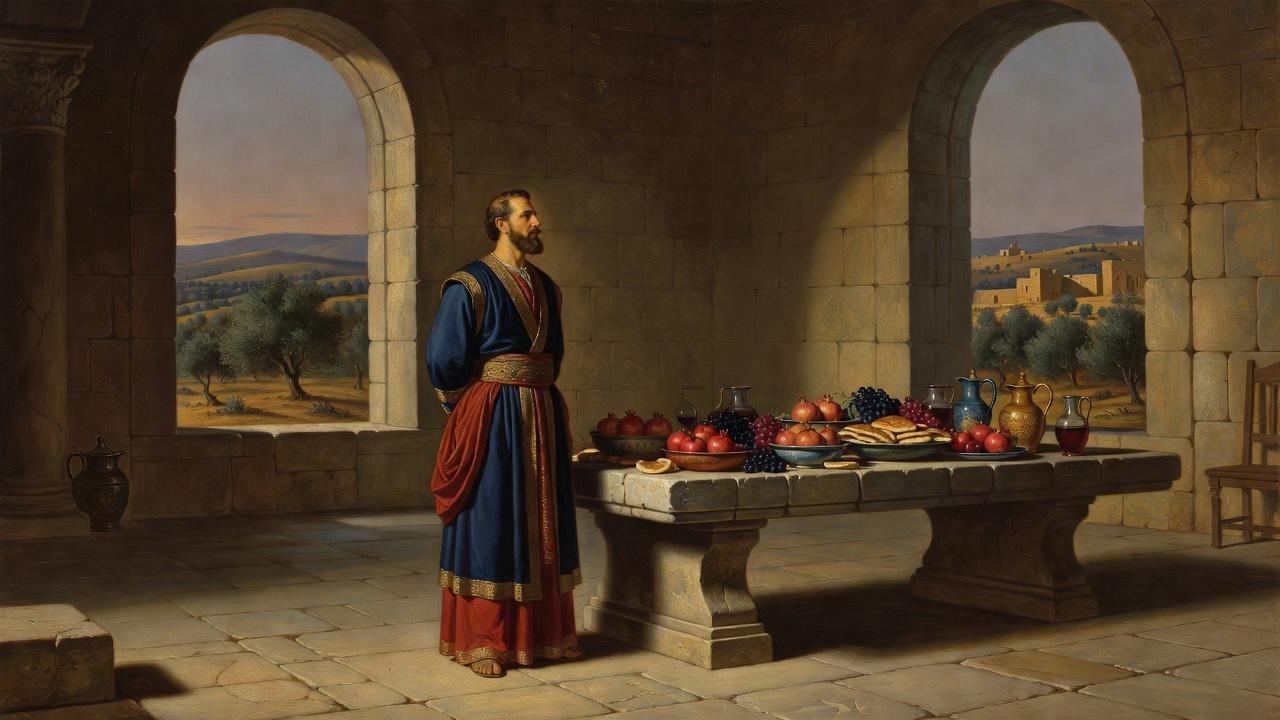
The Vanity of Unsatisfied Wealth
- In ancient thought, having a long life and fathering many children were considered the highest signs of blessing. Ecclesiastes observes, however, that even living two thousand years and fathering a hundred children is hollow if a person cannot enjoy their prosperity or receive a proper burial.Sources: the Bible text itself
- The author points out that although human labor is spent satisfying basic physical needs such as food, human appetite and desire remain continually unfulfilled. He contrasts enjoying what is directly present before the eyes with the ceaseless wandering of unsatisfied cravings.Sources: the Bible text itself
- The chapter emphasizes human limitations, noting that mortals cannot dispute with what has been established by one stronger than they are. Because life is fleeting like a shadow, humans cannot fully know what is truly good for them or foresee what will happen after they are gone.Sources: the Bible text itself
Notes written with AI assistance from open sources (Theographic Bible Metadata, CC BY-SA 4.0; Easton’s Bible Dictionary, public domain) and reviewed before publishing.
Credits and license for this translation
Lutherbibel 1912
The Holy Bible in German, Luther 1912
Public Domain
Language: Deutsch (German, Standard)
Translation by: Martin Luther
2025-12-29
Source: http://ebible.org/deu1912/ · eBible.org