Psalms 125
Yoac kekehagocac Dzadzahac gboria nga Mitiyegec · Tap a verse to see its cross-references.
Israe ye ruaegoc kecbeso
Hombannu kekenggac yegec.
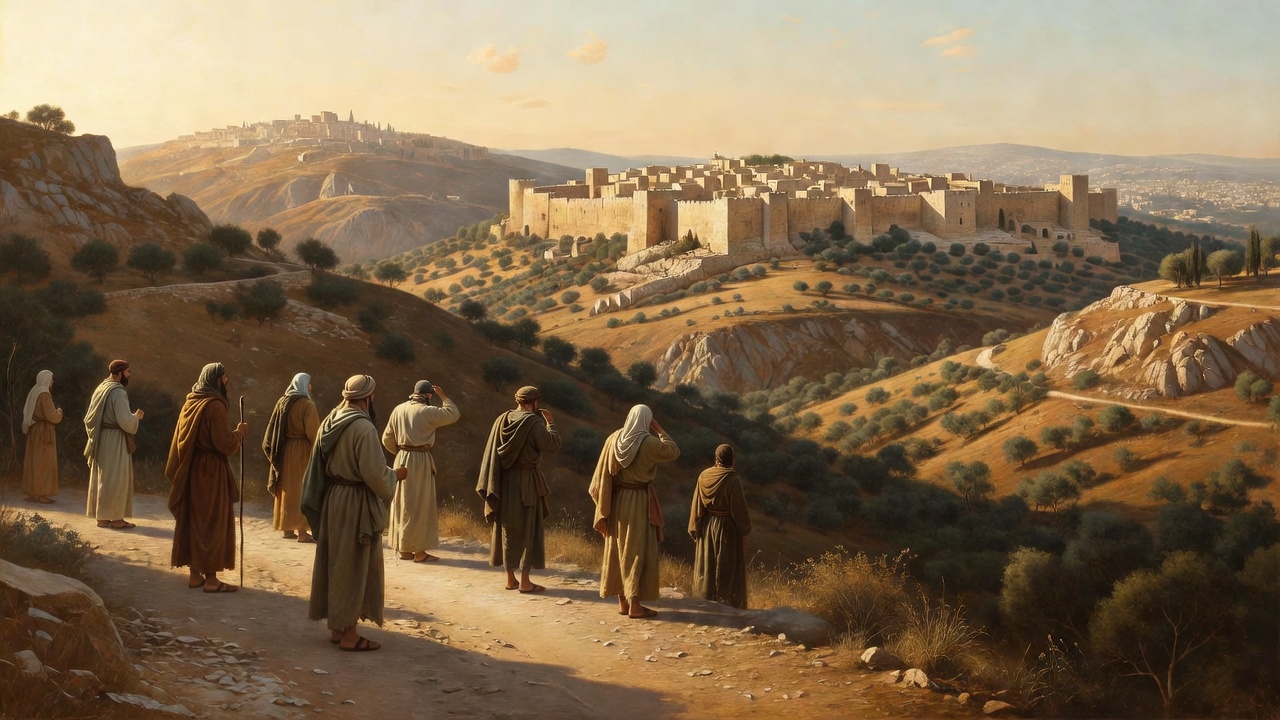
1Ngicngac KEBU negenserima kecdimbe, nenang Siong tiki isoc. Wiac mongngo meu goroc goroc mi amma nasoya nasoya nangkefude. 2Tikingo Yerusareng yerecgema tackendae, ifi isocngoc KEBUNGO ngicngacfora yerecyunuma yofinenggac nga nasoya nasoya ifi kefude.
3Ngicngac dindingac yeni maringina sinema angammeme mangana ambauac. Ngic Anutu ngadehema mangana megecdeac ayemmeande, Anutungo yeni kpae heiyemmeu ngictau yasunginango ngic dindingac yeneac bangec naric mi garenggeude.
4O KEBU, ngicngac gombunga nga herenginau ikoc nga hamangec mong mi fede, geng yeni faka gombunga ayemmena. 5Ngicngac goa ine efaima sing mangana noboc noboc modacgec KEBUNGO yarengic meicyunuma yeni ifingoc yenigoc meicyunuu kenggec kpemeting ayemmeude.
Ruaengo Israe areng yenearu febeso.
Did you know?
Unshakable Security in Jerusalem
- Psalm 125 is one of the Songs of Ascents, comparing those who trust in God to Mount Zion. Mount Zion was a naturally fortified hill in Jerusalem, surrounded by deep valleys on nearly all sides, making it a fitting symbol of permanence and stability.Sources: the Bible text itself · Mount Zion
- The psalmist draws on local geography by noting how mountains encircle Jerusalem. Built as a mountain fortress among neighboring heights, the city provided an evocative physical illustration of divine protection surrounding the community.Sources: the Bible text itself · Jerusalem
- The psalm concludes with a prayer for peace upon Israel, which resonates with the traditional interpretation of Jerusalem's Hebrew name as a foundation or possession of peace.Sources: the Bible text itself · Jerusalem
Notes written with AI assistance from open sources (Theographic Bible Metadata, CC BY-SA 4.0; Easton’s Bible Dictionary, public domain) and reviewed before publishing.
Places in this chapter
Only places identified with high confidence are shown (90% or more according to the scholarly sources compiled by OpenBible). Period map: DARE (Digital Atlas of the Roman Empire), CC BY 4.0; modern map: © OpenStreetMap contributors; places: OpenBible.info (CC BY 4.0).
Credits and license for this translation
Yoac kekehagocac Dzadzahac gboria nga Mitiyegec
The New Testament and Psalms in the Dedua Language of Papua New Guinea
Buk Baibel long tokples Dedua long Niugini
copyright © 2005 Wycliffe Bible Translators, Inc.
℗ 2012 Wycliffe Bible Translators, Inc.
Language: Dedua
Translation by: Wycliffe Bible Translators
This translation is made available to you under the terms of the
Creative Commons Attribution-Noncommercial-No Derivatives license 4.0.
You may share and redistribute this Bible translation or extracts from it in any format, provided that:
You include the above copyright and source information.
You do not sell this work for a profit.
You do not change any of the words or punctuation of the Scriptures.
Pictures included with Scriptures and other documents on this site are licensed just for use with those Scriptures and documents.
For other uses, please contact the respective copyright owners.
2015-01-02
Source: http://png.bible/ded/ · eBible.org