Revelation 2
Dai Cangcim Kthai · Tap a verse to see its cross-references.
Ephet Sangcima veia Becük
1“Ephet sangcim üng khankhawngsäa veia hinkba yua:
‘Hin cun A kut kpat lam üng aisi khyüh kpawm lü xüi meiim taknak he khyüha ksunga cit hükia becük ni; 2‘I na bilo pängki ti ka ksingki; Ihlawka na khüihkhawm la na dunei thei päng pi ka ksingki. Khyangkse he am na jah ngjakhlü ka ksingki. Ngsäa am kya kphei u lü ngsäa nghmünei kyuki he jah ksing lü hleihlaki he ti na jah ksing päng pi ka ksingki. 3Na duneiki, ka ngminga phäha khamei lü am na pyaiki. 4Na hmanak ka pyen vai mat awmki. Acun cun akcüka na na na jawngnaka mäiha tukbäi am na na jawngnak cen ni. 5Ihlawka akthuka na kyukngtängki ti cen ng'ngaia! Na katnak he jah nghlat ta lü akcüka na bilawh he cen jah bilo bea. Na katnak he am na jah nghlat tak üngta na veia law lü na meiim taknak a awmnak üngka naw ka lo khai. 6Acunsepi na dawnak awm ve: Nikolah khyang hea bilawh am ka ngjakhlüa kba nang naw pi am na ngjakhlü hnga cen.
7Ngmüimkhya naw Sangcim hea veia i a pyen ni ti cen nami nghnga a awm üng ngai ua!
Ngnängki he üng Pamhnama Ngvawng k’uma awmkia xünnak thing ktheih einak thei ka jah pe khai” a ti.
Samunah Sangcima veia Becük
8“Samunah Sangcim üng khankhawngsäa veia hinkba yua: ‘Hin cun Akcük säih la anghnu säih, thi lü xüng bekia becük ni: 9‘Na khuikhanak ka ksingki; na m'yenkseki cunsepi na bawimangki! Judah khyang kcang am niki he naw Judah khyanga mäiha am dawkia ami ning pyen ka ksingki; acun he cun Khawyama khyanga kyaki he. 10Na khamei vai ä kyüha. Ngaia! Khawyai naw a ning jah mhnüteinak vaia avang thawngim üng ning jah khyum khai, khawmhmüp xa nami khuikha khai. Nami thihnak vai üng pi ka veia sitih ua, nami ngnängnaka ngkhenga xünnak ka ning jah pe khai.
11Nami nghnga a awm üng Ngmüimkhya naw Sangcim hea veia a pyen ngai ua.
Ngnängki naküt anghngihnaka thihnak naw ikba pi am jah pawh thei’ ti ve” a ti.
Perakamun Sangcima veia Becük
12“Perakamun Sangcim üng khankhawngsäa veia hinkba yua:
‘Hin cun hnuma akpat cang kcim ksaü takia becük ni: 13Khawyama bawingawhnak a awmnaka na awmki ti ka ksingki. Khawyama awmnaka, ka sitih saksi Antipas ami hnima kcün üng pi ka veia khäng lü na jumeinak am na yawkki ti cun ka ksingki. 14Acunsepi Isarel khyang he juktuh hea veia ngkengnak meh ei u lü, hüipawm khai hea jah katkawng saki Balak mtheimthangkia Balaama tuilam läklamki avang nami ksunga a aawma phäha na katnak a jaw ka hmuki. 15Acukba nang pi Nikolah khyang hea mtheimthangnak läklamki he na ksunga avang na jah awmpüiki. 16Atuh na katnak he jah nghlat ta! Am acunüng angxita law lü acun he cun ka mka üngka naw lut lawkia kcim am ka jah tu law khai.
17Nami nghnga a awm üng Ngmüimkhya naw Sangcim hea veia a pyen ngai u.
Ngnängki naküt üng thupa manah avang ka pe khai. Yahki dänga thea u naw pi am a kheh thei vaia ngming kthai ng’yukia lung kbawk pi ka jah pe khai’ ti ve” a ti.
Tuhtirah Sangcima veia Becük
18“Tuhtirah üng Sangcim khankhawngsäa veia hinkba yua:
‘Hin cun Pamhnama Capa, meikdäia mäiha däiki mik na lü a khawpha mthimsawia mäiha cakia becük ni: 19Na bilawh ka ksingki. Na jawngnak, na sitihnak, na khüihkhawm la na duneinak ka ksingki. Akcüka na bilawha kthaka atuh na ktha na bawki ti ka ksingki. 20Pamhnama ngsäa ngsuiei kyukia nghnumi Jezebelah nami ksunga nami awm saka phäha nang üng hmanak ka hmuki. Ani naw a jah mtheimthangnak am ka m'ya he hüipawmnak la juktuh he üng peta buh jah eiawk saki. 21A katnak hea phäh a ngjutnak vaia kcün ka pet päng, cunsepi hüipawmnak üngka naw a nghlat law be vai am yäng. 22Acunakyase ani am hüipawm u lü kakawngki he am atänga aknuia khuikha khai hea, ihnaka khana ka tawn law khai. Ani am atänga katnak ami pawh cen am ami ngjut be üngta tukbäi ahin ka pawh law khai. 23Ani läki he pi ka jah hnim khai. Acunüng sangcim avan naw kei cun khyang naküta ngaihkyunak la hlüei ka ksing bäihki ti ksing khai he. Nami bilawh cun nami vana bilawha kba ka ning jah thung law khai.
24Acunsepi Tuhtiraha awmkia nangmi avang he naw ahina am dawkyakia mtheimthangnak am läk u lü; avang naw ‘Khawyama ngthu ngthup’ ami ti cen pi am nami ngtheingthangki. Phüi k’yüh akce nami khana i am ka mtaih khai ti hin ning jah mtheh veng. 25Acunsepi am ka pha law hama küt üng nami tak cen akhänga kpawm kheng yeng ua. 26Upi ngnäng lü, ka ngjak'hlü adütnak cäpa biloki he cun ka Pa üngka ka yaha ana ka jah pe khai: Khyangmjü he mthicung am jah uk lü, mdek k’ama mäiha amte mtea jah ak sak khai hea ana ka jah pe khai. Thaike pi ka jah pe khai.
29Nami nghnga a awm üng Ngmüimkhya naw Sangcim hea veia a pyen ngai u’ ti ve” a ti.
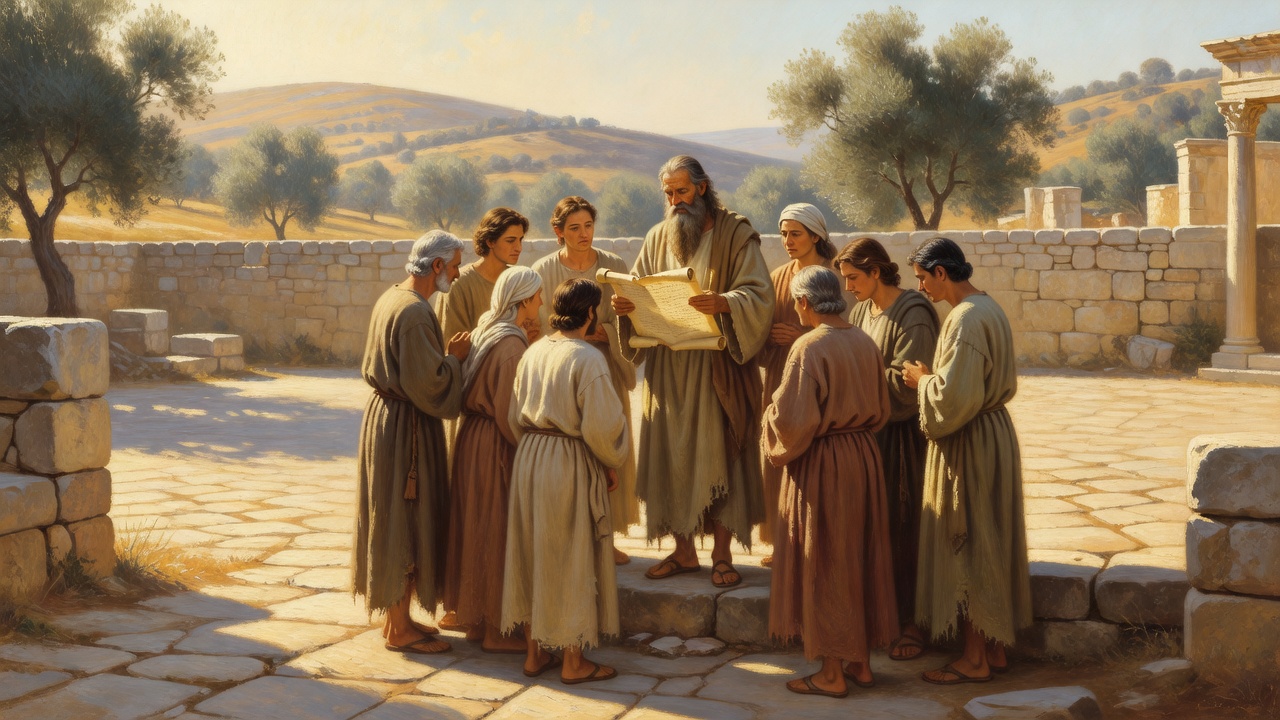
Did you know?
Messages to the Four Churches
- Ephesus was the capital of proconsular Asia and bore the Roman title of the first and greatest metropolis of the province. It was famous across the ancient world for its open-air theatre seating 50,000 spectators and for housing the chief shrine and temple of Diana.Sources: Ephesus · the Bible text itself
- Pergamum, the chief city of Mysia situated near the Caicus River, is described in the letter as the place where Satan's throne sits. The text commends the believers there for maintaining their faith even when Antipas, called a faithful witness, was killed in the city.Sources: Pergamum · Antipas · the Bible text itself
- Located between Lydia and Mysia, the city of Thyatira was celebrated for its textile dyeing industry, as confirmed by ancient inscriptions mentioning its guild of dyers. In the New Testament, Lydia, a seller of purple-dyed cloth, hailed from this city.Sources: Thyatira · the Bible text itself
Notes written with AI assistance from open sources (Theographic Bible Metadata, CC BY-SA 4.0; Easton’s Bible Dictionary, public domain) and reviewed before publishing.
Places in this chapter
- Ephesus · 37.939, 27.341 · verse 1
- Smyrna · Today: Izmir · 38.419, 27.138 · verse 8
- Pergamum · Today: Pergamon · 39.132, 27.184 · verse 12
- Thyatira · Today: Akhisar · 38.920, 27.837 · verses 18, 24
Only places identified with high confidence are shown (90% or more according to the scholarly sources compiled by OpenBible). Period map: DARE (Digital Atlas of the Roman Empire), CC BY 4.0; modern map: © OpenStreetMap contributors; places: OpenBible.info (CC BY 4.0).
Credits and license for this translation
Dai Cangcim Kthai
The New Testament in the Dai Chin language of Myanmar
copyright © 2018 The Word for the World International
Language: Daai (Chin, Daai)
Contributor: The Word for the World Southeast Asia
The New Testament in Dai
published as
DAI CANGCIM KTHAI
The Word for the World International
This translation is made available to you under the terms of the
Creative Commons Attribution license 4.0.
You may share and redistribute this Bible translation or extracts from it in any format, provided that:
You include the above copyright and source information.
If you make any changes to the text, you must indicate that you did so in a way that makes it clear that the original licensor is not necessarily endorsing your changes.
Pictures included with Scriptures and other documents on this site are licensed just for use with those Scriptures and documents.
For other uses, please contact the respective copyright owners.
Note that in addition to the rules above, revising and adapting God's Word involves a great responsibility to be true to God's Word. See Revelation 22:18-19.
2023-04-09
Source: http://ebible.org/dao/ · eBible.org