Luke 11
Dai Cangcim Kthai · Tap a verse to see its cross-references.
Jesuh naw Ktaiyünak a jah Mthei
1Mhmüp mat üng Jesuh ktaiyü se, a ktaiyü khap üng axüisaw mat naw, “Bawipa aw, Johan naw ktaiyünak axüisaw he üng a jah mtheia kba jah mtheia,” a ti.
2Acunüng Jesuh naw, “Nami ktaiyü üng hinkba ti ua,
‘Kami Pa,
Na ngming ngcim leisawngnak am ve se.
Na khaw pha law se.
3Amhmüp tä kami ei khyawh buh jah pe.
4Jah katnaki kami mhlät khawia kba,
nang naw pi kami katnak he jah mhläta.
Hlawhlepnaka am jah cehsak kaw pi,” a ti.
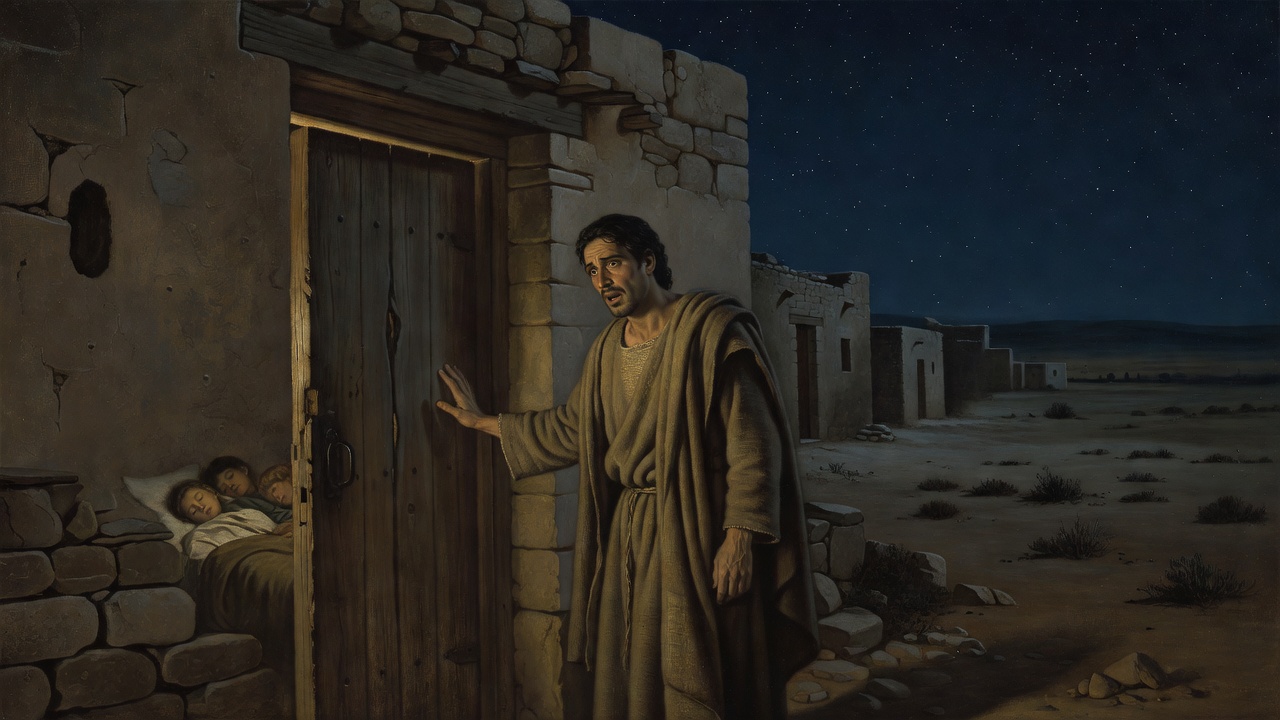
5Acunüng Jesuh naw, “Nangmi üng mat naw, mthan nglunga a püia veia cit lü, ‘Ka püi aw, muk kthum na kpu lawa; 6Ka khin law ve, mbei vai i am ta veng’ a ti üng; 7im k'um üngka naw, ‘Ä na kpyaneia; ksaw khai päng veng, ka ca he pi ihnak üng ip päng ve u; tho law lü am ning pe law hlü thei veng’ ti lü, a msang te, 8Ka ning jah mthehki, a püia akya aphäha, tho law lü am ava pete, ä khyakei lü a kthähei nua phäha tho law lü, a ngaih jah pe khai.
9“Acunakyase, ka ning jah mthehki, kthäh ua, acunüng nami yah khai; sui ua, acunüng nami hmu khai; khawk ua, acunüng ksawh ning jah mhmawn pe khai he. 10“Upi, kthähki avan naw yah khawiki, upi suiki naw hmu khawiki, upi khawki am ksawh mhmawn pe khai he. 11“Nangmi üngka pa, a ca naw muk kthäh se, u naw lung pe khai aw? Nga kthäh se, u naw ngaa nghnün üng kphyu pe khai aw? 12“Acunüng aiktui kthäh se, u naw jawngk’ai pe khai aw? 13“Nangmi khyang kse he naw pi nami ca üng akdaw pet vai nami ksing üng, nami Pa khankhawa ka naw, kthähki avan üng Ngmüimkhya Ngcim aktäa pe hlü ve,” a ti.
Jesuh la Beelzebul
14Acunüng, Jesuh naw khawyai am ngthuhei theiki mat a ktäm. Acunüng khawyai a kco law la ä ngthuhei theikia khyang cun ngthuhei law be thei se khyang he aktäa cäicah lawki he. 15Khyang avang he naw, “Khawyai mkhawng Beelzebula johit am ni khawyai he a jah ktäm,” ami ti.
16Avang naw ami mhnüteinaka, khan üngka ti ksingnak vai müncankse kthähki he. 17Acunüng, Jesuh naw ami ngaihkyunak jah ksing lü, “Ia pung pi amimät ngcawhki he cun pyeh khawiki he ni; khuiim mat üngka he pi amimät ngcawhki he cun khyük khawiki he ni. 18“Khawyama khaw pi amimät ami ngtuk üng ihawkba a khaw khäng khai ni? Beelzebula a peta johit am khawyai he jah ksätki nami tiki ni. 19“Acukba ka jah ksätkia akya üng, ihawkba nami hnukläk he naw khawyai jah ksätkie ni? Nami mäta hnukläk he naw nami hleinak mdan ve u. 20“Cunsepi, kei naw Pamhnama johit am khawyai he jah ktäm khawikia ka kya üng, Pamhnama khaw nami veia pha law pängki.
21“Khyang kyan naw likcim kpawmei lü a im a ngänga küt üng, a khawhthem mä lü awm khawiki; 22“Cunsepi amäta kyan bawki naw tu law lü, a näng law üng, a üpnaka likcim he jah yut lü, a khawhthem lo lü, jah yet hü khai.
23“Acunakyase, upi ka hlawnga am awmki cun, ka yea kyaki; upi am na mkhämpüiki cun kthehkia kyaki.
Khawyaia Nghlat law be
24“Acunüng, khawyai khyanga k'um üngka naw a luh law üng, a xüieinak vai sui hü lü, tuia am a awmnak hnünea ngvak hü khawiki; acunüng, xüieinak vai am hmu lü, ‘Ka luh lawnaka ima nghlat be vang’ ti lü, 25ava pha be üng ana phekphaih u lü a na dawkya sak u se a hmuh. 26“Acun la va cit be lü, amäta pi se bawki khawyai kce khyüh jah lawpüi se, acunüng lut u lü awmki he, acuna khyanga awm law vai cun akma a na awm khawia pi ksehlen bawki,” a ti.
Hlimnak Kcang
27Acukba ngthu ana pyen k'um üng, khyang hea ksunga nghnumi mat ngpyang law lü, a veia, “Ning pawi nakia pum la ning tukia cih ta a jo sen ve,” a ti.
28Acunüng Jesuh naw, “Acuna kthaka ta, Pamhnama ngthu ngai lü acuna kba awmki he, ami jo sen bawk ve,” a ti.
Müncankse ami Mso
29Acunüng, khyang he a veia ami ngbum law üng, Jesuh naw, “Atuh ngsawn he hin se ve u; müncankse suiki he, cunsepi, Jonaha müncankse dänga thea msingnak ä jah pet vai. 30“Jonah Ninevih khyang hea msingnaka a kyaa kba, khyanga Capa pi atuh khyang hea hama msingnaka kya khai. 31“Sheba sangpuxangnu, Solamona themnak ngaiei khaia athuknak üngka naw lawkia kyase, ngthumkhyanaka mhmüp üng, atuh ngsawn hea veia tho law ha lü jah mkat law khai. Ngai u Solamona kthaka kyäp bawki hia awm ve. 32“Ninevih khyang he, Jonaha ngthu pyena phäha ngjutki hea kyase, ngthumkhyanaka mhmüp üng, atuh ngsawn hea veia ngdüi law hnga u lü, jah mkat law khai he; ngai u, Jonaha kthaka kyäp bawki hia awm ve.
Pumsa Vainak
33“U naw meiim mdäi lü am thup khawi u, cäa k'uma pi am thup khawi u, lutki he naw ami hmuh vaia angdangnak üng ni ami tak khawi. 34“Pumsa meiim cun mika kyaki. Acunakyase na mik avai üng na pumsa avan vai bäihki. Cunsepi, na mik a pyeh üng na pumsa avan nghmüpki. 35“Acunakyase, akvai nami k'uma awmki, am a nghmüp vaia cäi na u. 36“Acunüng na pumsa ä nghmüp lü avan a vai üng, meiim naw aktäa a kcäiha kba, na pumsa vai bäih khai,” a ti.
Jesuh naw Pharise he la Thum Ksing he jah Mkateiki
37Jesuh ana ngthuhei k'um üng Pharise mat naw buh ei khaia khü se cit lü buh eiki. 38Acunüng a kut am mthih lü buh ei se a hmuh üng, Pharise aktäa cäiki. 39Acunüng Bawipa naw, “Nangmi Pharise he khawt la kbe akpung lama nami mthi khawiki; cunsepi nami mlungmthin k'uma setnak la katnak am nami beki. 40“Khyang k'ang he aw! Akpung pi pyang lü ak’um pi pyangki cun Pamhnam am niki aw? 41“Acunakyase, nami khawt la nami kbe üng awmki m'yenkseki he üng jah pe ua. Acunüng, ahmäi nami hama ngcim hei law khai ni.
42“Nangmi Pharise he, nami jo se ve! Kcingyüt paibänge la khuhlip kce he pi xa üng mat pet vaia nami khüiki. Cunsepi, hmankanak la Pamhnam jawng'engnak am nami cäi naki. Ahin he va jah pawh ma u lü akce he pi nami jah pawh vai sü. 43“Nangmi Pharise he nami jo se ve, Sinakoka ngawhnak akdaw säih la jawihtuknaka nghnukset kyu nami jawng naki. 44“Nami jo se ve, ng’uhnün tia ä ngsing se, khyang he naw ä ksing u lü, a khana ami ceh hünak am nami tängki,” a ti.
45Acunüng, thum ksingki mat naw, “Saja aw, hina ngthu na pyen hin keimi pi na jah ksenaki ni” ti lü a msang.
46Acunüng Jesuh naw, “Thumksing he aw, nangmi pi nami jo se ve! Phüi kse khyanga khana nami mtaihki, namimät naw nami kutmdawng am pi am nami hnet hlüki. 47“Nami jo se ve! nami pupa he naw ami hnim, sahma hea mkhya im nami saki. 48“Acunakyase, nami pupa hea ami bilawh cun jah ksingpüi u lü, nami jah ngaisimpüiki ni; amimi naw hnim u se, nangmi naw ami mkhya ime nami jah saki. 49“Acunakyase, Pamhnama ksingnak naw pi pyen lü, ‘Sahma he la ngsä he jah tüih pe ni se, avang jah mkhuimkha u lü, jah hnim khai he,’ 50acunakyase, khawmdeka ngtüi üng tün lü, ngsawikia sahma hea thisen, 51Abela thisen üngka naw tün lü, Temple la kphyawnkunga nglaka ami hnim Zakhariha thisen naw hina ngsawn hea phu jah kthäh be khai. Ä, akcanga ka ning jah mthehki, acun naw hina ngsawn hea phu jah kthäh be khai.
52“Thumksing he, ksingnaka imksawh mhmawnak tawh nami thupkia kyase nami jo se ve. Namimät pi am lut u lü lut hlüki he pi nami jah mkhyawhki,” a ti.
53Jesuh naw acuna hmün a cehtak üng thumksing he la Pharise he naw ami mkateinak vaia,
54a pyen law msawk ami man hlüa phäha, ngäng u lü ang'enga ahmäi hmäi ami kthäh.
Did you know?
Prayer, Signs, and Woes
- Jesus speaks of the blood of all the prophets, from the blood of Abel to the blood of Zechariah, who was killed between the altar and the sanctuary. Abel was the second son of Adam and Eve and was killed by his brother Cain. Easton's Bible Dictionary (1897) identifies this Zechariah as the son or grandson of the high priest Jehoiada, stoned at the king's command in the court of the house of the Lord after he condemned the king and the people, and notes that Jesus alludes to that murder in this chapter.Sources: the Bible text itself · Abel · Zacharias
- Jesus says this generation will be given no sign except the sign of Jonah: as Jonah was a sign to the Ninevites, so the Son of Man will be a sign to this generation, and the men of Nineveh, who repented at his preaching, will condemn it at the judgment, because someone greater than Jonah is here. Easton's Bible Dictionary (1897) describes Jonah, son of Amittai of Gath-hepher, as a prophet of Israel and a missionary to Nineveh, and calls him a type of the Son of Man. It describes Nineveh as a great and populous city, the flourishing capital of the Assyrian empire.Sources: the Bible text itself · Jonah · Nineveh
- After Jesus drives out a demon that was mute, some say he does it by Beelzebul, the prince of the demons. Easton's Bible Dictionary (1897) explains the name Satan as adversary or accuser, says the New Testament uses it interchangeably with the devil, and lists Beelzebub among his titles. Jesus answers that every kingdom divided against itself will be laid waste, and asks how Satan's kingdom can stand if Satan is divided against himself.Sources: the Bible text itself · Satan
Notes written with AI assistance from open sources (Theographic Bible Metadata, CC BY-SA 4.0; Easton’s Bible Dictionary, public domain) and reviewed before publishing.
Places in this chapter
Only places identified with high confidence are shown (90% or more according to the scholarly sources compiled by OpenBible). Period map: DARE (Digital Atlas of the Roman Empire), CC BY 4.0; modern map: © OpenStreetMap contributors; places: OpenBible.info (CC BY 4.0).
Credits and license for this translation
Dai Cangcim Kthai
The New Testament in the Dai Chin language of Myanmar
copyright © 2018 The Word for the World International
Language: Daai (Chin, Daai)
Contributor: The Word for the World Southeast Asia
The New Testament in Dai
published as
DAI CANGCIM KTHAI
The Word for the World International
This translation is made available to you under the terms of the
Creative Commons Attribution license 4.0.
You may share and redistribute this Bible translation or extracts from it in any format, provided that:
You include the above copyright and source information.
If you make any changes to the text, you must indicate that you did so in a way that makes it clear that the original licensor is not necessarily endorsing your changes.
Pictures included with Scriptures and other documents on this site are licensed just for use with those Scriptures and documents.
For other uses, please contact the respective copyright owners.
Note that in addition to the rules above, revising and adapting God's Word involves a great responsibility to be true to God's Word. See Revelation 22:18-19.
2023-04-09
Source: http://ebible.org/dao/ · eBible.org