1 Timothy 2
Dai Cangcim Kthai · Tap a verse to see its cross-references.
Sangcima hjawkhahnak
1Acunakyase, akcüka, täsamnak, ktaiyünak, nghuinak ja jenak cun khyang avana phäha Pamhnama vei nami pawh vaia ning jah mtheh veng.
2Sangpuxang He ja ana takie cun dim’ye lü akdima Pamhnam leisawng lü akdawa ami ngneisaknak vaia phäha ni. 3Ahin hin daw lü mi küikyan Bawi Pamhnam jesaki ni, 4ani naw khyang naküt küikyannak yah lü ngthungtak ami ksing vai hlüei ve. 5Pamhnam mat ve lü Pamhnam ja nghngicim atänga jah lawpüiki khyang ta Khritaw Jesuh ni, 6ani cun nghngicim avan jah thawngkhyah vaia lawki. Pamhnam naw khyang naküt akcün kdaw üng küikyannak a yah vaia ahin cun saksi ni, 7Acunakyase, kei cun khyangmjükcee jah mthei lü ngsäa kba ngthungtak ja jumeinaka mawng cun ka sang khaia a na tüih ni. Ka hlei am pyen ngü akcang ni ka pyen!
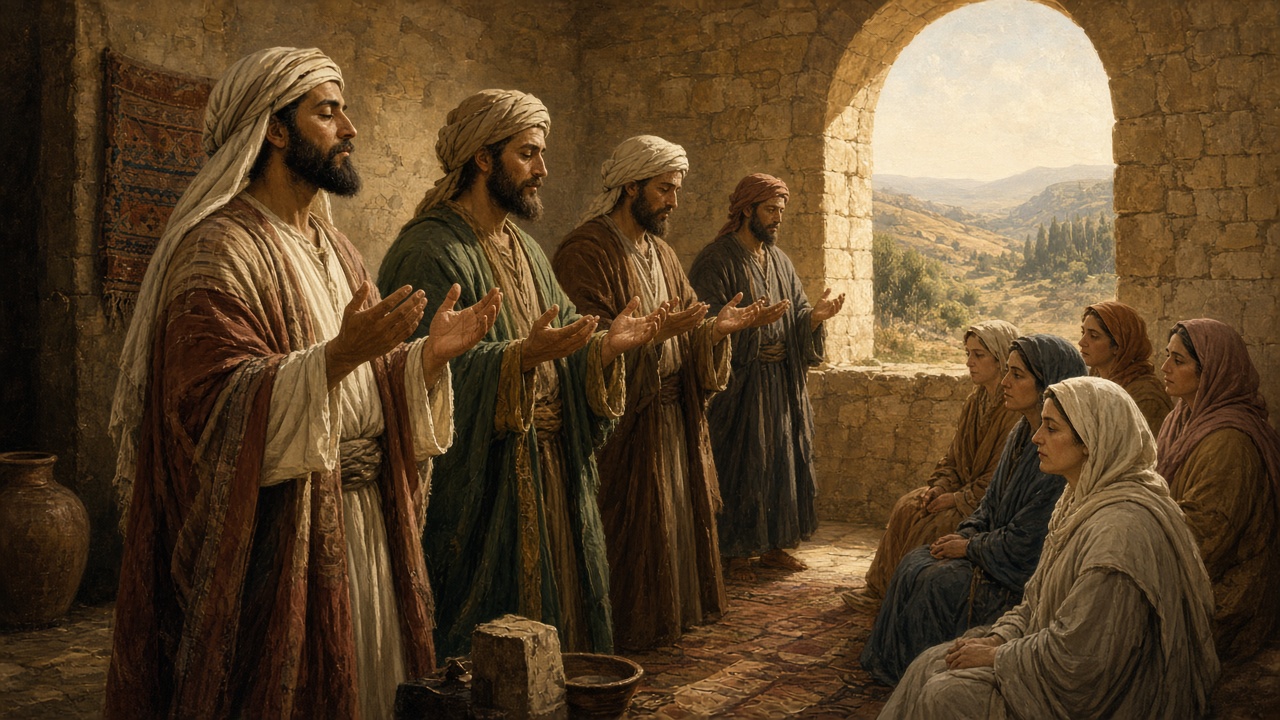
8Sangcima hjawkhahnak üng kpamie, Pamhnam ümnakie naw ngcuhngkaihnak ja mlungsonak käh ta lü ami kut khana jah säng u lü ami ktaiyü vai hlüei veng. 9Nghnumie pi aphu küi suisake, lusam pitpyangnak, xüi bilawhnak, suisak akdawa suiawi lü mlung mhnem lü käh nami nukhyap vai ka hlüeiki ni, 10lüpi Pamhnam ka jumki tikia nghnumi cun naw akdaw bilo yah khai. 11Nghnumie naw käh khikheh lü mlung mhnemnak am ngthei u se. 12Nghnumie cun kpamiea khana ana ta lü jah mtheimkhawng khaia am täng veng, lüpi amimi cun hniphnawi yah khaie ni. 13Adam cun mhnün ma lü acun käna Evah a mhnün ni. 14Adam cun hlawhlepnak am kham lü Nghnumi va hlawhlepnak kham lü Pamhnama thum pi lümkanki.
15Nghnumi cun a caa phäh küikyannak yah khai, jummeinak, mhläkphyanak ja ngcimcaihnak cun mlung mhnemnak am a mtunei üng ni.
Did you know?
Prayer, modest worship, and Adam and Eve
- This chapter urges that petitions, prayers, intercessions, and thanksgiving be offered for everyone, including kings and all those in authority, so that believers may lead tranquil and quiet lives in all godliness and dignity. It also says there is one God and one mediator between God and men, the man Christ Jesus, who gave himself as a ransom for all.Sources: the Bible text itself
- When the letter says that Adam was formed first, and then Eve, it appeals to the first man of Genesis. Easton's Bible Dictionary (1897) explains that Adam is a Babylonian word meaning 'red,' the generic name for man, with the same meaning in Hebrew and Assyrian, and that he was formed from the dust of the earth.Sources: the Bible text itself · Adam
- The letter says it was not Adam who was deceived, but the woman, who was deceived and fell into transgression. Easton's Bible Dictionary (1897) says Eve means 'life' or 'living,' the name Adam gave his wife, and that the account of her creation is given in Genesis 2:21-22.Sources: the Bible text itself · Eve
Notes written with AI assistance from open sources (Theographic Bible Metadata, CC BY-SA 4.0; Easton’s Bible Dictionary, public domain) and reviewed before publishing.
Credits and license for this translation
Dai Cangcim Kthai
The New Testament in the Dai Chin language of Myanmar
copyright © 2018 The Word for the World International
Language: Daai (Chin, Daai)
Contributor: The Word for the World Southeast Asia
The New Testament in Dai
published as
DAI CANGCIM KTHAI
The Word for the World International
This translation is made available to you under the terms of the
Creative Commons Attribution license 4.0.
You may share and redistribute this Bible translation or extracts from it in any format, provided that:
You include the above copyright and source information.
If you make any changes to the text, you must indicate that you did so in a way that makes it clear that the original licensor is not necessarily endorsing your changes.
Pictures included with Scriptures and other documents on this site are licensed just for use with those Scriptures and documents.
For other uses, please contact the respective copyright owners.
Note that in addition to the rules above, revising and adapting God's Word involves a great responsibility to be true to God's Word. See Revelation 22:18-19.
2023-04-09
Source: http://ebible.org/dao/ · eBible.org