James 2
Jamaw ta Marbinto: Kabarre ta Gala ɗo bi ka Iisa Masi iŋ daŋla · Tap a verse to see its cross-references.
Eere ka geemir ŋaar samaanno
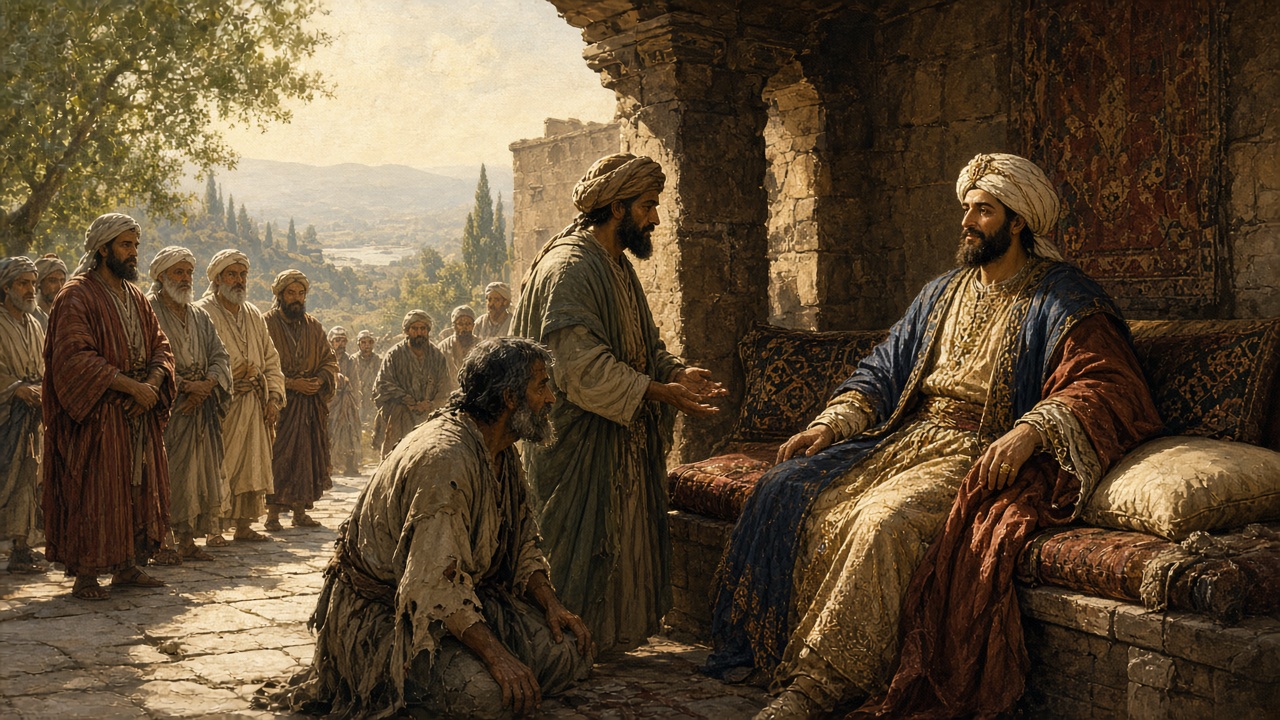
1Gem kol siŋtay, dakoŋ eerguwin̰coɗo gee, asaan ta bal kuuniye iŋ imaanko taat iŋ *Rabbinte Iisa Masi, ŋaar gay *darjiner. 2Cokiyoŋ, gin kaaw rakki taat ɗiya a ku n̰um ɗo wer rakki ho gee seer kat as ɗo wer-aka. Ka rakki gay gamnar kaak is kesuune taat samaane, ho ɗo kormoy oki, ŋa is korkiɗ ka daabner. Kar ka rakki gay, pokirin̰ce kaak is kesuun taat tiziw-tiziw. 3Wiktin taat gay gamnar-ak un̰je, ku uciy ku ooyiiji, kar ku kaawiiji aman : « Gem kol siŋte, as goy anne, wer-aŋ kat kan̰jiŋ. » Kar gay, wiktin taat pokirin̰ce-ak un̰je, ku talaag paa di ho ku kaawiiji aman : « Kiŋke-aŋ pey iŋ ka asin̰ji di wal ɓaa goy keɗer anner di ! » 4Ya ku gina ansi-ak, ku eera ziŋkiko ho ku tala gee ar gay ɗukume seriiner kuuk aditco pondiko.
5Gem kol siŋtay, cokiyoŋ samaane ! Ŋuur kuuk gee talaag ar ŋu pokirna, Buŋ gay doɓig a ŋuu gine imaan dakina. Ampa-ak, ŋuu goye ar gay gamnar ɗo uŋji ho ŋaaco berin haginco taat ŋa kaawtu a ŋaa bere ɗo ŋuur kuuk elgiga. Hagin-ak, ŋaa un̰je kaak ɗo *Meennuwiy. 6Kar kuŋ gay, ku talaag pokirna-aŋ ar maan kaak maala ! Yaman pakiroŋ, ŋuur kuuk taaɓiyaako ho kuuk sakkiyaako, ŋuur-ak kun̰ waa ? Ŋuur gay gamnar-ak ɗoo ko, wal maman ? 7Ŋu ŋuur di pey kuuk waraag siŋ ku taɓ kuuk Buŋ diyiiko.
8Ka seener gay, ya ku aaɗa *gaanuun ka Meennaw ta Buŋdi ar kaak Kitamne kaawiy aman : « Kii elin̰ giji ar zin̰ ka meen̰jiŋ », ŋaar-ak, ku gina samaane. 9Kar gay, ya ku eera gee, ku gina zunuubinna ho gaanuun-aŋ yaako gagire asaan ku n̰epiɗga. 10Ka seener, gem kaak karmiyaag gaanuun okin̰ji, kar ka rakki di, ŋa n̰epiɗga, ar ŋa n̰epiɗig ko okin̰ji. 11Ɗo gaanuun-ak, Buŋ kaaw aman : « Kuŋ miday, dakoŋ kokinenno daaɗ kara, ho kuŋ daaɗ oki, dakoŋ kokinenno miday kara », ho ŋa kaaw pey aman : « Dakoŋ deenno gee. » Ansi-ak, ya waan gooƴa ziy min ɗo bariye ka daatir wala ka midir, kar ŋa dee gemo, ŋaar-ak, ŋa bal karmiyin̰ gaanuun. 12Ampa-ak, ɗo ay kaaw taat ku kaawiyo ho ay maan kaak ku giniyo, ginoŋ ar gee kuuk iban kadar Buŋ yaaco ɗukume seriine iŋ gaanuun kaak imilaate min ɗo zunuubinna kuuk ginaate ɓerrina. 13Ka seener, gem kaak tallo amindaw ta een̰ji, Buŋ talaajiɗo amindaw ya ŋa ɗukumaaji seriine. Kar ŋaar kaak tala amindaw ta een̰ji gay, ŋaa nosire wiktin ta seriiner.
Imaan iŋ riyti
14Gem kol siŋtay, ya waan kaawa a ŋa gin imaan, kar ŋa gaarro imaanji iŋ riyti gay, galilti maa ? Imaan taar-an yaa jilin̰ji walla ? Ha’a, taa uce maalan di. 15Cokiyoŋ, gin kaaw rakki taat ɗiya a kuu gin siŋta kuuk arumco tee iŋ ise. 16Ya ŋu ɓaawko oce ho ku n̰aamiigu aman : « Ɓaaŋ kate, Buŋ yaako bere maan kaak ku rakiyo. » Ya ku balco bere maanna, ansi-ak, galilti maa ? 17Ampaa ko, iŋ imaan oki. Ya ta keetit di ho bal riyti, taar us maalan di.
18Gem rakki yaa kaawe aman : « Daarin̰ gin imaan, kar daarin̰ gay gin riy taat samaane. » Kar nun gay yaaji telke aman : « Gaarduut imaanji taat goy bal riyti tare ! Kar nun gay, naan̰ gaare tanto iŋ riyti taat samaane. » 19Ki aamin kadar Buŋ ŋaar rakki di. Ŋaar-ak samaane ! Aariɗna oki aamina pa, nam kelimco amila min kolaw. 20Kiŋ kaak kaan̰ bombo-aŋka ! Ki raka tale maan kaak gaara a imaan taat bal riyti uca maala-anta walla ? 21Kaawor ja, maman Buŋ taliig tatte Ibraayim a ŋa goy iŋ botol ɗo uŋji ? Ŋa taliig a ŋa goy iŋ botol ɗo uŋji-ak wiktin taat Ibraayim ooytu berin̰ roŋji Isaaka satkine. 22Tal kate, imaanji ɓaa sawa iŋ riy taat samaane ŋa giniyo. Iŋ riy taat ŋa giniy-at ko, imaanji nectu tak iŋ taat Buŋ rakiyo. 23Maanna-ak astu ɗo botiliy ar taat Kitamne kaawtu aman : « Ibraayim, ŋaar diy gelbiney iŋ Buŋ. Ɗo bi ka imaanji-at ko, Buŋ taliig a ŋa goy iŋ botol ɗo uŋji. » Paa ko, Buŋ koliig a ŋa royay. 24Ku iban kadar Buŋ talgigɗo gemo a ŋa goy iŋ botol ɗo uŋji iŋ imaan keetit di, kar gay, ŋa talaat oki riyoy taat gaara imaanji.
25Pakirinte oki ɗo geem rakki siŋti Raab. Taar gay azbin̰ca min awalle. Kar gay, ɗo bi ka riy taat samaane ta gintu, Buŋ talit a ta goy iŋ botol ɗo uŋji. Riyti-ak, ta obiig samaane ŋuur kuuk gee ku Israyeel tabirtu, ho ɗo ɗeetin̰co, ta n̰olpiig iŋ botol ta pey.
26Ka seener gay, gem kaak siikamno, ŋaar mate. Ho imaan taat bal riyti, taar oki mate.
Did you know?
Impartiality and Living Faith
- James recalls that Abraham was justified by offering his son Isaac on the altar, his faith working with his actions and perfected by what he did. Isaac, the only son of Abraham by Sarah, was the one God commanded Abraham to offer as a sacrifice on a mountain in the land of Moriah.Sources: the Bible text itself · Isaac
- James also cites Rahab the prostitute, justified by welcoming the spies and sending them off on another route. The two spies, sent by Joshua while the Hebrews were encamped at Shittim opposite Jericho, had gone to her house, faced danger in the city, and were saved by her fidelity.Sources: the Bible text itself · Rahab
Notes written with AI assistance from open sources (Theographic Bible Metadata, CC BY-SA 4.0; Easton’s Bible Dictionary, public domain) and reviewed before publishing.
Credits and license for this translation
Jamaw ta Marbinto: Kabarre ta Gala ɗo bi ka Iisa Masi iŋ daŋla
New Testament in Dangaléat (CD:daa:Dangaléat)
copyright © 2012 Wycliffe Bible Translators, Inc.
Language: Dangaléat
Translation by: Wycliffe Bible Translators, Inc.
Copyright Information
© 2012, Wycliffe Bible Translators, Inc. All rights reserved.
This translation text is made available to you under the
terms of the Creative Commons License: Attribution-Noncommercial-No Derivative Works.
( http://creativecommons.org/licenses/by-nc-nd/3.0/ )
In addition, you have permission to port the text to different file formats, as long as you
do not change any of the text or punctuation of the Bible.
You may share, copy, distribute, transmit, and extract portions
or quotations from this work, provided that you include the above copyright
information:
You must give Attribution to the work.
You do not sell this work for a profit.
You do not make any derivative works that change any of the actual words or punctuation of the Scriptures.
Permissions beyond the scope of this license may be
available if you contact
us with your request.
The New Testament
in Dangaléat
© 2012, Wycliffe Bible Translators, Inc. All rights reserved.
This translation is made available to you under the terms of the
Creative Commons Attribution-Noncommercial-No Derivatives license 4.0.
You may share and redistribute this Bible translation or extracts from it in any format, provided that:
You include the above copyright and source information.
You do not sell this work for a profit.
You do not change any of the words or punctuation of the Scriptures.
Pictures included with Scriptures and other documents on this site are licensed just for use with those Scriptures and documents.
For other uses, please contact the respective copyright owners.
2021-11-01
Source: http://ebible.org/daaNT/ · eBible.org