Luke 3
Nduudu nʼdai yeⁿʼe Ndyuūs yeⁿʼe cuicateco yeⁿʼe Tepeuxila · Tap a verse to see its cross-references.
Juan chi ngɛɛdínuūⁿnīⁿ sa ngaⁿ'a sa chi ndaacadaamí 'iiⁿ'yāⁿ yeⁿ'e nuuⁿndi yeⁿ'e yā
1Saⁿ'a chi nguuvi Tiberio César, 'āā ndíítiiⁿ'yuⁿ nduūyū chi ngaⁿ'a ntiiⁿnyúⁿ yā chi emperador yā. Ní saⁿ'ā chi nguuvi Poncio Pilato, ní gobernador yā yeⁿ'e yáⁿ'āa Judea. Saⁿ'ā chi nguuvi Herodes ní rey yā yeⁿ'e yáⁿ'āa Galilea. 'Íícú 'diīnū Herodes miiⁿ chi nguuvi Felipe ní rey yā yeⁿ'ē yáⁿ'āa Iturea ndúúcū yáⁿ'āa Trachonite Ní saⁿ'ā chi nguuvi Lisanias ní rey yā yeⁿ'e yáⁿ'āa Abilinia. 2Ní saⁿ'a Anás ndúúcū Caifás, saⁿ'ā s'uuⁿ ní chiiduú n'gɛɛtɛ ca yeⁿ'e yaācū yeⁿ'e 'iiⁿ'yāⁿ Israel. Tiempo miiⁿ ní Ndyuūs ní ca'á yā 'áámá nduudu n'dai Juan, chí daiya Zacarías. Juan miiⁿ canee sa na yáⁿ'āa cuūⁿmáⁿ naachi nguɛ́ɛ́ ch'ɛɛtinéé 'iiⁿ'yāⁿ. 3Juan miiⁿ ní cachiī ca sa nducuéⁿ'ē yáⁿ'āa chi snéé niiⁿnuúⁿ ná yíícú Jordán. Ní Juan miiⁿ chii sá 'iiⁿ'yāⁿ chi canéé chi cuɛɛdínuūⁿniⁿ yā níícú ndaacadaamí yā yeⁿ'ē nuuⁿndi yeⁿ'é yā, níícú Ndyuūs nadich'ɛɛ̄cú yā nuuⁿndi yeⁿ'é yā. 4Chuū ní chiī tan'dúúcā chi profeta Isaías dingúuⁿ yā ndii cuaaⁿ vmnaaⁿ na libro yeⁿ'e Ndyuūs yeⁿ'ē:
'Caandiveeⁿ yú nduudu yeⁿ'ē 'áámá 'iiⁿ'yāⁿ chi caaⁿ'máⁿ yā yuudū na yáⁿ'āa cuūⁿmáⁿ naachi nguɛ́ɛ́ ch'ɛɛtinéé 'iiⁿ'yāⁿ ní caⁿ'a yā 'tuuca: Cuundiyaáⁿ nī yúúní yeⁿ'e Señor Ndyuūs caati cuchii yā; nan'guáaⁿ nī 'aama yúúní cuaacu caavá yā. Didɛɛvɛ́ nī staava yeⁿ'é nī ní cuuvi 'cuaáⁿ nī 'iiⁿ'yāⁿ miiⁿ taachi ndaa yā.
5Naachi yaanúū ní nduūtī, núúⁿmáⁿ icyaⁿ'ā ndúúcū nducyaaca yiīcū nduuví neⁿ'e, yúúní 'cuéē nduuvī cuaacu, yúúní chi nguɛ́ɛ́ neⁿ'e ní nduuví neⁿ'e.
6Nducyaaca 'iiⁿ'yāⁿ snaaⁿ yā 'iiⁿ'yāⁿ yeⁿ'e Ndyuūs, 'iiⁿ'yāⁿ chí nadinguáⁿ'ai yā nducyaaca 'iiⁿ'yāⁿ.
7Juan miiⁿ ní ngaⁿ'a sá ngii sa 'iiⁿ'yāⁿ chí ndaá yā chí cuɛɛdínuūⁿnīⁿ sa 'iiⁿ'yāⁿ: Ndís'tiī ní tan'dúúcā cúú 'tíícā ndís'tiī. ¿Du'ú chi 'cueeⁿ ndís'tiī chi cuuvi cáánu nī yeⁿ'e castigo taaⁿ chí cúchiī? 8Diíⁿ nī dendu'ū chi n'dáacā maaⁿ níícú 'cuuⁿ'mí nī 'iiⁿ'yāⁿ chí 'āā ndaacadaamí nī yeⁿ'e nuuⁿndi yeⁿ'é nī. Nguɛɛ tucá'a nī caaⁿ'maⁿ nī nguaaⁿ maaⁿ nī chi Abraham miiⁿ ní chiidá nī caati 'úú ngaⁿ'á ngīi ndís'tiī chi Ndyuūs ní cuuvi diíⁿ yā chi tuūu s'eeⁿ ní chi cuuvi daiya Abraham. 9Ní cutiīiⁿ mííⁿ ní 'āā canéé na dii'yu yáⁿ'á. Nducyaaca yáⁿ'á chi nguɛ́ɛ́ ngii n'gui'i n'daacā yeⁿ'ē canee chi 'caaca yáⁿ'á mííⁿ ní cūnuuⁿ na yaⁿ'ā. 'Tiicá ntúūⁿ Ndyuūs diíⁿ yā juzgar nducyaaca 'iiⁿ'yāⁿ.
10'Iiⁿ'yāⁿ s'uuⁿ ntiinguuneeⁿ yā Juan miiⁿ: ¿Dɛ'ɛ̄ cuuví diíⁿ 'nū?
11Juan miiⁿ ní nan'guɛɛ̄cútaⁿ'ā sa: 'Iiⁿ'yāⁿ chi 'uuvī catecai yā, canéé chi ca'a yā 'áámá catecai 'iiⁿ'yāⁿ chi nguɛ́ɛ́ yeⁿ'e yā. 'Iiⁿ'yāⁿ chi vɛ́ɛ́ chi nge'e yā, canéé chi ca'a yā 'iiⁿ'yāⁿ chi nguɛ́ɛ́ yeⁿ'é yā.
12Ndaá ntúūⁿ 'iiⁿ'yāⁿ chi inn'guɛɛ yeⁿ'e yáⁿ'āa chi Juan miiⁿ cuɛɛdínuūⁿnīⁿ sa 'iiⁿ'yāⁿ. Ní 'iiⁿ'yāⁿ s'eeⁿ caⁿ'a yā chii yā Juan: N'dií, maestro, ¿dɛ'ɛ̄ cuuví diíⁿ 'nū?
13Juan miiⁿ ní caⁿ'a sa chii sa 'iiⁿ'yāⁿ: Nguɛ́ɛ́ caaca nī chi mar 'aama ndo'o tan'dúúcā chí ngaⁿ'a na ley.
14Tuu'mi ní soldados tiinguunééⁿ sá Juan: Nús'uu, ¿dɛ'ɛ̄ cuuvi diíⁿ 'nū? Ní Juan caⁿ'a sa chii sa 'iiⁿ'yāⁿ: Nguɛ́ɛ́ diduucú nī yeⁿ'ē mar 'áámá 'iiⁿ'yāⁿ. Nguɛ́ɛ́ cunncáā caaⁿ'maⁿ nī yeⁿ'ē tanáⁿ'ā 'iiⁿ'yāⁿ. Níícú 'cuɛɛtinéé nī ndúúcū vaadi yeenú ndúúcū chi inadíí'vɛ yā ndís'tiī.
15'Iiⁿ'yāⁿ s'uuⁿ snee yiinu yā Juan ní nducyaaca yā ní nadicádíínuuⁿ yā na staava yeⁿ'e yā chi ¿'áá nguɛ́ɛ́ Juan chí Cristo? 16Tuu'mi ní Juan miiⁿ ní caⁿ'a sa chii sa nducyaacá yā: Cuaacu nííⁿnyúⁿ 'úú ní ngɛɛdínuūⁿníⁿ ndúúcū nuūⁿnīⁿ; naati cuayiivi cuchiī taamá yā chí n'dáácā n'dai ca ndúúcū poder yeⁿ'é yā chí ch'ɛɛtɛ taavi nguɛ́ɛ́ ti 'úú. Ní 'úú ní nguɛ́ɛ́ n'daācā ca chi cuuvi diíⁿ n'daatií yííⁿmáⁿ yeⁿ'e ndaacuú yeⁿ'é yā. 'Iiⁿ'yāⁿ miiⁿ ní cuɛɛdínuūⁿniⁿ yā ndúúcū Espíritu N'dai yeⁿ'é Ndyuūs ndúúcū yaⁿ'ā. 17'Iiⁿ'yāⁿ miiⁿ ndɛ́ɛ yā ní diiⁿ yā tan'dúúcā 'iiⁿ'yāⁿ chi didɛɛvɛ́ yā trigo. 'Tíícā diíⁿ yā ndúúcū 'iiⁿ'yāⁿ. Ndáa yā ndúúcū zaranda na ta'a yā. Naachí nadɛɛvɛ́ yā trigo miiⁿ, divíi yā trigo miiⁿ ní nguain'dai yā chɛɛti díínūuⁿ. Ní 'neeⁿ yáⁿ'a yā dɛɛcú miiⁿ na nguuchí yaⁿ'ā chí 'āā ntɛ́ɛ n'tuūvi. Dɛɛcú miiⁿ ní tan'dúúcā 'iiⁿ'yāⁿ chí nguɛ́ɛ́ i'téénu yā Ndyuūs.
18'Túúcā ní ndúúcū n'deee n'dáí ca chi caⁿ'ā Juan miiⁿ, caⁿ'a sá chi 'cueeⁿ sa nduudu n'dai chí ngai 'iiⁿ'yāⁿ s'eeⁿ. 19Tiempo miiⁿ Juan miiⁿ ní yaa'vi neeⁿ sa rey Herodes miiⁿ chi canéé sá ndúúcū n'daataá yeⁿ'ē 'díinū sa ní yeⁿ'e tanducuéⁿ'ē chi nguɛɛ n'daācā chi diíⁿ yā. N'daataá miiⁿ ní nguuvi tá Herodías. 20Tuu'mi ní rey Herodes miiⁿ ní diíⁿ yā táámá nuuⁿndi chi ch'ɛɛtɛ ca ní s'nuūⁿ chiichí yā Juan vácūū.
Juan miiⁿ chɛɛdinúūⁿniⁿ yā Jesús
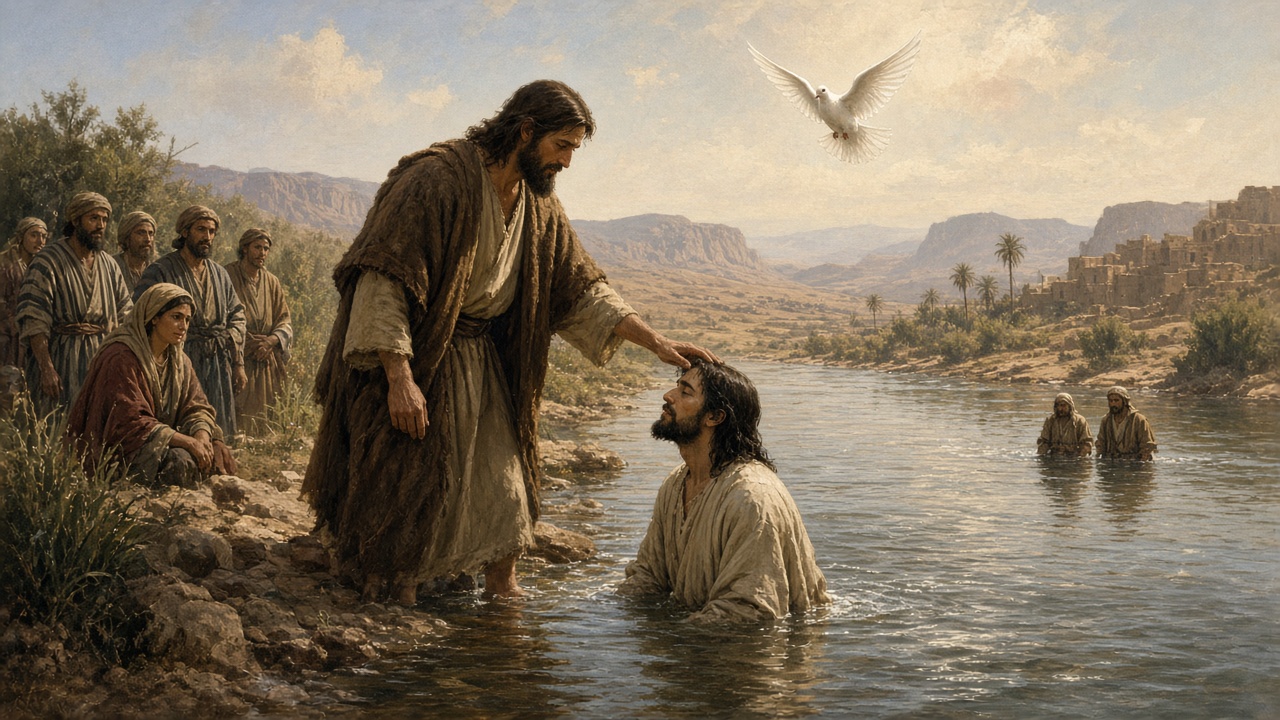
21Cuayiivi taachí Juan ngɛɛdínuūⁿniⁿ yā n'deee n'dáí 'iiⁿ'yāⁿ, chɛɛ̄dinúūⁿniⁿ ntúūⁿ yā Jesús miiⁿ. Ní taachi Jesús miiⁿ ngaⁿ'angua'á yā nánguuvi ní nánguaāⁿ. 22Ní ndaā Espíritu N'dai yeⁿ'é Ndyuūs vmnaaⁿ yeⁿ'é yā tan'dúúcā 'áámá paloma. Ní 'iiⁿ'yāⁿ s'eeⁿ ch'iindivéeⁿ yā 'áámá nduudu yeⁿ'ē va'ai ch'ɛɛti nguuvi chí ngaⁿ'ā: Díí, daiyá chi neⁿ'e taaví ní yeenú taavi cáávā dii.
'Iiⁿ'yāⁿ vmnááⁿ vmnaaⁿ yeⁿ'e ndaata yeⁿ'ē Jesús
23Jesús miiⁿ ní chií yā ndíícú ndiichi ndúuyū taachí tucá'a yā ntííⁿnyúⁿ yeⁿ'é yā. Ndaata yeⁿ'e Jesús ní 'tíícā: 'Iiⁿ'yāⁿ nadicádíínuuⁿ yā chi Jesús miiⁿ ní daiya José. José miiⁿ ní daiya Elí. 24Elí miiⁿ ní daiya Matat. Matat miiⁿ ní daiya Leví. Leví miiⁿ ní daiya Melqui. Melqui miiⁿ ní daiya Jana. Jana miiⁿ ní daiya José. 25José miiⁿ ní daiya Matatías. Matatías miiⁿ ní daiya Amós. Amós miiⁿ ní daiya Nahum. Nahum miiⁿ ní daiya Esli. Esli miiⁿ ní daiya Nagai. 26Nagai miiⁿ ní daiya Maat. Maat miiⁿ ní daiya Matatías. Matatías miiⁿ ní daiya Semei. Semei miiⁿ ní daiya José. José miiⁿ ní daiya Judá. 27Judá miiⁿ ní daiya Joana. Joana miiⁿ ní daiya Resa. Resa miiⁿ ní daiya Zorobabel. Zorobabel miiⁿ ní daiya Salatiel. Salatiel miiⁿ ní daiya Neri. 28Neri miiⁿ ní daiya Melqui. Melqui miiⁿ ní daiya Adi. Adi miiⁿ ní daiya Cosam. Cosam miiⁿ ní daiya Elmodam. Elmodam miiⁿ ní daiya Er. 29Er miiⁿ ní daiya Josué. Josué miiⁿ ní daiya Eliezar. Eliezar miiⁿ ní daiya Jorim. Jorim miiⁿ ní daiya Matat. 30Matat miiⁿ ní daiya Leví. Leví miiⁿ ní daiya Simeón. Simeón miiⁿ ní daiya Judá. Judá miiⁿ ní daiya José. José miiⁿ ní daiya Jonán. Jonán miiⁿ ní daiya Eliaquim. 31Eliaquim miiⁿ ní daiya Melea. Melea miiⁿ ní daiya Mainán. Mainán miiⁿ ní daiya Matata. Matata miiⁿ ní daiya Natán. 32Natán miiⁿ ní daiya David. David miiⁿ ní daiya Isaí. Isaí miiⁿ ní daiya Obed. Obed miiⁿ ní daiya Booz. Booz miiⁿ ní daiya Salmón. Salmón miiⁿ ní daiya Naasón. 33Naasón miiⁿ ní daiya Aminadab. Aminadab miiⁿ ní daiya Aram. Aram miiⁿ ní daiya Esrom. Esrom miiⁿ ní daiya Fares. Fares miiⁿ ní daiya Fares. Fares miiⁿ ní daiya Judá. 34Judá miiⁿ ní daiya Jacob. Jacob miiⁿ ní daiya Isaac. Isaac miiⁿ ní daiya Abraham. Abraham miiⁿ ní daiya Taré. Taré miiⁿ ní daiya Nacor. 35Nacor miiⁿ ní daiya Serug. Serug miiⁿ ní daiya Ragau. Ragau miiⁿ ní daiya Peleg. Peleg miiⁿ ní daiya Heber. Heber miiⁿ ní daiya Sala. 36Sala miiⁿ ní daiya Cainán. Cainán miiⁿ ní daiya Arfaxad. Arfaxad miiⁿ ní daiya Sem. Sem miiⁿ ní daiya Noé. Noé miiⁿ ní daiya Lamec. 37Lamec miiⁿ ní daiya Matusalén. Matusalén miiⁿ ní daiya Enoc. Enoc miiⁿ ní daiya Jared. Jared miiⁿ ní daiya Mahalaleel. Mahalaleel miiⁿ ní daiya Cainán. 38Cainán miiⁿ ní daiya Enós. Enós miiⁿ ní daiya Set. Set miiⁿ ní daiya Adán. Adán miiⁿ ní yeⁿ'e Dendyuūs.
Did you know?
John the Baptist prepares the way
- Luke sets John's preaching in the fifteenth year of Tiberius Caesar, the stepson of Augustus, who succeeded him in A.D. 14 and died in A.D. 37. Easton's Bible Dictionary (1897) notes that John began his public ministry in that year, and that Pontius Pilate, the sixth Roman procurator of Judea from A.D. 26 to 36, kept his headquarters at Caesarea during a term that covered the ministries of John and Jesus. Herod Antipas, a son of Herod, was then tetrarch of Galilee.Sources: the Bible text itself · Tiberius · Pontius Pilate · Herod Antipas
- The chapter dates these events during the high priesthood of both Annas and Caiaphas. Easton's Bible Dictionary (1897) records that Annas was high priest from A.D. 7 to 14 and was deposed by the Roman procurator, and that Caiaphas, who had married Annas's daughter, was raised to that office in A.D. 25. The same entry suggests that the Jews may still have regarded Annas as the lawful high priest, since Mosaic law held the office for life, and that he probably served with Caiaphas as president of the Sanhedrin or as the high priest's deputy.Sources: the Bible text itself · Annas
- John, son of Zechariah, was of priestly descent: his father was a priest of the course of Abia, and his mother, Elizabeth, belonged to the daughters of Aaron. Easton's Bible Dictionary (1897) notes that his mission was the subject of prophecy, including Isaiah's voice crying in the wilderness, and that his birth came six months before the birth of Jesus. In this chapter he preaches a baptism of repentance throughout the region around the Jordan, and Herod the tetrarch later imprisons him after John rebukes him over Herodias.Sources: the Bible text itself · John the Baptist
Notes written with AI assistance from open sources (Theographic Bible Metadata, CC BY-SA 4.0; Easton’s Bible Dictionary, public domain) and reviewed before publishing.
Places in this chapter
- Abilene · 33.627, 36.106 · verse 1
- Galilee · 32.760, 35.527 · verses 1, 19
- Ituraea · 33.400, 35.850 · verse 1
- Judea · Today: Judea 1 · 31.777, 35.234 · verse 1
- Trachonitis · Today: Lajat · 32.969, 36.455 · verse 1
- Jordan · Today: Jordan River · 31.761, 35.558 · verse 3
Only places identified with high confidence are shown (90% or more according to the scholarly sources compiled by OpenBible). Period map: DARE (Digital Atlas of the Roman Empire), CC BY 4.0; modern map: © OpenStreetMap contributors; places: OpenBible.info (CC BY 4.0).
Credits and license for this translation
Nduudu nʼdai yeⁿʼe Ndyuūs yeⁿʼe cuicateco yeⁿʼe Tepeuxila
New Testament in Cuicatec, Tepeuxila (MX:cux:Cuicatec, Tepeuxila)
copyright © 1974 Wycliffe Bible Translators, Inc.
Language: Cuicatec, Tepeuxila
Translation by: Wycliffe Bible Translators, Inc.
Cuicateco, Tepeuxila [cux], Mexico
Copyright Information
© 1974, Wycliffe Bible Translators, Inc.
This translation text is made available to you under the
terms of the Creative Commons License: Attribution-Noncommercial-No Derivative Works.
( http://creativecommons.org/licenses/by-nc-nd/3.0/ )
In addition, you have permission to port the text to different file formats, as long as you
do not change any of the text or punctuation of the Bible.
You may share, copy, distribute, transmit, and extract portions
or quotations from this work, provided that you include the above copyright
information:
You must give Attribution to the work.
You do not sell this work for a profit.
You do not make any derivative works that change any of the actual words or punctuation of the Scriptures.
Permissions beyond the scope of this license may be
available if you contact
us with your request.
The New Testament
in Cuicatec, Tepeuxila
© 1974, Wycliffe Bible Translators, Inc.
This translation is made available to you under the terms of the
Creative Commons Attribution-Noncommercial-No Derivatives license 4.0.
You may share and redistribute this Bible translation or extracts from it in any format, provided that:
You include the above copyright and source information.
You do not sell this work for a profit.
You do not change any of the words or punctuation of the Scriptures.
Pictures included with Scriptures and other documents on this site are licensed just for use with those Scriptures and documents.
For other uses, please contact the respective copyright owners.
2014-04-22
Source: http://ebible.org/cuxNT/ · eBible.org