Matthew 11
Kiŋwakti ki Nyɔ Miŋkaiŋ Mifiaŋ · Tap a verse to see its cross-references.
Jɔn Njulibɔkɔ faaŋ bwa bu bə mbaŋ i Jisɔs
1Jɔbi wə Jisɔs nì kaasi i təfiki bwa bu bə mbaŋ bə̀ jwɔfi ntsɔ bəfa wi ka nyə fɛiŋ kabə nyaniki tsəki i kikwili kə wə fɛiŋ lani bəni chu fuku ntum wi ndzɔŋni. 2A nì kɔ i jɔbi wiwɔ wə, Jɔn Njulibɔkɔ num i juŋ yi nsəŋ mə. Wi ka bi dza wɔkɔ kɔm gia yə Klistus nì fəki, ka faaŋ bwa bu bə mbaŋ a bɔ tsə̂, 3bîkə i wi a, akɔ a wi wə wi nì kaŋaki i bi dzə a, ma buku wɔkɔliki mi widɔkɔ chi chi a. 4Bɔ tsə ka bikə, Jisɔs chukuli i bɔ a, “Mbɛiŋ fîəni tsə̂ fûku i Jɔn gia yə mbɛiŋ wɔkɔ bəh yə mbɛiŋ yɛiŋ. 5Bimfəkə si yɛiŋ lɔ di, bəŋgbɔ nyani dza nyani chəŋ, bəni bə̀ bɔ gwɛiŋki bəh jwɛiŋ yi kumyini bɔnih, binchini wɔkɔ gia, bəni bə̀ bɔ nì kpiyi fiəni dzayi, bə chu fuku tə ntum wi ndzɔŋni wi Nyɔ i bəni bə kifuu. 6Kimbɔiŋsi kimbum kɔ i mi wə wi ka məŋni dəkə mih.”
7Bwa bə Jɔn bə mbaŋ ni dza i nyəki, Jisɔs ka yisi i dzakaki i mbaŋ wi bəni kɔm Jɔn, bikə a, “Mbɛiŋ nì buku tsə chwa i tsə yɛiŋ num nə a? Gaŋ biə fiəkə tsəki nəŋniki a? 8Asi kɔkə dəkə yakadəiŋ, mbɛiŋ bə́ buku tsə fɛiŋ kɔm nə la? Mbɛiŋ ni tsəki i yɛiŋ mi wə wi si tum bəmbuŋ bə bɔnini i gwu wə a? Mbɛiŋ wɔ̂kɔli, bəni bə̀ bɔ tumki bəmbuŋ bə bɔnini i gwu wə si shi num a bəntɔŋ wə. 9Asi kɔkə dəkə yakadəiŋ, mbɛiŋ bə́ buku tsə i yɛiŋ nə a? I tsə yɛiŋ mi wi ntum wi Nyɔ ma? Aaŋ, mih fukuki i mbɛiŋ a, akɔ mi wi tsə mi wi ntum wi Nyɔ. 10Akɔ wi wə bə nì nyaka kɔm wi Nyɔ dzaka a,
‘Wɔ̂kɔli, mih ni chiŋsi lə mi wuŋ wi ntum ma wi tsə i wɔ nshiŋ
wi kɛiŋsi dzəh ya ka wɔ bi dzəki.’
11Mih fukuki ŋkɔŋ i mbɛiŋ a, i kintəəŋ ki bəni bə̀ a bwɔ miŋkpaŋa, mi widɔkɔ kɔkə yɛiŋ wə wi kɔkniki tsə Jɔn Njulibɔkɔ. Ayakalə, mi wə wi kɔ na wi nchiŋ i kintəəŋ ki ŋkuŋ bi bɛiŋ wə wi kɔ wi kɔkni tsə Jɔn. 12I yisi i chɔkɔ biə Jɔn Njulibɔkɔ nì yisi nɔm wi i dzə buku bidaiŋ a nì kɔ bəni jwɔ ŋkuŋ bi bɛiŋ, ayaka bəni bə ŋga ka lɔkɔki bəh ŋga. 13Bəni bə ntum bə Nyɔ bəchi bəh bənchi bə Muses nì dzakaki kɔm ŋkuŋ bi bɛiŋ i dzə buku i jɔbi wi Jɔn Njulibɔkɔ wə. 14Mbɛiŋ kabə yɛiŋ a mbɛiŋ kɔlə i bum, mbɛiŋ bûm a Jɔn wələ kɔ Ɛlaja wə wi nì kaŋaki i dzə. 15Mi wə wi kaŋaki bintuni i wɔkɔ, wi wɔ̂kɔ.”
16Jisɔs dza bə́ kaiŋyi a, “Mih kɔ i fəkəni ŋgɔkɔ wi liə wələ bəh finə a? Bɔ kɔ ka bwa bənchiŋ bə̀ bɔ numyi i bi di bishi wə, bədɔkɔ bɔɔŋ bədɔkɔ bikəyi a, 17‘Buku tɔŋ sɔŋ mbɛiŋ na biŋ a? Nya júm yi kpi mbɛiŋ bum kə a?’ 18Mih dzakaki lə kɔm Jɔn nì dzə dzi kə na mu kə, mbɛiŋ ka dzakaki a wi kaŋaki lə chinda wi ŋkpɛli i gwu yi mə. 19Mi wə yɛli wi kɔ Waiŋmi dzə, wi dzi chu mu, mbɛiŋ dzaka a bə yɛ̂iŋ, si wi məyiki nnyaki dzɛiŋ bəh mbih mɔ kwa wi, chu num nsɛiŋ yiləkəli bəh bəni bə̀ bɔ kwaki kiŋwakti bəh bəni bəchu bədɔkɔ. Mbɛiŋ kîə a mfi si chusi gwu num i fiɛŋ fiə bi nɔmki.”
Jisɔs ka shaaŋki nɔni bikwili bimbum bidɔkɔ
20Jisɔs ka dza yisi i shaaŋki nɔni bikwili bimbum bidɔkɔ biə wi nì kɔmsiki fəki nnyaki gia yi dzaka kiwɔmni yiduli fɛiŋ, na si wi ni fə yakadəiŋ, bəni bəwɔ fɛiŋ nì ka kwuni i nɔni kibɔ wə. 21Wi nì shaaŋki yakadəiŋ dzakayi a, “Ŋgəkə wimbum kɔ wimbɛiŋ bəni bə Kɔlasen, ŋgəkə wimbum kɔ tə wimbɛiŋ bəni bə Besayda. Mbɛiŋ kîə a, gia yi dzaka ki wɔmni yə mih nì dzə fə i kidi kimbɛiŋ wə, a nì kɔ a mih fə yi i Taya bəh Sidɔn, ma bɔ nì fiəni i chu bibɔ wə ka lɔh bəmbuŋ bə kpi, fukuh kibwuŋ i gwu wə jiakɔbi i kɔmsi chusi a bɔ kwuni lɔ shɔ́m yibɔ. 22Mih fukuki i mbɛiŋ a, a bi numki i chɔkɔ bi nsaka wi gɔksini wə, gia bi bɔniki lə i bəni bə Taya bəh bə Sidɔn tsə yimbɛiŋ. 23Ayaka mbɛiŋ bəni bə Kafanaum, mbɛiŋ kwakaki a, akɔ mbɛiŋ bə̀ bə bi yaksiki i bɛiŋ a? Aayi! Bə bi shisi mbɛiŋ shisini i tumi ki bəni bə kpili wə. Mbɛiŋ kiə a, a nì kɔ a gia yi dzaka kiwɔmni yə mih nì fə i mbɛiŋ, a nì kɔ a yi num i Sɔdɔm, ma kwili wiwɔ kɛiŋki lə fɛiŋ i dzə buku bidaiŋ. 24Mih fukuki i mbɛiŋ a, a bi numki i chɔkɔ bi nsaka wi gɔksini wə gia bi bɔniki lə i bəni bə Sɔdɔm tsə yimbɛiŋ.”
Kimbuŋ ki Jisɔs yaŋsiki alə
25I jɔbi wiwɔ wə, Jisɔs dza dzaka a, “Mih nyaki kiyɔŋni i wɔ Ba wuŋ Ŋkuŋ wi bɔɔli bəh nshwaiŋ kɔm wɔ nyumi gia yələ i bəmfi bəh bəŋkiəgia, chusi yi num i bəni bə kilɔlɔ bəh i bwa bənchiŋ. 26Yi num yakadəiŋ Ba wuŋ, kɔm akɔ ayaka si wɔ nì kɔŋki a yi numki.
27Ba wuŋ kɔ num wi nya lɔ biɛiŋ bichi i mih. Mi widɔkɔ kɔkə wə wi kiəki Waiŋ Nyɔ a kɔbi a Ba wi. Ayaka mi widɔkɔ num kə wə wi kiəki Ba wuŋ a kɔbi a Waiŋ bəh bəni bə̀ Waiŋ wi kɔ wi sabibwili i chusi Ba wi i bɔ.
28Mbɛiŋ bəchi bə̀ mbɛiŋ kɔ bəh biluŋ bi jii gaka mbɛiŋ, mbɛiŋ dzə̂ i mih, ma mih fə mbɛiŋ waka. 29Mbɛiŋ dzɔ̂ tûŋ num kimbuŋ kəŋŋ, ma mbɛiŋ bîəliki nlani wuŋ, kɔm mih kɔ mfiŋ mi wi mbɔnini, kaŋa shɔm yi wakani, ka mbɛiŋ dzə kwati ŋ'waka i shɔ́m yimbɛiŋ wə. 30Kimbuŋ kəŋŋ kɔkə i gaka mbɛiŋ i tuŋ, ayaka biluŋ biŋ jii kə.”
Did you know?
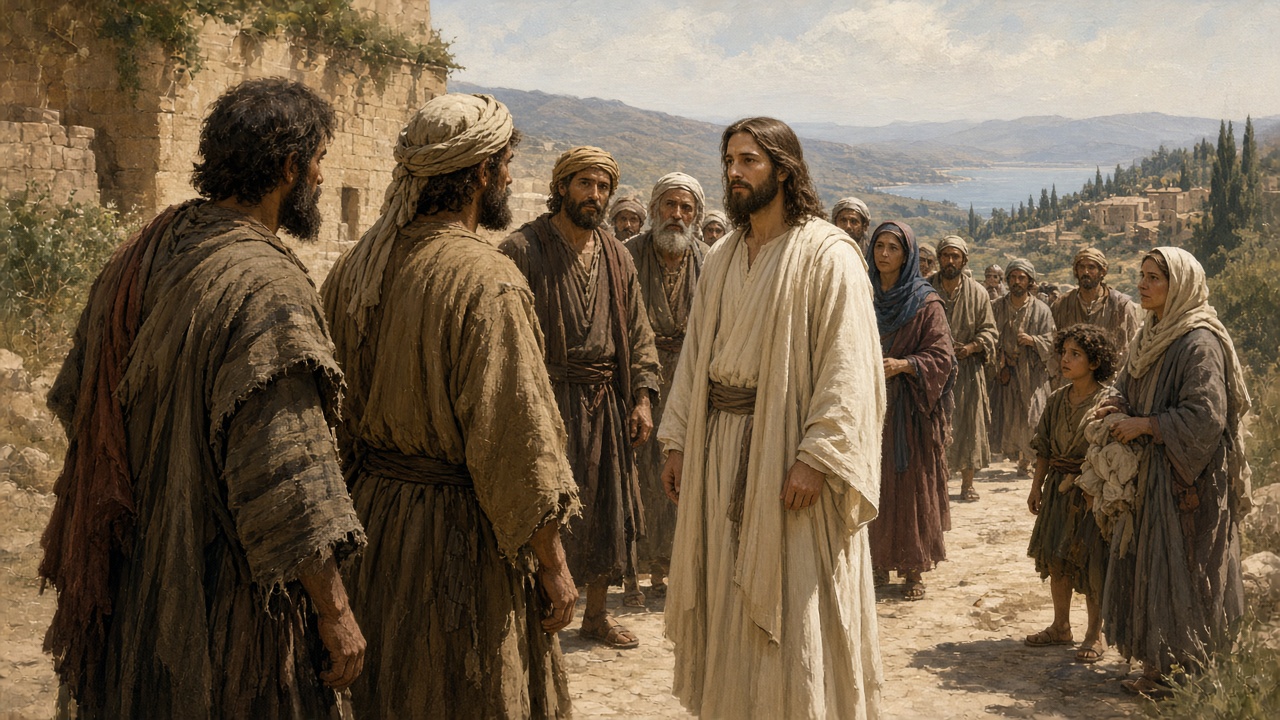
John's question and the cities that did not repent
- From prison, John sent his disciples to ask whether Jesus was the one who was to come. Jesus told the crowds that John was more than a prophet—the messenger sent ahead to prepare the way—and, if they were willing to accept it, the Elijah who was to come. A Bible dictionary calls John the forerunner and says his mission was already the subject of prophecy, citing Isaiah 40:3 and Malachi 3:1; it also introduces Elijah as the Elias of the New Testament.Sources: the Bible text itself · John the Baptist · Elijah
- Jesus then denounced Chorazin, Bethsaida, and Capernaum, where most of his miracles had been performed, because they did not repent. A dictionary identifies Chorazin with modern Kerazeh, about two and a half miles up the Wady Kerazeh from Capernaum, and says that Capernaum, absent from the Old Testament, became Jesus' own city after he left Nazareth. It places Bethsaida on the east side of the lake, two miles up the Jordan in Gaulonitis, enlarged by Philip the tetrarch and named Julias after the emperor's daughter, though some have supposed there was only one Bethsaida, near where the Jordan enters the lake.Sources: the Bible text itself · Chorazin · Capernaum · Bethsaida
- He set those cities against Tyre and Sidon, which he said would have repented long ago in sackcloth and ashes, and against Sodom, which he said would have remained to this day. Sidon, on the Mediterranean coast about twenty-five miles north of Tyre, was the oldest Phoenician city there and the mother city of Tyre. A dictionary says the commerce of the whole world was gathered into Tyre's warehouses, and that Sodom, in the vale of Siddim, was destroyed by fire from heaven so completely that no trace of it has been found.Sources: the Bible text itself · Sidon · Tyre · Sodom
Notes written with AI assistance from open sources (Theographic Bible Metadata, CC BY-SA 4.0; Easton’s Bible Dictionary, public domain) and reviewed before publishing.
Places in this chapter
- Galilee · 32.760, 35.527 · verse 1
- Sidon · Today: Sandikli archaeological site in Sidon · 33.561, 35.372 · verses 21, 22
- Tyre · 33.271, 35.196 · verses 21, 22
Only places identified with high confidence are shown (90% or more according to the scholarly sources compiled by OpenBible). Period map: DARE (Digital Atlas of the Roman Empire), CC BY 4.0; modern map: © OpenStreetMap contributors; places: OpenBible.info (CC BY 4.0).
Credits and license for this translation
Kiŋwakti ki Nyɔ Miŋkaiŋ Mifiaŋ
Chungmboko: Kiŋwakti ki Nyɔ Miŋkaiŋ Mifiaŋ (New Testament+) for Cameroon
copyright © 2021 Wycliffe Bible Translators, Inc.
Language: Chung (Cung)
Contributor: Wycliffe Bible Translators, Inc.
This translation is made available to you under the terms of the
Creative Commons Attribution Share-Alike license 4.0.
You have permission to share and redistribute this Bible translation in any format and to make reasonable revisions and adaptations of this translation, provided that:
You include the above copyright and source information.
If you make any changes to the text, you must indicate that you did so in a way that makes it clear that the original licensor is not necessarily endorsing your changes.
If you redistribute this text, you must distribute your contributions under the same license as the original.
Pictures included with Scriptures and other documents on this site are licensed just for use with those Scriptures and documents.
For other uses, please contact the respective copyright owners.
Note that in addition to the rules above, revising and adapting God's Word involves a great responsibility to be true to God's Word. See Revelation 22:18-19.
2025-05-01
Source: http://ebible.org/cug/ · eBible.org