Luke 16
Kiŋwakti ki Nyɔ Miŋkaiŋ Mifiaŋ · Tap a verse to see its cross-references.
Waiŋ wi nɔm wi kimfikili
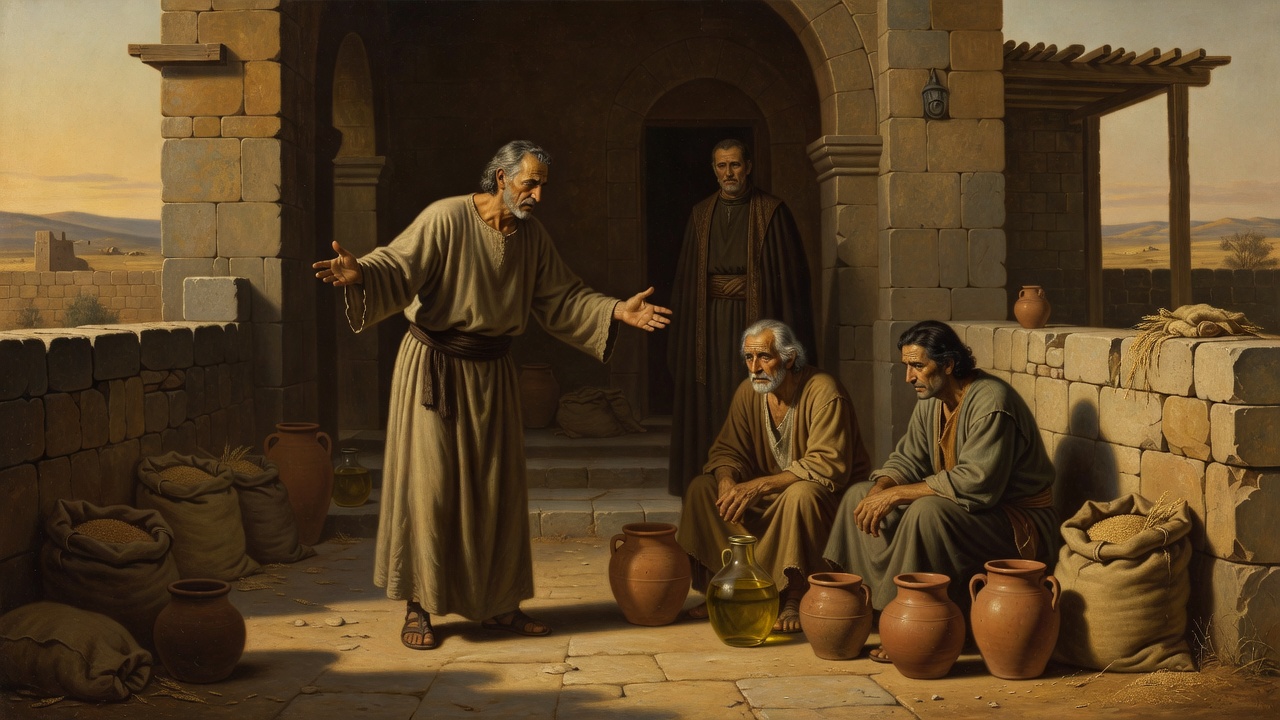
1Jisɔs chu dzaka i bwa bu bə mbaŋ a, “Mi wi kpɔ widɔkɔ nì kaŋaki lə waiŋ wi wi nɔm, wi nì jiə a wi tsɛ̂iŋki mbum bi. Wi ka dza wɔkɔ a, waiŋ wi wi nɔm wə bəkəliki lə kpɔ wi. 2Wi ka bɔɔŋ waiŋ wi nɔm wiwɔ, bikə i wi a, ‘Yələ kɔ yinaiŋ gia mih wɔkɔki kɔm wɔ lə a? Bâkti biŋwakti bichi biə wɔ nyakaki kpɔ wuŋ yɛiŋ, wɔ dzə̂ fîəni nyâ i mih. Kɔm wɔ ni chu nɔmki kə i mih.’ 3Waiŋ wi nɔm wiwɔ tsə num kwaka a, ‘Si tikwili wuŋ kɔŋŋki mih i nɔm wə, mih ni fə dəiŋ a? Si mih kɔ mih kaŋa kə ŋga i nɔmki bəh dzəkə, mih chu ŋgəmni i nywaki.’ 4Wi ka fiəni kwaka a, ‘Mih kiə lɔ gia yə mih ni fə̂, i jɔbi wə wi kɔŋŋ mih i nɔm wə, mih kaŋaki lə nsɛ́iŋ yə yi kɔ i dzɔ mih i bɔ dzu.’ 5Ayakadəiŋ, wi ka bɔɔŋ bəni bə̀ bɔ ni kaŋaki fwa yi tikwili wi wimu wimu, wi ninshiŋ dzə wi bikə i wi a, ‘Wɔ gɔmki tikwili wuŋ dəiŋ?’ 6Wi chukuli a, ‘Akɔ bibeli bimiə bimbum gbi.’ Ayaka wi dzaka a, ‘Kɔ̂ kiŋwakti ki fwa kələ nûm kuku wakli, kwûni nyâka a mbaŋshi.’ 7Wi fiəni bikə i widɔkɔ a, ‘Wɔ gɔmki ŋ'wa dəiŋ na?’ Wi chukuli a, ‘Akɔ biba bigəŋ gbi.’ Ayaka wi dzaka a, ‘Kɔ̂ kiŋwakti ki fwa kələ kwûni nyâka a biba mbaŋnyani.’ 8Tikwili wi waiŋ wi nɔm wələ nì yɛiŋ si wi finiki bəh wi yaka, ka kɔksi wi a wi ni fifi lə.” Jisɔs ka kaasi a, “Bəni bə fa kuku fifiki i gia yə bɔ fəki tsə si bəni bə baiŋni fifiki i gia yibɔ yi baiŋni wə.
9Ayakadəiŋ, mih fukuki i mbɛiŋ a, mbɛiŋ dzɔ̂ki mbum bimbɛiŋ bi fa kuku, i kwaki nsɛ́iŋ yɛiŋ, ka jɔbi wə bi bi kaa, Nyɔ bi ka dzɔ mbɛiŋ i wi dzu i di biə mbɛiŋ bi numki jɔbi wichi. 10Mi wə wi kiəki kə i tɔkni bəh fiɛŋ finchiŋ, wi kɔkə i tɔkni tə bəh fiɛŋ fimbum. Ayaka mi wə wi fəki kimfikili i gia yi nchiŋ wə, wi kɔlə i fəki tə kimfikili i yimbum wə. 11Si mbɛiŋ kɔkə tɔkni bəmbum bi fa kuku, a ni nya ndə mbɛiŋ mbum bi ŋkɔŋ a? 12Mbɛiŋ kabə kiəki kə i tɔkniki bəh biɛiŋ bi bəni bədɔkɔ, ma ndə ni nya mbɛiŋ bəh fiə fi kɔ fimbɛiŋ a?
13Waiŋ wi nɔm kɔkə i nɔ̂mki i bətikwili bəfa. Yi kabə num yakadəiŋ, ma wi ni baiŋŋki widɔkɔ wi kɔŋ widɔkɔ, yudɔkɔ, wi ni wɔkɔki i widɔkɔ nalə wi sɛiŋni widɔkɔ. Mbɛiŋ kɔkə nɔmki i Nyɔ chu nɔm i kpɔ.”
14Si Jisɔs dzaka yaka, Bəfalasi wɔkɔ gia yichi, ka yisi i suŋuki wi, kɔm bɔ nì kɔŋki kpɔ nalə. 15Jisɔs ka dzaka i bɔ a, “Akɔ mbɛiŋ bələ bə̀ mbɛiŋ chusiki gwu a mbɛiŋ kɔ bəni bə ndzɔŋni i bəni nshiŋ, ayakalə Nyɔ kiə gia yichi yə yi kɔ i shɔ́m yimbɛiŋ wə. Mbɛiŋ kiəki a gia yə bəni kɔksiki a, akɔ gia, akɔ yə Nyɔ tsɛiŋki yi nyɛŋ i wi.”
Bənchi bə ŋkuŋ bi Nyɔ
16Jisɔs chu dzaka a, “A nì kɔ i kikpu wə, bə nì laniki num bənchi bə Muses bəh gia yə bəni bə ntum bə Nyɔ nì nyakaki. Ayakalə, i yisi si Jɔn nì dzə, bə ka fuku num ntum wi ndzɔŋni kɔm ŋkuŋ bi Nyɔ. Mi wichi ka jwɔki i liə kintəəŋ ki ŋkuŋ bi Nyɔ wə. 17Yi bɔniki alə i bɔɔli bəh nshwaiŋ i dza nyə, yi bɔniki kə i fidzəkəni fi Kiŋwakti ki Bənchi i bi laka kilɔlɔ.
18Yi kɔ a, mi ka bee kpə wi, dzɔ widɔkɔ, ka nɔki bəh wi, yaka wi fə chu. Mi ka dzɔ miŋkpaŋa wə wi buku i mi widɔkɔ dzu, yəmaka numki a wi dzɔ kpə mi.”
Lasalus bəh mi wimbum
19Jisɔs ka dza chu dzaka a, “Mi wimbum widɔkɔ nì kɔlə, wi lafi gwu bəh bəmbuŋ bə kpɔ wi ləkəli bɔ ndzɔŋ nalə, dzi kidəəŋ ki chɔkɔ bichi. 20Mi wi kifuu widɔkɔ num fɛiŋ, yɛli wi num Lasalus. Wi num biəkə kwa gwu yi yichi. Bə nì dzəki jiəki wi i shiki i dzaka ki mbaiŋ ki mi wimbum wə mə, 21wi wɔkɔli a yuwidɔkɔ jɔbi wə wi ni dziki, biɛiŋ biə bi ni bɛsiki ma ŋgaiŋ ni bɔŋyiki dziki. Si wi nì nɔki fɛiŋ yakadəiŋ, bíə dzə chu mɛni kaasi lɔ biəkə yi. 22Aka numki i jɔbi widɔkɔ wə, mi wi kifuu wə kpi, bəchinda bə Nyɔ dzə giŋ wi, ka tsə jiə i di bindzɔŋni wə i kɔmsi i Ablaham wə. Ayaka mi wi kpɔ wə ni kpi tə bə ləə wi. 23Wi tsə num i tumi ki bəni bə kpili wə, wi ka numki fɛiŋ i ŋgəkə wimbum wə. Wi dza lɔɔ dzəkəh, yɛiŋ Ablaham nanu bəh Lasalus, i wi kpəŋ. 24Wi bɔɔŋ tsə a, ‘Ba Ablaham, kwâsi nshɛiŋ i mih, wɔ fâaŋ dzə̂ Lasalus, wi ləkə waiŋkpaŋ wi i mwi mə i dzə̂ də̂si kindɔŋ kəŋŋ yɛiŋ. Mih kɔ i nshili wimbum wə fa i gbuku wələ mə.’ 25Ablaham chukuli mfih a, ‘Waiŋ wuŋ, kwaka jɔbi wə wɔ nì kɛiŋki i mbi. Wɔ nì kaŋaki lə biɛiŋ bindzɔŋni bichi i jɔbi wiwɔ, Lasalus nì yɛiŋki mfih num ŋgəkə. I liə akɔ Lasalus wə, wi kɔ i ndzɔŋni mə, wɔ num i nshili wə. 26A kɔkə shəŋ a yələ. Kîə a fəŋ kimbum kɔ num bə kɛiŋsi jiə, kə mi kɔkə i dza fa i daŋsi dzə i wɔ wə fɔkɔ, yi kɔbi tə i mi i dza fɔkɔ i daŋsi dzə fa i buku wə.’ 27Mi wimbum wə chu tsa a, ‘Mintee Ba, fâaŋ Lasalus i kwili wibuku wə. 28Mih kaŋaki bwa bə nih bəŋ bəte, a wi tsə kîŋ i bɔ ka bɔ bi ma dzə̂ tə i di bi ŋgəkə biələ wə.’ 29Ablaham chukuli mfih a, ‘Bwa bə nah kaŋaki lə biŋwakti bi Muses, bəh biə bəni bə ntum bə Nyɔ nì nyaka, bɔ wɔ̂kɔli gia yə bi dzakaki.’ 30Mi wi kpɔ wə nəiŋ dzaka a, ‘Aayi Ba Ablaham, yi kɔ a mi widɔkɔ dza i kpi wə, wi tsə fuku i bɔ ka bɔ wɔkɔ, ma bɔ kwuni shɔ́m yibɔ.’ 31Ablaham chukuli i wi a, ‘Bɔ ka nəiŋ i wɔkɔ gia yə biŋwakti bi Muses bəh bəni bə ntum bə Nyɔ dzakaki, bɔ kɔkə i wɔkɔ tə na yə mi wə wi dza i kpi wə dzakaki.’”
Did you know?
Wealth, two masters, and Lazarus
- In Jesus' words about the rich man and Lazarus, the rich man cries out, 'Father Abraham,' and Abraham answers, 'Child.' Easton's Bible Dictionary (1897) explains the name Abraham as 'Father of a multitude' and describes him as the heir of the promises.Sources: the Bible text itself · Abraham
- Speaking to Pharisees who were scoffing at him, Jesus says that the Law and the Prophets were proclaimed until John, and that since then the gospel of the kingdom of God is being preached. Easton's Bible Dictionary (1897) calls John the Baptist the 'forerunner of our Lord,' says that his mission was the subject of prophecy, including Isaiah 40:3 and Malachi 3:1, and states that his birth took place six months before that of Jesus.Sources: the Bible text itself · John the Baptist
- A manager accused of wasting his master's possessions is told to turn in an account and give up his position. He has the debtors rewrite their bills, reducing a hundred measures of olive oil to fifty and a hundred measures of wheat to eighty, and the master commends the dishonest manager because he had acted shrewdly. Jesus then says that no servant can serve two masters, and that no one can serve both God and money.Sources: the Bible text itself
Notes written with AI assistance from open sources (Theographic Bible Metadata, CC BY-SA 4.0; Easton’s Bible Dictionary, public domain) and reviewed before publishing.
Credits and license for this translation
Kiŋwakti ki Nyɔ Miŋkaiŋ Mifiaŋ
Chungmboko: Kiŋwakti ki Nyɔ Miŋkaiŋ Mifiaŋ (New Testament+) for Cameroon
copyright © 2021 Wycliffe Bible Translators, Inc.
Language: Chung (Cung)
Contributor: Wycliffe Bible Translators, Inc.
This translation is made available to you under the terms of the
Creative Commons Attribution Share-Alike license 4.0.
You have permission to share and redistribute this Bible translation in any format and to make reasonable revisions and adaptations of this translation, provided that:
You include the above copyright and source information.
If you make any changes to the text, you must indicate that you did so in a way that makes it clear that the original licensor is not necessarily endorsing your changes.
If you redistribute this text, you must distribute your contributions under the same license as the original.
Pictures included with Scriptures and other documents on this site are licensed just for use with those Scriptures and documents.
For other uses, please contact the respective copyright owners.
Note that in addition to the rules above, revising and adapting God's Word involves a great responsibility to be true to God's Word. See Revelation 22:18-19.
2025-05-01
Source: http://ebible.org/cug/ · eBible.org