Acts 24
Kiŋwakti ki Nyɔ Miŋkaiŋ Mifiaŋ · Tap a verse to see its cross-references.
Bɔ jiə nsaka wi Bɔɔl i Fɛlek nshiŋ
1Si kaŋ dzə buku yite, Ananias fwu wi bətii mfə gia wə, bəh bəni bədɔkɔ bə̀ bɔ nì sakaki tumi, bəh Tɛtulus wə wi nì kɔ wi kɛiŋsi lani nchi, shi tsə i Kaysalia. Bɔ ka tsə yɛiŋ Fɛlek mi wi nsaka, jiə nsaka wibɔ kɔm Bɔɔl i wi nshiŋ. 2Bɔ ka bɔɔŋ Bɔɔl, Tɛtulus ka yisi i jiəki gia i wi wə, dzaka i Fɛlek a, “Mi wimbum, kimbɔiŋni kɔlə i tumi kələ wə i dzə buku i liə, a num kɔm nsaka wa wi ndzɔŋni, bəŋkwuni bəh ndzɔŋni kɔ fa bəduli i tumi kələ wə num kaŋ ya. 3Bəni bəchi wɔkɔki lə ndzɔŋni bimbum chu dzɔ nsaka wa i di bichi jɔbi wichi. 4Mih nəŋki kə i dzɔ jɔbi wa wichi, mih tsaki wɔ, a wɔ wɔ̂kɔli a twɛsi, wɔ wɔ̂kɔ gia yə buku ki dzakaki. 5Buku kɔ buku yɛiŋ a mi wələ kɔ mi wi gia. Wi nyaniki nəŋniki ndani i kintəəŋ ki Bəju wə i kifwu ki nshwaiŋ wə kichi. Ayaka a chu num wi tikwili wi mbaŋ wə bə bɔɔŋki a wi Nasali. 6Wi nì nəŋki i bəkəli tə juŋ yi fəni yi gia, buku kwa wi. 8Wɔ ka bikəyi gia i mi wələ, wɔ ni wɔkɔ i wi gia yichi yə buku dzaka kɔm wi.” 9Si Tɛtulus dzaka yakadəiŋ, Bəju tɔbi, kɔksi a gia yələ yichi kɔ ŋkɔŋ.
Bɔɔl kɔmyi dzaka i Fɛlek nshiŋ
10Mi wi nsaka wiwɔ fəkəni i Bɔɔl a wi dzaka. Wi ka dzaka a, “Mih kiəki a wɔ kɔ wɔ saka lɔ bənsaka i tumi kələ wə i jía yiduli wə. Mih kɔ bəh kinsaŋli i num i wɔ nshiŋ i kɔmyi dzaka kəŋŋ. 11Wɔ ka dza ka bikəyiki, wɔ ni wɔkɔ a kaŋ ka tsə dəkə jwɔfi ntsɔ yifa si mih nì yaka i Jɛlusalɛm i tsə tsa Nyɔ. 12Bəju nì ka yɛiŋ, mih gukuli bəŋgukuli buku mi, bɔ nì ka yɛiŋ mih, mih nyini bəni i juŋ yi fəni gia wə nabə i juŋ yi tsani wə, nabə i di bidɔkɔ wə i kwili wə. 13Bɔ kaŋaki kə na gia yə yi chusiki a mih nì fə gia yələ yə bɔ jiəki i mih wə. 14Mih bum yələ i wɔ nshiŋ, a mih tsaki Nyɔ wi bətii bəbuku biəli Dzəh yə bɔ bɔɔŋki a yi kɔ yichu. Ayaka mih bumki num gia yichi yə yi kɔ i Kiŋwakti ki Bənchi bə Muses wə bəh yə yi kɔ i Biŋwakti bi bəni bə ntum bə Nyɔ wə. 15Mih tsɛiŋki tsəki a ninshiŋ i Nyɔ, a liŋ asi bəni bələ tə tsɛiŋki, a bəni bə ndzɔŋni bəh bəchu bəchi bi dza lə i kpi wə. 16Ayakadəiŋ, mih mɔmsiki nalə i jɔbi wichi wə i nɔki nɔni ki chəŋ i Nyɔ nshiŋ bəh bəni, ka gia ma numki yə yi sakaki mih i shɔm yiŋ mə.
17Akɔ jía yiduli si mih nì buku i Jɛlusalɛm, mih ka fiəni tsə fɛiŋ i nya kpɔ i bəni mbəŋ bə kwili, bəh i fə gia. 18Akɔ gia yələ bɔ nì yɛiŋ mih i juŋ yi fəni yi gia mə si mih fəki, num mih wɔkɔ shi mbiŋ. Bəni nì mɔŋ fɛiŋ nabə dzaka ki kɔmni. 19A nì kɔ shəŋ a Bəju bədɔkɔ bə Ɛsia si bɔ nì kɔ fɛiŋ, ayaka bɔ si kaŋaki i numki fa i dzaka i wɔ gia yə bɔ kaŋaki kɔm mih, jɔbi wə gia yidɔkɔ kɔ. 20A kɔbi yakadəiŋ, ma bəni bələ ni fuku gia yə bɔ ni yɛiŋ a mih gbɔ jɔbi wə mih nì numbɛiŋ i bəni bə̀ bɔ sakaki tumi nshiŋ, 21a kɔbi a gia yə mih ni də bwili bəh ja yiləkəli i bɔ a, mih kɔ i bɔ nshiŋ jɔbi wələ lə i nsaka wə kɔm mih ni bum a bəŋkwu bi dza lə i kpi wə.”
22Si Bɔɔl dzaka yakadəiŋ, Fɛlek wɔkɔli lə, a nì kɔ mi wi tɔksi kiə kɔm Dzəh yi Bah, wi ka jiə nsaka dzaka a, “Jɔbi wə Lisias wə tikwili wi fwu wi bəni bə jum, ni shi dzə, ka mih ni təiŋ nsaka wimbɛiŋ.” 23Wi ka dzaka a fwu wi mbaŋ wi bəni bə jum dzɔ̂ Bɔɔl wi tsə̂ jîə i dzu, wi chəniki wi. Ayakalə, a bɔ nyâ wi bəh dzəh, ka nsɛ́iŋ yi dzə̂ki gâmtiki wi.
Fɛlek jiə nsaka wi Bɔɔl i jía yifa wə
24Kaŋ yidɔkɔ tsə, Fɛlek bəh Dusila kpə wi wə wi nì kɔ mi wi Ju bɔ dzə. Fɛlek tsə bɔɔŋ Bɔɔl a wi dzə, wi ka wɔkɔliki gia yə Bɔɔl dzakaki kɔm njiə wi shɔm i Klistus Jisɔs wə. 25Si wi dzaka kɔm si mi kɔ numki mi wi chəŋ bəh si mi kɔ i tɔkniki bəh gwu yi bəh si Nyɔ bi saka bəni, Fɛlek wɔkɔ yaka lə ka lwa. Ayaka wi ka dzaka i Bɔɔl a, “Wɔ kɔlə tsəki i liə, jɔbi wə mih ni kaŋa jɔbi mih ni fiəni bɔɔŋ wɔ.” 26Wi ni dzaka yakadəiŋ, kaŋa kiŋkwaka a jɔbi widɔkɔ Bɔɔl ni taŋyi lə ŋgaiŋ. Ayaka wi shi a bɔɔŋki Bɔɔl a fɛiŋ fɛiŋ a bɔ wi təkəki biɛiŋ bi təkəni. 27Ayaka, yaka, jía yifa tsə. Bə bi ka jiə Bɔlsius Fɛstus i kimgbɔkɔ ki Fɛlek wə, Fɛlek ka nəŋki a ŋgaiŋ fə Bəju kɔŋki ŋgaiŋ, wi ka bee Bɔɔl i juŋ yi nsəŋ mə.
Did you know?
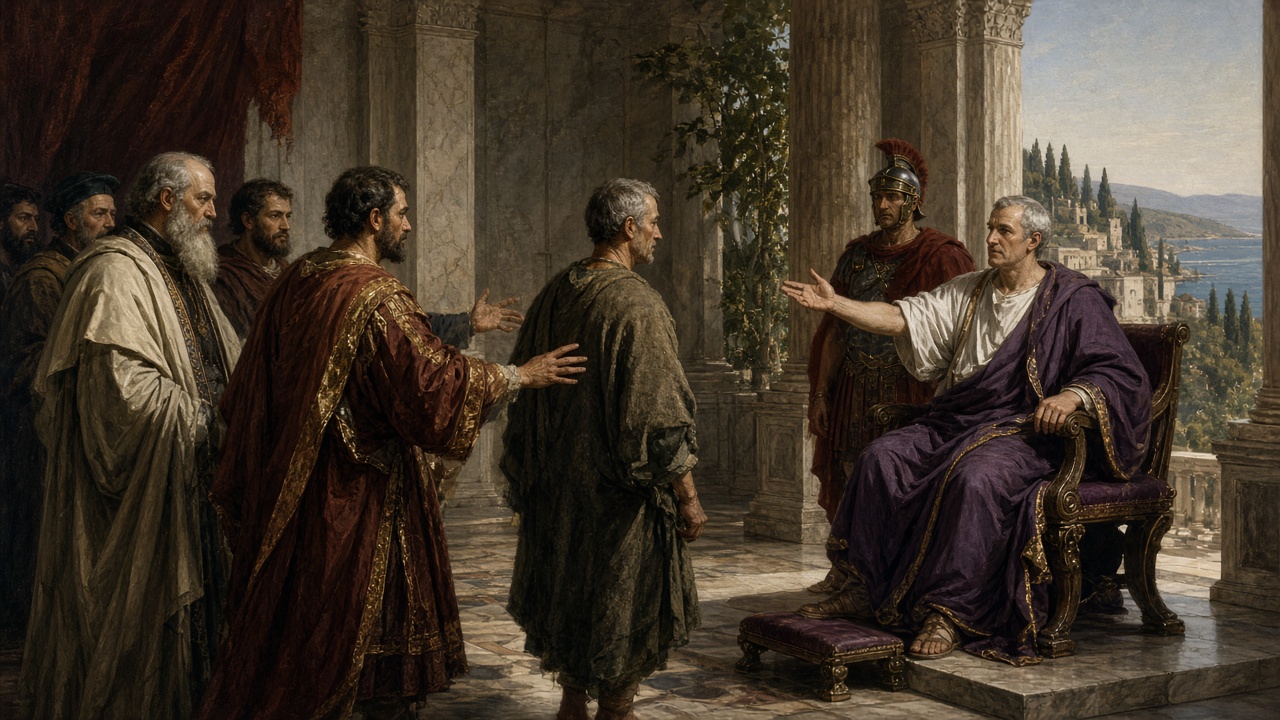
Paul before Felix
- The high priest Ananias came down with some elders and a lawyer named Tertullus, whom Easton's Bible Dictionary describes as a Roman advocate employed by the Jews to state their case against Paul before Felix. Tertullus praised the governor and then called Paul a pestilence who stirred up dissension among the Jews all over the world, a ringleader of the sect of the Nazarenes, and a man who had tried to desecrate the temple. The dictionary links that opening praise with Felix's clearing the country of bandits and impostors.Sources: the Bible text itself · Tertullus · Felix
- Felix, who was well informed about the Way, adjourned the hearing and kept Paul under guard, while allowing him some freedom and letting friends meet his needs. The account says he hoped Paul would offer a bribe and so sent for him often; Easton's Bible Dictionary likewise says he appears to have expected a bribe and therefore held several interviews with him. After two years Porcius Festus succeeded him—Easton's Bible Dictionary (1897) dates that appointment to A.D. 60—and, wishing to do the Jews a favor, Felix left Paul in prison.Sources: the Bible text itself · Felix · Portius Festus
- Several days later Felix returned with his wife Drusilla, who was Jewish, and listened as Paul spoke about faith in Christ Jesus and about righteousness, self-control, and the coming judgment; Felix became frightened and sent him away. Easton's Bible Dictionary (1897) identifies Drusilla as the third and youngest daughter of Herod Agrippa I and says Felix induced her to leave her husband, Azizus, king of Emesa. The same entry says that she and her son perished in the eruption of Mount Vesuvius in A.D. 79.Sources: the Bible text itself · Drusilla
Notes written with AI assistance from open sources (Theographic Bible Metadata, CC BY-SA 4.0; Easton’s Bible Dictionary, public domain) and reviewed before publishing.
Places in this chapter
- Caesarea · Today: Caesarea Maritima · 32.500, 34.892 · verse 1
- Jerusalem · 31.777, 35.234 · verses 11, 17
- Asia · 38.400, 28.300 · verse 18
Only places identified with high confidence are shown (90% or more according to the scholarly sources compiled by OpenBible). Period map: DARE (Digital Atlas of the Roman Empire), CC BY 4.0; modern map: © OpenStreetMap contributors; places: OpenBible.info (CC BY 4.0).
Credits and license for this translation
Kiŋwakti ki Nyɔ Miŋkaiŋ Mifiaŋ
Chungmboko: Kiŋwakti ki Nyɔ Miŋkaiŋ Mifiaŋ (New Testament+) for Cameroon
copyright © 2021 Wycliffe Bible Translators, Inc.
Language: Chung (Cung)
Contributor: Wycliffe Bible Translators, Inc.
This translation is made available to you under the terms of the
Creative Commons Attribution Share-Alike license 4.0.
You have permission to share and redistribute this Bible translation in any format and to make reasonable revisions and adaptations of this translation, provided that:
You include the above copyright and source information.
If you make any changes to the text, you must indicate that you did so in a way that makes it clear that the original licensor is not necessarily endorsing your changes.
If you redistribute this text, you must distribute your contributions under the same license as the original.
Pictures included with Scriptures and other documents on this site are licensed just for use with those Scriptures and documents.
For other uses, please contact the respective copyright owners.
Note that in addition to the rules above, revising and adapting God's Word involves a great responsibility to be true to God's Word. See Revelation 22:18-19.
2025-05-01
Source: http://ebible.org/cug/ · eBible.org