Revelation 7
Majepacʉ jʉ̃menijicʉi yávaiye mamaene coyʉitucubo · Tap a verse to see its cross-references.
Juan ʉ̃i coyʉino ina ciento cuarenta y cuatro mil paivʉ Israecavʉrã
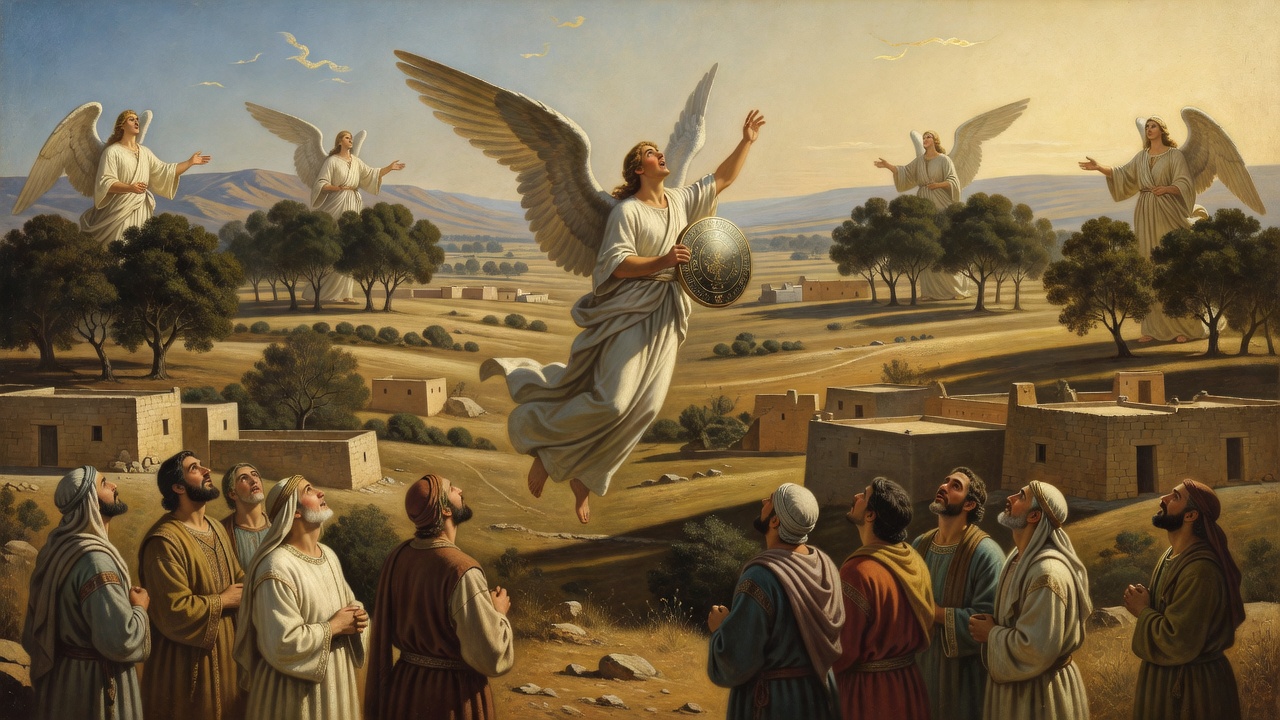
1No yóboi, jã́cacʉ yóvaicʉvaivʉ ángelevare núrivʉre maje cʉrijoborõ tʉrʉvai yóvaicʉvaitʉrʉva yebai na coapa. Japuicõjemeteima náre coapa iye yóvaicʉvaiye ũmevʉare ijãravʉquede. Que teni japuicõjemeteima joborõre copʉ, jia ʉrad̶are copʉ, aru apecʉ jocʉcʉre copʉ máre. 2Aru jã́cacʉ apecʉ ángelede mʉri dayʉre aviá dainocapũravʉre jocarĩ. Cʉvateame ʉ̃i pʉrʉi ñai Jʉ̃menijicʉ apʉcʉ ʉ̃i jã́d̶ovare d̶ainore ʉ̃ jinare. Ñai ángele cod̶oboboame, majicacʉyʉ apevʉ yóvaicʉvaivʉ ángelevare, ina Jʉ̃menijicʉi parʉéde jímara mácavʉre, ne ãmed̶are d̶arãjiyepe ayʉ joborõre aru jia ʉrad̶are máre. 3Yópe arĩ, cod̶oboboame:
—Ãmed̶abejarã cãreja yo joborõre, jia ʉrad̶are, aru jocʉcʉare máre. Yéde ãmed̶abejarã pʉ ñʉje jã́d̶ovaiye baquiyéta ina maje jabocʉ Jʉ̃menijicʉre memecaivʉre ne tʉ̃tʉvarã náre coapa, jã́d̶ovarajivʉ náre ʉ̃ jinare, cod̶oboborĩ áme ñai ángele.
4Aru jápiacacʉ aipivʉ ina obedivʉ jã́d̶ovaimara mácavʉre ne tʉ̃tʉvarã Jʉ̃menijicʉ jinape. Caiyajuboa doce paiyajuboa Israecavʉre jocarĩ ciento cuarenta y cuatro mil paivʉ baju cʉ́teimad̶a. 5Judá bácʉi pãramenacavʉ doce mil paivʉ jã́d̶ovaimara mateimad̶a. Aru Rubén mácʉi pãramenacavʉ doce mil paivʉ jã́d̶ovaimara mateimad̶a. Gad bácʉi pãramenacavʉ doce mil paivʉ jã́d̶ovaimara mateimad̶a. 6Aser bácʉi pãramenacavʉ doce mil paivʉ jã́d̶ovaimara mateimad̶a. Neftalí bácʉi pãramenacavʉ doce mil paivʉ jã́d̶ovaimara mateimad̶a. Aru Manasés bácʉi pãramenacavʉ doce mil paivʉ jã́d̶ovaimara mateimad̶a. 7Simeón mácʉi pãramenacavʉ doce mil paivʉ jã́d̶ovaimara mateimad̶a. Leví bácʉi pãramenacavʉ doce mil paivʉ jã́d̶ovaimara mateimad̶a. Isacar bácʉi pãramenacavʉ doce mil paivʉ jã́d̶ovaimara mateimad̶a. 8Aru Zabulón mácʉi pãramenacavʉ doce mil paivʉ jã́d̶ovaimara mateimad̶a. José bácʉi pãramenacavʉ doce mil paivʉ jã́d̶ovaimara mateimad̶a. Aru Benjamín mácʉi pãramenacavʉ doce mil paivʉ jã́d̶ovaimara mateimad̶a máre. Caivʉ ina jã́d̶ovaimara Jʉ̃menijicʉ jinape ciento cuarenta y cuatro mil paivʉ baju bateimad̶a na.
Juan ʉ̃i coyʉino ina obedivʉ Jʉ̃menijicʉ jina boricajeare doivʉrã
9No yóboi, jã́cacʉ obedivʉ baju põevare. Ne obedivʉ cʉe boje, ñame bʉojarĩ corevabejebu náre. Caijaborõacavʉ, aru caiyajuboa põeyajuboacavʉ, caicamua yávaicamuacavʉ, aru caiĩmaroacavʉ máre cʉ́teima na. Núteima no jabocʉi dobarõ mearo coricacarõ jipocai aru Cristo, ovejajĩcʉ ne aimʉ, ʉ̃i jipocai máre. Caivʉ ina doima ne cuitótecajea boricajeare. Aru ʉjʉmedʉa paiyede cʉvateima náre coapa ne pʉrʉái. 10Yópe arĩ, bʉjié cod̶oboboima:
Maje jabocʉ Jʉ̃menijicʉ, ñai dobacʉ jabocʉi dobarõ mearo coricacarõra, mead̶ayʉbe majare. Aru ñai ovejajĩcʉ máre mead̶ayʉbe majare, aima na.
11Caivʉ ina ángeleva núrivʉ ina veinticuatro paivʉ bʉcʉva ne yóboi, ina yóvaicʉvaivʉ apʉrivʉ ne yóboi, no jabocʉi dobarõ mearo coricacarõ yebai, mori tʉima ne jivare, mearore jínajivʉ Jʉ̃menijicʉre. No jabocʉi dobarõ mearo coricacarõ jipocai mearore jíma Jʉ̃menijicʉre. 12Yópe arĩ, mearore jíma ʉ̃́re:
Quédecabu. Maje jabocʉ Jʉ̃menijicʉrecabe caivʉ ne mearore jímʉ, aru ne torojʉre d̶aimʉ máre. Ʉ̃́recabe caiyede coreóvayʉ. Caivʉ torojʉede jíjarãri ʉ̃́re aru pued̶ajarãri ʉ̃́re. Ʉ̃́recabe caiye parʉéde cʉvacʉ aru caiye méne d̶aiye majicʉ máre cainʉmʉa. Quédecabu, aima na.
13Aru cũinácʉ nácacʉ, ina veinticuatro paivʉ bʉcʉvacacʉ, yópe arĩ, jẽniari jã́me yʉre:
—¿Ñamema ina põeva doivʉ ne cuitótecajea boricajeare? ¿Ã́rocavʉba na? jẽniari jã́me yʉre.
14Yópe arĩ, coyʉcacʉ ʉ̃́re:
—Mʉ, ji jabocʉ, majibevʉ yʉ. Mʉrecabu coreóvayʉ náre, acacʉ yʉ.
Aru coyʉáme yʉre:
—Nárecabu napivʉ bácavʉ ne ñájiye báquede pʉeno ʉrarõ baju. Joaquemavʉ ne cuitótecajeare, bore d̶arãjivʉ dicajeare ñai ovejajĩcʉi jiveque. 15Que baru núrivʉbu Jʉ̃menijicʉ jabocʉi dobarõ mearo jipocai. Memecaivʉbu ʉ̃́re ʉ̃i cʉ̃rami jívʉi jãravʉre aru ñamine máre. Ñai dobacʉ jabocʉi dobarõ mearo coricacarõra jã́ri corecʉyʉme náre ʉ̃i cʉe boje náque. 16Aipinʉmʉ ñájimenama na ãvʉéna. Aru aipinʉmʉ cũiñómebu náre máre. Aipinʉmʉ aviá bórĩ ẽ́mecʉbe náre. Aru aipinʉmʉ toaijino máre cãrijovamebu náre. 17Nópe baquiyébu ñai ovejajĩcʉ cʉcʉ jabocʉi dobarõ mearo coricacarõ yebai dobacʉ ʉ̃i jã́ri coreiye boje náre. Jipocatecʉyʉme náre oco apʉre d̶aioco pĩapóino cʉrõi. Tʉ̃recʉyʉme caiye oride ne yacorʉare. Aru torojʉre d̶acʉyʉme náre cainʉmʉa, arĩ coyʉáme ñai bʉcʉcʉ yʉre.
Did you know?
The sealed tribes and the great multitude
- Revelation 7 numbers the sealed as 144,000, twelve thousand from each of the tribes of Israel named in the chapter. Israel was another name for Jacob, the second-born of the twin sons of Isaac and Rebekah; Easton's Bible Dictionary (1897) explains Jacob's name as someone who follows on another's heels, or a supplanter.Sources: the Bible text itself · Jacob (Israel)
- Although Reuben was the eldest son of Jacob and Leah, the list of the sealed begins with Judah and then names Reuben. The list also includes both Joseph and Manasseh; Manasseh was Joseph's elder son, and Jacob adopted him and his brother Ephraim as his own sons.Sources: the Bible text itself · Reuben · Manasseh (son of Joseph)
- After the sealing, the vision shows a multitude too large to count, from every nation, tribe, people, and tongue, standing before the throne and the Lamb, wearing white robes and holding palm branches. One of the elders says they have come out of the great tribulation and have washed their robes and made them white in the blood of the Lamb.Sources: the Bible text itself
Notes written with AI assistance from open sources (Theographic Bible Metadata, CC BY-SA 4.0; Easton’s Bible Dictionary, public domain) and reviewed before publishing.
Credits and license for this translation
Majepacʉ jʉ̃menijicʉi yávaiye mamaene coyʉitucubo
New Testament in Cubeo (CO:cub:Cubeo)
copyright © 2009 Wycliffe Bible Translators, Inc.
Language: Cubeo
Translation by: Wycliffe Bible Translators, Inc.
Cubeo [cub], Colombia
Copyright Information
© 2009, Wycliffe Bible Translators, Inc. All rights reserved.
This translation text is made available to you under the
terms of the Creative Commons License: Attribution-Noncommercial-No Derivative Works.
( http://creativecommons.org/licenses/by-nc-nd/3.0/ )
In addition, you have permission to port the text to different file formats, as long as you
do not change any of the text or punctuation of the Bible.
You may share, copy, distribute, transmit, and extract portions
or quotations from this work, provided that you include the above copyright
information:
You must give Attribution to the work.
You do not sell this work for a profit.
You do not make any derivative works that change any of the actual words or punctuation of the Scriptures.
Permissions beyond the scope of this license may be
available if you contact
us with your request.
The New Testament
in Cubeo
© 2009, Wycliffe Bible Translators, Inc. All rights reserved.
This translation is made available to you under the terms of the
Creative Commons Attribution-Noncommercial-No Derivatives license 4.0.
You may share and redistribute this Bible translation or extracts from it in any format, provided that:
You include the above copyright and source information.
You do not sell this work for a profit.
You do not change any of the words or punctuation of the Scriptures.
Pictures included with Scriptures and other documents on this site are licensed just for use with those Scriptures and documents.
For other uses, please contact the respective copyright owners.
2014-04-22
Source: http://ebible.org/cubNT/ · eBible.org