Revelation 3
Majepacʉ jʉ̃menijicʉi yávaiye mamaene coyʉitucubo · Tap a verse to see its cross-references.
Juan ʉ̃i toivacaino Sardicavʉ Jesúre jʉ aipõevare
1Bedióva cojedeca yópe áme yʉre.
—Toivajacʉ ʉ̃́re, ñai coreipõecʉre Jesúre jʉ aipõeva cójijivaivʉre Sardis ãmicʉriĩmaroi. Yópe arĩ, toivajacʉ mʉ: “Yópe arĩ, coyʉibi ñai daroyʉ Espíritu Santore Jesúre jʉ aivʉ ne cójijiñamiai siete paiĩmaroai aru cʉvacʉ ina siete paivʉ abiácovare máre. Coreóvaivʉ yʉ aipe d̶ayʉre mʉre. Ʉbenina arĩ, ‘D̶ayʉbe Jʉ̃menijicʉi ʉrõpe ʉ̃i parʉéque’, coyʉivʉbu mʉra. Ʉbenita coateyʉ bajubu mʉ Jʉ̃menijicʉre jarʉvarĩ. 2Jũracʉcʉ, jabʉóvayʉ bʉojabevʉ mʉ mi memecaiyede jocarĩ Jʉ̃menijicʉre. Que baru Jʉ̃menijicʉ ãmeina jã́imi mʉre. Que baru cãñʉpe ãmejacʉ mʉ. Pʉeno parʉre d̶arĩ jʉ are nʉre d̶ajacʉ mívʉre ne ũmei, ina coatebevʉre cãreja Jʉ̃menijicʉre jarʉvarĩ, ne coateni bíjabenajiyepe ayʉ ʉ̃́re jarʉvarĩ. 3Que baru ãrʉre nʉjacʉ caiye iye Jʉ̃menijicʉi yávaiye méne ne bueiyede mi jápiaiye báquede. Diede jápiarĩ, jʉ arĩ, chĩori oatʉvajacʉ mi d̶aiyede, jarʉvacʉyʉ mi ãmeina teiyede. Ʉbenita nópe mi d̶abedu, dacʉyʉmu yʉ mi yebai yópe ñavaipõecʉ ʉ̃i daiyepe. Aru ji daquinʉmʉre ye majibecʉyʉmu mʉ.
4’Ʉbenita obebejĩna cʉrivʉbu no Sardis ãmicʉriĩmaroi ãmene d̶abevʉ, yópe põeva docʉtede d̶abepe ne cuitótecajeare, ne d̶aiye boje yópe Jʉ̃menijicʉi ʉrõpe. Nárecabu dorãjivʉ cuitótecajea boricajeare aru curãjivʉ yʉ́que. Que d̶arãjarama me, ne napini coreiye boje Jʉ̃menijicʉi jíye báquede náre.
5’Ina mʉjacavʉ vainí tʉivʉ ãmenore jarʉvarĩ nápe paivʉ cuitótecajea boricajeare dorãjarama. Ne ãmiá toivaino mácarõre ãnitucubo Jʉ̃menijicʉi paperatucubo, caivʉ ina jãravʉ cũiméjãravʉ baquinóre cʉvarãjivʉ yʉ́que ne ãmiáre toivaitucubore tʉ̃reni jarʉvabecʉyʉmu yʉ ne ãmiáre. Quénora, ‘Ji põevatamu na’, arĩ coyʉcʉyʉmu jipacʉi jã́inore aru ʉ̃i ángeleva máre ne jã́iyede.
6’Caivʉ me jápiajarã ñai Espíritu Santoi coyʉiyede Jesúre jʉ aipõeva cójijivaivʉre”, arĩ toivaicõjeame yʉre.
Juan ʉ̃i toivacaino Filadelfiacavʉ Jesúre jʉ aipõevare
7Bedióva cojedeca yópe áme yʉre.
—Toivajacʉ ʉ̃́re, ñai coreipõecʉre Jesúre jʉ aipõeva cójijivaivʉre Filadelfia ãmicʉriĩmaroi. Yópe arĩ, toivajacʉ mʉ: “Yópe arĩ, coyʉibi ñai meacʉ baju, memecayʉ Jʉ̃menijicʉre, aru jãvene bueyʉ máre. Ʉ̃́recabe cʉvacʉ llavede, ñai jabocʉ David bácʉ jino mácarõre. Yópe põecʉi voaiyepe bieivede aru bieicõjemepe apevʉre divede, nopedeca ʉ̃i d̶aicõjeiyede põevare apede, ñame bʉojabenama d̶aicõjemevʉ náre diede. Aru yópe põecʉi bieniburu yóbore divede máre, voaicõjemepe apevʉre divede, nopedeca ʉ̃i d̶aicõjemene põevare apede, ñame bʉojabenama d̶aicõjeivʉ náre diede. 8Coreóvaivʉ yʉ aipe d̶ayʉre mʉre. Coreóvaivʉ yʉ obebejĩna mívʉ cʉrivʉre memecarãjivʉre yʉre. Jʉ aivʉ mʉ ji yávaiyede. Aru ‘Jesucristobe ji jabocʉ’, jʉ arĩ coyʉivʉ mʉ. Que baru jẽvari coyʉrĩ, yópe põecʉi apecʉre ecoicõjeiyepe jedevacobe bieivede voarĩ aru apecʉre bieicõjemepe divede, nopedeca mʉre memecaicõjeivʉ yʉre. Aru põecʉ cʉbebi mʉre memecaicõjemeni majicʉ.
9’Coyʉivʉ mʉre ne borore ina ‘Judíovabu ñʉja’ aivʉre, ʉbenita judíova baju ãmema na. Quénora Satanás jinatamu cójijivaivʉ memecarãjivʉ ʉ̃́re. Náreca ñʉatutare d̶acʉyʉmu yʉ mi cʉboba yebai, ne coreóvarãjiyepe ayʉ ji baju ʉcʉre mʉre. 10Napivʉ mʉ mi ñájiyede yópe ji d̶aicõjeiye báquepe mʉre. Que baru jã́ri corecʉyʉmu yʉ mʉre mi ñájine d̶aiyede. Caivʉ ijãravʉcavʉ Jesucristore jʉ abevʉ ne ñájinajiye jaʉvʉ náre. Ʉbenita mʉre cad̶atecʉyʉmu yʉ, mi ñájimequiyepe ayʉ iye ñájiovaiyeque. 11Maumena dacʉyʉmu yʉ. D̶ajacʉ yópe mi bueiyepe ji yávaiye méne apecʉ ʉ̃i ĩmequiyepe ayʉ mi bojede mʉre.
12’Ina mʉjacavʉ vainí tʉivʉre ãmenore jarʉvarĩ epecʉyʉmu jabova parʉrivʉva Jʉ̃menijicʉi cʉ̃rami jívʉi yópe bʉcʉporarʉa parʉre d̶aiyepe cʉ̃ramine. Aru etabenajarama na nore jocarĩ cainʉmʉa. Aru toivacʉyʉmu yʉ nára Jʉ̃menijicʉi ãmiáre, aru Jʉ̃menijicʉi ĩmaro ãmiáre máre. No mamaro ĩmaro Jerusalén ãmicʉrõtamu. Ẽmequiyebu cavarõ mearo Jʉ̃menijicʉi cʉrõre jocarĩ. Aru toivacʉyʉmu nára ji ãmiá mamarore máre.
13’Caivʉ me jápiajarã ñai Espíritu Santoi coyʉiyede Jesúre jʉ aipõeva cójijivaivʉre”, arĩ toivaicõjeame yʉre.
Juan ʉ̃i toivacaino Laodiceacavʉ Jesúre jʉ aipõevare
14Bedióva cojedeca yópe áme yʉre.
—Toivajacʉ ʉ̃́re, ñai coreipõecʉre Jesúre jʉ aipõeva cójijivaivʉre Laodicea ãmicʉriĩmaroi. Yópe arĩ, toivajacʉ mʉ: “Yópe arĩ, coyʉibi dajocabecʉva, ñai coyʉyʉ yávaiyede jãvene Jʉ̃menijicʉrã pʉ ne boarĩ́ jarʉvaiyeta ʉ̃́re. Ʉ̃́recabe Jʉ̃menijicʉi caiyede cʉed̶are d̶aimʉ mácʉ. 15Coreóvaivʉ yʉ aipe d̶ayʉre mʉre. Coreóvaivʉ yʉ maucʉvabecʉre yʉre yópe jʉjʉteyʉpe. Aru coreóvaivʉ yʉ memecabecʉre mi ũmei yópe toaijiteyʉpe. Mʉ jʉ ayʉvacari yʉre, majiéda quénora jʉ ayʉbu. Yópe oco aviá ʉ̃i boiyeque toaijide d̶aiocore ũcuiyʉbepe maja, nopedeca mi majiéda jʉ aiyede yʉre ʉbevʉ yʉ. Mi me jʉ arĩ memecaru yʉre, yópe toaijiteyʉpe meajebu. Mi jʉ abeni maucʉvaru yʉre, yópe jʉjʉteyʉpe, meamejebu. Ʉbenita mi jʉ aiye boje yʉre majiéda quénora, pʉeno baju meamevʉ. Que baru coavajacʉ mi baju yʉre jarʉvarĩ o memecajacʉ yʉre mi ũmei. 16Ʉbenita mi d̶abe boje yópe ji ʉrõpe majiéda toaijicʉpebu mʉ. Que baru jarʉvacʉyʉmu mʉre yʉre jocarĩ yópe ji jẽcutuiyepe oco majiéda toaijiede ji jijecamure jocarĩ.
17’Mʉ́capũravʉ ‘Ʉre cʉve cʉvavʉ yʉ’, arĩduivʉ mʉ. Aru ‘Apejĩe ye jaʉbevʉ yʉre’, arĩduivʉ mʉ. Aru ‘Caiye cũinátʉrʉ me nʉivʉ yʉre ji majié boje’, arĩduivʉ mʉ. Ʉbenita ye coreóvabecʉbu mʉ mi baju chĩoñʉre, yópe cõmaje ãrojacʉpe, cʉve cʉvabecʉpe, jã́ri eabecʉpe, aru cuitótecaje cʉvabecʉpe máre. Yópe jã́ri eabecʉ ʉ̃i jã́ri eabepe ijãravʉquede, nopedeca majide eabevʉ mʉ Jʉ̃menijicʉ jiede. Aru yópe cuitótecaje cʉvabecʉ ʉ̃i cʉyepe, nopedeca cʉyevʉ mʉ mi ãmeina teiye boje Jʉ̃menijicʉi jã́inore. 18Que baru majicayʉbu mʉre aipe d̶aiye jaʉrõre mʉre. Yópe põecʉi bojed̶aiyepe úrure mearo baju toaijide d̶aino mácarõre, mʉ jãve cʉve cʉvaiyʉcʉ baru, ĩjacʉ yʉre iye méne ji cʉvaede. Dinʉmʉ maquinóre jãve cʉvacʉyʉmu mʉ ʉrarõ méne Jʉ̃menijicʉ jiede. Aru yópe põecʉi ĩni bojed̶aiyepe cuitótecaje boricajede ʉ̃i doquiyepe ʉ̃i bajure cʉyoje tebecʉyʉ, yópe ãmeina teiyede joaimʉ mácʉpe bájacʉ mʉ ji yaiye boje, cʉyoje tebecʉyʉ mi ãmeina teiye boje. Aru yópe põecʉi ĩni bojed̶aiyepe yaco taiyóiyede, ʉ̃i me jã́ri eaquiyepe ayʉ ʉ̃i epequiyede, me jápiarĩ ad̶ajacʉ iye bueiyede Jʉ̃menijicʉi yávaiyede, me majicʉyʉ diede. 19Yʉrecabu coreóvare d̶ayʉ caivʉ ji ʉmarare ne ãmeina teiyede aru ñájine d̶ayʉ náre die boje máre. Que baru pʉeno baju d̶aiyʉjacʉ Jʉ̃menijicʉi ʉrõpe. Chĩori jarʉvajacʉ mi ãmeina teiyede. Aru oatʉvajacʉ mi d̶aiyede.
20’Jã́jacʉ. Yópe põecʉ núcʉ cʉ̃rami bieiñamine jedevai ecoiyʉcʉpe, mautecʉyʉ diñamicavʉque, nopedeca yʉ mauteiyʉvʉ mʉ́que. Yópe ʉ̃i órejaiyepe diñamicavʉre, ne majinajiyepe ayʉ cʉcʉre, aru ne voarãjiyepe ayʉ bieivede, nopedeca mi coreóvaiyede yʉ mauteiyʉcʉre mʉ́que, mauteicõjejacʉ yʉre. Dinʉmʉmica jícʉ bájacʉ mʉ. Mi mauteicõjeiyede yʉre mʉ́que, mautecʉyʉmu mʉ́que. Aru yópe põeva ne torojʉepe cójijini ãivʉ, nopedeca me cʉrãjaramu maja. Yʉ mi yóvaimʉ macʉyʉ́mu. Aru mʉ ji yóvaimʉ macʉyʉ́mu.
21’Ina mʉjacavʉ vainí tʉivʉre ãmenore jarʉvarĩ dobaicõjecʉyʉmu yʉ́que jabocʉ ji dobarõ mearoi, ne jabotenajiyepe ayʉ yʉ́que. Quédeca vainí tʉrejacacʉ yʉ ãmenore jarʉvarĩ. Aru caride dobavʉ yʉ jipacʉque jabocʉ ʉ̃i dobarõ mearoi, jaboteyʉ ʉ̃́que.
22’Caivʉ me jápiajarã ñai Espíritu Santoi coyʉiyede Jesúre jʉ aipõeva cójijivaivʉre”, arĩ toivaicõjeame yʉre.
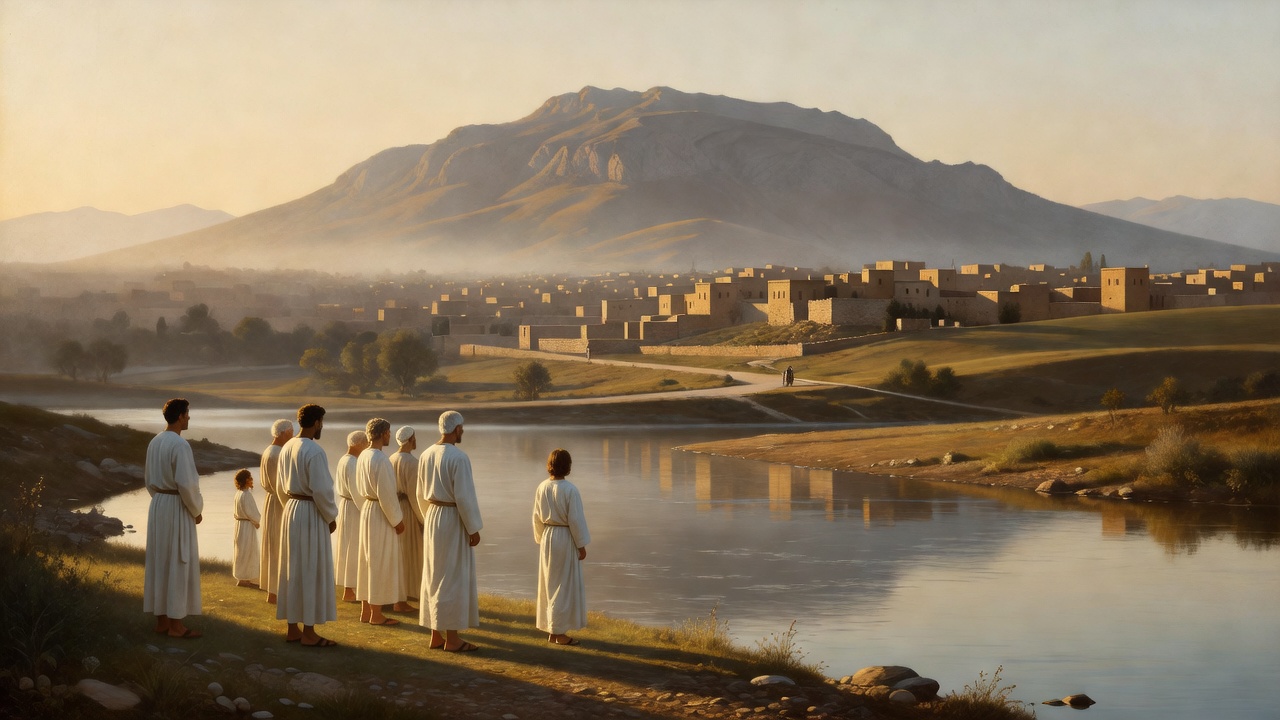
Did you know?
Letters to Sardis, Philadelphia, and Laodicea
- Revelation 3 is a set of letters to churches in three cities of Asia Minor. Sardis, the metropolis of Lydia, stood on the river Pactolus at the foot of Mount Tmolus. Philadelphia, a name that means “brotherly love,” lay about twenty-five miles southeast of Sardis, while Laodicea stood on the Lycus, where Phrygia and Lydia meet, about forty miles east of Ephesus.Sources: Sardis · Philadelphia · Laodicea · the Bible text itself
- Laodicea was first called Diospolis and then Rhoas. It was later named Laodicea after Laodice, the wife of Antiochus II, king of Syria, who rebuilt it. Easton's Bible Dictionary (1897) calls it one of the most important and flourishing cities of Asia Minor and an early leading center of Christianity; in the letter, that church is said to claim that it is rich, has grown wealthy, and needs nothing.Sources: Laodicea · the Bible text itself
- The letter to Philadelphia speaks of a “synagogue of Satan” and of people who claim to be Jews but whom it calls liars. Satan means “adversary” or “accuser,” and in the New Testament the name is used interchangeably with the devil.Sources: Satan · the Bible text itself
Notes written with AI assistance from open sources (Theographic Bible Metadata, CC BY-SA 4.0; Easton’s Bible Dictionary, public domain) and reviewed before publishing.
Places in this chapter
- Sardis · 38.488, 28.040 · verses 1, 4
- Philadelphia · Today: Alaşehir · 38.350, 28.517 · verse 7
- Jerusalem · 31.777, 35.234 · verse 12
- Laodicea · Today: Laodicea on the Lycus · 37.836, 29.108 · verse 14
Only places identified with high confidence are shown (90% or more according to the scholarly sources compiled by OpenBible). Period map: DARE (Digital Atlas of the Roman Empire), CC BY 4.0; modern map: © OpenStreetMap contributors; places: OpenBible.info (CC BY 4.0).
Credits and license for this translation
Majepacʉ jʉ̃menijicʉi yávaiye mamaene coyʉitucubo
New Testament in Cubeo (CO:cub:Cubeo)
copyright © 2009 Wycliffe Bible Translators, Inc.
Language: Cubeo
Translation by: Wycliffe Bible Translators, Inc.
Cubeo [cub], Colombia
Copyright Information
© 2009, Wycliffe Bible Translators, Inc. All rights reserved.
This translation text is made available to you under the
terms of the Creative Commons License: Attribution-Noncommercial-No Derivative Works.
( http://creativecommons.org/licenses/by-nc-nd/3.0/ )
In addition, you have permission to port the text to different file formats, as long as you
do not change any of the text or punctuation of the Bible.
You may share, copy, distribute, transmit, and extract portions
or quotations from this work, provided that you include the above copyright
information:
You must give Attribution to the work.
You do not sell this work for a profit.
You do not make any derivative works that change any of the actual words or punctuation of the Scriptures.
Permissions beyond the scope of this license may be
available if you contact
us with your request.
The New Testament
in Cubeo
© 2009, Wycliffe Bible Translators, Inc. All rights reserved.
This translation is made available to you under the terms of the
Creative Commons Attribution-Noncommercial-No Derivatives license 4.0.
You may share and redistribute this Bible translation or extracts from it in any format, provided that:
You include the above copyright and source information.
You do not sell this work for a profit.
You do not change any of the words or punctuation of the Scriptures.
Pictures included with Scriptures and other documents on this site are licensed just for use with those Scriptures and documents.
For other uses, please contact the respective copyright owners.
2014-04-22
Source: http://ebible.org/cubNT/ · eBible.org