Revelation 21
Majepacʉ jʉ̃menijicʉi yávaiye mamaene coyʉitucubo · Tap a verse to see its cross-references.
Juan ʉ̃i coyʉino cavarõ mamarora aru joborõ mamarora
1No yóboi, jã́cacʉ cavarõ mamarore aru joborõ mamarore máre. No cavarõ javecarõ mácarõ aru no joborõ javecarõ mácarõ máre bíjaiye bateávʉ̃. Aru diya jia ʉrad̶a máre bíjaiya bateávʉ̃. 2Aru jã́cacʉ no ĩmaro pʉeno mearo Jʉ̃menijicʉi ĩmarore, mamaro Jerusalén ãmicʉriĩmarore. No ĩmaro ẽmene dávʉ̃ Jʉ̃menijicʉi jivateino cavarõ mearo ʉ̃i cʉrõre jocarĩ. Yópe nomió pʉrʉbʉocod̶o õi mead̶aiyepe torojʉre d̶acod̶o jímarepacʉ bacʉyʉ́re, nopedeca no ĩmaro mead̶aino mateávʉ̃ torojʉre d̶aquiyepe aino Cristore. 3Aru jápiacacʉ apeno yávaino bʉjino etaiyede no jabocʉi dobarõ mearo coricacarõre jocarĩ. Bʉjiéque yópe arĩ, coyʉávʉ̃:
—Caride Jʉ̃menijicʉ cʉbi põevaque. Cʉcʉyʉme náque. Aru nácapũravʉ ʉ̃i põeva marajárama. Jʉ̃menijicʉvacari cʉcʉyʉme náque. Ne mearore jímʉ macʉyʉ́me ʉ̃. 4Tʉ̃recʉyʉme caiye oride ne yacorʉare. Torojʉre d̶acʉyʉme náre cainʉmʉa. Caiye javede cʉe báque jave bíjavʉ̃ cari. Que baru põeva ye yaibénajarama. Chĩomenajarama. Obenajarama. Aru ijibequiyebu náre máre, arĩ coyʉávʉ̃.
5Dinʉmʉre ñai dobacʉ jabocʉi dobarõ mearora, yópe arĩ, coyʉáme:
—Caride caiyede mamae d̶ayʉbu yʉ, áme.
Aru yópe arĩ, toivaicõjeame yʉre cojedeca:
—Iye yávaiye métamu aru jãvetamu máre. Que baru toivajacʉ mʉ iye ji yávaiyede, áme yʉre.
6Aru ñai dobacʉ jabocʉi dobarõ mearora, yópe arĩ, coyʉáme:
—Quénoramu. Yʉrecabu mamarʉmʉcacʉ aru yóbocacʉ máre. Yʉrecabu bʉ́yʉ bácʉ, bubayʉ máre. Que baru cʉvʉ yʉ cainʉmʉa. Ácʉ põecʉ ʉ̃i ũcuiyʉru, ʉ̃́re jícʉyʉmu yʉ oco bojecʉbede no oco pĩapóino apʉre d̶aiocore jocarĩ. 7Yópe mearo d̶acacʉyʉmu yʉ ñai vainí tʉyʉre ãmenore jarʉvarĩ. Ʉ̃i mearore jímʉ macʉyʉ́mu yʉ. Aru jímacʉ bacʉyʉ́me ʉ̃. 8Ʉbenita caivʉ ina ñájiyʉbevʉ yʉre boje ne jidʉé boje, aru ina dajocaivʉ ne jʉ aiyede yʉre, ina caijĩe ãmene d̶aivʉ, ina põevare boarĩ́ jarʉvaivʉ, ina ãmeina d̶aivʉ apevʉque némarebʉcʉva ãmevʉque, ina yaviéde d̶aivʉ, ina mearore jívʉ pẽpeimarare, aru ina borocʉrivʉ máre, caivʉ ina nʉrajarama ne cʉrãjinoi, no toabo azufreque cũiméboi. Que baru jẽvari coyʉrĩ yópe ne yaiyepe pʉque nʉrajarama na.
Juan ʉ̃i coyʉino mamaro Jerusalén ãmicʉrõra
9No yóboi, cũinácʉ ina siete paivʉ ángeleva idʉá siete paidʉa jororʉa ñájiovaiye buidídʉa jororʉare iye siete paiye ñájiovaiyeque cʉvarivʉ bácavʉcacʉ coyʉcʉdame yʉre. Yópe arĩ, coyʉáme:
—Dajacʉ. Jã́d̶ovacʉyʉbu mʉre ico nomió pʉrʉbʉocod̶ore Cristo, ovejajĩcʉ ne aimʉque, áme yʉre ñai ángele, áme.
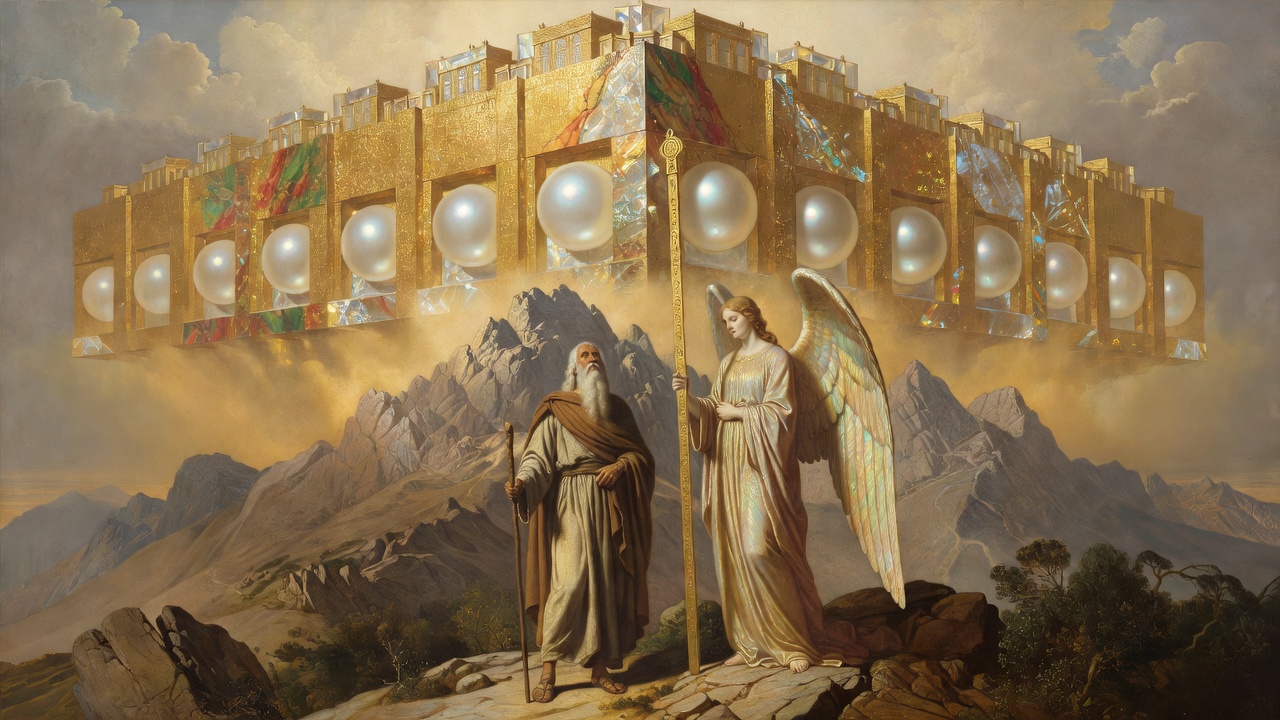
10Aru ñai Espíritu Santo dápiaicõjeame yʉre. Que teni ñai ángele nʉvame yʉre cʉ̃racũ ʉ̃mʉjʉricũ pʉenoita. Noi cʉrivʉta, jã́d̶ovame yʉre no ĩmaro mearo baju, Jʉ̃menijicʉi ĩmaro Jerusalén ãmicʉriĩmarore. No ĩmaro ẽmene daino mateávʉ̃ Jʉ̃menijicʉi jivateino cavarõ mearo ʉ̃i cʉrõre jocarĩ. 11Jʉ̃menijicʉi cʉe boje nore, ʉrarõ pẽoávʉ no ĩmaro. Yópe cʉ̃rabo cojidibo pare bojecʉribore jã́ri javaiyoibo jaspe ãmicʉribope pẽoávʉ no ĩmaro. 12Pare ʉ̃mʉjʉrido biaido cʉ́teavʉ̃ no ĩmaro yóbore. Dido biaido cʉvateavʉ̃ doce paicobea jedevacobea. Dicobea jedevacobearã toivaino mateávʉ̃ ne ãmiá ina doce paiyajuboa Israecavʉ ne yajuboa ãmiá coapa. Aru doce paivʉ ángeleva jã́ri coreivʉ bateima dicobea jedevacobea coapa. 13Yóbecʉricobea jedevacobea cʉ́teavʉ̃ caiyovaicʉvaipũravʉai coapa. Aviá dainocapũravʉi yóbecʉricobea jedevacobea cʉ́teavʉ̃. Aviá daino meapũravʉi yóbecʉricobea jedevacobea cʉ́teavʉ̃. Aviá daino cãcopũravʉi yóbecʉricobea jedevacobea cʉ́teavʉ̃. Aviá doinocapũravʉi máre yóbecʉricobea jedevacobea cʉ́teavʉ̃. 14No biaido me jãjaro núvari d̶aido bateávʉ̃ cʉ̃rava ʉrava parʉrivarã. Doce paiva cʉ̃rava cʉ́teavʉ̃. Diva cʉ̃ravarã toivaino mateávʉ̃ ñʉje ãmiá ñʉja doce paivʉ ñai ovejajĩcʉi yávaiye méne beorĩ coyʉicõjeimara ñʉje ãmiá coapa.
15Ñai ángele yávayʉ yʉre cʉvateame cũinád̶o corevaiyo úruque d̶aiyore, corevacʉyʉ no ĩmarore, dicobea jedevacobeare, aru biaidore máre. 16No ĩmaro yóvaicʉvaitõbʉa cʉ́teavʉ̃. Caiye yóvaicʉvaitõbʉa cũinátʉrʉ bateávʉ̃. Ʉ̃mʉjʉrõ vaibóque cũinátʉrʉ bateávʉ̃. Ʉ̃i corevaiyede coreóvame no ĩmarore pʉcamil doscientos paikilometros baju ʉ̃mʉjʉrõre, pʉcamil doscientos paikilometros baju joarõre, aru pʉcamil doscientos paikilometros baju ʉrarõre máre. 17No yóboi, corevame no biaidore máre. Yópe põeva ne corevaiyepe sesenta y cinco paimetros baju corevame no biaidore.
18No biaido d̶aino mateávʉ̃ jaspe ãmicʉriva cʉ̃rava bojecʉrivaque. Aru no ĩmaro d̶aino mateávʉ̃ úru me baju docʉcʉbeque. Que baru jivarʉpe paino ʉbenita jã́ri javaiyoino mateávʉ̃. 19No ĩmaro jãjaro núvari d̶aino mateávʉ̃ cʉ̃rava ʉrava parʉrivarã. Aru divarã cʉ́teavʉ̃ apeva bojecʉriva meava baju. Doce paiva cʉ̃rava bojecʉriva cʉ́teavʉ̃. Diva mamarʉmʉcava ĩmaro núrivarã jaspe ãmicʉriva bateávʉ̃. Apeva cutuiva ĩmaro núrivarã zafiro ãmicʉriva bateávʉ̃. Apeva cutuiva ágata ãmicʉriva bateávʉ̃. Apeva cutuiva esmeralda ãmicʉriva bateávʉ̃. 20Apeva cutuiva ónice ãmicʉriva bateávʉ̃. Apeva cutuiva cornalina ãmicʉriva bateávʉ̃. Apeva cutuiva crisólito ãmicʉriva bateávʉ̃. Apeva cutuiva berilo ãmicʉriva bateávʉ̃. Apeva cutuiva topacio ãmicʉriva bateávʉ̃. Apeva cutuiva crisoprasa ãmicʉriva bateávʉ̃. Apeva cutuiva jacinto ãmicʉriva bateávʉ̃. Aru diva pinidʉcava ĩmaro núrivarã amatista ãmicʉriva bateávʉ̃. 21Dicobea doce paicobea jedevacobea d̶aino mateávʉ̃ perla ãmicʉriva bojecʉriva cʉ̃ravaque. Caicobea jedevacobea coapa cũináva perla ãmicʉrivaque d̶aino mateávʉ̃. Aru dima no ĩmaro ʉrama d̶aino mateávʉ̃ úru me baju docʉcʉbeque. Que baru jivarʉpe paima, ʉbenita jã́ri javaiyoima, mateávʉ̃.
22No ĩmaroi jã́metecacʉ Jʉ̃menijicʉi cʉ̃ramine. Caino no ĩmarore Jʉ̃menijicʉi cʉ̃rami cʉbeteavʉ̃. Maje jabocʉ Jʉ̃menijicʉ parʉcʉ caivʉ pʉeno cʉbi caino no ĩmaroi. Aru Cristo, ñai ovejajĩcʉ, máre cʉbi caino no ĩmaroi. Que baru Jʉ̃menijicʉi cʉ̃rami jaʉbevʉ nore. 23Aru jaʉbevʉ aviá aru aviá ñamicacʉ máre ne pẽoiye nore. Jʉ̃menijicʉi cʉe boje nore, ʉrarõ pẽoávʉ no ĩmarore. Aru ñai ovejajĩcʉ pẽoibʉpe pẽoñʉme nore. Que baru aviá aru aviá ñamicacʉ máre jaʉbema na nore. 24Caivʉ põeva cainoa joborõacavʉ vaivárãjarama no ĩmaro miad̶áeque. Aru caivʉ jabova davarãjarama caiye ne cʉvaede, ne tãutʉrare máre no ĩmaroita. 25Caijãravʉa no ĩmaro jedevacobea voaicobea baquiyébu. Aru ñami cʉbequiyebu nore. Que baru no ĩmaro jedevacobea ye biebecobea baquiyébu cainʉmʉa. 26Caivʉ põeva cainoa joborõacavʉ davarãjarama caiye ne cʉvaede, ne tãutʉrare máre no ĩmaroita. 27Ʉbenita ye ãmeno cʉbequiyebu nore. Ye põeva cʉyojeda teivʉ aru borocʉrivʉ máre ecobenajarama nore. Quénora caivʉ ina cʉvarãjivʉ jãravʉ cũiméjãravʉ baquinóre Jʉ̃menijicʉque ne ãmiáre toivaiye báque boje ãnitucubo, ñai ovejajĩcʉi paperatucuboi, ecorãjarama nore.
Did you know?
The New Jerusalem
- In this vision the city coming down from heaven is called the holy city, the new Jerusalem. Jerusalem was also known as the holy city and the city of God, and in Arabic it is el-Khuds, meaning the holy. Its name is in a dual form and means possession of peace or foundation of peace.Sources: the Bible text itself · Jerusalem
- The seer is carried in the Spirit to a great and high mountain and shown that holy city descending. Jerusalem is described as a mountain city enthroned on a mountain stronghold, and the dual form of the name probably refers to the two mountains on which it was built, Zion and Moriah, or, as some suppose, to the upper and lower city.Sources: the Bible text itself · Jerusalem
- The city wall has twelve gates, three on each side, inscribed with the names of the twelve tribes of Israel. Israel is another name for Jacob, explained as one who follows on another's heels, or as a supplanter.Sources: the Bible text itself · Jacob (Israel)
Notes written with AI assistance from open sources (Theographic Bible Metadata, CC BY-SA 4.0; Easton’s Bible Dictionary, public domain) and reviewed before publishing.
Places in this chapter
Only places identified with high confidence are shown (90% or more according to the scholarly sources compiled by OpenBible). Period map: DARE (Digital Atlas of the Roman Empire), CC BY 4.0; modern map: © OpenStreetMap contributors; places: OpenBible.info (CC BY 4.0).
Credits and license for this translation
Majepacʉ jʉ̃menijicʉi yávaiye mamaene coyʉitucubo
New Testament in Cubeo (CO:cub:Cubeo)
copyright © 2009 Wycliffe Bible Translators, Inc.
Language: Cubeo
Translation by: Wycliffe Bible Translators, Inc.
Cubeo [cub], Colombia
Copyright Information
© 2009, Wycliffe Bible Translators, Inc. All rights reserved.
This translation text is made available to you under the
terms of the Creative Commons License: Attribution-Noncommercial-No Derivative Works.
( http://creativecommons.org/licenses/by-nc-nd/3.0/ )
In addition, you have permission to port the text to different file formats, as long as you
do not change any of the text or punctuation of the Bible.
You may share, copy, distribute, transmit, and extract portions
or quotations from this work, provided that you include the above copyright
information:
You must give Attribution to the work.
You do not sell this work for a profit.
You do not make any derivative works that change any of the actual words or punctuation of the Scriptures.
Permissions beyond the scope of this license may be
available if you contact
us with your request.
The New Testament
in Cubeo
© 2009, Wycliffe Bible Translators, Inc. All rights reserved.
This translation is made available to you under the terms of the
Creative Commons Attribution-Noncommercial-No Derivatives license 4.0.
You may share and redistribute this Bible translation or extracts from it in any format, provided that:
You include the above copyright and source information.
You do not sell this work for a profit.
You do not change any of the words or punctuation of the Scriptures.
Pictures included with Scriptures and other documents on this site are licensed just for use with those Scriptures and documents.
For other uses, please contact the respective copyright owners.
2014-04-22
Source: http://ebible.org/cubNT/ · eBible.org