Mark 12
Majepacʉ jʉ̃menijicʉi yávaiye mamaene coyʉitucubo · Tap a verse to see its cross-references.
“Ãmena memecaipõevare” jã́ri dápiarĩ ne d̶arãjiyepe aino
1Dinʉmʉre Jesús coyʉrĩ bʉ́rejamed̶a náre jã́ri dápiarĩ ne d̶arãjiyepe ainoque, yópe arĩ:
—Cũinácʉ ʉ̃mʉ doaicõjequemavʉ jiore ʉ́yaimuque. Doarĩ bʉojarĩ, d̶aicõjequemavʉ biaidore jio tʉrʉvai. Aru ũicõjequemavʉ cobede ʉ́yai pipoicobede. Aru d̶aicõjequemavʉ ʉ̃mʉjʉriñami cʉ̃ramine, jiore coreipõecʉ ʉ̃i jã́quiñamine máre. Caiye iyede mead̶arĩ bʉojarĩ, vorĩ earĩ jiore memeipõevare, epequemavʉ náre ne memecarãjiyepe ayʉ ʉ̃́re. Ina memecaipõeva ĩnajivʉ batequémavʉ apeboa ʉ́yaiboare, ne memeiye boje. Aru nʉquemavʉ ñai ʉ̃mʉ apeno joborõi. 2Ʉ́yai jẽijãravʉ yóboi, ñai ʉ̃mʉ jarorĩduquemavʉ cũinácʉ ʉ̃i yebacacʉre memecaipõeva yebai, ʉ̃i ĩquiyepe ayʉ apeboa ʉ́yaiboare, ñai jabocʉ jiede. 3Ʉbenita ñai yebacacʉ ʉ̃i eaiyede nore, ina memecaipõeva ʉ̃́re jẽni, pare boarĩ́, copaide d̶aquemavʉ ʉ̃́re quédata. 4Cojedeca ñai ʉ̃mʉ, jio upacʉ, jarorĩduquemavʉ apecʉ ʉ̃i yebacacʉre memecaipõeva yebai. Ʉbenita churiá d̶aquemavʉ ʉ̃́re ʉ̃i jipobʉi. Aru cʉyojarõ d̶aquemavʉ ʉ̃́re máre. 5Cojedeca ñai ʉ̃mʉ, jio upacʉ, jarorĩduquemavʉ apecʉ ʉ̃i yebacacʉre nore, memecaipõeva yebai. Ʉbenita boarĩ́ jarʉvaquemavʉ ʉ̃́re. Apevʉre jio upacʉ ʉ̃i jaroimarare máre boaquémavʉ. Aru apevʉre boarĩ́ jarʉvaquemavʉ na.
6’No yóboi, mautequemavʉ ñai jio upacʉre cũinácʉ ʉ̃i mácʉ cũinácʉva, pare ʉ̃i ʉmʉ. Quénora jarorĩduquemavʉ mamacʉre. “Ʉ̃́re jã́ivʉ, pued̶arãjichʉma” ayʉ, que dápiaquemavʉ ʉ̃. 7Ʉbenita ina memecaipõeva jã́ivʉ ñai jio upacʉi mácʉre, aquemavʉ ne bajumia, “Ñai ñʉje jabocʉ bacʉyʉ́me. Jípacʉ ʉ̃i yainíburu yóboi, cʉvacʉyʉme caiye ʉ̃i cʉvaede. Jã́rica, boarĩ́ jarʉvarãjarevʉ ʉ̃́re, maja cʉvaburĩ caiye ʉ̃i cʉvaede”. 8Que arĩ, ʉ̃́re jẽni, boarĩ́ jarʉvaquemavʉ. Aru ʉ̃i baju bácarõre jaetovaquemavʉ jiore jocarĩ, arejamed̶a Jesús.
9Na ʉ̃i coyʉiyede jápiaivʉre jẽniari jã́rejamed̶a Jesús:
—¿Aipe d̶aquidi ñai jio upacʉ náre? Ʉ̃ boarĩ́ jarʉvacʉnʉcʉyʉme ina memecaipõevare. Aru epecʉyʉme apevʉ memecaipõevare noi, ʉ̃i jioi. 10¿Jã́ri borotebenarʉ mʉja iye Jʉ̃menijicʉi yávaiye ʉ̃i toivaicõjeiye báquede? Yópe toivarejaquemavʉ yʉrã, Cristo ji borore:
Iva cʉ̃ravare cʉ̃ramine d̶aipõeva ʉbeni jarʉvaquemavʉ. Caride iva cʉ̃rava caiva apeva pʉeno parʉrivabu. 11Nópe d̶aino mácarõre d̶aquemavʉ Jʉ̃menijicʉ. Que baru pare mearotamu majare, maje dápiaru, arĩ toivarejaquemavʉ, arejamed̶a Jesús.
Yópe aiyʉrõtamu no: Põeva “Ãmecʉbe ʉ̃”, arĩdurãjarama Jesúi borore. Ʉbenita meacʉ bajube ʉ̃, Jesús, caivʉ apevʉ pʉeno.
12Que aiyede, Jesúre jẽni, nʉvaiyʉrĩdurejaimad̶a, ʉ̃i coyʉiye boje nára no jã́ri dápiarĩ ne d̶arãjiyepe ainore. Ʉbenita jidʉrejaimad̶a ina obedivʉ põevare. Que baru ʉ̃́re dajocarĩ etarĩ nʉrejaimad̶a.
Jesús ʉ̃i coyʉino jabovare bojed̶ainore
13Fariseova aru Herodecavʉ jarorejaimad̶a nácavʉre Jesús yebai, ʉ̃́re jʉjovarĩ, jacotʉjʉrorivʉre. 14Ʉ̃i yebai earĩ, ʉ̃́re yópe arejaimad̶a na, mamad̶aiyʉrivʉ:
—Mʉ, bueipõecʉ, mʉre coreóvaivʉbu ñʉja. Nurié yávaivʉ mʉ. Caivʉre cũinácamuara yávaivʉ mʉ. Coyʉbevʉ mʉ põevare yópe ne d̶aiyepe. Quénora jidʉbecʉva coyʉivʉ mʉ náre yópe ne dápiaiyepe. Jãveneca bueivʉ mʉ põevare, ne d̶arãjiyepe ayʉ mearore yópe Jʉ̃menijicʉi d̶aicõjeiyepe. ¿Maje jabocʉ César ʉ̃i ĩ́cõjejʉroede, ʉ̃i jaboteiye boje, maje bojed̶aru, mearica die? ¿O bojed̶abejeba maja? ¿Bojed̶aje bárica maja? ¿O bojed̶aicõjeino ãmeni? arejaimad̶a Jesúre ina fariseova aru ina Herodecavʉ.
15Ʉbenita ne jʉjovajʉroede majicʉ, náre yópe arejamed̶a Jesús:
—¿Aipe teni yʉre jʉjovaiyʉrĩdurĩ vainí tʉiyʉrãrʉ mʉja? Yʉre tãutʉratʉrava, ji jã́quitʉravare, davajacʉrĩ mʉjacacʉ, arejamed̶a náre Jesús.
16Ʉ̃́re tãutʉratʉravare nʉvarejamed̶a nácacʉ. Ʉ̃́re nʉvari jíyede, arejamed̶a Jesús:
—¿Ñamema ñai, ditʉravare jẽñʉ? ¿Aru ñamei ãmiá cʉritʉravaba ditʉrava? arejamed̶a náre Jesús.
Ʉ̃́re arejaimad̶a:
—Ñai jabocʉ Césai decocʉ aru ʉ̃i ãmiá máre cʉritʉravatamu, arejaimad̶a.
17Que aivʉre arejamed̶a Jesús:
—César jiede ʉ̃́re jacopaiyovajarã mʉja. Jíjarã ʉ̃́re tãutʉra yópe ʉ̃i bojed̶aicõjeiyepe mʉjare. Aru Jʉ̃menijicʉ jiede ʉ̃́re jacopaiyovajarã mʉja. D̶ajarã yópe ʉ̃i ʉrõpe, arejamed̶a náre, jẽniari jã́radaivʉre, Jesús.
Aru jʉjovaiyʉrĩduivʉ bácavʉ Jesúre ʉ̃i que aiyede, ʉrarõ dápiarejaimad̶a ina fariseova aru ina Herodecavʉ máre.
Saduceova ne jẽniari jã́ino Jesúre yainore jarʉvarĩ nacajainore
18Apevʉ saduceova nʉrejaimad̶a Jesús yebai. Saduceo ãmicʉriyajubobu judíovacavʉ ne yajubo cũináyajubo. Caivʉ saduceova “Yainore jarʉvarĩ nacajaiye cʉbevʉ”, ad̶ama na. Jesúre jẽniari jã́rejaimad̶a ina saduceova yópe:
19—Mʉ, bueipõecʉ, Jʉ̃menijicʉi d̶aicõjeiyede Moisés bácʉ toivarejaquemavʉ yópe: Cũinácʉ némamicʉ yaidú, jímarepacore jocarĩ jʉed̶ocʉvabecova, yaiyʉ́ bácʉi yócʉre pʉrʉbʉoiye jaʉvʉ ṍque, jʉed̶ocʉvacʉyʉ. Aru ina jʉed̶ova bárãjivʉ yaiyʉ́ bácʉi ãmiáre cʉvarãjarama na. Que arĩ, toivarejaquemavʉ Moisés bácʉ.
20’Javede cʉ́tequemavʉ siete paivʉ ʉ̃mʉva. Cũinácʉ ʉ̃mʉi mára matequémavʉ na. Némamicʉ pʉrʉbʉoquemavʉ. No yóboi, yaiquémavʉ ʉ̃ mácʉ, jʉed̶ocʉvabecʉva. 21Que baru apecʉ, ʉ̃ mácʉrã cutuyʉ, pʉrʉbʉoquemavʉ jíbʉcʉ bácʉi márepacoque. Aru jíbʉcʉ bácʉpedeca, yaiquémavʉ ʉ̃ mácʉ máre, jʉed̶ocʉvabecʉva. Aru apecʉ, ʉ̃ mácʉrã cutuyʉ máre, nopedeca, aru caivʉ ina siete paivʉ bácavʉ ṍque pʉrʉbʉorĩ, yaiquémavʉ, jʉed̶ocʉvabevʉva. Caivʉ ne yóboi, ico nomió máco máre yaiquémavʉ. 23¿Yainore jarʉvarĩ nacajaijãravʉ baquinóre, ñamei márepaco bacod̶óba ico? Ijãravʉi caivʉ ina siete paivʉ cʉvatequemavʉ ṍre, arejaimad̶a na Jesúre.
24Aru Jesús arejamed̶a ina saduceovare:
—Mamateivʉbu mʉja mʉje majibe boje Jʉ̃menijicʉi yávaiyede. Aru Jʉ̃menijicʉi parʉéde máre majibevʉbu mʉja. 25Yainore jarʉvarĩ nacajaijãravʉ baquinóre pʉrʉbʉobenajarama. Aru jíbenajarama némaromivare, ne pʉrʉbʉorãjiyepe aivʉ. Quénora ángeleva, ina pʉrʉbʉobevʉ, cavarõ mearo Jʉ̃menijicʉi cʉrõcavʉpe paivʉ barãjárama ina yainore jarʉvarĩ nacajarajivʉ. 26¿Iye yainore jarʉvarĩ nacajaiyede, jápiarĩ eabenarʉ mʉja iye Jʉ̃menijicʉi coyʉiye báquede Moisés bácʉ ʉ̃i toivaiye báquede, jocʉjĩcʉ uruijĩcʉre coyʉrĩ? “Yʉ́tamu Jʉ̃menijicʉ. Abraham, Isaac, aru Jacob ne mearore jímʉmu yʉ”, arejaquemavʉ Jʉ̃menijicʉ Moisés bácʉre. 27Que arĩ, yaivʉ bácavʉ ne mearore jímʉ ãmemi Jʉ̃menijicʉ. Quénora apʉrivʉ ne mearore jímʉtame ʉ̃. Que baru ina majeñecuva apʉrivʉbu. Que baru pare mamateivʉbu mʉja, arejamed̶a náre Jesús.
D̶aicõjeiye parʉé caiye pʉeno
28Cũinácʉ Jʉ̃menijicʉi yávaiye báquede bueipõecʉ Jesús yebai earĩ, jápiarejamed̶a Jesús apevʉque ne copʉ boroteiyede. Jesús náre ʉ̃i copʉ aiyede cojʉrejavʉ̃ya ʉ̃́re. Dinʉmʉma Jesúre yópe jẽniari jã́rejamed̶a Jʉ̃menijicʉi yávaiye báquede bueipõecʉ:
—¿Ã́roma majare Jʉ̃menijicʉi d̶aicõjeino mácarõ pʉeno parʉrõ cõjeino? arejamed̶a.
29Aru Jesús jʉ arejamed̶a ʉ̃́re:
—Pʉeno parʉrõ d̶aicõjeinotamu yo: “Jápiajarã mʉja, Israecavʉ. Maje jabocʉ Jʉ̃menijicʉ cũinácʉratame. 30Ʉjacʉ mi jabocʉ Jʉ̃menijicʉre caino mi ũmedʉque, caino mi ũmeque, caino mi majiéque, aru caino mi baju parʉéque máre”. 31Aru no yóbo cãchijino parʉrõ d̶aicõjeino yópe ainomu: “Mi bajure mi jecʉépedeca jecʉjacʉ mícʉre máre”. Iye d̶aicõjeiyebu pʉeno parʉé. Apeno d̶aicõjeino pʉeno parʉrõ cʉbevʉ, arejamed̶a Jesús.
32Arejamed̶a Jesúre:
—Mʉ, bueipõecʉ, jãvetamu. Mʉ jãve arĩ coyʉivʉ mʉ. Jʉ̃menijicʉ cũinácʉrabe ʉ̃. Apecʉ cʉbebi. 33Maje ãimacʉ caicʉre toaque juarĩ, Jʉ̃menijicʉre jíye o maje ape paiyede Jʉ̃menijicʉre jíye meavʉ. Ʉbenita Jʉ̃menijicʉre caiye maje ũmedʉque, caiye maje majiéque, aru caiye maje parʉéque máre jecʉé aru majecʉre maje bajure jecʉrõpe máre jecʉé, pʉeno mearotamu, arejamed̶a Jesúre ʉ̃.
34Jesús ʉ̃i jápiaiyede mearo ʉ̃i jʉ aiyede, yópe arejamed̶a:
—Quĩ́jino baju jaʉrĩdurebu mi eaquino Jʉ̃menijicʉi jaboteinore, arejamed̶a Jesús.
Que arĩburu jidʉrĩ, Jesúre ye jẽniari jã́menejaimad̶a na caivʉ.
Cristo ñai jabocʉ David bácʉi pãramecʉ
35Jesús buede curejamed̶a Jʉ̃menijicʉi cʉ̃rami. Aru arejamed̶a:
—¿Aipe teni “Cristobe David bácʉi pãramecʉ”, aivʉba Jʉ̃menijicʉi yávaiye báquede bueipõeva? 36David bácʉvacari Espíritu Santoi parʉéque coyʉicõjeimʉ arejaquemavʉ ʉ̃ mácʉ:
Jʉ̃menijicʉ aquemavʉ ji jabocʉre, “Dobajacʉ ji meapũravʉi, mi cʉvae boje parʉéde yʉpedeca. Aru yʉ epecʉyʉmu mi mauvare mi cʉboba cãchinoi. Que teni mʉre vainí jarʉvare d̶acʉyʉmu yʉ náre, mi jabotequiyepe ayʉ náre”, arejaquemavʉ David bácʉ Cristorã.
37’David bácʉvacari Cristoi borore “Ʉ̃́recabe ji jabocʉ”, arejaquemavʉ. Que baru, ¿aipe teni David bácʉi pãramecʉba ʉ̃? arejamed̶a Jesús.
Aru caivʉ ina obedivʉ põeva torojʉrĩ jápiarejaimad̶a Jesúre.
Jesús ʉ̃i boro coyʉrĩ ad̶aino Jʉ̃menijicʉi yávaiye báquede bueipõevare
38Jesús bueyʉ bácʉ arejamed̶a:
—Me d̶ajarã ina Jʉ̃menijicʉi yávaiye báquede bueipõevare. Námu cuiyʉrivʉ cuitótecajea ʉ̃mʉjʉricajeaque. Aru ʉma na põeva pued̶arĩ ne jacoyʉinore náre tãibʉi. 39Judíovai cójijiñamiare ne dobae méne ʉma na, põeva ne jã́rajiyepe aivʉ náre. Aru torojʉve teinore, cʉiyʉma na ñai torojʉve teino upacʉ yebai. 40Ʉbenita jʉjovarĩ ñavad̶ama ina nomiópevare ne apejĩene. Aru jẽniad̶ama joe ʉrarõ Jʉ̃menijicʉque, põeva ne dápiarãjiyepe aivʉ Jʉ̃menijicʉi yávaiye báquede bueipõeva me Jʉ̃menijicʉre jʉ aivʉpe. Caiye iyede ne d̶aiye boje, pʉeno ʉrarõ ñájinajarama na, ne ãmeina teiye boje, arejamed̶a Jesús.
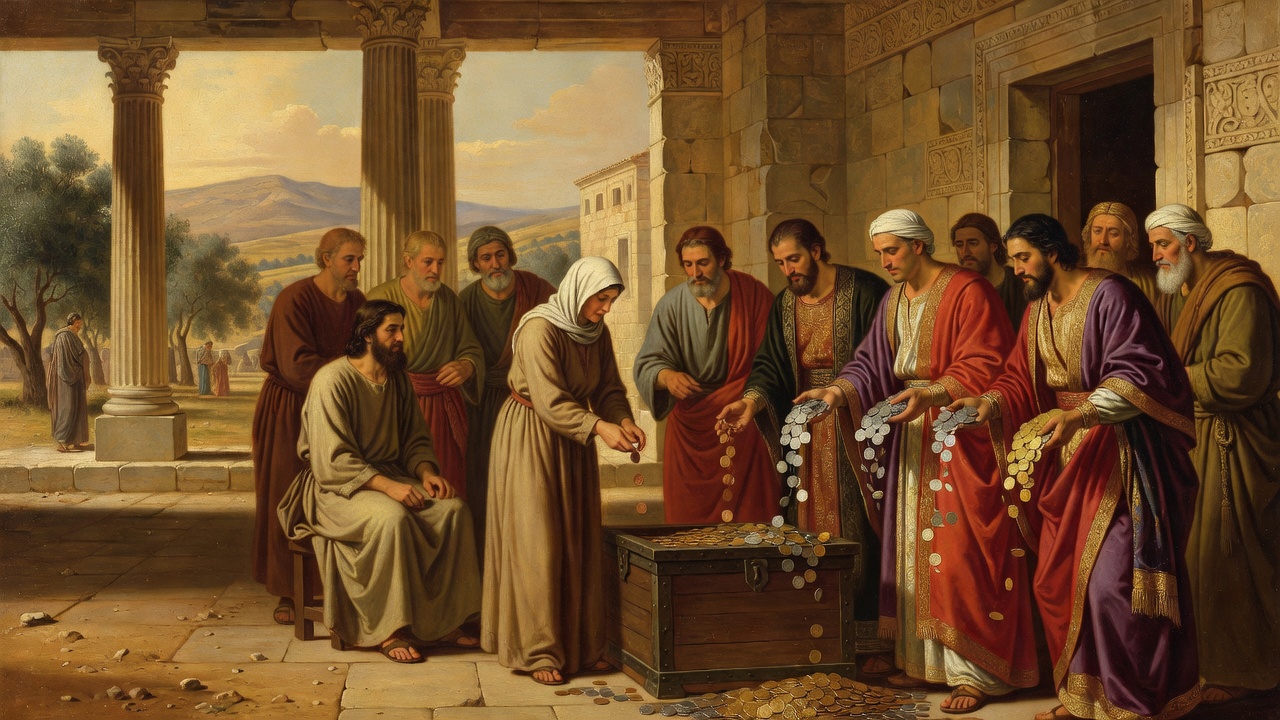
Nomiópeco cʉve cʉvabeco õi tãutʉra jíno Jʉ̃menijicʉre
41Nore, Jʉ̃menijicʉi cʉ̃rami, Jesús dobarejamed̶a joabejĩnoi cũinátõcu põeva ne Jʉ̃menijicʉre tãutʉra jíye epeitõcu yebai. Ditõcu cʉrejavʉ̃ya ʉ̃i jipocai. Noi dobarĩ, põeva obedivʉ ne ʉre tãutʉrare ditõcui jíni tʉoivʉre jã́ñʉ marejámed̶a Jesús. Aru obedivʉ cʉve cʉvarivʉ tʉorejaimad̶a ʉre tãutʉrare. 42Que teiyede cũináco nomiópeco, cʉve cʉvabeco, ditõcu yebai earĩ, tʉorejacod̶a pʉcatʉrava tãutʉratʉravare, me bojecʉbetʉravare. 43Õi que d̶aiyede jã́ñʉ Jesús, órejarejamed̶a ʉ̃i bueimarare ʉ̃i yebai. Aru arejamed̶a náre:
—Jãve coyʉyʉbu mʉjare: Ico nomiópeco cʉve cʉvabeco, Jʉ̃menijicʉre jíbico apevʉ ne jíye pʉeno baju, õi jíye boje õi cʉvarõ cainore. Ʉbenita nácapũravʉ quénora quĩ́jino ne cʉvarõcarõre jíyama. 44Caivʉ ina põeva ne ʉrarõ cʉvaecarõre jíyama Jʉ̃menijicʉre náre jaʉbede. Ʉbenita ico nomió õi quĩ́jino cʉvarijĩno mácarõre cainore jíbico Jʉ̃menijicʉre. Caiye õi ijãravʉi cʉvajʉroede jíbico õ Jʉ̃menijicʉre, arejamed̶a náre Jesús.
Did you know?
Debates in the Temple
- The Sadducees, who say there is no resurrection, question Jesus about seven brothers and one widow, appealing to what Moses wrote. He points them to the burning bush in the Book of Moses, where God says, “I am the God of Abraham, the God of Isaac, and the God of Jacob.” Abraham, “father of a multitude,” was Terah’s son; Isaac was Abraham’s only son by Sarah; and Jacob was the second-born of the twin sons of Isaac and Rebekah.Sources: the Bible text itself · Abraham · Isaac · Jacob (Israel)
- Asked which commandment is the most important, Jesus begins, “Hear, O Israel, the Lord our God, the Lord is One,” and adds, “Love your neighbor as yourself.” Israel is another name for Jacob, the second-born twin son of Isaac and Rebekah; Jacob’s name is explained as one who follows on another’s heels, or supplanter.Sources: the Bible text itself · Jacob (Israel)
- Teaching in the temple courts, Jesus asks how the scribes can say that the Christ is the Son of David if David himself calls him “Lord.” David, whose name means “Beloved,” was the eighth and youngest son of Jesse, a citizen of Bethlehem, and his early occupation was tending his father’s sheep on the uplands of Judah.Sources: the Bible text itself · David
Notes written with AI assistance from open sources (Theographic Bible Metadata, CC BY-SA 4.0; Easton’s Bible Dictionary, public domain) and reviewed before publishing.
Credits and license for this translation
Majepacʉ jʉ̃menijicʉi yávaiye mamaene coyʉitucubo
New Testament in Cubeo (CO:cub:Cubeo)
copyright © 2009 Wycliffe Bible Translators, Inc.
Language: Cubeo
Translation by: Wycliffe Bible Translators, Inc.
Cubeo [cub], Colombia
Copyright Information
© 2009, Wycliffe Bible Translators, Inc. All rights reserved.
This translation text is made available to you under the
terms of the Creative Commons License: Attribution-Noncommercial-No Derivative Works.
( http://creativecommons.org/licenses/by-nc-nd/3.0/ )
In addition, you have permission to port the text to different file formats, as long as you
do not change any of the text or punctuation of the Bible.
You may share, copy, distribute, transmit, and extract portions
or quotations from this work, provided that you include the above copyright
information:
You must give Attribution to the work.
You do not sell this work for a profit.
You do not make any derivative works that change any of the actual words or punctuation of the Scriptures.
Permissions beyond the scope of this license may be
available if you contact
us with your request.
The New Testament
in Cubeo
© 2009, Wycliffe Bible Translators, Inc. All rights reserved.
This translation is made available to you under the terms of the
Creative Commons Attribution-Noncommercial-No Derivatives license 4.0.
You may share and redistribute this Bible translation or extracts from it in any format, provided that:
You include the above copyright and source information.
You do not sell this work for a profit.
You do not change any of the words or punctuation of the Scriptures.
Pictures included with Scriptures and other documents on this site are licensed just for use with those Scriptures and documents.
For other uses, please contact the respective copyright owners.
2014-04-22
Source: http://ebible.org/cubNT/ · eBible.org