Matthew 8
Majepacʉ jʉ̃menijicʉi yávaiye mamaene coyʉitucubo · Tap a verse to see its cross-references.
Jesús ʉ̃i mead̶aino pojeyʉre
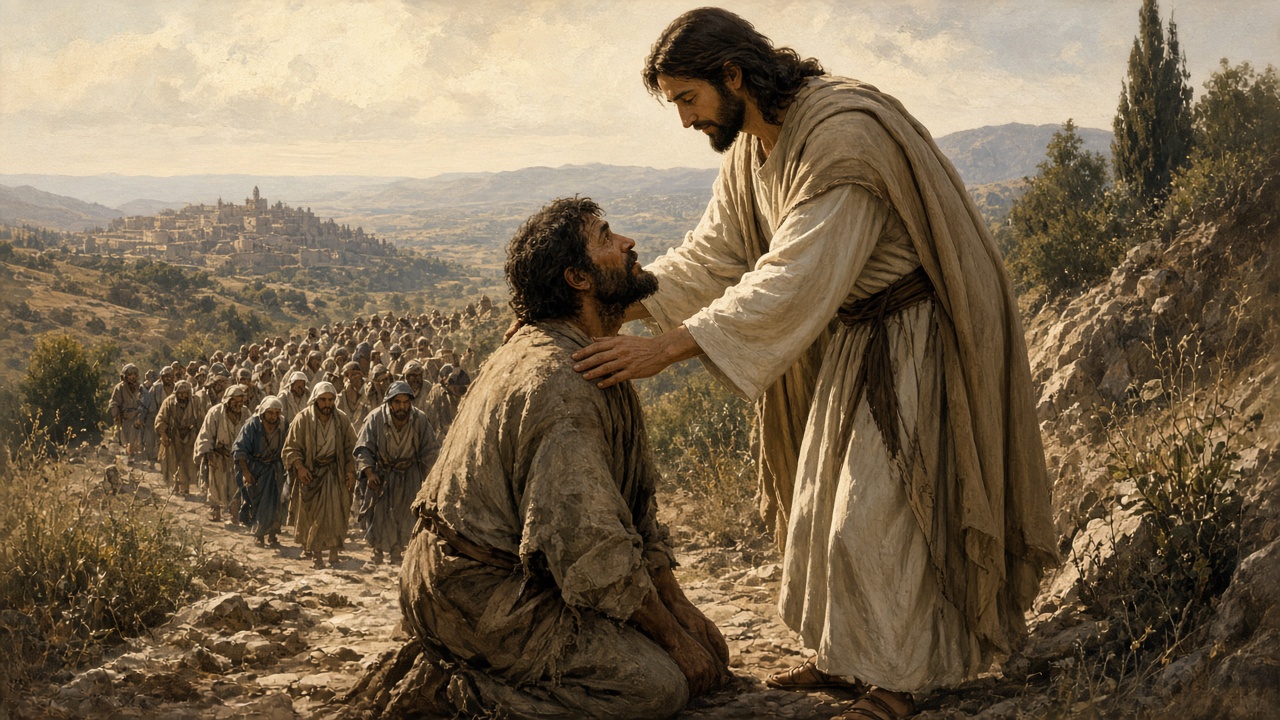
1Jesús ẽmeñʉ mácʉre dicũ cʉ̃racũre jocarĩ, obedivʉ põeva nʉrejaimad̶a ʉ̃i yóboi. 2Aru nʉrejamed̶a Jesús yebai cũinácʉ pojeyʉ. Ñʉatutarĩ, arejamed̶a ʉ̃́re:
—Mʉ, ji jabocʉ, ʉcʉ baru, mead̶ajacʉ ji pojeiyede. Bʉojaivʉ mʉ mead̶ayʉ yʉre, arejamed̶a.
3Dinʉmʉre Jesús, ʉ̃i pʉrʉque jabióvarĩ tʉoyʉ, arejamed̶a ʉ̃́re:
—Ʉvʉ yʉ. Caride meatejacʉ mʉ, arejamed̶a Jesús.
Aru maumejiena Jesús ʉ̃i que aiyede, meatedejamed̶a. 4Jesús coyʉicõjemecʉ apevʉre arejamed̶a:
—Cũiná, nʉri Jerusalén ãmicʉriĩmaroi, jã́d̶ovajacʉ sacerdotede. Aru jíjacʉ mi meateiye boje, yópe Jʉ̃menijicʉi d̶aicõjeiyede ʉ̃i coyʉiye báquepe Moisés bácʉre, põeva ne coreóvarãjiyepe ayʉ mi meateinore, arejamed̶a ʉ̃́re Jesús.
Jesús ʉ̃i mead̶aino churaravai jabocʉi yebacacʉre
5Jesús ʉ̃i ecoiyede Capernaum ãmicʉriĩmaroi, cũinácʉ ʉ̃mʉ, cien paivʉ churaravai jabocʉ, nʉrejame ʉ̃i yebai. Yópe arĩ, jẽniañʉ marejáme, ʉ̃i cad̶atequiyepe ayʉ:
6—Mʉ, ji jabocʉ, cũinácʉ ji yebacacʉ cʉbi cʉ̃rami, parayʉ, nacajaiye majibecʉ. Aru pare ñájiñʉme ʉ̃, arejame Jesúre ñai jabocʉ.
7Aru Jesús arejame:
—Yʉ́vacari ʉ̃́re mead̶acʉdaquijivʉ, arejame Jesús.
8Ʉbenita ñai jabocʉ arejame Jesúre:
—Mʉ, ji jabocʉ, meacʉbu mʉ. Ʉbenita yʉ́capũravʉ ãmecʉtamu. Que baru darĩ ecobejacʉ ji cʉ̃rami. Quénora coyʉjacʉ mi cõjeinore. Aru ji yebacacʉ meatecʉyʉme. 9Yʉrecabu cʉcʉ ne cõjeiyeque ina ji jabova. Aru cʉvavʉ churaravare, ji cõjeimarare. Nácacʉ cũinácʉre “Nʉjacʉ” ji arĩburu, nʉimi ʉ̃. Aru “Dajacʉ” ji arĩburu, daibi ʉ̃. Aru ji d̶aicõjenu apejĩene ji yebacacʉre, d̶aibi ʉ̃, arejame Jesúre.
Ʉ̃i que aiyede, “Ijiéde cõjeipõecʉbu mʉ” aiyʉcʉ barejaquémavʉ Jesúre.
10Que ayʉre jápiarĩ, pare dápiarejame Jesús. Aru jã́ri ina nʉivʉre ʉ̃i yóboi, arejame:
—Jãve coyʉyʉbu mʉjare: Eabevʉ cãreja majacacʉre, Israecacʉre, me jʉ ayʉre yʉre yópe ñai churaravai jabocʉpe. 11Coyʉyʉbu mʉjare: Darãjarama põeva cainoa joborõacavʉ, yʉre jʉ aipõeva. Dobarãjarama tʉoiva yebai, ãrajivʉ Jʉ̃menijicʉi jaboteinoi ʉ̃i põevaque, Abrahãque, Isaaque, aru Jacoque máre. 12Ʉbenita obedivʉ mʉjacavʉ, judíova, ina cʉ́jʉrorivʉ bácavʉ noi, jarʉvaimara marajárama ñeminoita, ne jʉ abe boje yʉre, ne coatenajiyepe ayʉ yʉre jarʉvarĩ. Chĩoivʉ orĩ mautenajarama nore. Aru jararĩ cõpi cũrajarama na, arejame Jesús.
13Dinʉmʉ ñai jabocʉre arejame Jesús:
—Copainʉjacʉ mʉ mi cʉ̃rami. Jave d̶acavʉ yʉ yópe mi jẽniaiyepe. Jave mi yebacacʉre mead̶avʉ yʉ, mi jʉ aiye boje yʉre, arejame Jesús.
Aru dinʉmʉmareca meatedejamed̶a ʉ̃.
Jesús ʉ̃i mead̶aino Simón Pedroi vácore
14Jesús nʉrejamed̶a Simón Pedroi cʉ̃rami. Ecoyʉ bácʉ noi, jã́rejamed̶a Pedroi vácore, moimo parad̶ore. 15Õi yebai nʉri, ṍre tʉorejamed̶a Jesús ʉ̃i pʉrʉque. Aru dajocarejavʉ̃ya moino ṍre. Dinʉmʉmia nacajari, ãiyede mead̶arĩ jídejacod̶a ina noi cʉrivʉre.
Jesús ʉ̃i mead̶aino obedivʉ ijimarare
16Dinainumica ñamijie baji, jabʉóvaijãravʉ vaiyede, ina ĩmarocavʉ nʉvarejaimad̶a Jesús yebai obedivʉ abujuva ne ĩmamarare. Ina abujuvare yávarĩ jaetovarejamed̶a Jesús. Aru caivʉ ina ijimarare máre mead̶arejamed̶a. 17Caiye iye nópe vaidéjavʉ̃ya cũinátʉrʉ Jʉ̃menijicʉi coyʉicõjeiye báquepedeca ʉ̃i yávaiyede coyʉcaipõecʉ bácʉ, Isaías ãmicʉcʉ, ʉ̃i aiye báquede Jʉ̃menijicʉi epequimʉra: “Ʉ̃́recabe maja parʉbevʉre mead̶ayʉ, aru majare ijiéde jarʉvayʉ”, arejaquemavʉ Isaías bácʉ Jesúrã.
Apevʉ Jesúque ne nʉiyʉrĩduino
18Jesús ina obedivʉ põevare jã́ñʉ ʉ̃i yebai, jataicõjenejame ʉ̃i bueimarare.
—Jã́rica, macajitabʉ ʉrabʉ apedʉvei nʉrevʉ, arejame Jesús.
19Dinʉmʉ cũinácʉ Jʉ̃menijicʉi yávaiye báquede bueipõecʉ ʉ̃i yebai nʉri, arejame:
—Mʉ, bueipõecʉ, mʉ́que nʉquijivʉ yʉ caino mi nʉinoita, arejame Jesúre.
20Aru Jesús arejame ʉ̃́re:
—Macayavimiva cʉvama ne cobeá. Aru míjina cʉvama ne juaiboa. Ʉbenita yʉ, Jʉ̃menijicʉi daroimʉ mácʉ ʉ̃mʉpe, ji cʉrõ cʉvabevʉ, arejame Jesús.
21Apecʉ, ʉ̃i bueimʉ, arejame ʉ̃́re:
—Mʉ, ji jabocʉ, mamarʉmʉre jarʉvaquijivʉ cãreja jipacʉre cʉ̃racobei, ʉ̃i yaiyede. No yóboi mʉ́que nʉquijivʉ, arejame Jesúre.
22Ʉbenita Jesúcapũravʉ arejame:
—Dajacʉ yʉ́que. Ina yaivʉ bácavʉpe paivʉ, ne jápiabe boje Jʉ̃menijicʉi jaboteinoque yávaiyede, jarʉvajarãri ina yaivʉ bácavʉre, arejame Jesús.
Jesús ũmevʉre ʉ̃i bíjaroino
23Jesús jatuyʉ jiad̶ocũi, ñʉjare ʉ̃i bueimara máre jaturejacarã. 24No macajitabʉ ʉrabʉre jataivʉre japurejavʉ̃ ũmevʉ parʉrõ baju. Aru pãcaiboa coiyede jiad̶ocũi, buidéjavʉ̃ dicũre oco. 25Ʉbenita Jesús cãñʉ marejáme. Que baru ʉ̃i yebai nʉri, yópe arĩ, coedavarejacarã ʉ̃́re:
—¡Mʉ, ñʉje jabocʉ, mead̶ajacʉ ñʉjare! ¡Coivʉbu maja! ¡Bíjarãjivʉbu maja! arejacarã ñʉja.
26Aru Jesús arejame ñʉjare:
—¿Aipe teni jidʉrivʉrʉ̃ mʉja? ¿Aipe teni “Jesús mead̶acʉyʉme ñʉjare”, abevʉrʉ̃ mʉja? arejame ñʉjare Jesús.
Dinʉmʉre nacajari, jararejame ũmevʉre. Iboá ʉraboa pãcaiboa bíjarejavʉ̃. Aru cãrijimene d̶arejame ʉ̃. 27Cuecumari, ʉrarõ dápiarejacarã. Aru arejacarã ñʉje bajumia:
—¿Yécʉba ñai, yópe cõjeñʉ ũmevʉre aru macajitabʉre máre jʉ aimʉ? arejacarã ñʉja.
Jesús ʉ̃i mead̶aino ʉ̃mʉva abujuva ne ĩmamarare
28No macajitabʉ ʉrabʉre jatarĩ nʉri, apedʉvei Gadara ãmicʉrõi earejacarã ñʉja. Ñʉje maiyede jiad̶ocũre jocarĩ, pʉcarã ʉ̃mʉva, abujuva ne ĩmamara, Jesúre copʉ nʉrejaima. Cʉ̃racobeai, põeva ne yaivʉ bácavʉre jarʉvainoi, cʉrivʉ barejaquémavʉ na. Ne pare jijecʉe boje, põeva ye oabedejaquemavʉ vaivʉ nore. 29Aru bʉjié cod̶oboborejaima:
—Mʉ, Jesús, Jʉ̃menijicʉi mácʉ, ¿yéde ʉcʉrʉ̃ ñʉjaque? ¿Ñʉjare ñájine d̶acʉyʉrʉ̃ Jʉ̃menijicʉi abujuvare ñájiovaquijãravʉ jipocamia? arejaima.
30Joabenoi ãivʉ barejáima obedivʉ oteivãriva. 31Aru jẽniarejaima ina abujuva Jesúre:
—Ñʉjare jaetovayʉ baru, coicõjejacʉ ina oteivãrivara, arejaima.
32—Corãnʉjara nára, arejame Jesús.
Aru etarĩ, corejaima ina oteivãrivara. Cúyarĩ nʉri, tʉrejaima cʉ̃racũ ẽmeinoi, macajitabʉ ʉrabʉi. Tʉrĩ, corĩ, bíjarejaima na. 33Aru ina oteivãriva mácavʉre coreipõeva cúyarĩ nʉrejaima, coyʉrãjivʉ ʉraĩmarocavʉre caiye iye vaiye báquede ina pʉcarã abujuva ne ĩmamara mácavʉre. 34Caivʉ no ĩmarocavʉ copʉ nʉrejaima Jesúre. Aru ʉ̃́re jã́ri, “Nʉjacʉ mʉ” arĩ parʉrõque, etaicõjenejaima ʉ̃́re ne cʉrõre jocarĩ.
Did you know?
Healings, faith, and the sea
- Capernaum, which Jesus enters in this chapter, was a Galilean city not named in the Old Testament. Easton's Bible Dictionary (1897) says it became his “own city” after he left Nazareth, and it lists the centurion’s appeal and the healing at Peter’s house among the events set there.Sources: Capernaum · the Bible text itself
- Jesus says that many will come from east and west to share the banquet with Abraham, Isaac, and Jacob in the kingdom of heaven. Easton's Bible Dictionary (1897) calls Abraham the son of Terah and heir of the promises, Isaac Abraham’s only son by Sarah, and Jacob—also known as Israel—the younger twin son of Isaac and Rebekah.Sources: the Bible text itself · Abraham · Isaac · Jacob (Israel)
- Matthew presents that evening’s healings as fulfilling words spoken through the prophet Isaiah: “He took on our infirmities and carried our diseases.” Easton's Bible Dictionary (1897) identifies Isaiah as the son of Amoz, who prophesied in the reigns of Uzziah, Jotham, Ahaz, and Hezekiah.Sources: the Bible text itself · Isaiah
Notes written with AI assistance from open sources (Theographic Bible Metadata, CC BY-SA 4.0; Easton’s Bible Dictionary, public domain) and reviewed before publishing.
Places in this chapter
- Gadara · Today: Umm Qais · 32.656, 35.679 · verse 28
Only places identified with high confidence are shown (90% or more according to the scholarly sources compiled by OpenBible). Period map: DARE (Digital Atlas of the Roman Empire), CC BY 4.0; modern map: © OpenStreetMap contributors; places: OpenBible.info (CC BY 4.0).
Credits and license for this translation
Majepacʉ jʉ̃menijicʉi yávaiye mamaene coyʉitucubo
New Testament in Cubeo (CO:cub:Cubeo)
copyright © 2009 Wycliffe Bible Translators, Inc.
Language: Cubeo
Translation by: Wycliffe Bible Translators, Inc.
Cubeo [cub], Colombia
Copyright Information
© 2009, Wycliffe Bible Translators, Inc. All rights reserved.
This translation text is made available to you under the
terms of the Creative Commons License: Attribution-Noncommercial-No Derivative Works.
( http://creativecommons.org/licenses/by-nc-nd/3.0/ )
In addition, you have permission to port the text to different file formats, as long as you
do not change any of the text or punctuation of the Bible.
You may share, copy, distribute, transmit, and extract portions
or quotations from this work, provided that you include the above copyright
information:
You must give Attribution to the work.
You do not sell this work for a profit.
You do not make any derivative works that change any of the actual words or punctuation of the Scriptures.
Permissions beyond the scope of this license may be
available if you contact
us with your request.
The New Testament
in Cubeo
© 2009, Wycliffe Bible Translators, Inc. All rights reserved.
This translation is made available to you under the terms of the
Creative Commons Attribution-Noncommercial-No Derivatives license 4.0.
You may share and redistribute this Bible translation or extracts from it in any format, provided that:
You include the above copyright and source information.
You do not sell this work for a profit.
You do not change any of the words or punctuation of the Scriptures.
Pictures included with Scriptures and other documents on this site are licensed just for use with those Scriptures and documents.
For other uses, please contact the respective copyright owners.
2014-04-22
Source: http://ebible.org/cubNT/ · eBible.org