Matthew 2
Majepacʉ jʉ̃menijicʉi yávaiye mamaene coyʉitucubo · Tap a verse to see its cross-references.
Abiácovare bueipõeva Jesúre ne jã́ranʉino
1Belén ãmicʉriĩmaroi, Judea ãmicʉrijoborõi, põetedejamed̶a Jesús. Ʉ̃i põeteiyede dijoborõcavʉ ne jabocʉ Herodes ãmicʉcʉ barejámed̶a. Ʉ̃ cʉrejamed̶a Jerusalén ãmicʉriĩmaroi. Dinʉmʉre aviá dainocavʉ, abiácovare bueipõeva, earejaimad̶a Herodes yebai. 2Earĩ, yópe arĩ, jẽniari jã́rejaimad̶a:
—¿Mʉja judíova mʉje jabocʉ bacʉyʉ́, ã́ri põetecʉba ʉ̃? Cũinácʉ abiácorʉ ʉ̃i põeteiyede jã́d̶ovañʉre jã́ri, daivʉbu ñʉja, jínajivʉ mearore ʉ̃́re, arejaimad̶a ina abiácovare bueipõeva.
3Apevʉ diede ne coyʉiyede jápiarĩ, ãmei cãrijiñʉ marejámed̶a ñai jabocʉ. Ʉ̃i jabocʉ bae boje, apecʉ jabocʉ ʉ̃i põeteiyede jápiaiyʉbedejaquemavʉ. Aru obedivʉ Jerusalẽ́cavʉ máre cãrijivʉ barejáimad̶a. 4Cãrijiñʉ, ʉ̃́re memecaivʉre órejaicõjenejamed̶a Herodes apevʉ sacerdotevare jaboteipõevare aru Jʉ̃menijicʉi yávaiye báquede bueipõevare máre. Ne eaiyede, yópe arĩ, jẽniari jã́rejamed̶a ñai jabocʉ:
—¿Ã́ri põeteyʉba Jʉ̃menijicʉi epeimʉ ijãravʉi, ñai Cristo? arejamed̶a náre.
5Yópe arĩ, coyʉrejaimad̶a ʉ̃́re:
—Belén ãmicʉriĩmaroi, Judeacarõi, põetecʉyʉme Jʉ̃menijicʉi epeimʉ, ñai Cristo. Yopedeca toivaicõjenejaquemavʉ Jʉ̃menijicʉi yávaiyede coyʉcaipõecʉ bácʉre:
6Judea ãmicʉrijoborõcarõ ĩmaro, Belén ãmicʉriĩmaroi, põetecʉyʉme ñai, Israecavʉ ne jabocʉ bacʉyʉ́, náre jipocatecʉyʉ. Que baru diĩmaro quĩ́jinovacari, parʉrõ maquiyébu, arĩ coyʉrejaquemavʉ Jʉ̃menijicʉi yávaiyede coyʉcaipõecʉ bácʉre, arejaimad̶a ina judíovai jabova Herodede.
7Ne coyʉrĩburu yóboi, ʉ̃́re memecaivʉre yavenina órejaicõjenejamed̶a Herodes ina abiácovare bueipõevare, põeva ne jápiabenoi. Náque boroteni, coreóvarĩ majidejamed̶a aipiye bajure abiácorʉ ʉ̃i járorõ mácarõre. 8Majicʉ bácʉ, náre jarorejamed̶a pʉ Belén ãmicʉriĩmaroita. Yópe d̶aicõjenejamed̶a náre:
—Vorãnʉjara mʉja jʉed̶ojĩcʉre. Vorĩ eaivʉ bácavʉ, coyʉrãdajarã yʉre cojedeca. Yʉ máre nʉcʉyʉmu ʉ̃i yebai, mearore jícʉyʉ ʉ̃́re, arejamed̶a borocʉcʉ ñai Herodes.
9Jápiaivʉ bácavʉ ʉ̃i coyʉiyede, ina abiácovare bueipõeva mái nʉrejaimad̶a, yópe ñai jabocʉ ʉ̃i aiye báquepedeca. Que teni abiácorʉ, ne jã́imʉ mácʉ aviá dainocapũravʉi, náre jipocateni nʉrejamed̶a pʉ ʉ̃i eaiyede jʉed̶ojĩcʉi cʉriñamine. Aru diñami pʉenoi mautedejamed̶a. 10Ne jã́iyede abiácorʉ mauteyʉre cuibeda diñami pʉenoi, ʉrarõ torojʉrejaimad̶a ne ũmei. 11Diñami cʉ̃rami jívʉi ne ecoiyede, jã́rejaimad̶a jʉed̶ojĩcʉre jípaco Maríaque. Ñʉatutarĩ ʉ̃i yebai, jídejaimad̶a mearore ʉ̃́re. Que teni ne cʉve ĩmaritõcuare voarĩ, úrure, olíbano ãmicʉe mumijʉede, aru mirra ãmicʉe mumijʉede máre jídejaimad̶a ʉ̃́re. 12No yóboi, vʉorʉ̃mʉi, Jʉ̃menijicʉ copainʉicõjemenejamed̶a náre Herodes yebai. Que baru ma apemamata copainʉrejaimad̶a ne cʉrõita.
Jesúi bʉcʉva Egiptoi ne dupini nʉino
13Ina abiácovare bueipõeva ne nʉriburu yóboi, cũinácʉ ángele, Jʉ̃menijicʉi daroimʉ, cʉetedejamed̶a Joséde vʉorʉ̃mʉi. Yópe arĩ, coyʉrejamed̶a ʉ̃́re:
—Coedarĩ, nacajari, nʉvajacʉ jʉed̶ojĩcʉre, jípacore máre, Egipto ãmicʉrijoborõita. Dupini nʉjara mʉja. Jʉed̶ojĩcʉre vorĩ, boarĩ́ jarʉvaicõjecʉyʉme Herodes. Que baru mautejarã mʉja nore pʉ “Nʉjara”, ji aiyeta cojedeca, arejamed̶a ñai ángele Joséde.
14Coedarĩ, jʉed̶ojĩcʉre, jípacore máre, nʉvarejamed̶a José. Diñamimareca Egipto ãmicʉrijoborõita dupini nʉrejaimad̶a na. 15Aru nore, Herodes ʉ̃i yaibéde cãreja, mautedejaimad̶a na. Caiye iye nópe vaidéjavʉ̃ya cũinátʉrʉ Jʉ̃menijicʉ ʉ̃i coyʉicõjeiye báquepedeca cũinácʉ ʉ̃i yávaiyede coyʉcaipõecʉ bácʉre. Yópe arĩ, toivaicõjenejaquemavʉ ʉ̃ mácʉre Jʉ̃menijicʉ: “Jímacʉre cutucacʉ yʉ, ʉ̃i etaquiyepe ayʉ Egipto ãmicʉrijoborõre jocarĩ”, arejaquemavʉ Jʉ̃menijicʉ.
Herodes ʉ̃mʉ jʉed̶ojĩnare ʉ̃i boarĩ́ jarʉvaicõjeino
16Ina abiácovare bueipõeva, ne copainʉmene Herodes yebai yópe ʉ̃i cõjeino mácarõpe, Herodecapũravʉ jorojĩnejamed̶a, ne jʉ abe boje ʉ̃́re. Ne jʉjovaiyede coreóvayʉ bácʉ, jorojĩñʉ, churaravare boarĩ́ jarʉvaicõjenejamed̶a caivʉ ina ʉ̃mʉ jʉed̶ojĩna pʉcaʉjʉa cʉvabevʉre cãreja. Yópe ʉ̃i corevaiyepe ina abiácovare bueipõeva ne coyʉiye báquepe, mamarʉmʉre ne jã́iye báquede abiácorʉre, Herodes boarĩ́ jarʉvaicõjenejamed̶a caivʉ ina ʉ̃mʉ jʉed̶ojĩnare, Belén ãmicʉriĩmaroi cʉrivʉre aru no ĩmaro joabenoi cʉrivʉre máre. 17Yópe Raquel báco õi oiye báquepe, nopedeca ina Belẽ́cavʉ máre orejaimad̶a. Caiye iye nópe vaidéjavʉ̃ya cũinátʉrʉ Jʉ̃menijicʉ ʉ̃i coyʉicõjeiye báquepedeca ʉ̃i yávaiyede coyʉcaipõecʉ bácʉ Jeremías bácʉre. Yópe arĩ, toivaicõjenejaquemavʉ ʉ̃ mácʉre Jʉ̃menijicʉ:
18Ramá ãmicʉriĩmarore jápurateavʉ̃ya ʉrarõ ne chĩori oiye. Ico Raquedecabe od̶o mamara mácavʉre boje. Nárecabu yaivʉ bácavʉ. Que baru orĩ dajocabebico õ, arejaquemavʉ Jʉ̃menijicʉi yávaiyede coyʉcaipõecʉ bácʉ.
19Apenʉmʉa vaiyede, Herodes bácʉ ʉ̃i yainíburu yóboi, José ʉ̃i cʉede Egipto ãmicʉrijoborõi, bedióva cojedeca vʉorʉ̃mʉi cʉetedejamed̶a ʉ̃́re cũinácʉ ángele, Jʉ̃menijicʉi daroimʉ. Yópe arĩ, coyʉrejamed̶a ʉ̃́re:
20—Coedarĩ, nacajari, nʉvajacʉ jʉed̶ocʉre, jípacore máre. Mʉje joborõ, Israel ãmicʉrijoborõi, nʉjara cojedeca. Ñai boaiyʉcʉ bácʉ jʉed̶ocʉre jave yaibí, arejamed̶a ñai ángele Joséde.
21José coedarĩ, nʉvarejamed̶a jʉed̶ocʉre jípacoque. Aru copainʉrejaimad̶a Israel ãmicʉrijoborõita. 22Israecarõ Judea ãmicʉrijoborõi nʉ́jʉrorivʉ barejáimad̶a na. Ʉbenita Herodes bácʉi mácʉ, Arquelao ãmicʉcʉ, Judeacavʉre jaboteyʉ barejámed̶a jípacʉ bácʉ yóboi. Aru die borore jápiarĩ, jidʉcʉ, Josécapũravʉ cʉiyʉbedejamed̶a noi. Bedióva cojedeca vʉorʉ̃mʉi, Joséde nore nʉicõjemenejamed̶a Jʉ̃menijicʉ. Que baru apeno Israecarõ, Galilea ãmicʉrijoborõi, nʉrejaimad̶a Joséjã. 23Nazaret ãmicʉriĩmaroi nʉri, earĩ, cʉrejaimad̶a na. Nópe vaidéjavʉ̃ya cũinátʉrʉ Jʉ̃menijicʉi coyʉicõjeiye báquepedeca ina ʉ̃i yávaiyede coyʉcaipõeva mácavʉre. Yópe arĩ, “Ñai Cristo Nazarecacʉ bacʉyʉ́me”, arejaquemavʉ na mácavʉ.
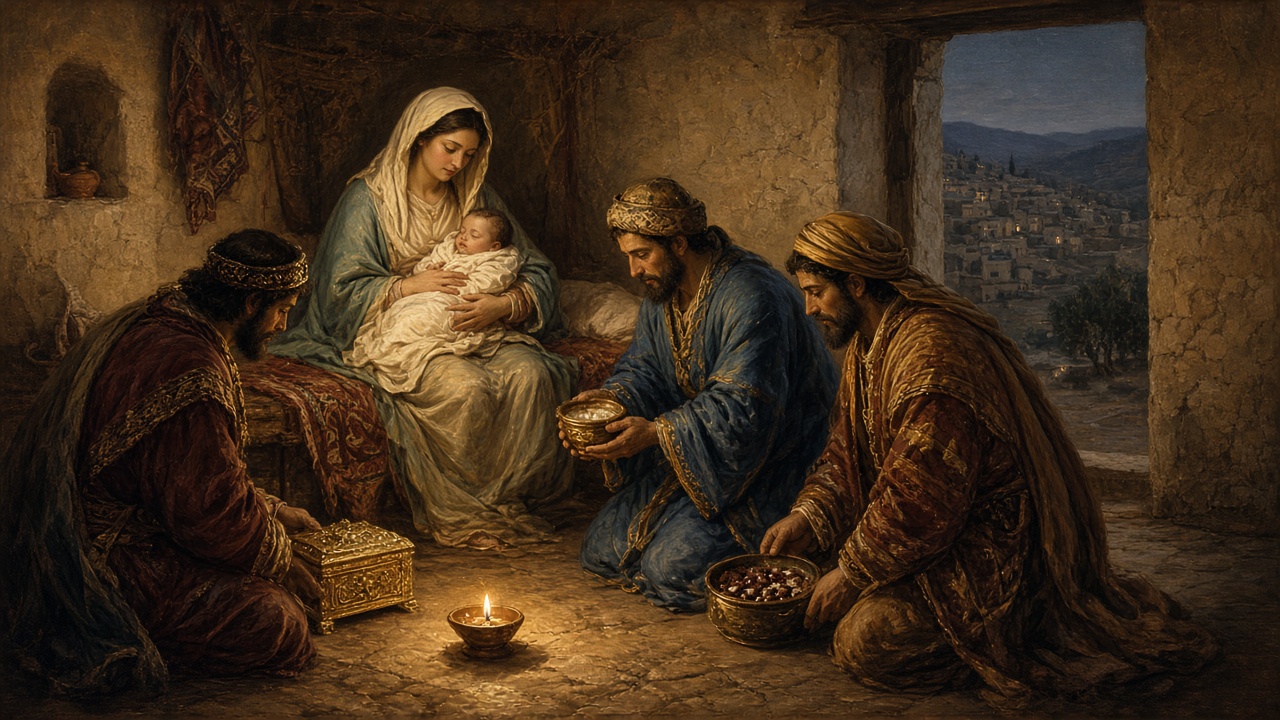
Did you know?
Magi, Herod, and Nazareth
- The King Herod of this chapter is Herod the Great. His son Archelaus, by Malthace, a Samaritan woman, inherited a third of the kingdom: Idumea, Judea, and Samaria. Until a few days before Herod's death another son, Antipas, had been named successor, but in his last moments Herod named Archelaus; for fear of him, Joseph turned aside from Judea and withdrew to Galilee.Sources: Archelaus · the Bible text itself
- Matthew links the deaths of the boys in Bethlehem to words spoken through the prophet Jeremiah: a voice in Ramah, Rachel weeping for her children. Rachel, one of Jacob's wives, died giving birth to Benjamin and was buried by the wayside on the road to Ephrath, that is Bethlehem, directly north of the town. Her sepulchre is regarded with great veneration by the Jews.Sources: the Bible text itself · Rachel · Bethlehem
- Bethlehem, in the hill country of Judah, was earlier called Ephrath and was also known as the city of David; under the Romans it lay in Judea, the southernmost of the three divisions of Palestine. Joseph and Mary went instead to Nazareth in Galilee, their home, a town not mentioned in the Old Testament. The name Nazareth is generally supposed to come from the Hebrew netser, a shoot or sprout, though some connect it with a word for guarding or watching.Sources: Bethlehem · Judea · Nazareth · the Bible text itself
Notes written with AI assistance from open sources (Theographic Bible Metadata, CC BY-SA 4.0; Easton’s Bible Dictionary, public domain) and reviewed before publishing.
Places in this chapter
- Bethlehem · 31.704, 35.208 · verses 1, 5, 6, 8, 9, 16
- East · Today: region around Amman · 31.955, 35.934 · verses 1, 2, 9
- Jerusalem · 31.777, 35.234 · verses 1, 3
- Judea · Today: Judea 1 · 31.777, 35.234 · verses 1, 5, 22
- Egypt · 30.129, 31.308 · verses 13, 14, 15, 19
- Galilee · 32.760, 35.527 · verse 22
- Nazareth · 32.702, 35.298 · verse 23
Only places identified with high confidence are shown (90% or more according to the scholarly sources compiled by OpenBible). Period map: DARE (Digital Atlas of the Roman Empire), CC BY 4.0; modern map: © OpenStreetMap contributors; places: OpenBible.info (CC BY 4.0).
Credits and license for this translation
Majepacʉ jʉ̃menijicʉi yávaiye mamaene coyʉitucubo
New Testament in Cubeo (CO:cub:Cubeo)
copyright © 2009 Wycliffe Bible Translators, Inc.
Language: Cubeo
Translation by: Wycliffe Bible Translators, Inc.
Cubeo [cub], Colombia
Copyright Information
© 2009, Wycliffe Bible Translators, Inc. All rights reserved.
This translation text is made available to you under the
terms of the Creative Commons License: Attribution-Noncommercial-No Derivative Works.
( http://creativecommons.org/licenses/by-nc-nd/3.0/ )
In addition, you have permission to port the text to different file formats, as long as you
do not change any of the text or punctuation of the Bible.
You may share, copy, distribute, transmit, and extract portions
or quotations from this work, provided that you include the above copyright
information:
You must give Attribution to the work.
You do not sell this work for a profit.
You do not make any derivative works that change any of the actual words or punctuation of the Scriptures.
Permissions beyond the scope of this license may be
available if you contact
us with your request.
The New Testament
in Cubeo
© 2009, Wycliffe Bible Translators, Inc. All rights reserved.
This translation is made available to you under the terms of the
Creative Commons Attribution-Noncommercial-No Derivatives license 4.0.
You may share and redistribute this Bible translation or extracts from it in any format, provided that:
You include the above copyright and source information.
You do not sell this work for a profit.
You do not change any of the words or punctuation of the Scriptures.
Pictures included with Scriptures and other documents on this site are licensed just for use with those Scriptures and documents.
For other uses, please contact the respective copyright owners.
2014-04-22
Source: http://ebible.org/cubNT/ · eBible.org