Matthew 10
Majepacʉ jʉ̃menijicʉi yávaiye mamaene coyʉitucubo · Tap a verse to see its cross-references.
Jesús ʉ̃i beoino ʉ̃i yávaiye méne coyʉicõjeimarava
1No yóboi Jesús órejarejame doce paivʉ ñʉjare ʉ̃i bueimarare. Aru parʉre d̶arejame ñʉjare, ñʉje jaetovarãjiyepe ayʉ abujuvare aru ñʉje mead̶arãjiyepe ayʉ caiye duica ijié coapa aru caino ijinore máre. 2Ñʉjare beorĩ epedejame ʉ̃i yávaiye méne beorĩ coyʉicõjeimarare: Mamarʉmʉ Simón, ʉ̃i ãmidoimʉ mácʉ Pedro, aru Andrés, Simón Pedroi yócʉ; aru Zebedeoi mácʉ Santiago, aru Santiagoi yócʉ Juan; Felipe aru Bartolomé; Tomás aru yʉ, Mateo, jabovare tãutʉra ĩcaipõecʉ bácʉ; Santiago, Alfeoi mácʉ, aru Tadeo; Simón, ãmicʉcʉ Celote, aru Judas Iscariote máre. Ñai marejáme jẽni jícʉyʉ Jesúre ʉ̃i mauvare. Ñʉja marejacárã Jesús ʉ̃i yávaiye méne beorĩ coyʉicõjeimara.
Jesús ʉ̃i jaroino ʉ̃i bueimarare
5Ñʉja doce paivʉre jarocʉyʉ barejáme Jesús, ñʉje coyʉrãjiyepe ayʉ Jʉ̃menijicʉi jaboteinoquede yávaiye méne. Yópe arĩ, majicarejame ñʉjare ʉ̃i jaroquiye jipocai:
—Judíova ãmevʉ ne joborõai nʉmejara. Aru Samaria ãmicʉrijoborõque ĩmaroare ecobejarã mʉja. 6Quénora coyʉrãnʉjara mʉja majevʉre, ina judíova, Israel bácʉi pãramenare. Jʉ̃menijicʉi yávaiyede jápiabeni, ʉ̃i ʉrõpe d̶abeni, ʉ̃́re jaboteicõjemema na. Que baru ovejava mamateivʉpe paivʉbu na. 7Mʉje nʉiyede yópe arĩ: “Jʉ̃menijicʉ jabotecʉyʉme põevare maumejiena”, arĩ coyʉjarã náre. Mead̶ajarã ijimarare. Nacovajara yaivʉ bácavʉre yainore jarʉvarĩ. Mead̶ajarã pojeivʉre. Aru jaetovajarã abujuvare ne ĩmamarare jocarĩ. 8Bojecʉbeda jívʉ yʉ mʉje parʉéva, mʉje mead̶arãjiyepe ayʉ põevare. Que baru mead̶ajarã náre bojecʉbeda. 9Nʉvamejara tãutʉrare mʉje jãrióicãvai. Úrure, platare, aru cobrede máre nʉvamejara. 10Curubʉare máre, mʉje curãnʉri cʉve nʉvajʉroricurubʉare, nʉvamejara mʉja. Aru pʉcacajea mʉje cuitótecajeare, cʉraidoare, aru tuturiteiyoare máre nʉvamejara mʉja. Memecaipõecʉre bojed̶aiye jaʉvʉ ʉ̃i memeinore. Que baru ina mʉje mead̶aimara márajivʉre jíye jaʉvʉ mʉjare jaʉéde.
11’Ĩmaroi mʉje eaiyede, vorĩ eajarã cũinácʉ põecʉre, ne pued̶aimʉre, jápiaiyʉcʉre mʉje coyʉiyede. Ʉ̃́que cʉjarã mʉja ʉ̃i cʉ̃rami pʉ dajocarĩ nʉivʉta nore jocarĩ. 12Mʉje ecoiyede cʉ̃rami, diñamicavʉre jacoyʉjarã mʉja, jẽniacaivʉ Jʉ̃menijicʉque ʉ̃i mearo d̶acaquiyepe aivʉ náre. 13Na meara maru, náre mearo d̶acacʉyʉme Jʉ̃menijicʉ yópe mʉje jẽniaiyepe. Ʉbenita na ãmena maru, náre mearo d̶acabecʉyʉme ʉ̃. 14Apecʉ ʉ̃i copʉ etabedu mʉjare, aru mʉje coyʉiyede jápiaiyʉbedu máre, pʉpejarã jobore mʉjare jẽiyede mʉje cʉboba cãchinoi ʉ̃i jã́iyede, mʉje etaiyede ʉ̃i cʉ̃ramine jocarĩ, no ĩmarore jocarĩ máre. 15Jãve coyʉyʉbu mʉjare: Ina Sodomacavʉ bácavʉ aru ina Gomorracavʉ bácavʉ máre pare ãmeina d̶aivʉ barejaquémavʉ. Ʉbenita diĩmarocavʉ mʉjare copʉ etabevʉ ñájinajarama nócavʉ bácavʉ pʉeno baju, Jʉ̃menijicʉi ñájiovaquijãravʉ baquinóre põevare, ne ãmeina teiye boje, arejame Jesús, ñʉjare jaroyʉ.
Jesús ʉ̃i coyʉino ʉ̃́re jʉ aivʉ ne ñájiyede
16Jesús coyʉre nʉrejame ñʉjare, yópe arĩ:
—Jã́jara. Jaroivʉ yʉ mʉjare ijãravʉcavʉ jẽneboi, yópe ovejava nʉiyepe ãimara jijecʉrivʉ jẽneboi. Ávaivʉbu maja judíova: Ãd̶a me majibi, aru jureco jijecʉbebico. Que baru ãd̶ape me majijarã, aru jurecope jijecʉbejarã põevaque, mʉje coyʉiyede náre. 17Me jã́jara mʉja. Mʉjare jẽni nʉvarajarama jabova ne ãmeina teivʉre jẽniari jã́iñami. Jara popenajarama mʉjare maja judíova maje cójijiñamiai. 18Aru mʉjare nʉvarajarama cõjeipõeva ne jipocai aru jabova ne jipocai máre, yʉre mʉje jʉ aiye boje, mʉje coyʉrãjiyepe aivʉ ji borore náre aru ina judíova ãmevʉre máre. 19Ne jẽni nʉvaiyede mʉjare ãmeina teivʉre jẽniari jã́iñami, “¿Aipe coyʉrãjidi náre?” arĩ cãrijimejara mʉja. Dinʉmʉ maquinómareca majinajaramu mʉje coyʉrãjiye mʉjare jaʉéde. 20Coyʉjarã mʉja yópe majepacʉi Espíritu ʉ̃i dápiare d̶aquiyepe aivʉ dinʉmʉ maquinóre.
21’Mʉjare, yʉre jʉ aivʉre, ina yʉre jʉ abevʉ ʉbenajarama. Que baru ʉ̃mʉ jẽni jícʉyʉme jíbʉcʉre o ĩmacʉre máre, jabova ne boarĩ́ jarʉvaicõjenajiyepe ayʉ ʉ̃́re. Aru nopedeca jípacʉ jẽni jícʉyʉme mamacʉre. Aru nopedeca némara jʉ abeni nébʉcʉvare maucʉvarĩ boarã́jarama náre. 22Caivʉ mʉjare, yʉre mʉje jʉ aiye boje, jorojĩni jã́rajarama cainoa joborõacavʉ. Ʉbenita ñai jʉ ayʉ yʉre ʉ̃i yainʉmʉita, ʉ̃ macʉyʉ́me ji mead̶aimʉ. 23Cũináro ĩmarocavʉ ne ñájine d̶aiyede mʉjare, dupini nʉjara mʉja apeno ĩmaroi. Jãve coyʉyʉbu mʉjare: Yʉ, Jʉ̃menijicʉi daroimʉ mácʉ ʉ̃mʉpe, copaidacʉyʉmu mʉje coyʉrĩ bubarãjiye jipocamia ji yávaiye méne cainoa maje ĩmaroa, Israeque ĩmaroai.
24’Ina bueimara ñame majibema náre bueipõecʉ pʉeno. Aru ina memecaivʉ ñame parʉbema ne jabocʉ pʉeno. 25Ñai bueimʉre vaiye jaʉvʉ caiye iye ʉ̃́re bueipõecʉi vaiye báquede. Aru ñai memecayʉre vaiye jaʉvʉ caiye iye ʉ̃i jabocʉi vaiye báquede. Põeva ãmeina yávaivʉ baru cʉ̃rami upacʉre, pʉeno baju ãmeina yávarãjarama ʉ̃i cʉ̃ramicavʉre. Quédecabu ina yʉre jʉ abevʉ “Abujuvai jabocʉbu mʉ” aiyʉrĩ yʉre, ãmidoivʉ Beelzebúre. Que baru mʉjare majicayʉbu: Pʉeno baju ãmeina yávarĩ ñájine d̶arãjarama mʉjare, arejame ñʉjare Jesús.
Jesús ʉ̃i coyʉino põeva ne jidʉrãjimʉre
26Ñʉjare coyʉre nʉrejame Jesús:
—Põevareca jidʉbejarã mʉja. Caiye yaveiye báque jároquiyebu. Aru dupióvaiye báquede máre majinajarama caivʉ põeva. 27Caiye ji coyʉiyede mʉjare ñeminoi, põeva ne jápiabede, coyʉjarã põevare miad̶ároi, ne jápiaiyede. Aru caiye mʉje jápiaiyede, põeva ne jũjuvaiyede, coyʉjarã obedivʉ põevare ne cójijinoai. 28Jidʉbejarã ina boarĩ́ jarʉvaivʉre mʉje bajure, ʉbenita mʉje ũmene boarĩ́ jarʉvaivʉ oabevʉre. Quénora jidʉjarã Jʉ̃menijicʉre, ñaine mʉje bajure aru mʉje ũmene máre, bíjarorĩ majicʉre toabo cũiméboi.
29’Yócavʉ bojed̶aivʉ pʉcajĩna míjina quĩ́jinare cũinátʉrava tãutʉratʉrava bojecʉbetʉravaque. Ʉbenita cũinájicʉ nácacʉ tʉrĩburu joborõita ʉ̃i yaidú, majepacʉ Jʉ̃menijicʉ tʉicõjeimi ʉ̃́re. Jʉ̃menijicʉ ʉ̃i tʉicõjemenu cũinájicʉ nácacʉre joborõita, tʉbecʉyʉme. 30Aru caiye iye pod̶amea cʉede mʉje jipobʉi majibi majepacʉ Jʉ̃menijicʉ. 31Que baru jidʉbejarã. Mʉja bojecʉrivʉtamu caivʉ míjina obedivʉ pʉeno. Que baru Jʉ̃menijicʉi cõjemenu, ãmeno vaibéquiyebu mʉjare, arejame ñʉjare Jesús.
Jesúre jʉ aivʉre aru jʉ abevʉre coyʉino
32Yópe arĩ, coyʉre nʉrejame Jesús:
—Caivʉ ina jʉ aivʉre yʉre põeva ne jã́iyede, yʉ máre náre jʉ acʉyʉmu jipacʉ, cavarõ mearocacʉ, ʉ̃i jã́inoi. 33Ʉbenita caivʉ ina jʉ abevʉre yʉre põeva ne jã́iyede, yʉ máre náre jʉ abecʉbu jipacʉ, cavarõ mearocacʉ, ʉ̃i jã́inoi, arejame Jesús.
Jesús ʉ̃i coatede d̶aino põevare
34Cojedeca Jesús, yópe arĩ, buedejame ñʉjare:
—Dápiabejarã mʉja yʉ dayʉ bácʉre, cãrijimene d̶acʉyʉ ijãravʉcavʉre. Dabedejacacʉ yʉ ijãravʉi, cãrijimene d̶acʉyʉ mʉjare. Quénora darejacacʉ yʉ, põevare coatede d̶acʉyʉ, apevʉ yʉre ne jʉ aiye boje ʉbenita apevʉ yʉre ne jʉ abe boje. 35Ji daiye báque boje, mamacʉ maucʉvacʉyʉme jípacʉre, aru mamaco maucʉvacod̶ome jípacore, aru mamacʉi márepaco maucʉvacod̶ome õi vácore máre. 36Que baru põecʉ ʉ̃i cʉ̃ramicavʉvacaribu ʉ̃i mauva márajivʉ.
37’Ácʉ põecʉ jípacʉre o jípacore ʉcʉ baru ji pʉeno, ʉ̃ bʉojabebi jícʉ bacʉyʉ́. Ácʉ põecʉ mamacʉre o mamacore ʉcʉ baru ji pʉeno, ʉ̃ bʉojabebi jícʉ bacʉyʉ́. 38Ácʉ põecʉ daiyʉcʉ yʉ́que, dajocajacʉrĩ põeva ne mearo jã́iyede ʉ̃́re, cʉyebejacʉrĩ yʉre yóvaiyede, aru jidʉbejacʉrĩ ʉ̃i ñájiquiyede. Nópe d̶abecʉ baru, ʉ̃ bʉojabebi jícʉ bacʉyʉ́. 39Ñai põecʉ ʉ̃i baju ʉrõpe d̶arĩ, mead̶aiyʉcʉ baru ʉ̃i bajure, coatecʉyʉme ʉ̃i bajure Jʉ̃menijicʉre jarʉvarĩ, yópe yaiyʉ́ bácʉpe ʉ̃i ũmei. Ʉbenita ñai põecʉ, “Ye baju ãmevʉ, ji yaidú Cristore boje” ayʉ, ʉ̃i baju ʉrõpe d̶abecʉva quénora ji ʉrõpe d̶arĩ, ʉ̃́recabe ji mead̶aquimʉ, cʉcʉyʉ Jʉ̃menijicʉque cainʉmʉa, ñʉjare arĩ buedejame Jesús.
Põeva bojed̶aimara ne baju d̶aiyepe
40Jesús buedejame ñʉjare cojedeca:
—Ñai põecʉ copʉ etayʉ baru mʉjare mʉje coyʉrãnʉiyede ji yávaiye méne, yʉre máre copʉ etaibi ʉ̃. Aru ñai põecʉ copʉ etayʉ baru yʉre, copʉ etaibi ñai yʉre daroyʉre máre. 41Ñame copʉ etaivʉ cũinácʉ Jʉ̃menijicʉi yávaiyede coyʉcaipõecʉre, Jʉ̃menijicʉ bojed̶acʉyʉme náre yópe ʉ̃i bojed̶aiyepedeca ñai ʉ̃i yávaiyede coyʉcaipõecʉre. Aru ñame copʉ etaivʉ cũinácʉ ʉ̃mʉ meacʉre, Jʉ̃menijicʉ bojed̶acʉyʉme náre yópe ʉ̃i bojed̶aiyepedeca ñai ʉ̃mʉ meacʉre. 42Jãve coyʉyʉbu mʉjare: Ñai põecʉ jíyʉ cũinárʉ jororʉre ocoque, cad̶atecʉyʉ cũinácʉ ji bueimaracacʉre, parʉbecʉreca ʉ̃i yóvaiye boje yʉre, jãve bíjabecʉyʉme ʉ̃ Jʉ̃menijicʉi bojed̶aiyede ʉ̃́re, arĩ buedejame Jesús.
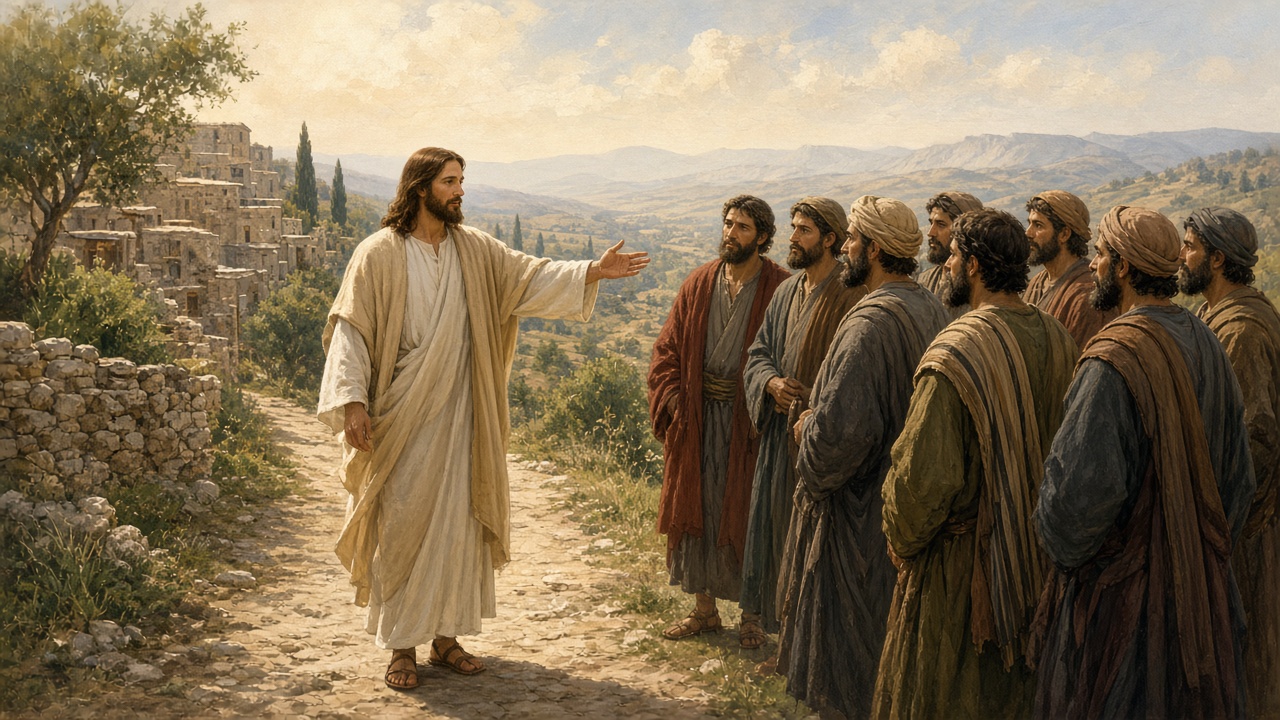
Did you know?
The Twelve Sent on Mission
- Simon, called Peter, and his brother Andrew—the first pair named among the twelve—were fishermen from Bethsaida, on the western coast of the Sea of Galilee. James and John, listed next, were sons of Zebedee, a Galilean fisherman who had his own boats and hired servants.Sources: the Bible text itself · Simon Peter · Andrew · Zebedee
- Matthew, identified in the list as the tax collector, was the son of Alphaeus and had formerly been known as Levi; he collected taxes at Capernaum, and the name Matthew means “gift of God.” Thomas, named beside him, was also called Didymus, the Greek equivalent of the Hebrew name, meaning “twin.” Bartholomew means “son of Tolmai” and is generally supposed to have been the same person as Nathanael.Sources: the Bible text itself · Matthew · Thomas · Bartholomew
- Jesus warns that the day of judgment will be more bearable for Sodom and Gomorrah than for a town that refuses the twelve apostles. Easton's Bible Dictionary (1897) describes those cities of the plain of Siddim as destroyed by fire and proverbial for wickedness, and places them, probably close together, near the northern end of what is now the Dead Sea.Sources: the Bible text itself · Sodom · Gomorrah
Notes written with AI assistance from open sources (Theographic Bible Metadata, CC BY-SA 4.0; Easton’s Bible Dictionary, public domain) and reviewed before publishing.
Credits and license for this translation
Majepacʉ jʉ̃menijicʉi yávaiye mamaene coyʉitucubo
New Testament in Cubeo (CO:cub:Cubeo)
copyright © 2009 Wycliffe Bible Translators, Inc.
Language: Cubeo
Translation by: Wycliffe Bible Translators, Inc.
Cubeo [cub], Colombia
Copyright Information
© 2009, Wycliffe Bible Translators, Inc. All rights reserved.
This translation text is made available to you under the
terms of the Creative Commons License: Attribution-Noncommercial-No Derivative Works.
( http://creativecommons.org/licenses/by-nc-nd/3.0/ )
In addition, you have permission to port the text to different file formats, as long as you
do not change any of the text or punctuation of the Bible.
You may share, copy, distribute, transmit, and extract portions
or quotations from this work, provided that you include the above copyright
information:
You must give Attribution to the work.
You do not sell this work for a profit.
You do not make any derivative works that change any of the actual words or punctuation of the Scriptures.
Permissions beyond the scope of this license may be
available if you contact
us with your request.
The New Testament
in Cubeo
© 2009, Wycliffe Bible Translators, Inc. All rights reserved.
This translation is made available to you under the terms of the
Creative Commons Attribution-Noncommercial-No Derivatives license 4.0.
You may share and redistribute this Bible translation or extracts from it in any format, provided that:
You include the above copyright and source information.
You do not sell this work for a profit.
You do not change any of the words or punctuation of the Scriptures.
Pictures included with Scriptures and other documents on this site are licensed just for use with those Scriptures and documents.
For other uses, please contact the respective copyright owners.
2014-04-22
Source: http://ebible.org/cubNT/ · eBible.org