Luke 9
Majepacʉ jʉ̃menijicʉi yávaiye mamaene coyʉitucubo · Tap a verse to see its cross-references.
Jesús ʉ̃i jaroino ʉ̃i bueimarare
1Órejarĩ ina doce paivʉ ʉ̃i bueimarare ʉ̃i yebai, Jesús jídejamed̶a ne parʉéva, ne jaetovarãjiyepe ayʉ abujuvare aru ne mead̶arãjiyepe ayʉ ijimarare. 2Aru jarorejamed̶a náre, ne coyʉrãjiyepe ayʉ Jʉ̃menijicʉi jaboteinoque yávaiye méne aru ne mead̶arãjiyepe ayʉ põevare. 3Jesús arejamed̶a náre:
—Nʉvamejara mʉja apejĩene mʉje nʉinore. Tuturiteiyoava nʉvamejara, curubʉare máre, ãiyede máre, aru tãutʉrare máre. Nʉjara mʉje cuitótecaje doino cʉeda. 4Ã́ri mʉja ecoivʉ ĩmaroi, cʉjarã cũinácʉ cʉ̃rami upacʉque pʉ dajocarĩ nʉivʉta nore jocarĩ. 5Apenoi ne copʉ etabedu mʉjare, aru ne jápiaiyʉbedu iye yávaiye méne, etarĩ nʉjara. Aru pʉpejarã jobore mʉjare jẽiyede mʉje cʉboba cãchinoi ne jã́iyede, ne jápiaiyʉbe boje. Que teni diĩmarocavʉ coreóvarãjarama jʉ abevʉre Jʉ̃menijicʉre aru mʉjare máre, arejamed̶a Jesús.
6Que arĩburu yóboi, etarĩ nʉrejaimad̶a ĩmaroai aru ĩmajinoa coapa. Coyʉrejaimad̶a Jʉ̃menijicʉi yávaiye méne aru mead̶arejaimad̶a põevare caino.
Juan Bautista bácʉ ʉ̃i yaino
7Dinʉmʉ ñai jabocʉ Herodes jápiarejamed̶a Jesúi borore, caiye ʉ̃i d̶aiyede. Aru cãrijinejamed̶a, põeva ne yávaiye boje. Apevʉ arejaimad̶a, “Juan Bautista bácʉ nacajacʉbe yainore jarʉvarĩ”. 8Apevʉ arejaimad̶a, “Elías járocʉbe cojedeca”. Aru apevʉ arejaimad̶a, “Cũinácʉ Jʉ̃menijicʉi yávaiyede coyʉcaipõecʉ bácʉ nacajacʉbe yainore jarʉvarĩ”. 9Herodecapũravʉ arejamed̶a: “Juan Bautista bácʉi jipobʉre buraicõjecacʉ yʉ. Que baru, ¿ñamema ñai ʉ̃i borore ji jápiaimʉ?” arejamed̶a. Aru pare jã́iyʉrejamed̶a Jesúre ñai jabocʉ Herodes.
Jesús ʉ̃i ãre d̶aino cũinápʉrʉpe paimil baju ʉ̃mʉvare
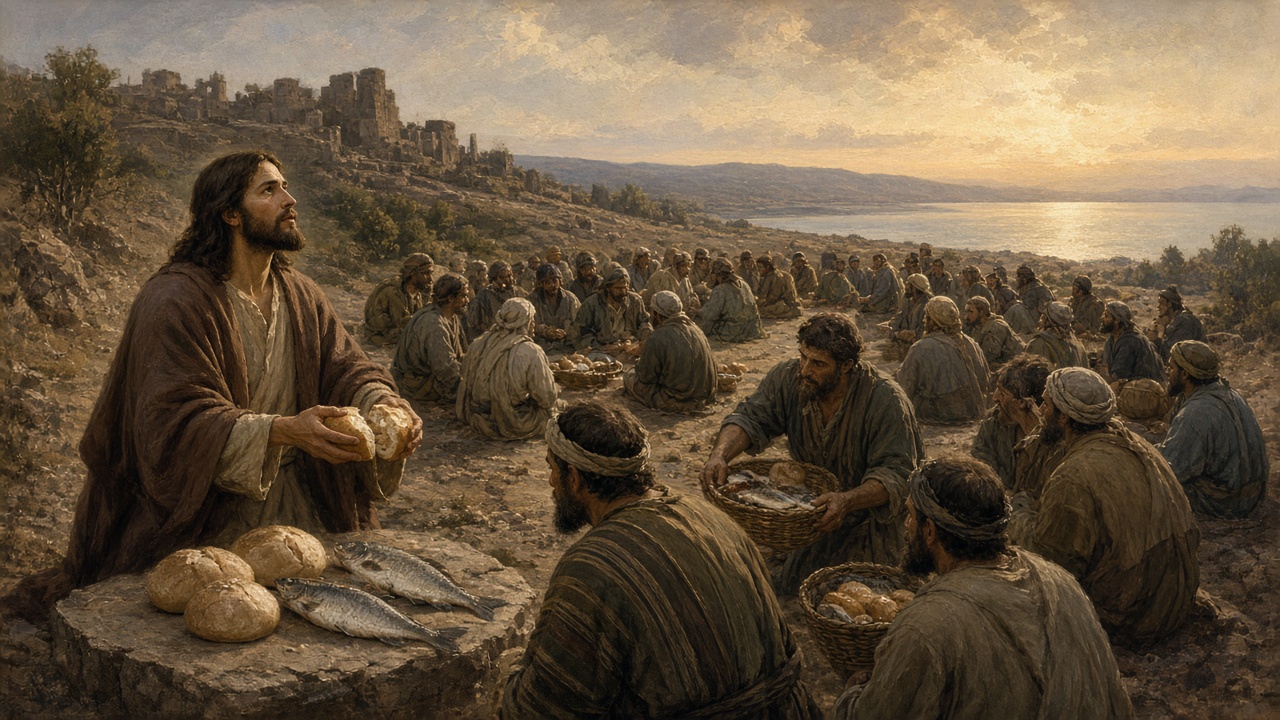
10Dinʉmʉ Jesúi daroimara mácavʉ copainʉrejaimad̶a ʉ̃i yebai. Ʉ̃́re coyʉrejaimad̶a caino ne d̶aino mácarõre. Aru Jesús náre nʉvaridurejamed̶a põevare jocarĩ cũináĩmaro joabenoi, Betsaida ãmicʉrõi. 11Ʉbenita náre nʉivʉre majidejaimad̶a põeva obedivʉ. Aru Jesújãre cujurejaimad̶a na. Jesúcapũravʉ torojʉcʉ jacoyʉrejamed̶a náre. Coyʉrejamed̶a Jʉ̃menijicʉi jaboteinoque yávaiyede. Aru mead̶arejamed̶a nácavʉ ijimarare máre.
12Aru nainú tʉvaino marejávʉ̃ya. Que baru coyʉrãearejaimad̶a ina doce paivʉ ʉ̃i bueimara. Arejaimad̶a ʉ̃́re:
—Põecʉbenotamu yo. Que baru nʉicõjejacʉ ina põevare, ne vorãjiyepe ayʉ ne jabʉóvarãjiyede aru ne bojed̶arãjiyepe ayʉ ne ãrajiyede ĩmaro joabenoi aru no cʉrõvaquei, arejaimad̶a Jesúre.
13Ʉbenita Jesús arejamed̶a náre:
—Mʉja náre ãiyede jíjarã, arejamed̶a.
Na arejaimad̶a ʉ̃́re:
—Pã́uboa cũinápʉrʉpe paiboa aru moa pʉcarã quénora cʉvavʉ ñʉja. ¿Ñʉja bojed̶acarãnʉrajidi ãiyede, jínajivʉ caivʉ ina põevare? arejaimad̶a na.
14Aru nácavʉ ʉ̃mʉva cũinápʉrʉpe paimil baju barejáimad̶a na. Jesús arejamed̶a ʉ̃i bueimarare:
—Dobaicõjejara mʉja ina põevare yajuboa teni, cainimea teni, cincuenta paivʉ cʉriyajuboa, arejamed̶a Jesús.
15Ʉ̃i aiye báquepedeca d̶arejaimad̶a na. Que teni dobaicõjenejaimad̶a náre. 16Aru die pã́uboa cũinápʉrʉpe paiboa aru moa pʉcarãre jẽni, cavarõi jã́ñʉ, torojʉede jídejamed̶a Jʉ̃menijicʉre. Torojʉede jíni bʉojarĩ, pã́uboare aru moare máre cotʉvarĩ jebeni, põevare jícõjenejamed̶a Jesús ʉ̃i bueimarare. 17Aru caivʉ ãri yapidejaimad̶a na. Ãri bubarĩburu yóboi, iye cotʉvaiye báque pã́u aru moa máre põeva ne ãri oabede ĩni, mead̶arĩ, pʉebʉa doce paibʉare, judíova ne pʉebʉare, buivárejaimad̶a ʉ̃i bueimara cojedeca.
Pedro ʉ̃i “Cristobu mʉ” aino
18Jesús coyʉyʉ barejámed̶a Jʉ̃menijicʉre cũinácʉva. Aru ʉ̃i bueimara cʉrejaimad̶a ʉ̃́que. Dinʉmʉre jẽniari jã́rejamed̶a náre yópe:
—¿Aipe aidi põeva yʉre? ¿“Yécʉbebu”, aidi na? arejamed̶a Jesús.
19Arejaimad̶a ʉ̃́re:
—Apevʉ ad̶ama, “Juan Bautistabe”. Aru apevʉ ad̶ama, “Elíabe”. Aru apevʉ ad̶ama, “Cũinácʉ Jʉ̃menijicʉi yávaiyede coyʉcaipõecʉ bácʉ nacajañʉ mácʉbe”, ad̶ama mʉre, arejaimad̶a na.
20Aru Jesús jẽniari jã́rejamed̶a náre:
—¿Ʉbenita aipe aivʉrʉ̃ mʉja yʉre? arejamed̶a Jesús.
Pedro jʉ arejamed̶a ʉ̃́re:
—Mʉ Jʉ̃menijicʉi daroimʉ mácʉbu. Ñʉjare jabotecʉyʉmu mʉ, arejamed̶a Pedro Jesúre.
Jesús ʉ̃i coyʉino ʉ̃i yaiquínore
21Ʉbenita ʉ̃i borore apevʉre coyʉicõjemenejamed̶a náre, yópe arĩ:
22—Jaʉvʉ yʉre, Jʉ̃menijicʉi daroimʉ mácʉre ʉ̃mʉpe, ʉrarõ ji ñájiquino. Ina judíova bʉcʉva, aru sacerdotevare jaboteipõeva, aru Jʉ̃menijicʉi yávaiye báquede bueipõeva máre yʉre boarĩ́ jarʉvarãjarama. Aru yóbecʉrijãravʉa yóboi nacajacʉyʉmu yʉ yainore jarʉvarĩ, arejamed̶a Jesús.
23Aru caivʉre arejamed̶a Jesús:
—Ácʉ põecʉ daiyʉcʉ yʉ́que, dajocajacʉrĩ põeva ne mearo jã́iyede ʉ̃́re, cʉyebejacʉrĩ yʉre yóvaiyede, aru jidʉbejacʉrĩ ʉ̃i ñájiquiyede. Nópe d̶abecʉ baru, ʉ̃ bʉojabebi jícʉ bacʉyʉ́. 24Ñai põecʉ ʉ̃i baju ʉrõpe d̶arĩ, mead̶aiyʉcʉ baru ʉ̃i bajure, coatecʉyʉme ʉ̃i bajure Jʉ̃menijicʉre jarʉvarĩ, yópe yaiyʉ́ bácʉpe ʉ̃i ũmei. Ʉbenita ñai põecʉ, “Ye baju ãmevʉ, ji yaidú Cristore boje” ayʉ, ʉ̃i baju ʉrõpe d̶abecʉva quénora ji ʉrõpe d̶arĩ, ʉ̃́recabe ji mead̶aquimʉ, cʉcʉyʉ Jʉ̃menijicʉque cainʉmʉa. 25Ñai põecʉ cʉvacʉ baru caiye ijãravʉquede, ʉbenita bíjayʉ baru ʉ̃i ũmene, ñájicʉyʉme cainʉmʉa toabo cũiméboi. 26Aru ñai põecʉi cʉyedu yʉre aru ji yávaiyede máre, yʉ, Jʉ̃menijicʉi daroimʉ mácʉ ʉ̃mʉpe, máre cʉyeni dápiacʉyʉmu ʉ̃́re ji jã́d̶ovaiyede ji mearore, aru jipacʉ meacʉ baju ʉ̃i mearore, aru ina ángeleva meara ne mearore máre, ji daquijãravʉ baquinói. 27Jãve coyʉyʉbu mʉjare: Apevʉ cʉrivʉ yui, ne yainájiye jipocai jã́rajarama Jʉ̃menijicʉi jaboteino cʉrõre, ji jaboteiyede põevare, arejamed̶a Jesús.
Jesús ʉ̃i baju oatuvaino
28Ocho paijãravʉa yóboi, Jesús nʉvarejamed̶a Pedrore, Jũare, aru Santiagore máre, jẽniarajivʉ Jʉ̃menijicʉque cʉ̃racũi. 29Ʉ̃i jẽniaiyedeca, ʉ̃i jiva oatʉvarejavʉ̃ya. Aru ʉ̃i cuitótecaje boricaje pẽorejavʉ̃ya. 30Pʉcarã ʉ̃mʉva járorejaimad̶a, boroteivʉ ʉ̃́que. Na marejáimad̶a Moisés aru Elías. 31Caino ne cʉrõ miad̶ári jajavʉ tedejavʉ̃ya. Borotedejaimad̶a Jesús ʉ̃i copaiquinore ijãravʉre jocarĩ aru ʉ̃́re vaiquínore máre Jerusalén ãmicʉriĩmaroi. 32Pedro aru ʉ̃́cavʉ máre vʉocʉrivʉvacari, cãmenejaimad̶a. Quénora apʉrivʉ jã́rejaimad̶a Jesús meacʉ bajure aru náre máre, ina pʉcarã ʉ̃mʉva cʉrivʉre ʉ̃́que. 33Moisés aru Elías ne dajocaiyede Jesúre, Pedro arejamed̶a:
—Mʉ, bueipõecʉ, mearotamu ñʉje cʉru yui. Que baru d̶arãjivʉbu ñʉja yóbecʉriñamia cʉ̃ramia quĩ́jiñamia maquiyéde, cũinád̶ami maquinóre míñami, aru aped̶ãmi maquinóre Moiséde, aru aped̶ãmi maquinóre Elíare, arejamed̶a Pedro.
34Ʉbenita majibedejamed̶a ʉ̃i que ainore. Ʉ̃i coyʉiyedeca, ocopenibo ẽmeni taorejavʉ̃ya náre. Que baru jidʉrejaimad̶a pare. 35Aru ocopenibo taoiyede náre, jápiarejaimad̶a apeno yávainore ocopeniboi etaiyede: “Ñaime jímacʉ, ji beoimʉ. Que baru jápiajarã ʉ̃́re”, arejamed̶a Jʉ̃menijicʉ.
36Aru yávarĩburu yóboi, jã́rejaimad̶a Jesúre cũinácʉva. Ʉbenita ne jã́ino mácarõre bi arĩ coyʉbedejaimad̶a apevʉ põevare.
Jesús ʉ̃i mead̶aino jʉed̶ocʉre abujucʉ ʉ̃i ĩmamʉre
37Cõmiáijãravʉ, ẽmeivʉ bácavʉ dicũ cʉ̃racũre jocarĩ, obedivʉ põeva copʉ nʉrejaimad̶a Jesúre. 38Aru cũinácʉ põecʉ põeyajubo jẽneboi, yópe arĩ, cod̶oboborejamed̶a:
—Mʉ, bueipõecʉ, jẽniaivʉ mʉre. Jã́jacʉ jímacʉre, cũinácʉra ji cʉvamʉre. 39Abujucʉ cainʉmʉa bidióvarĩ tʉre d̶ávabi ʉ̃́re joborõi. Ʉ̃́re ñájine d̶arĩ, cod̶obobore d̶ávabi. Aburi etavavʉ ʉ̃́re. Aru ñai abujucʉ dajocaiyʉbevabi ʉ̃́re. 40Yʉ jẽniariduvʉ mi bueimarare, ne jaetovarãjiyepe ayʉ ñai abujucʉre. Ʉbenita ñaine jaetovarĩ majibema na, arejamed̶a Jesúre.
41Jesús arejamed̶a:
—Mʉja, ijãravʉcavʉ, Jʉ̃menijicʉre jʉ abevʉ aru ãmeina teivʉ máre, ¿aipijãravʉa cʉquidi yʉ mʉjaque? ¿Aru aipijãravʉa ñájiquidi yʉ mʉjaque, mʉje jʉ arãjiyepe ayʉ ji coyʉiyede? Davajacʉ mímacʉre ji yebai, arejamed̶a Jesús.
42Aru ñai jʉed̶ocʉ ʉ̃i eaiyedeca Jesús yebai, ñai abujucʉ bidióvarĩ tʉre d̶arejamed̶a ʉ̃́re. Ʉbenita Jesús jararĩ abujucʉre, jaetovarejamed̶a ʉ̃́re ñai jʉed̶ocʉre jocarĩ. Que d̶arĩ mead̶arejamed̶a ʉ̃́re. Aru jacopaiyovarejamed̶a jípacʉre. 43Aru caivʉ cuecumarejaimad̶a Jʉ̃menijicʉ ʉ̃i ʉrarõ parʉéde.
Jesús ʉ̃i coyʉino cojedeca ʉ̃i yaiquínore
Põeva ne ʉrarõ dápiaiyede caiye ʉ̃i d̶aiye báquede, Jesús arejamed̶a ʉ̃i bueimarare:
44—Me jápiajarã caiye iye ji coyʉquiyede mʉjare. Ãrʉmetebejarã. Yʉre, Jʉ̃menijicʉi daroimʉ mácʉre ʉ̃mʉpe, jẽni jínajivʉbu ji mauvare, Jesús arejamed̶a náre.
45Jʉ̃menijicʉ jápiarĩ eaicõjemenejamed̶a náre iye Jesús ʉ̃i coyʉiyede. Que baru jápiarĩ coreóvabedejaimad̶a. Aru jidʉrivʉ jẽniari jã́iyʉbedejaimad̶a ʉ̃́re iye ʉ̃i coyʉino mácarõre náre.
¿Ñamema parʉcʉ maje jẽnebore?
46Jesúi bueimara jararĩ bʉ́rejaimad̶a ne bajumia ñamene parʉcʉre ne jẽneboi apevʉ pʉeno. 47Ʉbenita Jesús coreóvayʉ bácʉ ne dápiaiyede ne ũmei, jẽnejamed̶a cũinácʉ jʉed̶ocʉre. Aru ʉ̃́re núvari ʉ̃i yebai, arejamed̶a náre:
—Cũinácʉ põecʉ copʉ etayʉ baru ñai jʉed̶ocʉre ji ãmiái, ji cõjeiyepe, que d̶ayʉ nopedeca copʉ etaibi yʉre. Aru ñai copʉ etayʉ baru yʉre, copʉ etaibi ñai yʉre daroyʉre máre. Que baru ñai mʉjacacʉ parʉbecʉ caivʉ pʉeno, ñai cad̶ateiyʉcʉ apevʉre, ʉ̃́recabe jãve parʉcʉ Jʉ̃menijicʉi jã́inore. Põeva parʉrivʉbu, cad̶ateivʉ baru apevʉre Jʉ̃menijicʉi jã́inore. Ʉbenita ina jaboteiyʉrivʉ apevʉre, aru d̶aicõjeiyʉrivʉ náre máre, parʉbevʉbu Jʉ̃menijicʉi jã́inore, arĩ buedejamed̶a Jesús.
Majare jarabecʉ, majacacʉbe
49Juan arejamed̶a Jesúre:
—Mʉ, bueipõecʉ, jã́carã ñʉja cũinácʉ ʉ̃mʉ abujuvare jaetovayʉre mi ãmiái, mi parʉéque. Ʉbenita ñʉjaque ʉ̃i cʉbe boje, “D̶abejacʉ” acarã ñʉja ʉ̃́re, arejamed̶a Juan.
50Ʉbenita Jesús arejamed̶a:
—Ácʉ põecʉ maucʉvabecʉ baru majare, majacacʉbe ʉ̃. Que baru ʉ̃́re nópe aiye jaʉbeteavʉ̃ mʉjare, arejamed̶a náre Jesús.
Jesús Santiagore aru Jũare máre ʉ̃i jaraino
51Joabejĩno marejávʉ̃ya ʉ̃i mʉri nʉquijãravʉ baquinó cavarõ mearo Jʉ̃menijicʉi cʉrõita. Que baru Jesús, parʉéque dápiarĩ, bʉ́rejamed̶a ʉ̃i nʉiyede Jerusalén ãmicʉriĩmaroi. 52Ʉ̃i jipocai jarorejamed̶a ʉ̃́re boro nʉvacaipõevare. Aru ina nʉri ecorejaimad̶a Samaria ãmicʉrijoborõcaĩmaroi. Noi Jesús ʉ̃i eaquinore mead̶arãnʉridurejaimad̶a na. 53Ʉbenita ina Samariacavʉ copʉ etaiyʉbedejaimad̶a Jesúre, ʉ̃i nʉiye boje Jerusalén ãmicʉriĩmaroita, ne ʉbe boje diĩmarocavʉre. 54Ʉ̃i bueimara pʉcarã, Santiago aru Juan, diede jã́ivʉ bácavʉ, jẽniari jã́rejaimad̶a Jesúre:
—Mʉ, ñʉje jabocʉ, ¿jõd̶aicõjenajidi ñʉja toabore cavarõ mearo Jʉ̃menijicʉi cʉrõquede, ne ẽ́najiyepe aivʉ? arejaimad̶a na.
55Ʉbenita Jesús copedini jararejamed̶a náre. 56Aru nʉrejaimad̶a apeno ĩmaroi.
Apevʉ Jesúque ne nʉiyʉrĩduino
57Jesújã mái nʉiyede, cũinácʉ ʉ̃mʉ arejamed̶a Jesúre:
—Mʉ́que nʉquijivʉ yʉ caino mi nʉinoita, arejamed̶a.
58Aru Jesús arejamed̶a ʉ̃́re:
—Macayavimiva cʉvama ne cobeá. Aru míjina cʉvama ne juaiboa. Ʉbenita yʉ, Jʉ̃menijicʉi daroimʉ mácʉ ʉ̃mʉpe, ji cʉrõ cʉvabevʉ, arejamed̶a Jesús.
59Aru apecʉre arejamed̶a:
—Dajacʉ yʉ́que, arejamed̶a.
Ʉbenita arejamed̶a Jesúre:
—Mʉ, ji jabocʉ, mamarʉmʉre jarʉvaquijivʉ cãreja jipacʉre cʉ̃racobei, ʉ̃i yaiyede, arejamed̶a.
60Ʉbenita Jesúcapũravʉ arejamed̶a:
—Ina yaivʉ bácavʉpe paivʉ, ne jápiabe boje Jʉ̃menijicʉi jaboteinoque yávaiyede, jarʉvajarãri ina yaivʉ bácavʉre. Ʉbenita mʉ́capũravʉ coyʉcʉnʉjacʉ Jʉ̃menijicʉi jaboteinoque yávaiyede, arejamed̶a Jesús.
61Aru apecʉ máre arejamed̶a Jesúre:
—Mʉ, ji jabocʉ, mʉ́que nʉquijivʉ yʉ. Ʉbenita mamarʉmʉre, “Nʉñʉmu” aicõjejacʉ yʉre ji cʉ̃ramicavʉre, arejamed̶a.
62Jesúcapũravʉ arejamed̶a ʉ̃́re:
—Põecʉ d̶aiyʉcʉ baru ji ʉrõre aru ʉ̃i baju ʉrõre máre, bʉojabebi memecayʉ yʉre. Põeva ʉ̃́pe paivʉre Jʉ̃menijicʉ jabotebecʉbe, arĩ buedejamed̶a náre Jesús.
Did you know?
Mission, identity, and the road to Jerusalem
- Herod the tetrarch, perplexed by reports about Jesus, is Herod Antipas, Herod's son by Malthace. He said he had beheaded John, while some claimed that John had risen from the dead, others that Elijah the Tishbite, the "Elias" of the New Testament, had appeared, and still others that a prophet of old had arisen. One chronology of these events dates John's beheading to AD 29.Sources: Herod Antipas · Elijah · John Beheaded · the Bible text itself
- After the apostles returned, Jesus withdrew with them to a town called Bethsaida, where he welcomed the crowds, spoke about the kingdom of God, and fed about five thousand men with five loaves and two fish. Easton's Bible Dictionary (1897) places this Bethsaida on the east side of the lake, two miles up the Jordan, in the region of Gaulonitis; Philip the tetrarch enlarged it and called it Julias, after the emperor's daughter. Some have supposed there was only one Bethsaida, built on both sides of the lake near where the Jordan enters it; the entry identifies the ruins as et-Tel.Sources: Bethsaida · the Bible text itself
- Peter, originally called Simon, answered that Jesus is "the Christ of God." About eight days later Jesus took Peter, James, and John up a mountain to pray; Moses and Elijah appeared in glory and spoke about the departure Jesus was about to accomplish at Jerusalem. James, elder brother of John and a fisherman in partnership with Peter, was with them; he and John were called Boanerges, "sons of thunder," probably because of their boldness and energy, and later they asked whether they should call down fire from heaven on a village of the Samaritans that would not welcome Jesus because he was heading for Jerusalem.Sources: Simon Peter · James (Son of Zebedee) · the Bible text itself
Notes written with AI assistance from open sources (Theographic Bible Metadata, CC BY-SA 4.0; Easton’s Bible Dictionary, public domain) and reviewed before publishing.
Places in this chapter
Only places identified with high confidence are shown (90% or more according to the scholarly sources compiled by OpenBible). Period map: DARE (Digital Atlas of the Roman Empire), CC BY 4.0; modern map: © OpenStreetMap contributors; places: OpenBible.info (CC BY 4.0).
Credits and license for this translation
Majepacʉ jʉ̃menijicʉi yávaiye mamaene coyʉitucubo
New Testament in Cubeo (CO:cub:Cubeo)
copyright © 2009 Wycliffe Bible Translators, Inc.
Language: Cubeo
Translation by: Wycliffe Bible Translators, Inc.
Cubeo [cub], Colombia
Copyright Information
© 2009, Wycliffe Bible Translators, Inc. All rights reserved.
This translation text is made available to you under the
terms of the Creative Commons License: Attribution-Noncommercial-No Derivative Works.
( http://creativecommons.org/licenses/by-nc-nd/3.0/ )
In addition, you have permission to port the text to different file formats, as long as you
do not change any of the text or punctuation of the Bible.
You may share, copy, distribute, transmit, and extract portions
or quotations from this work, provided that you include the above copyright
information:
You must give Attribution to the work.
You do not sell this work for a profit.
You do not make any derivative works that change any of the actual words or punctuation of the Scriptures.
Permissions beyond the scope of this license may be
available if you contact
us with your request.
The New Testament
in Cubeo
© 2009, Wycliffe Bible Translators, Inc. All rights reserved.
This translation is made available to you under the terms of the
Creative Commons Attribution-Noncommercial-No Derivatives license 4.0.
You may share and redistribute this Bible translation or extracts from it in any format, provided that:
You include the above copyright and source information.
You do not sell this work for a profit.
You do not change any of the words or punctuation of the Scriptures.
Pictures included with Scriptures and other documents on this site are licensed just for use with those Scriptures and documents.
For other uses, please contact the respective copyright owners.
2014-04-22
Source: http://ebible.org/cubNT/ · eBible.org