John 4
Majepacʉ jʉ̃menijicʉi yávaiye mamaene coyʉitucubo · Tap a verse to see its cross-references.
Jesús Samariacacoque ne boroteino
1Obedivʉ ʉ̃i bueimara cʉvarejamed̶a Juan Bautista. Ʉbenita pʉeno obedivʉ ʉ̃i bueimara cʉvarejame Jesús. Aru Jesúi Jʉ̃menijicʉre jã́d̶ovaimara mácavʉ ocoque obedivʉ barejáima Juan Bautista ʉ̃i Jʉ̃menijicʉre ocoque jã́d̶ovaimara mácavʉ pʉeno. Ʉbenita Jesúcapũravʉ põevare Jʉ̃menijicʉre jã́d̶ovamenejame ocoque. Quénora ñʉja, ʉ̃i yávaiye méne beorĩ coyʉicõjeimarare jã́d̶ovaicõjenejame náre ocoque. Ina fariseo ãmicʉriyajubocavʉ, põeva “Jesús obedivʉ ʉ̃i bueimara cʉvabi Juan Bautista pʉeno”, ne arĩ boroteiyede jápiarejaimad̶a. 3Jesús jápiayʉ bácʉ ina fariseova ne coreóvaiyede iye borore ʉ̃́ra, Judea ãmicʉrõre dajocarĩ nʉri, Galilea ãmicʉrijoborõi nʉrejame. Aru ʉ̃́que nʉrejacarã ñʉja.
4Ñʉje nʉiyede Galileai, Samaria ãmicʉrijoborõi vaiye jaʉrejavʉ̃ ñʉjare. 5Vaidé nʉri, Samariacarõ ĩmaro, Sicar ãmicʉriĩmaroi ẽmenejacarã ñʉja. Sicar bajita cʉrejaquemavʉ no joborõ, ñʉjeñecu mácʉ Jacob bácʉ ʉ̃i jíno mácarõ ʉ̃i mácʉ, José bácʉre. 6Nore cʉvʉ ne oco doaicobe, Jacob bácʉi oco doaicobe. Jãravʉ corica baji barejávʉ̃. Joa baju mari, darĩ, ʉetʉrejame Jesús. Que baru no oco doaicobe ẽcarʉi dobarejame, jabʉóvacʉyʉ.
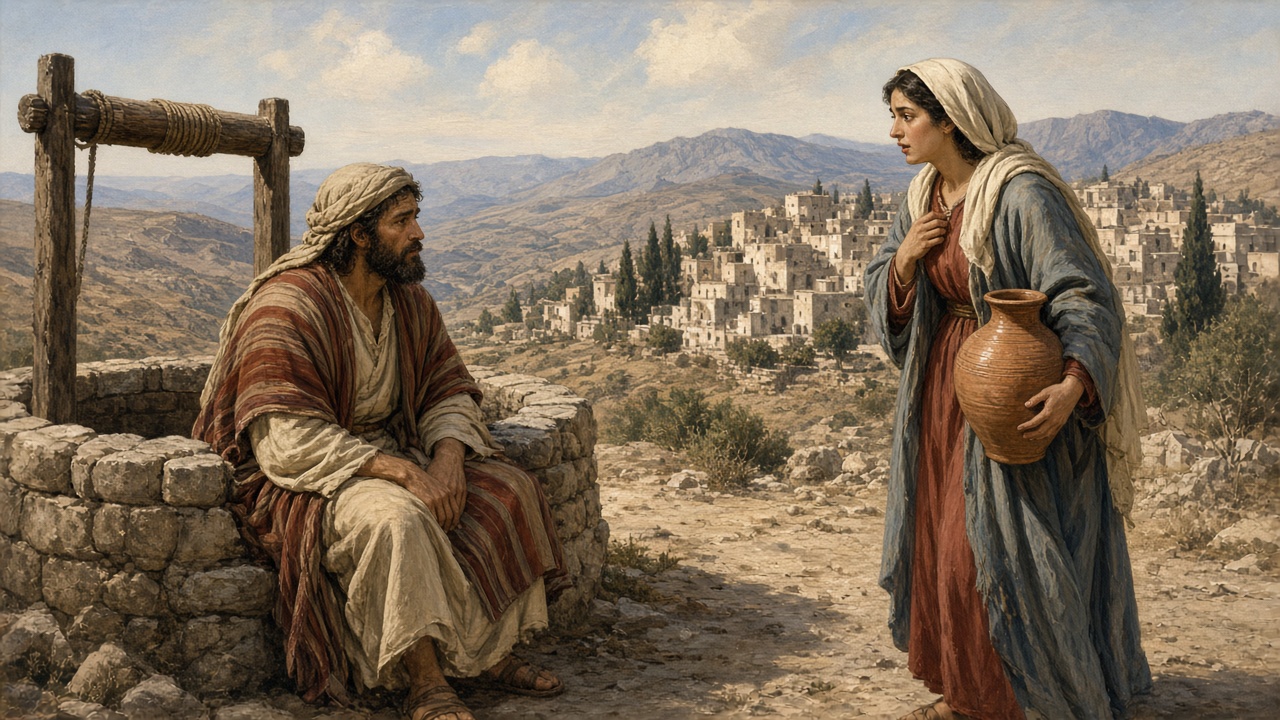
7Ʉ̃i jabʉóvaiyede, ĩmaroi ẽmeni nʉrejacarã ñʉja, ñʉje ãrajiyede bojed̶arãnʉivʉ. Ñʉje nʉriburu yóboi, oco doainore ẽmeni earejacod̶a cũináco Samariacaco. Oco doacodad̶o barejácod̶a.
—Oco, ji ũcuquiye jíjaco yʉre, arejamed̶a oco doacodad̶ore Jesús.
9Ʉbenita Samariacavʉre judíova ne pʉque ʉbe boje, cuecumari dápiarĩ yópe arejacod̶a Jesúre:
—Judíobu mʉ. Aru yʉ Samariacacobu. ¿Aipe teni yʉre ũcuiye jẽniañʉrʉ mʉ? arejacod̶a.
10Ṍre arejamed̶a Jesús:
—Jʉ̃menijicʉ mʉre jíjʉroede majibevʉ mʉ. Yʉ mʉre ocore jẽniañʉre, majibevʉ mʉ. Yʉre majico baru, “Ocore jíjacʉ”, yʉre ajebu mʉ. Aru nópe jẽniad̶ore apʉre d̶aiocore mʉre jíjebu yʉ, arejamed̶a ṍre Jesús.
11Jesúre arejacod̶a:
—¿Aipe ayʉrʉ̃ mʉ yʉre? Ʉ̃mʉjʉricobebu yo. Aru mi oco doaquino cʉvabevʉ mʉ. ¿Ã́ri apʉre d̶aicorore, mi ocore, ĩcʉyʉrʉ̃ mʉ? 12Dicobede jídejaquemavʉ majeñecu mácʉ, Jacob bácʉ. Javede ʉ̃ mácʉ aru ʉ̃i mára mácavʉ yore ocore ĩni ũcurejaquemavʉ. Aru jídejaquemavʉ ne oteiãimara mácavʉre. ¿Jacob bácʉ pʉeno parʉcʉrʉ̃ mʉ? arejacod̶a ʉ̃́re.
13Ṍre arejamed̶a Jesús:
—Ácʉ põecʉ ũcuñʉre oco dicobequede, bedióva cojedeca cũiñóquiyebu ʉ̃́re. 14Ʉbenita ácʉ põecʉ iye ocore, ji jíquicorore, ũcuñʉ mácʉre cũinára, ye cũiñómequiyebu ʉ̃́re cojedeca. Ji jíquicoro oco pĩapóinope teni, jãravʉ cũiméjãravʉ baquinóre cʉvacʉyʉme ji jíquicorore ũcuñʉ mácʉ, arejamed̶a Jesús.
15Ico nomió arejacod̶a:
—Jede, mi aicorore, iye ocore, jíjacʉ yʉre caride. Ji ũcucojiye jíjacʉ yʉre, bedióva cojedeca cũiñómequiyepe ayʉ yʉre aru ji oco doacodabecojiyepe ayʉ yore jãravʉa coapa, arejacod̶a õ.
16Õi que arĩburuta, ṍre yávarejamed̶a Jesús:
—Mimarepacʉre cutuconʉjaco mʉ. Ʉ̃́re davajaco yʉre, arejamed̶a ṍre.
17—Jimarepacʉ cʉbebi, arejacod̶a õ.
—Jãve ad̶obu mʉ. Mimarepacʉ baju cʉbebi. 18Cũinápʉrʉpe paivʉ ʉ̃mʉva cʉrĩduavʉ̃ mʉ. Aru caricacʉ mi yóvaimʉ, mimarepacʉ baju ãmemi ʉ̃. Jãve baju ad̶obu mʉ, arejamed̶a ṍre Jesús.
19—Yʉre Jʉ̃menijicʉi yávaiyede coyʉcaipõecʉ batedébu mʉ. 20Yore, yócacũ cʉ̃racũre Jʉ̃menijicʉre mearore jídejaquemavʉ ñʉjeñecuva mácavʉ. Ʉbenita “Jerusalẽ́vacari Jʉ̃menijicʉre mearore jíye jaʉvʉ”, ad̶avʉ̃ mʉja judíova, arejacod̶a õ.
21Jesús arejamed̶a:
—Ji coyʉiyede me jápiajaco. Jãvetamu ji coyʉiye. Apejãravʉa daquijãravʉa baquiyé põeva Jʉ̃menijicʉre mearore jínanʉmenajarama Jerusalẽ́i aru dicũ cʉ̃racũi máre. 22Mʉja Samariacavʉ mʉje mearore jímʉre majibevʉ mʉja. Ʉbenita ñʉja judíova majivʉ. Jʉ̃menijicʉ ʉ̃i daroimʉ mácʉ põevare mead̶aipõecʉ ñʉjecʉbe. Que baru majinineca Jʉ̃menijicʉre mearore jívʉbu ñʉja judíova. 23Ji aijãravʉa daquijãravʉa baquiyé jave eare nʉivʉ. Dinʉmʉ maquinóre põevare mearore jíde d̶acʉyʉme ñai Espíritu Santo Jʉ̃menijicʉre yópe jãve coyʉiyepe. Põeva nápe paivʉ quévʉra ʉ̃́re mearore jíyʉrivʉre ʉbi Jʉ̃menijicʉ. 24Jʉ̃menijicʉrecabe cʉre d̶ayʉ caivʉre. Põeva mearore jíni majidivʉbu ʉ̃́re, yópe jãve coyʉiyepe ñai Espíritu Santo ʉ̃i nópe majide d̶aiyede, ʉ̃i náre cʉre d̶aiyeque mamaũmeque, arejamed̶a Jesús.
25Ʉ̃́re arejacod̶a:
—Majivʉ yʉ Mesíare, Jʉ̃menijicʉi epeimʉre, põeva ne aimʉre Cristo, dacʉyʉre. Aru ʉ̃i daquiyede, caiyede majare coyʉrĩ jebecʉyʉme, arejacod̶a.
26—Yʉ́bu Cristo, mʉre boroteyʉ, arejamed̶a ṍre Jesús.
27Ico nomióre ʉ̃i que coyʉiye bajure copaidarejacarã ñʉja, ĩmaroi cuivʉ bácavʉ. Pare dápiaivʉ ñʉje jã́iye boje ʉ̃́re boroteyʉre nomióque, “¿Aipe teni ṍque boroteyʉrʉ̃ mʉ?” ájʉrorivʉ barejacárã ñʉja. Ʉbenita ʉ̃́re jẽniari jã́menejacarã. 28Ṍcapũravʉ õi oco doaibʉre noi ñóri, copainʉrejacod̶a õi cʉriĩmaroi. Noi nʉri, earĩ, nócavʉre coyʉrejacod̶a:
29—Jã́radajarã mʉja. ¿Yʉre ji teiye báque caiyede coyʉyʉ, Cristo bárica ʉ̃? arejacod̶a náre.
30Õi que arĩburu yóboi, ṍque jã́radarejaquemavʉ diĩmarocavʉ. 31Ĩmarocavʉ ne edabede cãreja, ñʉje bojed̶aiye báque ãiyede Jesúre ãicõjenidurejacarã ñʉja.
—Mʉ, bueipõecʉ, ãiyede ãjacʉ mʉ, arĩdurejacarã Jesúre.
32—Mʉje majibede ãiye cʉvavʉ yʉ, arejame ñʉjare Jesús.
33Aru ñʉje bajumica boroteivʉ, jẽniari jã́rejacarã:
—¿Ʉ̃́re ãiye davarãma apevʉ? arejacarã.
34Aru Jesús arejamed̶a:
—Maja ãiyede ãri bʉojarĩburu ũmedaivʉ maja. Quédeca yʉ d̶ayʉ yópe yʉre daroyʉ bácʉ ʉ̃i ʉrõpe aru bʉojayʉ iye d̶aiyede ʉ̃i d̶aicõjeiye báquede yʉre, ũmedaivʉ yʉ. 35“Yóvaicʉvaivʉ aviáva bʉcʉquiyebu maje ãiye”, majidivʉ ne coyʉino mácarõpe aiyavʉ̃ mʉja. Ʉbenita yʉ coyʉyʉbu mʉjare. Ãiye jẽinʉmʉ jave eaivʉ. Ãnina majare edaivʉre jã́jara mʉja. Ãiyede jẽiyepebu na. Vea coboiyede jã́ri, ĩ́ye jaʉvʉ no. Quédecabu ãnina, majare edaivʉ. Vea coboiyepedeca javeta yʉre jʉ aivʉ barãjárama na. 36Põevare yʉre jʉ are d̶ayʉ bácʉ ãiyede jẽñʉ mácʉpedeca torojʉbi. Ʉ̃i memeiye boje, yʉre ʉ̃i jʉ are d̶aimarare torojʉbi. Põevare jãravʉ cũiméjãravʉ baquinóre cʉvare d̶aibi. Que baru torojʉbi ʉ̃. Jʉ̃menijicʉi yávaiyede coyʉrĩ bʉ́yʉ bácʉre, oteipõecʉpe páyʉ, cad̶ateibi põevare yʉre jʉ are d̶aipõecʉ. Aru põeva ne jʉ aiyede torojʉma ina pʉcarã. 37Majidivʉ ne coyʉino mácarõpe, “Cũinácʉ oteibi aru apecʉta ãiyede ĩ́mi”, jãvetamu no caride. 38Ãiyede jẽivʉpe paivʉre mʉjare jaroyʉtamu yʉ, põeva yʉre ne jʉ arãjiyepe ayʉ. Ʉbenita mʉja ãmeteavʉ̃ mamarʉmʉ Jʉ̃menijicʉi yávaiyede coyʉrĩ bʉivʉ náre. Mʉje jipocai Jʉ̃menijicʉi yávaiyede coyʉrĩ bʉ́quemavʉ apevʉ. Apevʉ ne coyʉimara mácavʉre yʉre jʉ are d̶ajarã mʉja caride. Jʉ̃menijicʉi yávaiyede jápiarĩduivʉ bácavʉ yʉre jʉ ajarãri na, arejame Jesús ñʉjare majicayʉ.
Ʉ̃i que aiyedata edarejaima ĩmarocavʉ, Jesúque boroted̶o bácoi cutuimara mácavʉ. 39Õi aiye boje Jesúrã, “Ji teiye báque caiyede coyʉibi”, obedivʉ Samariacavʉ jʉ arejaquemavʉ ʉ̃́re. 40Que baru ne edaiyede ʉ̃i yebai, “Ñʉjaque cʉjacʉ cãreja”, arejaima Jesúre ina Samariacavʉ. Dinʉmʉ pʉcajãravʉa náque cʉrejame Jesús, náre bueyʉ ne ĩmaroi. 41Jesúque boroted̶o báco õi coyʉiye boje náre, ʉ̃́re jʉ arejaquemavʉ apevʉ. Ʉbenita ʉ̃́que boroteivʉ obedivʉ baju barejáima ʉ̃́re jʉ aivʉ.
42Que baru Jesúque boroted̶o bácore õi cuturĩ davaimara mácavʉ arejaima:
—Caride ʉ̃́re jʉ aivʉ ãmevʉ ñʉja mi coyʉiye báque boje. Quénora ʉ̃́re jʉ aivʉbu ñʉje baju jápiaiye báque boje ʉ̃i coyʉiyede. Me majivʉ ñʉja Jesúre caivʉ põevare mead̶aipõecʉre, arejaima na.
Jesús ʉ̃i mead̶aino jabocʉi mácʉre
43Pʉcajãravʉa náque cʉrĩburu yóboi, Galilea ãmicʉrõi nʉrejacarã ñʉja cojedeca, Jesúque nʉivʉ. 44Javede ʉ̃́vacari arejame ñʉjare: “Cʉbebi Jʉ̃menijicʉi yávaiyede coyʉcaipõecʉ ʉ̃i joborõcavʉ ne pued̶aimʉ”, arejame ñʉjare Jesús. 45Jipocamia, Pascua torojʉve teinʉmʉre, apevʉ Galileacavʉ nʉrejaquemavʉ Jerusalén ãmicʉriĩmaroi. Nore Jesúre põeva ne d̶arĩ majibede d̶ayʉre jã́ivʉ bácavʉ barejáima. Que baru Jesús ʉ̃i eaiyede ne joborõi cojedeca, ʉ̃́re torojʉrivʉ copʉ etarejaima nócavʉ.
46Oco báquede Jesús ʉ̃i ũcuiye d̶aino mácarõi Caná ãmicʉriĩmaro, Galileacarõi, copainʉrejacarã ñʉja Jesújã cojedeca. Nore, Canái, cʉrejame cũinácʉ jabovacacʉ. Aru Capernaum ãmicʉriĩmaroi cʉrejamed̶a ʉ̃i mácʉ, pare ijeteyʉ. 47Que baru ñai jabocʉ jápiayʉ bácʉ Jesúi copaiyede Galileaita, Judeare jocarĩ, jã́cʉdarejame ʉ̃i yebai. Jesús yebai edarĩ, yópe arĩ jẽniarejame Jesúre:
—Jímacʉ pare baju ijeteyʉbe ʉ̃. Maumejieneca yaiquíjibi. Ʉ̃́re jã́cʉnʉri, ʉ̃́re mead̶acajacʉ yʉre, arejame Jesúre ñai jabocʉ.
48—Yʉre põeva ne d̶arĩ majibede d̶ayʉre jã́mevʉ baru, yʉre ye jʉ abenajaramu mʉja, arejame ʉ̃́re Jesús.
49Ʉbenita Jesúre nʉicõjenidurejame ñai jabocʉ.
—Maumena dajacʉ. Yʉ́que jã́cʉdajacʉ mʉ, jímacʉi yaiquíye jipocai. Yaibécʉbe cãreja jímacʉ, arĩdurejame Jesúre.
50Aru Jesús arejame ʉ̃́re:
—Meaquiyebu. Mi cʉrõi copainʉjacʉ mʉ caride. Mímacʉ yaibécʉbe, arejame.
Jesús ʉ̃i coyʉiyede jʉ arĩ, cũiná copainʉrejamed̶a ñai jabocʉ. 51Ʉ̃i cʉrõi eare nʉñʉre copʉrejaimad̶a ʉ̃́re memecaivʉ.
—Mímacʉ ũmedabi ʉ̃, arejaimad̶a ʉ̃́re.
52—¿Aipiye bajure ũmedari ʉ̃? jẽniari jã́rejamed̶a ʉ̃́re memecaivʉre.
—Ẽnoa marede, jãravʉ corica yójĩboi moino buruvʉ ʉ̃́re, arejaimad̶a.
53Ne que aiyede, ñai jabocʉ coreóvarejamed̶a. Jesús “Mímacʉ meacʉbe caride”, ʉ̃i aiora bácarõre ñai jabocʉi mácʉ ũmedarejamed̶a. Dinʉmʉre ñai jabocʉ aru caivʉ ʉ̃i cʉ̃ramicavʉ máre Jesúre jʉ arejaimad̶a.
54Judea ãmicʉrõi cʉcʉ bácʉ, Galilea ãmicʉrõi edarĩ, cʉcʉ, põeva ne d̶arĩ majibenore d̶arejame Jesús. Jabocʉi mácʉre ũmedavainoque, pʉque põeva ne d̶arĩ majibe bajure d̶arĩ jã́d̶ovarejame Jesús.
Did you know?
Living Water in Samaria
- Jesus left Judea to return to Galilee, and the Gospel says he had to pass through Samaria. Under the Romans in Jesus' time, Judea was the southernmost of Palestine's three divisions, distinguished from Samaria and Galilee, and the narrative notes that Jews did not associate with Samaritans.Sources: the Bible text itself · Judea
- He came to Sychar, near the plot of ground that Jacob had given his son Joseph, and, weary from the journey, sat down by Jacob's well. Easton's Bible Dictionary (1897) records that from the time of the Crusaders Sychar was usually identified with Shechem, but that explorations had identified it with 'Askar, a small Samaritan town on the southern base of Ebal, about a mile north of the well.Sources: the Bible text itself · Sychar
- The woman contrasted worship on this mountain with the Jewish claim that one must worship in Jerusalem, and she spoke of a coming Messiah, called Christ. When the disciples returned from buying food in the town, they were surprised that Jesus was speaking with a woman.Sources: the Bible text itself
Notes written with AI assistance from open sources (Theographic Bible Metadata, CC BY-SA 4.0; Easton’s Bible Dictionary, public domain) and reviewed before publishing.
Places in this chapter
- Galilee · 32.760, 35.527 · verses 3, 43, 45, 46, 47, 54
- Judea · Today: Judea 1 · 31.777, 35.234 · verses 3, 47, 54
- Samaria · Today: Samaria 2 · 32.276, 35.195 · verses 4, 5, 7, 9
- Jerusalem · 31.777, 35.234 · verses 20, 21, 45
- Mount Gerizim · 32.199, 35.273 · verse 20
Only places identified with high confidence are shown (90% or more according to the scholarly sources compiled by OpenBible). Period map: DARE (Digital Atlas of the Roman Empire), CC BY 4.0; modern map: © OpenStreetMap contributors; places: OpenBible.info (CC BY 4.0).
Credits and license for this translation
Majepacʉ jʉ̃menijicʉi yávaiye mamaene coyʉitucubo
New Testament in Cubeo (CO:cub:Cubeo)
copyright © 2009 Wycliffe Bible Translators, Inc.
Language: Cubeo
Translation by: Wycliffe Bible Translators, Inc.
Cubeo [cub], Colombia
Copyright Information
© 2009, Wycliffe Bible Translators, Inc. All rights reserved.
This translation text is made available to you under the
terms of the Creative Commons License: Attribution-Noncommercial-No Derivative Works.
( http://creativecommons.org/licenses/by-nc-nd/3.0/ )
In addition, you have permission to port the text to different file formats, as long as you
do not change any of the text or punctuation of the Bible.
You may share, copy, distribute, transmit, and extract portions
or quotations from this work, provided that you include the above copyright
information:
You must give Attribution to the work.
You do not sell this work for a profit.
You do not make any derivative works that change any of the actual words or punctuation of the Scriptures.
Permissions beyond the scope of this license may be
available if you contact
us with your request.
The New Testament
in Cubeo
© 2009, Wycliffe Bible Translators, Inc. All rights reserved.
This translation is made available to you under the terms of the
Creative Commons Attribution-Noncommercial-No Derivatives license 4.0.
You may share and redistribute this Bible translation or extracts from it in any format, provided that:
You include the above copyright and source information.
You do not sell this work for a profit.
You do not change any of the words or punctuation of the Scriptures.
Pictures included with Scriptures and other documents on this site are licensed just for use with those Scriptures and documents.
For other uses, please contact the respective copyright owners.
2014-04-22
Source: http://ebible.org/cubNT/ · eBible.org