John 17
Majepacʉ jʉ̃menijicʉi yávaiye mamaene coyʉitucubo · Tap a verse to see its cross-references.
Jesús ʉ̃i jẽniaino ʉ̃i bueimarare Jʉ̃menijicʉque
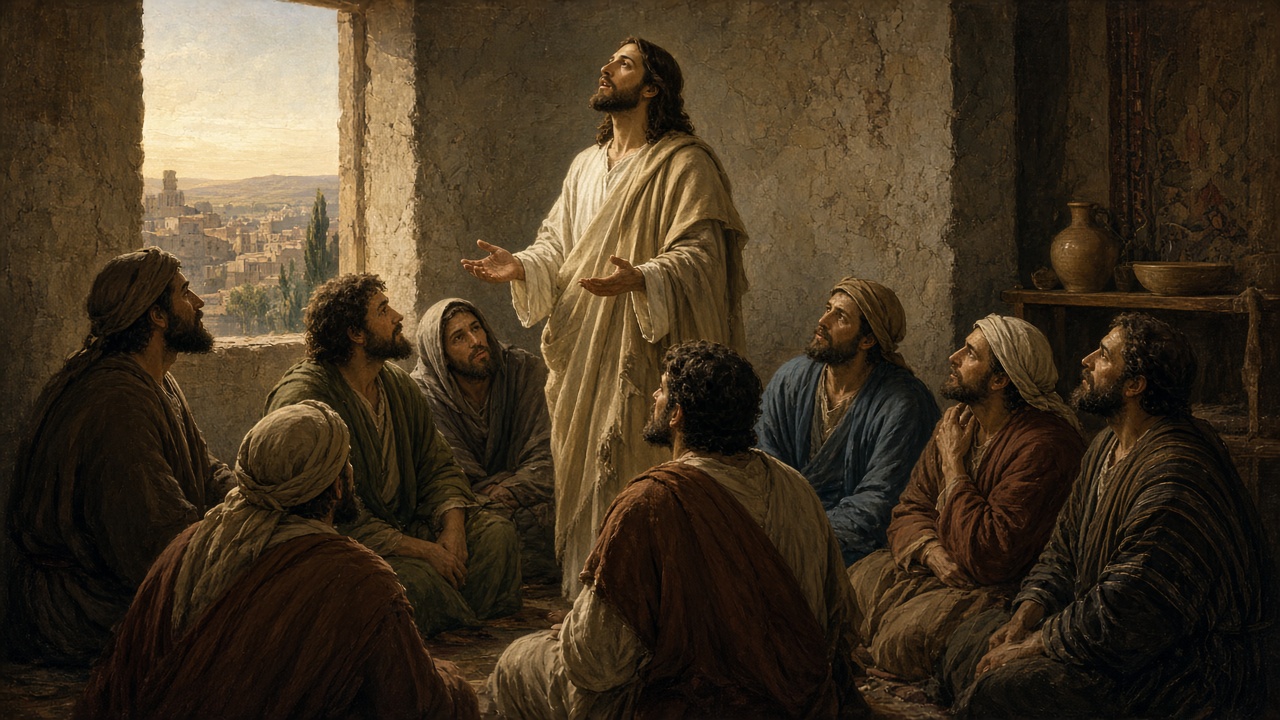
1Que arĩburu yóboi cavarõi jã́ñʉ, yópe arejame Jʉ̃menijicʉre Jesús.
—Mʉ, jipacʉ, ji memeinʉmʉ jave eaivʉ yʉre. Põevare yʉre mímacʉ meacʉ bajure jã́d̶ovajacʉ mʉ, ji jã́d̶ovaquiyepe ayʉ mʉre meacʉ bajure. 2Yʉre jaboteicõjeivʉ mʉ caivʉ põevare, ji cʉvare d̶aquiyepe ayʉ jãravʉ cũiméjãravʉ baquinóre caivʉ ina mi jʉ are d̶aimarare yʉre. 3Mʉ́vacari Jʉ̃menijicʉ cũinácʉra jãvetamu mʉ. Aru yʉ, Jesucristo, mi daroimʉ mácʉbu yʉ. Ina majare coreóvaivʉ, nárecabu cʉvarãjivʉ jãravʉ cũiméjãravʉ baquinóre, ne coreóvaiye boje majare. 4Iye mi d̶aicõjeiye báquede yʉre d̶arĩ bʉojaivʉ yʉ. Que baru mʉre meacʉ bajure jã́d̶ovaivʉ yʉ yore ijãravʉi. 5Mamarʉmʉre maje caiyede cʉed̶arãjiye jipocai, meacʉ baju barejacácʉ mi yebare. Caride bedióva yʉre meacʉ bajure epejacʉ mi yebai cojedeca, yópe ji mamarʉmʉre cʉe báquepedeca, arejame Jesús.
6Yópe arĩ, coyʉre nʉrejame Jesús jípacʉre:
—Ijãravʉcavʉ mʉre jʉ abevʉre jarʉvarĩ, beorĩ, ĩni, coatede d̶ávʉ̃ mʉ ina yʉre jʉ arãjivʉre. Mamarʉmʉrata mívʉ bárãjivʉ barejáima na. Aru náre yʉre jʉ are d̶aivʉ mʉ. Nárecabu mʉre ji coyʉimara, majinajivʉ aipe ãrojacʉre mʉre. Aru mi yávaiyede jápiarĩ jʉ ad̶ama na. 7Caride caiye iye mi majié cʉvare d̶aiyede yʉre jãve míyede coreóvaivʉbu na. 8Iye mi coyʉicõjevarede yʉre, náre coyʉivʉ yʉ. Aru na jʉ ad̶ama diede. Yʉre, mi daroimʉ mácʉre, jãve coreóvaivʉbu. Aru mʉ yʉre daroyʉ bácʉre jʉ ad̶ama.
9’Ijãravʉcavʉ mʉre jʉ abevʉre jẽniacabevʉ yʉ mʉ́que. Quénora ina mi yʉre jʉ are d̶aimarare jẽniacaivʉ yʉ mʉ́que, ne mívʉ bae boje. 10Caivʉ yʉ́cavʉ mívʉbu na. Aru caivʉ mʉ́cavʉ jívʉbu na. Aru yʉ meacʉ bajure jã́d̶ovad̶ama na.
11’Yʉ mautebecʉbu ijãravʉre caride. Quénora maumejieneca dacʉyʉmu mi yebai, cʉcʉyʉ mʉ́que. Ʉbenita nácapũravʉ mautenajivʉbu ijãravʉre. Mʉ, jipacʉ bajutamu mʉ. Que baru ina yore mautenajivʉre corejacʉ mʉ mi parʉéque, iye parʉé mi cʉvare d̶aiye báqueque yʉre. Corejacʉ náre, cũinávʉpeda ne tenajiyepe ayʉ yópe majapedeca. 12Yore cʉcʉ baju coreivʉ yʉ náre mi parʉéque, iye parʉé mi cʉvare d̶aiyeque yʉre. Náre mead̶aivʉ yʉ. Aru bíjabema na. Cũinácʉ quécʉra, ñai bíjacʉyʉ ʉ̃i ãmeina teiye boje, yʉre bíjaibi ʉ̃, vaiquíyepe ayʉ yópe mi yávaiyede mi toivaicõjeiye báquepedeca.
13’Caride mi yebai dacʉyʉmu yʉ. Nópe coyʉivʉ yʉ ji cʉede cãreja ijãravʉre ne jápiainoi, ne bʉojarãjiyepe ayʉ torojʉrivʉ ne ũmei jaʉbevʉva, yópe ji torojʉepedeca ji ũmei. 14Iye mi coyʉicõjevarede yʉre, náre coyʉivʉ yʉ. Na yʉ́pe dápiaivʉbu cari. Yópe ijãravʉcavʉ mʉre jʉ abevʉ ne dápiaiyepe dápiabema na. Que baru náre ʉbema ijãravʉcavʉ. 15“Ina mi yʉre jʉ are d̶aimarare ĩni nʉvajacʉ ijãravʉre jocarĩ”, arĩ jẽniamevʉ yʉ mʉre. Quénora “Náre jã́ri corejacʉ me, abujuvai jabocʉ ʉ̃i ãmeina d̶are d̶abequiyepe ayʉ náre”, arĩ jẽniaivʉ yʉ mʉre. 16Yʉ dápiabevʉ yópe ijãravʉcavʉ mʉre jʉ abevʉ ne dápiaiyepe. Quédeca ina mi yʉre jʉ are d̶aimara máre ijãravʉcavʉ mʉre jʉ abevʉ ne dápiaiyepe dápiabema na. 17Ijãravʉque ãmene jarʉvarĩ náre coavarĩ, epejacʉ mʉ́cavʉre, ne memecarãjiyepe ayʉ mʉre. Que d̶ajacʉ mi yávaiyeque. Jãvetamu mi yávaiye. 18Mʉ darorejavʉ̃ yʉre, ji buequiyepe ayʉ ijãravʉcavʉre. Nopedeca yʉ máre jaroivʉ náre, ne buenajiyepe ayʉ ijãravʉcavʉre. 19Ji baju epeivʉ yʉ, memecacʉyʉ mʉre yópe mi ʉrõpe. Que d̶aivʉ náre boje, na máre ne epenajiyepe ayʉ ne baju, memecarãjivʉ mʉre yópe mi ʉrõpe. Que d̶arãjivʉbu, ne majié boje jãvene mi yávaiyede.
20’Ina mi yʉre jʉ are d̶aimara, ji bueimarare, mʉre jẽniacaivʉ yʉ. Aru apevʉre máre, yʉre jʉ aivʉ bárãjivʉre, ji bueimara ne bueiye boje náre, jẽniacaivʉ yʉ mʉre. 21Mʉre jẽniaivʉ yʉ, ne cʉrãjiyepe ayʉ cũinávʉpe. Mʉ cʉvʉ yʉ́que aru yʉ cʉvʉ mʉ́que cũinávʉpe. Quédeca na márajivʉ máre cʉjarãri majaque cũinávʉpe. Que teivʉre jã́ivʉ, yʉre, mi daroimʉ mácʉre, jʉ arãjarama ijãravʉcavʉ. 22Yópe mi mead̶aiye báquepe yʉre, quédeca yʉ máre mead̶aivʉ náre, ne cʉrãjiyepe ayʉ cũinávʉpe yópe maje cʉepedeca cũinávʉpe. 23Náque cʉvʉ yʉ aru yʉ́que cʉvʉ mʉ, ne cʉrãjiyepe aivʉ majaque cũinávʉpeda. Que baru yʉ mi daroimʉ mácʉre aru na mi ʉmarare cũinátʉrʉ yʉre mi ʉepedeca ʉcʉre coreóvarãjarama ijãravʉcavʉ.
24’Mʉ, jipacʉ, mi yʉre jʉ are d̶aimara márajivʉre, ne cʉrãjiyepe yʉ́que ji cʉquinore ʉvʉ yʉ, ne jã́rajiyepe ayʉ yʉre meacʉ bajure, mʉ́pe páyʉre. Mamarʉmʉre maje caiyede cʉed̶arãjiye jipocai, yʉre ʉrejavʉ̃ mʉ. Que baru yʉ meacʉ bajure, mʉ́pe páyʉre, jã́d̶ovaivʉ mʉ. 25Mʉ, jipacʉ, meacʉ baju, boropatebevʉ mʉ. Mʉre coreóvabema ijãravʉcavʉ mʉre jʉ abevʉ. Ʉbenita yʉ́capũravʉ coreóvaivʉ mʉre. Aru ina mi jʉ are d̶aimara yʉre, mi daroimʉ mácʉre, coreóvad̶ama na. 26Mʉ aipe ãrojacʉre coreóvare d̶aivʉ yʉ náre. Aru mʉre ne coreóvaino pʉeno náre coreóvare d̶acʉyʉmu yʉ, ne ʉrãjiyepe ayʉ apevʉre yópe mi ʉepedeca yʉre. Que teni yʉ́vacari náque cʉcʉyʉmu cũinávʉpe. Que arĩ, jípacʉre coyʉrejame Jesús.
Did you know?
John 17: the hour has come
- The prayer opens when Jesus, having spoken these things, lifts his eyes to heaven and says that the hour has come. It is associated with the Upper Room Discourse, listed as lasting one day, and with Holy Week, listed as lasting eight days.Sources: the Bible text itself · Upper Room Discourse · Holy Week
- Here eternal life is knowing the only true God and Jesus Christ, whom the Father sent. Jesus also speaks of the glory he had with the Father before the world existed, and of the Father's love for him before the foundation of the world.Sources: the Bible text itself
- He prays for those the Father gave him out of the world, who have kept the word, and also for people who will believe through their message, asking that they may be one. He does not ask that they be taken out of the world, but that they be kept from the evil one and sanctified by the truth, which he identifies as the Father's word.Sources: the Bible text itself
Notes written with AI assistance from open sources (Theographic Bible Metadata, CC BY-SA 4.0; Easton’s Bible Dictionary, public domain) and reviewed before publishing.
Credits and license for this translation
Majepacʉ jʉ̃menijicʉi yávaiye mamaene coyʉitucubo
New Testament in Cubeo (CO:cub:Cubeo)
copyright © 2009 Wycliffe Bible Translators, Inc.
Language: Cubeo
Translation by: Wycliffe Bible Translators, Inc.
Cubeo [cub], Colombia
Copyright Information
© 2009, Wycliffe Bible Translators, Inc. All rights reserved.
This translation text is made available to you under the
terms of the Creative Commons License: Attribution-Noncommercial-No Derivative Works.
( http://creativecommons.org/licenses/by-nc-nd/3.0/ )
In addition, you have permission to port the text to different file formats, as long as you
do not change any of the text or punctuation of the Bible.
You may share, copy, distribute, transmit, and extract portions
or quotations from this work, provided that you include the above copyright
information:
You must give Attribution to the work.
You do not sell this work for a profit.
You do not make any derivative works that change any of the actual words or punctuation of the Scriptures.
Permissions beyond the scope of this license may be
available if you contact
us with your request.
The New Testament
in Cubeo
© 2009, Wycliffe Bible Translators, Inc. All rights reserved.
This translation is made available to you under the terms of the
Creative Commons Attribution-Noncommercial-No Derivatives license 4.0.
You may share and redistribute this Bible translation or extracts from it in any format, provided that:
You include the above copyright and source information.
You do not sell this work for a profit.
You do not change any of the words or punctuation of the Scriptures.
Pictures included with Scriptures and other documents on this site are licensed just for use with those Scriptures and documents.
For other uses, please contact the respective copyright owners.
2014-04-22
Source: http://ebible.org/cubNT/ · eBible.org