John 10
Majepacʉ jʉ̃menijicʉi yávaiye mamaene coyʉitucubo · Tap a verse to see its cross-references.
Jesús ʉ̃i coyʉino ovejavare coreipõecʉre
1Dinʉmʉre náre yópe arĩ, coyʉrejame Jesús:
—Jãve coyʉyʉbu mʉjare: Ñai põecʉ ovejavare biaido jedevacobei ecobecʉ, quénora biaidore mʉrina ecoyʉ baru, ʉ̃́recabe ñavaipõecʉ o tatorĩ ĩ́põecʉ. 2Ʉbenita ñai ecoyʉ ovejavare biaido jedevacobe bajita, ʉ̃́recabe ovejavare coreipõecʉ aru náre upacʉ máre. 3Ʉ̃́recabe biaido jedevacobede coreipõecʉi voacaimʉ jedevacobede. Aru ovejavare órejarĩ daroibi ne ãmiá coapa náre coreipõecʉ. Ʉ̃i órejaiyede jápiarĩ, coreóvarĩ, dad̶ama ʉ̃i yebai. Aru náre nʉvaimi ʉ̃, ãocʉyʉ. 4Ovejavare etavayʉ bácʉ biaidore jocarĩ, náre jipocateibi. Aru ʉ̃i yóboi cujuyama na, ne coreóvaiye boje ʉ̃i yávainore. 5Ʉbenita ne coreóvabemʉque nʉmema na, ʉ̃i órejaiyede. Ʉ̃́re dupivʉ cúyanʉrinata bíjad̶ama na ovejava, ne coreóvabe boje ʉ̃i yávaicamure, arejame Jesús.
6No jã́ri dápiarĩ ne d̶arãjiyepe ainore coyʉrĩdurejame náre Jesús. Ʉbenita ye jápiarĩ majibedejaima na.
Jesús ména coreyʉ põevare yópe ovejavare coreipõecʉ meacʉ ʉ̃i coreiyepe ovejavare
7Bedióva cojedeca põevare yávarejame Jesús:
—Jãve coyʉyʉbu mʉjare: Ovejavai biaido jedevacobepe páyʉtamu yʉ, põeva ne earãjiyepe ayʉ Jʉ̃menijicʉre. 8Ji edaquiye jipocare apevʉ, ovejavare coreipõevape teni, edaquemavʉ. Caivʉ na ñavacʉrivʉpe paivʉ aru tatorĩ ĩ́põevape paivʉ batequémavʉ. Ʉbenita náre jápiarĩ ad̶abetequemavʉ põeva. 9Jedevacobedeca páyʉtamu yʉ. Yópe ovejava jedevacobe biaidoi ne ecorĩ bʉojaiyepe náre coreipõecʉ, ʉ̃i mead̶aquiyepe aivʉ náre, nopedeca põeva yʉ́que earĩ bʉojaivʉbu Jʉ̃menijicʉre, ʉ̃i mead̶aquiyepe aivʉ náre. Ne ãmeina vaijʉroede mead̶acʉyʉmu yʉ. Yópe ovejava ecorĩ, etarĩ jedevacobei bʉoimara ãmevʉpe, nopedeca põeva yʉ́que cʉrivʉ jidʉbevʉ bʉoimarape ãmema. Yópe ovejava ne ãiyede eaiyepe náre coreipõecʉque, nopedeca ina yʉ́que cʉrivʉ náre apʉre d̶aiyede earĩ, ména cʉrãjarama na ne ũmei, arejame Jesús.
10Náre, yópe arĩ, coyʉre nʉrejame Jesús:
—Ñavaipõecʉ quénora ñavacʉdaibi aru põevare boarĩ́ jarʉvacʉdaibi, náre bíjarocʉyʉ. Ʉbenita yʉ́capũravʉ apʉre d̶acʉdaivʉ põevare mamaũmeque, ne cʉrãjiyepe ayʉ ʉrarõ meaũmeque cainʉmʉa. 11Ovejavare coreipõecʉ meacʉ me baju jã́ri capʉibi ʉ̃i ovejavare pʉ ʉ̃i yaiyeta náre boje. Quédeca tecʉyʉmu yʉ máre. Põevare mead̶acʉyʉ, yaicʉ́yʉmu náre boje. 12Ʉbenita nópe d̶abebi ovejava upacʉre memecaipõecʉ. Ʉ̃ ovejavare coreipõecʉ ãmemi. Ʉ̃ jina ãmema na. Que baru ãimacʉ jijecʉcʉ, lobo ãmicʉcʉ, ʉ̃i edaiyede jã́ñʉ, cũiná cúyarĩ dupibi ovejava upacʉre memecaipõecʉ, ovejavare jocarĩ nʉñʉ. Que baru corebemarape ovejavare cujurĩ jaroibi ñai lobo. Cũinácʉre jẽniburu, apevʉ coateni nʉñama. 13Ñai memecaipõecʉ jecʉbebi ovejavare. Quénora ʉ̃i jabocʉi bojed̶aiyeda ʉbi ʉ̃. Que baru ovejavare jocarĩ, dupini nʉimi ʉ̃, arejame Jesús.
14Náre, yópe arĩ, coyʉre nʉrejame Jesús:
—Yʉ mearo coreyʉbu põevare yópe ovejavare coreipõecʉ meacʉi coreiyepe ovejavare. Jipacʉ coreóvaibi yʉre. Aru coreóvaivʉ yʉ ʉ̃́re máre. Quédeca coreóvaivʉ yʉ ji cʉvamara coapa. Aru yʉre coreóvama na máre. Yʉrecabu mead̶acʉyʉ põevare. Que baru yaicʉ́yʉmu náre boje. 16Yópe apedoa biaidoacavʉ ovejavai cʉepe, nopedeca apevʉ põeva, yócavʉ ãmema, ʉbenita jína márajivʉ cʉma nore máre. Náre cuturĩ, jipocateni davacʉyʉmu yʉ. Ji cutuiyede jápiarĩ jʉ arãjarama na. Náre epecʉyʉmu jívʉque cũinávʉpe. Na caivʉ cʉrãjarama yʉ́que. Aru náre corecʉyʉmu yʉ. Que teni cũináyajubope teni, yʉ ne coreipõecʉ cũinácʉque cʉrãjarama caivʉ ina jívʉ, arejame Jesús.
17Náre coyʉre nʉrejame Jesús:
—Ji mauvare boarĩ́ jarʉvaicõjeiyʉvʉ yʉ ji bajure, nacajari yainore jarʉvarĩ cʉcʉyʉ bedióva cojedeca. Que baru ʉbi yʉre jipacʉ. 18Põecʉ cʉbebi yʉre boarĩ́ jarʉvacʉyʉ ji ʉbedu. Ji mauvare boarĩ́ jarʉvaicõjecʉyʉmu. Yʉ bʉojaivʉ boarĩ́ jarʉvaicõjeñʉ ji bajure aru nacajari cʉcʉyʉ bedióva cojedeca máre. Que d̶aicõjeimi yʉre jipacʉ, arejame Jesús.
19Que ayʉre jápiarĩ, ina judíova cũinátʉrʉ ãmevʉ cojedeca ne ũme, cũinátʉrʉra yávabema Jesúrã.
20—Abujucʉ cʉbi ʉ̃́que. Que baru ãrʉmemi. ¿Aipe teni ʉ̃i coyʉiyede jápiaivʉrʉ̃ mʉja? arejaima nácavʉ obedivʉ.
21Ʉbenita apevʉ nácavʉ arejaima:
—Abujucʉre cʉvacʉ nópe yávayʉ bʉojabebi. Aru jã́ri eabecʉre mead̶aiye bʉojabebi abujucʉ. ¿Mʉ́carĩ? arejaima ina judíova.
Jesúre judíova ne ʉbeni jarʉvaino
22Dinʉmʉre ʉracoro ocorʉ̃mʉ marejávʉ̃. Aru Jerusalén ãmicʉriĩmaroi torojʉve teinʉmʉ marejávʉ̃. Jʉ̃menijicʉi cʉ̃ramine mead̶aiye báquede ãrʉrivʉ, torojʉrejacarã ñʉja judíova. 23Nore Jʉ̃menijicʉi cʉ̃rami Salomón mácʉi cuino mácarõ ãmicʉrõi vaiváre nʉrejame Jesús. 24Nópe vaiváre nʉñʉre tarabʉd̶arĩ ʉ̃́re, jẽniari jã́rejaima judíovacavʉ:
—Mʉre ʉrarõ chĩod̶avʉ ñʉja. ¿Yécʉrʉ̃ mʉ? Cristo, Jʉ̃menijicʉi daroimʉ mácʉ baru mʉ, cũiná coyʉjacʉ ñʉjare. Coreni ʉetʉyavʉ̃ ñʉja, arejaima Jesúre.
25Náre, yópe arĩ, coyʉrejame Jesús:
—Jave coyʉrĩduvʉ mʉjare. Ʉbenita ji coyʉiyede jʉ abetevʉ mʉja. Mʉje jã́iyede põeva ne d̶arĩ majibede jipacʉi cõjeiye bajure d̶avʉ yʉ. Ʉbenita diede jã́ivʉvacari, yʉ Cristore jʉ abevʉ mʉja cãreja. Yʉ, Cristo, jã́d̶ovaivʉ jãve ji d̶aiyeque. 26Ʉbenita mʉjacapũravʉ ji ovejavape paivʉcavʉ ãmevʉ. Ji põeva ãmevʉtamu mʉja. Que baru ji coyʉiyede jʉ abevʉ mʉja. 27Yópe ovejava ne jápiarĩ, jʉ arĩ d̶aiyepe náre coreipõecʉ bajui ʉrõpe, nopedeca ji põeva yʉre jápiarĩ, jʉ arĩ d̶aivʉbu yópe ji ʉrõpe. Jívʉre me coreóvaivʉ yʉ. Yʉre jápiarĩ, jʉ arĩ cʉma yʉ́que. 28Náre jãravʉ cũiméjãravʉ baquinóre cʉvare d̶aivʉ yʉ. Toabo cũiméboi nʉmenajarama na cainʉmʉa. Ji coreimarare yʉre tatojʉrocʉ cʉbebi ʉ̃. 29Yʉre jipacʉi jímara bojecʉrivʉbu caiye pʉeno. Jipacʉre tatojʉrocʉ náre cʉbebi ʉ̃. 30Yʉ jipacʉmaque cũinávʉpebu ñʉja, arejame Jesús ina judíovare.
31Ʉ̃i que aiyede, Jesúre jorojĩvʉ ina judíova, boaiyʉrivʉ ʉ̃́re, ĩnejaima cʉ̃raboare cojedeca, dʉvarãjivʉ ʉ̃́re.
32Ʉbenita Jesúcapũravʉ arejame:
—Jipacʉi ʉre d̶aicõjeiyede põeva ne d̶arĩ majibede jã́d̶ovavʉ yʉ, cad̶atecʉyʉ põevare. ¿Caiye die mʉje jã́iye báquede, ád̶e boje cʉ̃raboare dʉvarãjivʉrʉ̃ yʉre? arejame náre Jesús.
33Jesúre arejaima na:
—Mi d̶aiyede jã́ivʉ bácavʉ cʉ̃raboaque dʉreni, mʉre boabénamu ñʉja. Ʉbenita “Jʉ̃menijicʉque cũinávʉpebu ñʉja”, avʉra mʉ. Jʉ̃menijicʉre ãmeina yávaivʉ mʉ, que ayʉ. Quénora põecʉratamu mʉ. Que baru Jʉ̃menijicʉre mi ãmeina yávaiye boje, mʉre boarã́jaramu ñʉja, arejaima Jesúre ina judíova.
34Náre, yópe arĩ, coyʉrejame Jesús:
—Mʉjeñecuva mácavʉ ne toivarĩ epeiyoca cãriáiyocai yópe arĩ, toivaicõjenejaquemavʉ Jʉ̃menijicʉ ʉ̃i yávaiyede: “Jʉ̃menijinape paivʉbu mʉja”, arejaquemavʉ Jʉ̃menijicʉ. 35Me coreóvaivʉbu maja Jʉ̃menijicʉi yávaiye ʉ̃i toivaicõjeiye báque jãve bajure cainʉmʉa. Ʉ̃i yávaino mácarõre oatʉvaino cʉbevʉ no. Aru Jʉ̃menijicʉvacari, “Jʉ̃menijinape paivʉbu mʉja”, arejaquemavʉ ina javecavʉ ʉ̃i yávaiyede coyʉimara mácavʉre.
36’Yʉrecabu Jʉ̃menijicʉi beoimʉ mácʉ, memecacʉyʉ ʉ̃́re. Yʉre darorĩ epeibi ijãravʉi. Que baru, ¿“Jʉ̃menijicʉi mácʉbu yʉ” ji aiyede, aipe teni yʉre “Jʉ̃menijicʉre ãmeina yávaivʉ mʉ”, aivʉrʉ̃ mʉja? 37Jipacʉi d̶aicõjeiyede ji d̶abedu, yʉre jʉ abejarã mʉja. 38Ʉbenita põeva ne d̶arĩ majibede jipacʉi d̶aicõjeiyede ji d̶aru, nópe d̶ayʉre mʉje jã́ri coreóvaiye boje, jʉ ajarã mʉja. Yʉre jʉ abevʉreca, ji d̶aiyede jʉ aiye jaʉvʉ mʉjare, mʉje cũiná majinajiyepe ayʉ jãve jipacʉ cʉcʉre yʉ́que aru yʉ cʉcʉre ʉ̃́que máre cũinávʉpe, arejame náre Jesús.
39Bedióva cojedeca Jesúre jẽni jacoiyʉrĩdurejaima na. Ʉbenita náre dupidejame ʉ̃.
40Náre dupiyʉ bácʉ Jordán ãmicʉriya jia ãnidʉvei, Juan Bautista bácʉ ʉ̃i põevare Jʉ̃menijicʉque ocoi jã́d̶ovaino mácarõ yebai nʉrejame Jesús cojedeca. Noi cʉcʉnʉñʉ, ʉ̃́que nʉrejacarã ñʉja ʉ̃i bueimara. 41Nore ñʉje cʉede põeva obedivʉ Jesúre jã́radarejaima. Ne bajumia yópe arĩ, borotedejaima:
—Põeva ne d̶arĩ majibede d̶abeteame Juan Bautista bácʉ. Ʉbenita caino ʉ̃i coyʉino mácarõ Jesúi borore jãve baju batequémavʉ, arejaima ina Jesúre jã́radaivʉ bácavʉ.
42Aru nore cʉcʉre, Jesúre jʉ arejaima obedivʉ põeva.
Did you know?
The Good Shepherd
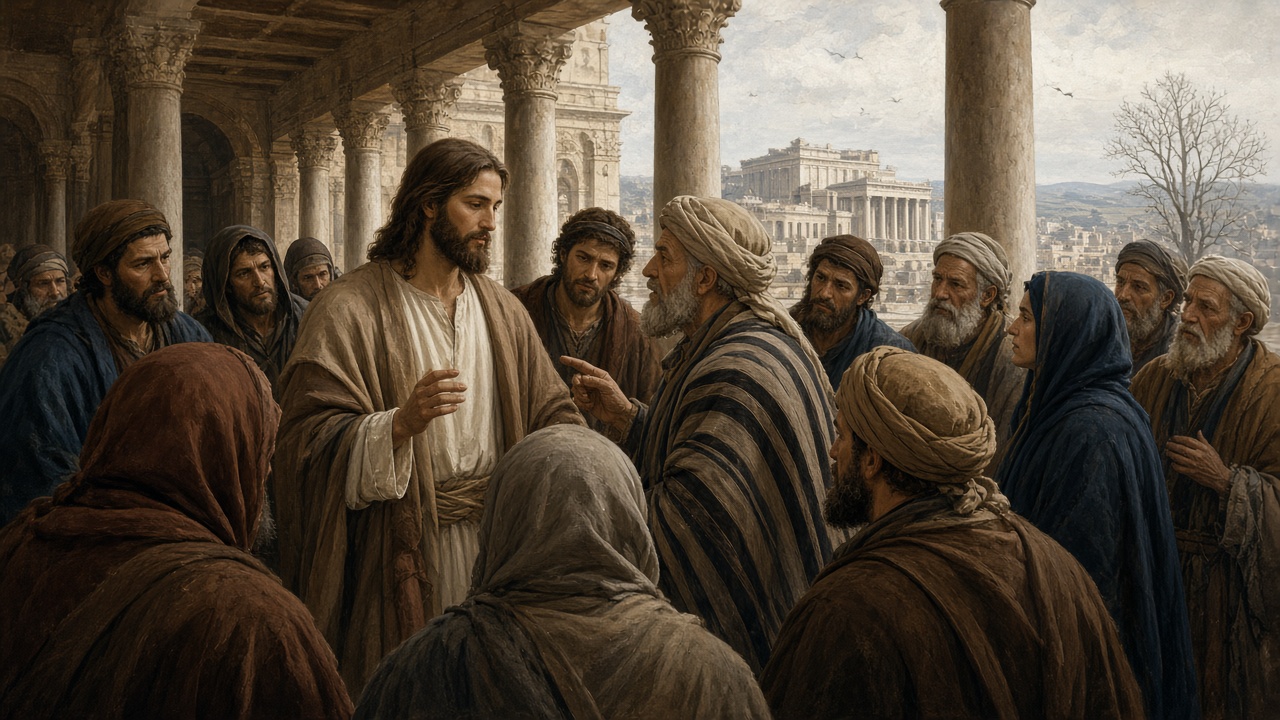
- During the Feast of Dedication in Jerusalem it was winter, and Jesus was walking in the temple courts in Solomon's Colonnade. The name Jerusalem, in a dual form, means "possession of peace" or "foundation of peace"; that form probably refers to the mountains of Zion and Moriah, or, as some suppose, to the upper and lower city. Solomon's Hebrew name, Shelomoh, means "peaceful."Sources: the Bible text itself · Jerusalem · Solomon
- A chronology of Gospel events dates the Good Shepherd teaching to AD 29, and dates a time of teaching and healing from Perea to Jerusalem to AD 30.Sources: The Good Shepherd Teaching · Teaching and Healing in Perea to Jerusalem
- Jesus then went back across the Jordan to the place where John had first been baptizing, and many people there believed in him. John was of priestly descent: his father, Zacharias, was a priest of the course of Abia, and his mother, Elisabeth, was of the daughters of Aaron. His birth, six months before that of Jesus, was foretold by an angel; those who came said that John never performed a sign, yet everything he had said about Jesus was true.Sources: the Bible text itself · John the Baptist
Notes written with AI assistance from open sources (Theographic Bible Metadata, CC BY-SA 4.0; Easton’s Bible Dictionary, public domain) and reviewed before publishing.
Places in this chapter
- Jerusalem · 31.777, 35.234 · verse 22
- Solomon’s Portico · Today: in Jerusalem · 31.777, 35.234 · verse 23
- Jordan · Today: Jordan River · 31.761, 35.558 · verse 40
Only places identified with high confidence are shown (90% or more according to the scholarly sources compiled by OpenBible). Period map: DARE (Digital Atlas of the Roman Empire), CC BY 4.0; modern map: © OpenStreetMap contributors; places: OpenBible.info (CC BY 4.0).
Credits and license for this translation
Majepacʉ jʉ̃menijicʉi yávaiye mamaene coyʉitucubo
New Testament in Cubeo (CO:cub:Cubeo)
copyright © 2009 Wycliffe Bible Translators, Inc.
Language: Cubeo
Translation by: Wycliffe Bible Translators, Inc.
Cubeo [cub], Colombia
Copyright Information
© 2009, Wycliffe Bible Translators, Inc. All rights reserved.
This translation text is made available to you under the
terms of the Creative Commons License: Attribution-Noncommercial-No Derivative Works.
( http://creativecommons.org/licenses/by-nc-nd/3.0/ )
In addition, you have permission to port the text to different file formats, as long as you
do not change any of the text or punctuation of the Bible.
You may share, copy, distribute, transmit, and extract portions
or quotations from this work, provided that you include the above copyright
information:
You must give Attribution to the work.
You do not sell this work for a profit.
You do not make any derivative works that change any of the actual words or punctuation of the Scriptures.
Permissions beyond the scope of this license may be
available if you contact
us with your request.
The New Testament
in Cubeo
© 2009, Wycliffe Bible Translators, Inc. All rights reserved.
This translation is made available to you under the terms of the
Creative Commons Attribution-Noncommercial-No Derivatives license 4.0.
You may share and redistribute this Bible translation or extracts from it in any format, provided that:
You include the above copyright and source information.
You do not sell this work for a profit.
You do not change any of the words or punctuation of the Scriptures.
Pictures included with Scriptures and other documents on this site are licensed just for use with those Scriptures and documents.
For other uses, please contact the respective copyright owners.
2014-04-22
Source: http://ebible.org/cubNT/ · eBible.org