James 2
Majepacʉ jʉ̃menijicʉi yávaiye mamaene coyʉitucubo · Tap a verse to see its cross-references.
Jã́mejara apevʉ põevare me apevʉ pʉeno
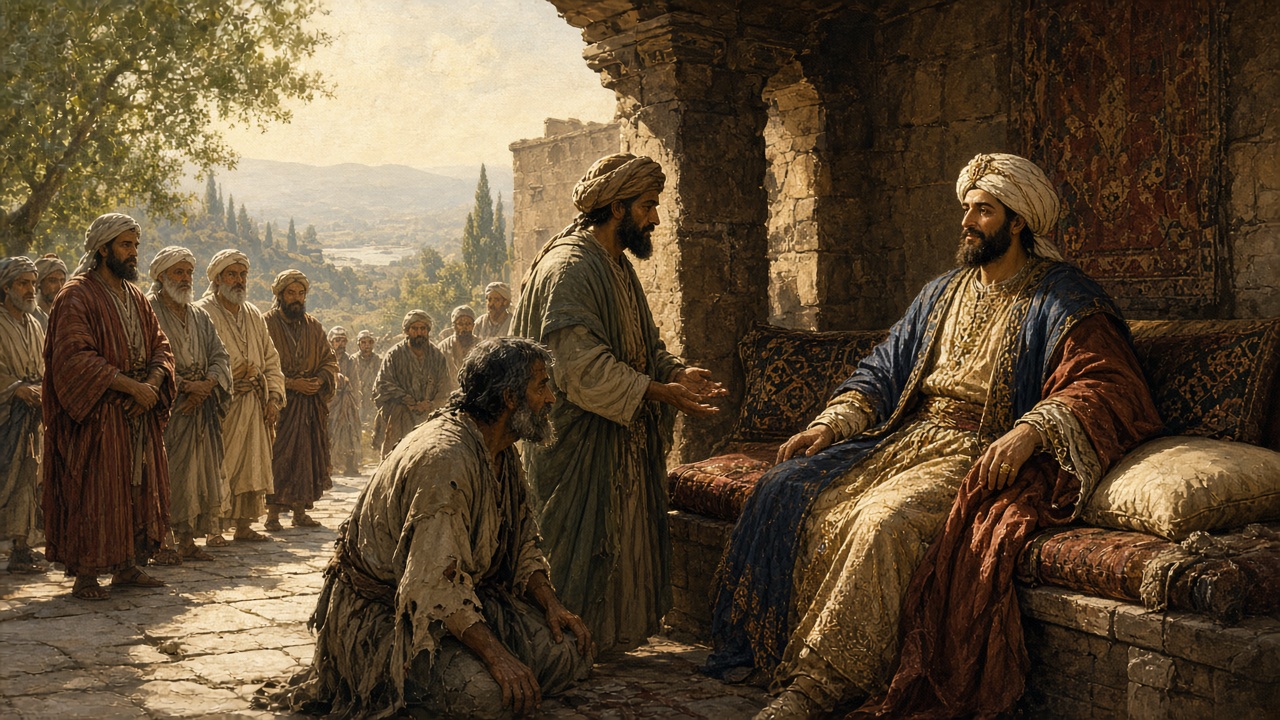
1Mʉja, jívʉ, maje jabocʉ meacʉ baju Jesucristore jʉ aivʉ, jã́mejara apevʉ põevare me apevʉ pʉeno. 2Ecoyʉ baru mʉje cójijiñami cũinácʉ ʉ̃mʉ cʉve cʉvacʉ, ãmuyo ad̶aitarabʉa úruque aru meacaje cuitótecajede máre doyʉ, aru ecoyʉ baru mʉje cójijiñami apecʉ ʉ̃mʉ máre, cʉve cʉvabecʉ, cõmaje ãrojacʉ, aru meamecaje javecacaje cuitótecajede doyʉ, ne ecoiyede, mʉja me jã́ri ñai cʉve cʉvacʉre aivʉ baru ʉ̃́re, “Dobajacʉ mʉ yo dobarõ mearore”, ʉbenita ãme jã́ri ñai cʉve cʉvabecʉre aivʉ baru ʉ̃́re, “Nújacʉ mʉ nore o dobajacʉ joborõi ji cʉboba yebai”, mʉje nópe d̶aru, meamejebu no. 4Que d̶aivʉ baru, mʉjavacari pʉcaũmea cʉvʉ. Apevʉre jã́ivʉ baru me baju apevʉ pʉeno, beoivʉbu apevʉ bojecʉrivʉre mʉje jã́ru aru jarʉvaivʉbu apevʉ bojecʉbevʉre mʉje jã́ru. Que dápiaru, ãmenotamu.
5Mʉja, jívʉ, ji ʉmara, jápiajarã. Javede Jʉ̃menijicʉ beorejaquemavʉ ina ijãravʉcavʉ cõmaje ãrojarivʉ cʉve cʉvabevʉre, ne jʉ arãjiyepe ayʉ ʉ̃́re cʉve cʉvarivʉpe bárãjivʉ ne Jʉ̃menijicʉi jaboteinocavʉ bae boje yópe ʉ̃i aiye báquepedeca. Jʉ̃menijicʉ “Mearo d̶acacʉyʉmu yʉ mʉjare”, arejaquemavʉ ina ʉrivʉre ʉ̃́re jãve. 6Ʉbenita mʉjacapũravʉ cʉyoje d̶aivʉbu ina cʉve cʉvabevʉre. Ina cʉve cʉvarivʉrecabu ñájine d̶aivʉ mʉjare. Nárecabu jabʉboivʉ mʉjare jabova ne ãmeina teivʉre jẽniari jã́iñami. 7Mʉjavacari “Jesucristo jinamu maja”, aivʉbu, mʉje jʉ aiye báque boje ʉ̃́re. Ʉbenita nárecabu ãmeina yávaivʉ Jesucristore, mʉje pued̶aimʉre.
8Jʉ̃menijicʉ toivaicõjenejaquemavʉ ʉ̃i yávaiyede ʉ̃i d̶aicõjeino mácarõ pʉeno parʉrõ cõjeinore, yópe arĩ: “Ʉjacʉ mícʉre yópe mi ʉepe mi baju”, arĩ toivaicõjenejaquemavʉ. Mʉja d̶aivʉ baru jãve yópe yo cõjeinope, mearo d̶aivʉbu mʉja. 9Ʉbenita mʉja jã́ivʉ baru apevʉ põevare me apevʉ pʉeno, ye jecʉbevʉ caivʉre cũinátʉrʉra. Que teni ãmeno d̶aivʉbu mʉja, mʉje jʉ abe boje Jʉ̃menijicʉi d̶aicõjeiye báquede aru mʉje vainí tʉiye boje diede. 10Põecʉ jʉ arĩ d̶aiyʉrĩduyʉ baru Jʉ̃menijicʉi d̶aicõjeiye matʉiyede, ʉbenita quéno cũinájino cõjeinore d̶abecʉ baru, boropateibi ʉ̃ Jʉ̃menijicʉi jã́inore ʉ̃i jʉ abeni, vainí tʉ́jʉroepe caiye diede. 11Jʉ̃menijicʉvacari “Cʉbejarã apevʉque mʉjemarebʉcʉvare jarʉvarĩ”, arejaquemavʉ. Aru ʉ̃ máre “Boarĩ́ jarʉvabejarã põevare”, arejaquemavʉ. Que baru mʉja cʉbevʉ baru apevʉque mʉjemarebʉcʉvare jarʉvarĩ, ʉbenita boarĩ́ jarʉvaivʉ baru põevare, mʉjarecabu jʉ abeni, vainí tʉivʉ Jʉ̃menijicʉi d̶aicõjeiyede. 12Mʉja coreóvaivʉbu Jʉ̃menijicʉ jã́ri coyʉcʉyʉre méne o ãmene mʉje d̶aiyede. Jã́cʉyʉme aipe ãrojaene diede, yópe ʉ̃i d̶aicõjeiye me, aru ye jaʉbe, aru bʉoimarare d̶abepe máre. Que baru me yávajarã aru me d̶ajarã máre yópe Jʉ̃menijicʉi ʉrõpe. 13Jʉ̃menijicʉ cõmaje ãroje jã́mecʉ ñájine d̶acʉyʉme ñai põecʉ cõmaje ãroje jã́mecʉre ʉ̃ jicʉre. Ʉbenita jidʉé jaʉbequiyebu ina cõmaje ãroje jã́ivʉre apevʉre Jʉ̃menijicʉi ñájiovaquijãravʉ baquinói põevare, ne ãmeina teiye boje.
Põeva ne d̶aiye me bojecʉrõ ne yávaiye pʉeno
14Mʉja, jívʉ, jápiajarã. Ñai põecʉ coyʉyʉ “Jʉ aivʉ yʉ Jesucristore”, ʉbenita mearore d̶abecʉvacari, ʉbenina coyʉrĩduibi ʉ̃ jʉ ayʉre. Ye baju ãmevʉ no jʉ aino jãve ãmeno. Põecʉ ʉ̃i jʉ aino nópe painoque mead̶aimʉ macʉyʉ́ bʉojabebi. 15Cũinácʉ mʉjacacʉ o cũináco mʉjacaco cʉvabedu cuitótecajede aru ãiyede máre, aru náre “Me nʉjara mʉja. Cũmajara mʉja me aru me javatejarã máre” mʉje aru, ʉbenita mʉjavacari ye jíbedu náre ne doiyeva aru ne ãiyeva máre, meamejebu no. Ye baju ãmevʉ mʉje que d̶aiye. 17Quédecabu ñai põecʉ ayʉ “Jʉ aivʉ yʉ Jesucristore”, ʉbenita mearore d̶abecʉva. Ñai jʉ ayʉ jãve ãmemi.
18Aru apecʉ ʉ̃i aru: “Mʉ jʉ ayʉbu Jesucristore aru yʉ mearore d̶ayʉbu”, yópe arĩ, coyʉjebu yʉ: “Jã́d̶ovajacʉ yʉre mi jʉ aiyede Jesucristore mearore d̶aiye cʉvabecʉva. Aru yʉ́capũravʉ jã́d̶ovaquijivʉ mʉre ji jʉ aiyede ʉ̃́re ji mearore d̶aiyeque”. Que ajebu yʉ. 19Mʉ coreóvayʉbu Jʉ̃menijicʉ cũinácʉra cʉcʉre. Mearotamu no mi coreóvaino. Abujuva máre coreóvad̶ama Jʉ̃menijicʉ cũinácʉra cʉcʉre. Aru ʉ̃́re jidʉrivʉ bidiyama na. Ʉbenita ne coreóvaiyede ʉ̃́re cad̶atebevʉ náre.
20Mʉ, ãrʉmecʉ, jã́d̶ovaquijivʉ mʉre põecʉ ʉ̃i jʉ aiyede mearore d̶abecʉva jʉ aiye jãve ãmene aru cad̶atebede ʉ̃́re. 21Jʉ̃menijicʉ jã́rejaquemavʉ majeñecu mácʉre, Abraham mácʉre, boropatebecʉpe, ʉ̃i bʉoiye báquede mamacʉre, Isaac bácʉre, ʉ̃i boarĩ́, juarĩ jícaquiyepe ayʉ ʉ̃́re Jʉ̃menijicʉre, yópe Jʉ̃menijicʉi d̶aicõjeino mácarõpedeca ʉ̃́re. 22Que teni coreóvayʉbu mʉ Abraham mácʉi jã́d̶ovaiye báquede ʉ̃i jʉ aiye báque Jʉ̃menijicʉre jãvene ʉ̃i d̶aiye báqueque. Aru ʉ̃i d̶aiye báqueque jã́d̶ovarejaquemavʉ ʉ̃i jʉ aiye báque ye jaʉbede. 23Que teni vaidéjaquemavʉ yópe Jʉ̃menijicʉi aiye báquepedeca. Abraham mácʉrã Jʉ̃menijicʉ toivaicõjenejaquemavʉ ʉ̃i yávaiyede, yópe arĩ: “Abraham jʉ arejaquemavʉ Jʉ̃menijicʉ ‘Yópe d̶acʉyʉmu’, ʉ̃i aiye báquede ʉ̃́re. Que baru Jʉ̃menijicʉ coyʉrejaquemavʉ ʉ̃́re, ‘Boropatebecʉbu mʉ ji jã́inore’ ”, arĩ toivaicõjenejaquemavʉ. Aru Abraham mácʉ, “Jʉ̃menijicʉi yóvaimʉme”, ne aimʉ marejaquémavʉ.
24Que baru coreóvaivʉbu mʉja Jʉ̃menijicʉ coyʉyʉre, “Boropatebevʉ mʉja ji jã́inore”, ina põeva mearore d̶aivʉre. Ʉbenita põecʉ quénora coyʉyʉ baru “Jʉ aivʉ yʉ Jʉ̃menijicʉre”, jaʉvʉ ʉ̃́re Jʉ̃menijicʉi jã́inova. 25Quédecabe ico nomió máco, õi baju bojed̶ad̶o ʉ̃mʉvare ãmenore d̶ad̶o báco náque, õi ãmiá Rahab. Jʉ̃menijicʉ jã́rejaquemavʉ õ mácore boropatebecope õi d̶aiye báqueque. Õ máco copʉ etarejaquemavʉ ina Josué bácʉi jaroimara mácavʉre. Aru cad̶atedejaquemavʉ na mácavʉre máre, ne dupini nʉrajiyepe ad̶o õi jã́d̶ovaiye báquede na mácavʉre apema, ne dupini nʉima mácarõre. 26Que baru yópe põecʉ ũme cʉbecʉ, yaiyʉ́ bácʉpe, nopedeca ñai põecʉ mearo d̶abecʉ jʉ ayʉ Jʉ̃menijicʉre jãve ãmemi. Cad̶atebebi ʉ̃. Aru ʉ̃i jʉ aiye bojecʉbevʉ.
Did you know?
Impartiality and Living Faith
- James recalls that Abraham was justified by offering his son Isaac on the altar, his faith working with his actions and perfected by what he did. Isaac, the only son of Abraham by Sarah, was the one God commanded Abraham to offer as a sacrifice on a mountain in the land of Moriah.Sources: the Bible text itself · Isaac
- James also cites Rahab the prostitute, justified by welcoming the spies and sending them off on another route. The two spies, sent by Joshua while the Hebrews were encamped at Shittim opposite Jericho, had gone to her house, faced danger in the city, and were saved by her fidelity.Sources: the Bible text itself · Rahab
Notes written with AI assistance from open sources (Theographic Bible Metadata, CC BY-SA 4.0; Easton’s Bible Dictionary, public domain) and reviewed before publishing.
Credits and license for this translation
Majepacʉ jʉ̃menijicʉi yávaiye mamaene coyʉitucubo
New Testament in Cubeo (CO:cub:Cubeo)
copyright © 2009 Wycliffe Bible Translators, Inc.
Language: Cubeo
Translation by: Wycliffe Bible Translators, Inc.
Cubeo [cub], Colombia
Copyright Information
© 2009, Wycliffe Bible Translators, Inc. All rights reserved.
This translation text is made available to you under the
terms of the Creative Commons License: Attribution-Noncommercial-No Derivative Works.
( http://creativecommons.org/licenses/by-nc-nd/3.0/ )
In addition, you have permission to port the text to different file formats, as long as you
do not change any of the text or punctuation of the Bible.
You may share, copy, distribute, transmit, and extract portions
or quotations from this work, provided that you include the above copyright
information:
You must give Attribution to the work.
You do not sell this work for a profit.
You do not make any derivative works that change any of the actual words or punctuation of the Scriptures.
Permissions beyond the scope of this license may be
available if you contact
us with your request.
The New Testament
in Cubeo
© 2009, Wycliffe Bible Translators, Inc. All rights reserved.
This translation is made available to you under the terms of the
Creative Commons Attribution-Noncommercial-No Derivatives license 4.0.
You may share and redistribute this Bible translation or extracts from it in any format, provided that:
You include the above copyright and source information.
You do not sell this work for a profit.
You do not change any of the words or punctuation of the Scriptures.
Pictures included with Scriptures and other documents on this site are licensed just for use with those Scriptures and documents.
For other uses, please contact the respective copyright owners.
2014-04-22
Source: http://ebible.org/cubNT/ · eBible.org