Hebrews 5
Majepacʉ jʉ̃menijicʉi yávaiye mamaene coyʉitucubo · Tap a verse to see its cross-references.
1Caride ãrʉre d̶aquijivʉ mʉjare aipe ãrojarivʉre ina sacerdotevare jaboteipõeva mácavʉre. Jʉ̃menijicʉ beorejaquemavʉ caivʉ sacerdotevare jaboteipõeva mácavʉre nácavʉ ne jẽneboi. Aru epedejaquemavʉ na mácavʉre, ne memecarãjiyepe ayʉ ʉ̃́re põevare boje. Ʉ̃́re memecarejaquemavʉ jícaivʉ Jʉ̃menijicʉre ãimara ne boaimara mácavʉre juaiyede, nácavʉ aru ne baju máre ne ãmeina teiye boje, ʉ̃i ñájine d̶abequiyepe aivʉ náre die boje, aru ape jícaiyede máre, pued̶arĩ Jʉ̃menijicʉre, torojʉede jínajivʉ, ʉ̃i cad̶ateiye báque boje náre. 2Sacerdotevare jaboteipõecʉvacari parʉbedejaquemavʉ ʉ̃i ũmei, yópe apevʉ põevape. Que baru cõmaje ãroje jã́ñʉ coreóvarejaquemavʉ ina ãmeina teivʉre coreóvabevʉva, ne majibe boje yéde ãmeina teiyede. 3Aru ʉ̃́vacari ʉ̃i parʉbe boje ʉ̃i ũmei, Jʉ̃menijicʉre jícaiye jaʉrejaquemavʉ ʉ̃́re ãimara boaimara mácavʉre juaiyede, põeva ne ãmeina teiye boje aru ʉ̃i baju ãmeina teiye boje máre.
4Sacerdotevare jaboteipõecʉ bácʉ barejaquémavʉ põeva ne pued̶aimʉ, ʉ̃i memecaiye boje Jʉ̃menijicʉre parʉéque. Aru põecʉ cʉbebi ʉ̃i bajure beorĩ epeyʉ sacerdotevare jaboteipõecʉva. Quénora Jʉ̃menijicʉrecabe cũinácʉra beorĩ, cuturĩ, epeyʉ sacerdotevare jaboteipõecʉva. Quédeca barejaquémavʉ Aarón mácʉ, põeva ne pued̶aimʉ mácʉ, Jʉ̃menijicʉi beorĩ, cuturĩ, epeiye báque boje ʉ̃ mácʉre sacerdotevare jaboteipõecʉva.
5Aru nopedeca vaidéjaquemavʉ Cristore. Ʉ̃́vacari ʉ̃i bajure beorĩ epebedejaquemavʉ sacerdotevare jaboteipõecʉva. Quénora Jʉ̃menijicʉvacari ʉ̃́re beorĩ, epeni, yópe arejaquemavʉ ʉ̃́re:
Jímacʉrecabu mʉ. Caride caivʉ ne jápiainoi yʉ́vacari jaboteicõjeivʉ mʉre, arejaquemavʉ Jʉ̃menijicʉ mamacʉre.
6Aru apeno Jʉ̃menijicʉi coyʉino mácarõre Cristore, yópe arĩ, toivaicõjenejaquemavʉ:
Cainʉmʉa sacerdote tecʉyʉmu mʉ dajocabecʉva, yópe Melquisedec ʉ̃i sacerdote teiye báquepedeca dajocabecʉva, arejaquemavʉ Jʉ̃menijicʉ.
7Cristo ʉ̃i cʉede cãreja ijãravʉi coyʉvarejamed̶a Jʉ̃menijicʉque, aru jẽniarejamed̶a ʉ̃́que, ʉ̃i cad̶atequiyepe ayʉ. Orique cod̶oboborĩ jẽniavarejamed̶a Jʉ̃menijicʉre, ñai mead̶aiye majicʉre ʉ̃́re ʉ̃i yaijʉrorõre jocarĩ. Aru Cristoi pued̶arĩ jʉ aiye boje, ʉ̃i jẽniaiyede Jʉ̃menijicʉre, “Mi ʉrõpe d̶ajacʉ mʉ” arĩ, Jʉ̃menijicʉcapũravʉ Cristoi jẽniaiyede jápiarĩ jʉ arejaquemavʉ, ʉ̃i cad̶ateiyede Cristoi d̶aquiyepe ayʉ yópe ʉ̃i ʉrõpe. 8Cristo, Jʉ̃menijicʉi mácʉ, jípacʉre jʉ aiye majicʉvacari, ñájiñʉ majini jebedejaquemavʉ aipe ãrojaene Jʉ̃menijicʉre jápiarĩ jʉ aiyede aru ʉ̃i ʉrõpe d̶aiyede. 9Cristoi d̶aiye báquede caiye iye ʉ̃́re jaʉéde yópe Jʉ̃menijicʉi ʉrõpe, põevare mead̶aipõecʉ tedejaquemavʉ. Que baru caivʉ maja ʉ̃́re jápiarĩ jʉ arĩ d̶aivʉre yópe ʉ̃i ʉrõpe mead̶ayʉbe ʉ̃, maje cʉvarãjiyepe ayʉ caiye iye Jʉ̃menijicʉi mearo d̶acaquiyede majare, aru maje jabotenajiyepe ayʉ Cristoque cainʉmʉa. 10Aru Jʉ̃menijicʉ epedejaquemavʉ ʉ̃́re sacerdotevare jaboteipõecʉva cainʉmʉa, yópe ʉ̃i epeiye báquepedeca Melquisedede sacerdotevare jaboteipõecʉva.
Dajocabejarã mʉje jʉ aiyede Cristore
11Toivacaiyʉrĩduivʉ mʉjare ʉrarõ iye Cristoi sacerdotevare jaboteiyede. Ʉbenita mʉjacapũravʉ jũracʉrivʉ ted̶avʉ̃. Que baru ji coyʉru mʉjare Cristoi sacerdotevare jaboteiyede, jápiabejebu mʉja. Que baru maiyójavʉ yʉre diede ji coyʉiyʉrĩduiyede mʉjare. 12Javede majivʉ mʉja iye yávaiye méne Cristorã. Aru ʉ̃́re jʉ aivʉbu obediʉjʉare. Que baru parʉrivʉ baru mʉje ũmei, mʉjavacari buejebu apevʉre, ne jápiarĩ jʉ arãjiyepe aivʉ diede. Ʉbenita quénora pʉ caride máre mʉjavacari me jápiarĩ eabevʉ. Jaʉvʉ mʉjare apevʉ ne bueiye bedióva cojedeca no bueino maiyójabenore, yópe mamarʉmʉ mʉje bueino mácarõpe Jʉ̃menijicʉi yávaiyequede.
Mʉjavacari jʉed̶ojĩnape paivʉ ted̶avʉ̃. Jʉed̶ojĩna opeco matʉiyeda ũcuñaima. Ʉbenita bʉcʉva ãiyede ãiye majima. Quédeca põeva jʉed̶ojĩnape paivʉ ne ũmei quénora Jʉ̃menijicʉi yávaiye maiyójabede jápiarĩ ead̶ama na. Ʉbenita põeva bʉcʉvape paivʉ ne ũmei Jʉ̃menijicʉi yávaiye maiyójaede máre jápiarĩ ead̶ama na. 13Caivʉ ina ãri majibevʉ aru opeco matʉiyeda ũcuivʉ jʉed̶ojĩnatamu. Bʉcʉva ãmevʉtamu cãreja. Põeva majibevʉ yéde d̶aiye méne aru ãmene máre jʉed̶ojĩnape paivʉbu ne ũmei. Dápiarĩ majibevʉ cãreja iye maiyójaede Jʉ̃menijicʉi yávaiyequede. 14Ʉbenita ina ãri majidivʉ bʉcʉvatamu. Põeva majidivʉ aipe d̶aiye méne aru ãmene máre bʉcʉvape paivʉbu ne ũmei, ne dápiarĩ cõmajiye boje caiye ne d̶aiyede mearo maru o ãmeno maru. Dápiarĩ majidivʉbu iye maiyójaede Jʉ̃menijicʉi yávaiyequede.
Did you know?
A High Priest Called by God
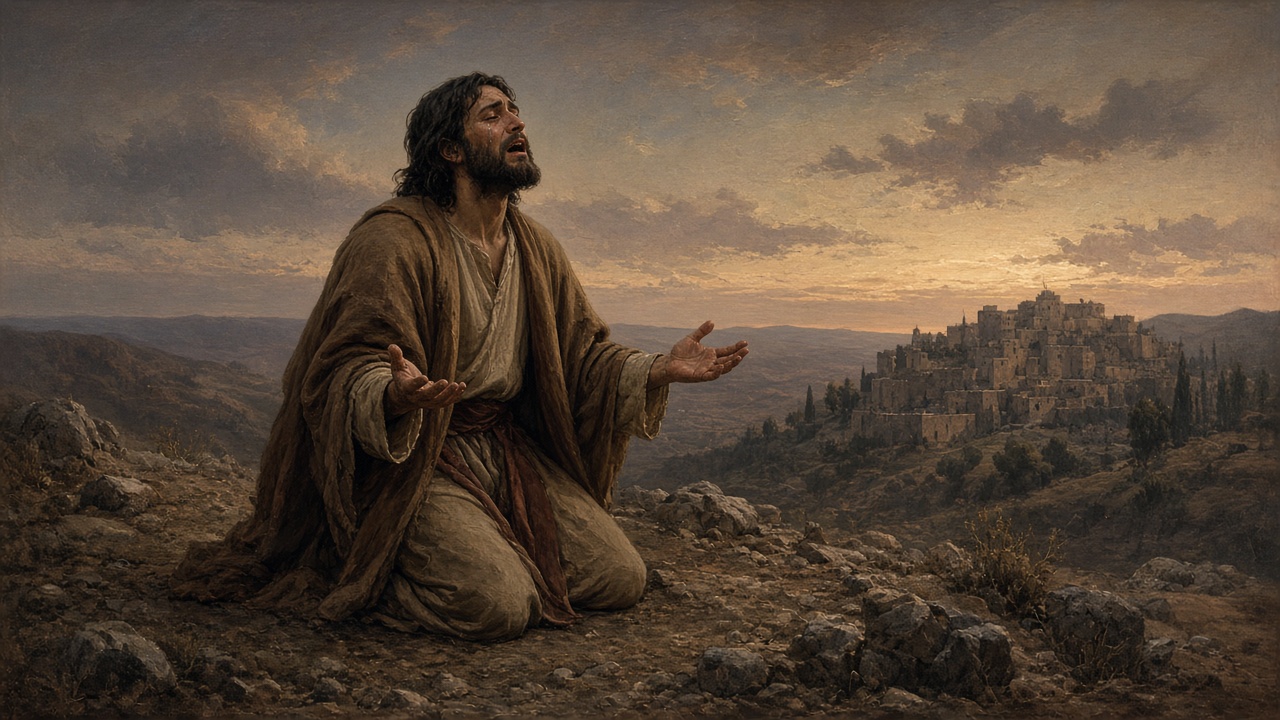
- Hebrews 5 presents Aaron as the pattern of a high priest who does not take the honor upon himself but is called by God. Aaron, eldest son of Amram and Jochebed, was born in Egypt three years before his brother Moses. When the time drew near for Israel’s deliverance from Egypt, God sent him to meet his long-absent brother so that they might work together toward the Exodus.Sources: the Bible text itself · Aaron
- Melchizedek, whose name Easton's Bible Dictionary (1897) explains as “king of righteousness,” was king of Salem. All that the Old Testament records of him is in Genesis 14:18–20, and he is mentioned only once more, in Psalm 110:4. Hebrews 5 applies to Christ the words “You are a priest forever in the order of Melchizedek,” and the same dictionary says that Hebrews 7 sets out the significance of his story in detail and presents his priesthood as superior to Aaron’s, noting that Abraham paid him tithes and that Melchizedek blessed Abraham.Sources: the Bible text itself · Melchisedec
Notes written with AI assistance from open sources (Theographic Bible Metadata, CC BY-SA 4.0; Easton’s Bible Dictionary, public domain) and reviewed before publishing.
Credits and license for this translation
Majepacʉ jʉ̃menijicʉi yávaiye mamaene coyʉitucubo
New Testament in Cubeo (CO:cub:Cubeo)
copyright © 2009 Wycliffe Bible Translators, Inc.
Language: Cubeo
Translation by: Wycliffe Bible Translators, Inc.
Cubeo [cub], Colombia
Copyright Information
© 2009, Wycliffe Bible Translators, Inc. All rights reserved.
This translation text is made available to you under the
terms of the Creative Commons License: Attribution-Noncommercial-No Derivative Works.
( http://creativecommons.org/licenses/by-nc-nd/3.0/ )
In addition, you have permission to port the text to different file formats, as long as you
do not change any of the text or punctuation of the Bible.
You may share, copy, distribute, transmit, and extract portions
or quotations from this work, provided that you include the above copyright
information:
You must give Attribution to the work.
You do not sell this work for a profit.
You do not make any derivative works that change any of the actual words or punctuation of the Scriptures.
Permissions beyond the scope of this license may be
available if you contact
us with your request.
The New Testament
in Cubeo
© 2009, Wycliffe Bible Translators, Inc. All rights reserved.
This translation is made available to you under the terms of the
Creative Commons Attribution-Noncommercial-No Derivatives license 4.0.
You may share and redistribute this Bible translation or extracts from it in any format, provided that:
You include the above copyright and source information.
You do not sell this work for a profit.
You do not change any of the words or punctuation of the Scriptures.
Pictures included with Scriptures and other documents on this site are licensed just for use with those Scriptures and documents.
For other uses, please contact the respective copyright owners.
2014-04-22
Source: http://ebible.org/cubNT/ · eBible.org