Ephesians 6
Majepacʉ jʉ̃menijicʉi yávaiye mamaene coyʉitucubo · Tap a verse to see its cross-references.
1Mʉja, jʉed̶ova, jʉ ajarã me mʉjebʉcʉvare ne coyʉiyede mʉjare, mʉje jʉ aiye boje Jesucristore. 2Nópe d̶aiye jaʉvʉ mʉjare. Nopedeca d̶aicõjenejaquemavʉ Jʉ̃menijicʉ ʉ̃i coyʉiye báquede Moisés bácʉre iye caipʉcapʉrʉape paiye d̶aicõjeiye pʉeno me bajure. Jʉ̃menijicʉ ʉ̃i coyʉiye báquede yo d̶aicõjeinore, “Yópe mearo d̶acacʉyʉmu yʉ”, arejaquemavʉ máre: “Mipacʉre aru mipacore máre ʉrĩ jʉ ajarã. Que d̶aivʉ baru, me cʉrãjaramu obediʉjʉa ijãravʉi”, arĩ coyʉrejaquemavʉ Jʉ̃menijicʉ.
4Mʉja, nébʉcʉva, jorojĩne d̶abejarã mʉjemarare. Quénora buejarã náre aru majicajarã náre aipe d̶aiye jaʉrõre, ne torojʉre d̶arãjiyepe aivʉ Jʉ̃menijicʉre ne d̶aiyeque.
5Mʉja, memecaivʉ, jʉ ajarã me mʉje jabova ijãravʉcavʉre ne coyʉiyede mʉjare. Mʉjamu náre memecaivʉ. Que baru pued̶ajarã náre me. Jʉjovabevʉva memecajarã náre yópe mʉje Cristore memecajʉroepe. 6Cainʉmʉa jʉ ajarã náre me mʉje ũmeque. Jʉ aivʉ ãmejara náre quénora ne jã́iyede mʉjare, “Mearo d̶aivʉbu” ne arãjiyepe aivʉ mʉjare. Yópe Jʉ̃menijicʉi ʉrõpe memecajarã mʉja, mʉje memecaiye boje Cristore. 7Torojʉrivʉ memecajarã mʉja. Yópe mʉje põevare memecajʉroepe ãmevʉ. Quénora yópe maje jabocʉ Cristore mʉje memecajʉroepe d̶ajarã mʉja. 8Coreóvajarã me maje jabocʉ Jesucristovacari bojed̶acʉyʉre caivʉ põevare náre coapa yebacavʉre aru memecaivʉre máre, ne mearo d̶aiye báque boje.
9Mʉja, ne jabova, quédeca mʉjare memecaivʉ ne d̶aiyepe me, mʉja máre d̶ajarã me. Cainʉmʉa “Bojed̶abequijivʉ mʉjare”, abejarã náre. Coreóvajarã mʉja me ñai cavarõ mearocacʉ caivʉ mʉje jabocʉre. Mʉjare memecaivʉre aru mʉjare máre, cũinácʉrabe ñai mʉje jabocʉ. Ʉ̃́tame jã́ñʉ caivʉ põevare cũinátʉrʉ. Que baru caivʉ náre coapa bojed̶acʉyʉme me yópe ne d̶aiye báquepe.
Jesúre jʉ aipõeva ne maucʉvarõ abujuvai jabocʉre
10Caride bʉojaivʉ yʉ iye ji toivaicõjeiyede apecʉre mʉjare. Parʉre d̶ajarã mʉja mʉje ũmei, mʉje cʉe boje Jesucristoque cũinávʉpe ʉ̃i parʉé pʉeno ʉrarõ bajuque. 11Cainʉmʉa meateivʉ bájarã mʉja, maucʉvarãjivʉ copʉ ina ãmenaque ijãravʉi. Yópe Romacacʉ churara ʉ̃i doiyepe meatecʉyʉ ʉ̃i bajure, meatejarã mʉja iye Jʉ̃menijicʉi jíye báquei mʉje ũmene ʉ̃i mead̶aiyeque. Que teni abujuvai jabocʉ ye vainí tʉyʉ bʉojabecʉbe mʉjare ʉ̃i jʉjovaiyeque. 12Põevare copʉ maucʉvarivʉ ãmevʉ maja. Quénora ijãravʉcavʉ abujuvare copʉ maucʉvarivʉbu maja. Ina cõjeivʉ, ina parʉrivʉ, aru ina jabova máre, nárecabu ijãravʉcavʉre jaboteivʉ. Ijãravʉ ãmejãravʉ ñamipe paijãravʉbu, ina abujuva ne jaboteiye boje yore. 13Que baru iye Jʉ̃menijicʉi jíye báquei majare, maje meatenajiyepe ayʉ maje ũmene, ĩni cʉvajarã mʉja. Diede cʉvarivʉ cainʉmʉa abujuvai jʉjovaiyʉrinʉmʉre náre copʉ maucʉvarivʉ bʉojarãjaramu mʉja. Vainí tʉbenajarama mʉjare. Aru maucʉvarĩburu yóboi, cʉrãjaramu mʉja ijãravʉi parʉrivʉ mʉje ũmei.
14Que baru cainʉmʉa meateivʉ bájarã, maucʉvarãjivʉ. Yópe ñai churara ʉ̃i bʉoiyepe ʉ̃i jãrióicãvare, nopedeca bʉojarã mʉje bajure Jʉ̃menijicʉi yávaiyede jãvene mʉje majiéque. Yópe ñai churarai taoiyepe ʉ̃i bajure jãjaricaje doicajeque, nopedeca taojarã mʉje bajure mʉje mearo d̶aiyeque. 15Yópe cʉraidoare ʉ̃i doiyepe tutué núcʉyʉ, aru nurié cucʉyʉ máre, nopedeca tutué nújara mʉje ũmei aru nurié coyʉjarã Jʉ̃menijicʉi yávaiye méne, cãrijimenoque cʉre d̶aiyede põevare ʉ̃́que. 16Yópe ñai churara ʉ̃i jẽiyepe ʉ̃i taoivare ẽomecʉyʉ ʉ̃i mauvai tãuyoa uruiyoare, nopedeca cainʉmʉa jẽjara mʉja mʉje Cristore jʉ aiyede, abujuvai jabocʉ ãmecʉ baju ʉ̃i ãmed̶abequiyepe aivʉ mʉjare ʉ̃i jʉjovaiyʉeque. 17Yópe ñai churara ʉ̃i cʉvaepe moibo jãjaribore taocʉyʉ ʉ̃i jipobʉre, nopedeca cʉvajarã mʉja Jʉ̃menijicʉi mead̶aiyede ʉ̃i jíye báquede mʉjare bojecʉbeda, mʉje meatenajiyepe aivʉ mʉje dápiaiyede. Aru yópe ñai churara ʉ̃i vainí tʉiyepe ʉ̃i mauvare jarʉvarĩ ʉ̃i boaicaroveque, nopedeca vainí tʉjarã mʉja ina mʉje ũmene copʉ maucʉvarivʉre Jʉ̃menijicʉi yávaiyeque, ñai Espíritu Santoi jíyeque mʉjare.
18Cainʉmʉa dajocabejarã mʉje coyʉiyede Jʉ̃menijicʉque. Caiye mʉje d̶aiyede coyʉjarã ʉ̃́re ñai Espíritu Santoi cad̶ateiyeque. Torojʉede jíjarã ʉ̃́re ʉ̃i mearo d̶acaiye boje majare. Aru jẽniajara Jʉ̃menijicʉque caiye mʉjare jaʉéde. Ʉetʉbevʉva me dápiajarã mʉje coyʉiyede Jʉ̃menijicʉque. Jẽniare nʉjara caivʉ Jʉ̃menijicʉi põevare boje dajocabevʉva. 19Aru mʉje coyʉiyede jẽniajara Jʉ̃menijicʉque yʉre máre. Jẽniajara ʉ̃i majide d̶aquiyepe aivʉ yʉre aipe yávaiye jaʉrõre yʉre põevaque, ne jápiarĩ coreóvarãjiyepe ayʉ Jʉ̃menijicʉi yávaiye méne ne jápiabe báquede cãreja. Jẽniajara ji buequiyepe aivʉ diede jidʉbecʉva. 20Ji coyʉiye báque boje iye yávaiye méne Cristoi borore, ãmeina teivʉre jẽni jacoiñami jívʉi cʉvʉ yʉ tãumeaque caride. Cristoi daroimʉmu yʉ, coyʉcacʉyʉ ʉ̃i yávaiye méne ã́roi ji cʉrõi. Jẽniajara Jʉ̃menijicʉque, ʉ̃i yávayʉ bʉojare d̶aquiyepe aivʉ yʉre, ji coyʉquiyepe aivʉ diede jidʉbecʉva caivʉ ne jápiaiyede yópe yʉre jaʉépe.
Pablo ʉ̃i meaicõjeino Éfesocavʉre
21Caiye iye vaiyede yʉre ñai Tíquico coyʉcʉyʉme mʉjare. Ʉ̃́recabe majecʉ, maje ʉmʉ, aru maje jabocʉ Jesucristore memecayʉ yʉ́que dajocabecʉva. Mʉje coreóvarãjiyepe ayʉ ji borore, coyʉcʉyʉme aipe cʉcʉre, d̶ayʉre máre. 22Darocʉyʉmu ʉ̃́re yo paperayocaque mʉje yebai, ʉ̃i coyʉquiyepe ayʉ aipe vaiyede ñʉjare, ʉ̃i torojʉre d̶aquiyepe ayʉ mʉjare mʉje ũmei.
23Majepacʉ Jʉ̃menijicʉ, maje jabocʉ Jesucristomaque, cʉre d̶ajacʉrĩ caivʉ majevʉ Jesucristore jʉ aivʉre cãrijimevʉva. Ʉre d̶ajacʉrĩ caivʉ majare maje bajumia, maje jʉ aiye boje ʉ̃́re. 24Mearo d̶acajacʉrĩ caivʉ maja ʉrivʉ maje jabocʉ Jesucristore maje ʉe cũiméque, ʉ̃i mearo d̶acaiye boje põevare bojecʉbeda. Quénoramu.
Did you know?
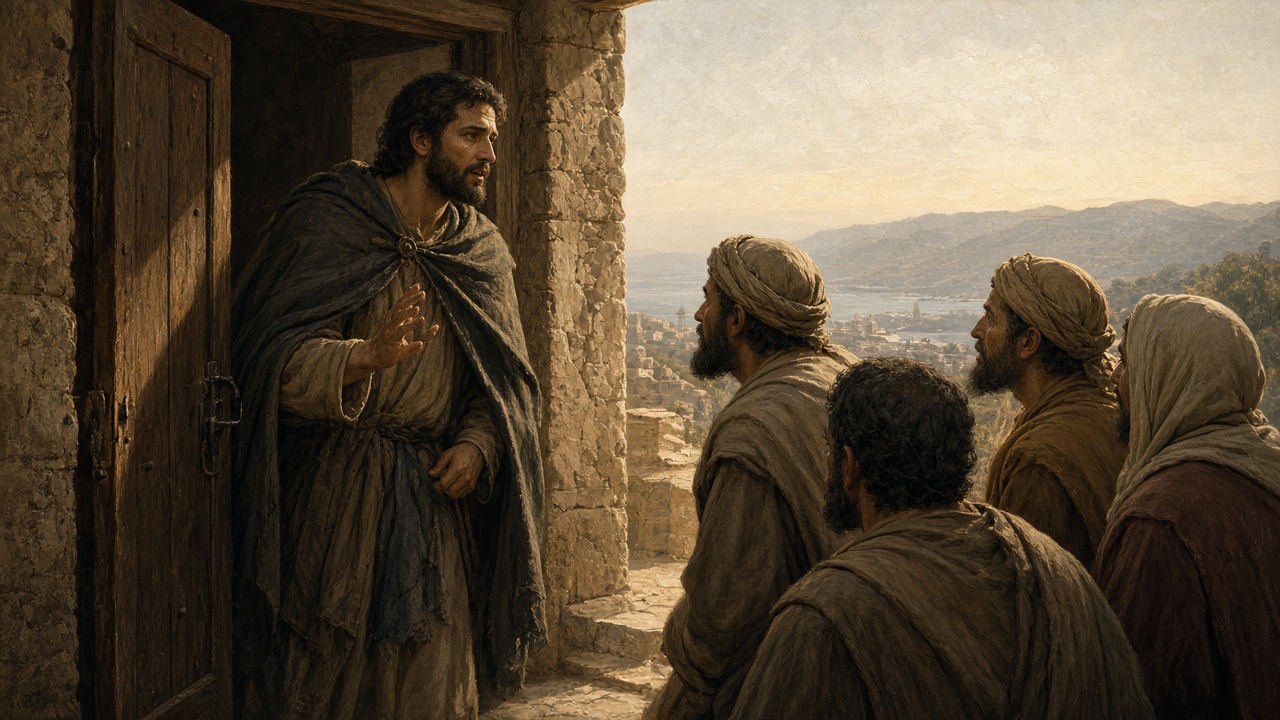
Household duties, God's armor, and Tychicus
- This chapter presents the command to honor one's father and mother as the first commandment with a promise: that it may go well with you and that you may have a long life on the earth. It also tells fathers not to provoke their children to wrath, but to bring them up in the discipline and instruction of the Lord.Sources: the Bible text itself
- The chapter says the struggle is not against flesh and blood, but against rulers, authorities, the powers of this world's darkness, and spiritual forces of evil in the heavenly realms. Readers are urged to take up the full armor of God—a belt of truth, a breastplate of righteousness, feet fitted with the readiness of the gospel of peace, a shield of faith, a helmet of salvation, and the sword of the Spirit, which is the word of God—so they can stand when the day of evil comes.Sources: the Bible text itself
- The writer asks for prayer to proclaim the gospel fearlessly as an ambassador in chains, and sends Tychicus, the beloved brother and faithful servant in the Lord, to tell the readers how he is and to encourage them. Tychicus is described as an Asiatic Christian who, with Trophimus, accompanied Paul on part of the journey from Macedonia to Jerusalem and was with Paul at Rome, from where he was sent to Ephesus, probably to build up and encourage the church.Sources: the Bible text itself · Tychicus
Notes written with AI assistance from open sources (Theographic Bible Metadata, CC BY-SA 4.0; Easton’s Bible Dictionary, public domain) and reviewed before publishing.
Credits and license for this translation
Majepacʉ jʉ̃menijicʉi yávaiye mamaene coyʉitucubo
New Testament in Cubeo (CO:cub:Cubeo)
copyright © 2009 Wycliffe Bible Translators, Inc.
Language: Cubeo
Translation by: Wycliffe Bible Translators, Inc.
Cubeo [cub], Colombia
Copyright Information
© 2009, Wycliffe Bible Translators, Inc. All rights reserved.
This translation text is made available to you under the
terms of the Creative Commons License: Attribution-Noncommercial-No Derivative Works.
( http://creativecommons.org/licenses/by-nc-nd/3.0/ )
In addition, you have permission to port the text to different file formats, as long as you
do not change any of the text or punctuation of the Bible.
You may share, copy, distribute, transmit, and extract portions
or quotations from this work, provided that you include the above copyright
information:
You must give Attribution to the work.
You do not sell this work for a profit.
You do not make any derivative works that change any of the actual words or punctuation of the Scriptures.
Permissions beyond the scope of this license may be
available if you contact
us with your request.
The New Testament
in Cubeo
© 2009, Wycliffe Bible Translators, Inc. All rights reserved.
This translation is made available to you under the terms of the
Creative Commons Attribution-Noncommercial-No Derivatives license 4.0.
You may share and redistribute this Bible translation or extracts from it in any format, provided that:
You include the above copyright and source information.
You do not sell this work for a profit.
You do not change any of the words or punctuation of the Scriptures.
Pictures included with Scriptures and other documents on this site are licensed just for use with those Scriptures and documents.
For other uses, please contact the respective copyright owners.
2014-04-22
Source: http://ebible.org/cubNT/ · eBible.org