Colossians 2
Majepacʉ jʉ̃menijicʉi yávaiye mamaene coyʉitucubo · Tap a verse to see its cross-references.
1Coreóvare d̶aiyʉvʉ mʉjare pʉeno baju ji memeiyede pʉ ʉetʉyʉvacari, cad̶atecʉyʉ mʉjare aru ina Jesúre jʉ aivʉ Laodicea ãmicʉriĩmarocavʉre, aru apevʉ Jesúre jʉ aivʉre máre, yʉre jã́mevʉ bácavʉre. 2Yópe memeivʉ, parʉre d̶acʉyʉ caivʉ mʉjare mʉje ũmei, mʉje cʉe boje cũinávʉpe mʉje ʉede mʉje bajumia. Aru yópe memeivʉ, mʉje jápiarĩ coreóvarãjiyepe ayʉ jãve caiye iye Jʉ̃menijicʉi majiéde ʉ̃i mead̶aiyede mʉjare. Que teni jãve coreóvarãjaramu mʉja Cristoi borore. Ʉ̃́recabe Jʉ̃menijicʉi jã́d̶ovamemʉ mácʉ cãreja javede. 3Cristo cũinácʉrabe majicʉ pʉeno baju caiye iye põeva ne majibede aru ne coreóvabede máre. Majibi caiyede. Aru ʉ̃i majiébu pʉeno baju me, yópe põecʉi bojecʉede yaveiyepe paiye. 4Caiye diede toivaicõjeivʉ apecʉre mʉjare, apevʉ ne jʉjovabenajiyepe ayʉ mʉjare borocʉeque. 5Ji cʉedeca joai mʉjare jocarĩ ãrʉvʉ yʉ mʉjare cainʉmʉa. Coreóvaivʉ yʉ mʉjare cʉrivʉre Jesucristoque cũinávʉpe aru jʉ aivʉre ʉ̃́re parʉrõreca. Que baru torojʉvʉ yʉ ji ũmei.
Apʉé mamae jaʉrõ majare, Jesúre jʉ aipõevare
6Mʉje jʉ aiye báque boje iye maje jabocʉ Jesucristoi yávaiyede, d̶ajarã mʉja cainʉmʉa yópe ne d̶aiye jaʉrõpe ina cʉrivʉ Jesucristoque cũinávʉpe. 7Que teni jʉ are nʉjara Jesucristore, aru d̶are nʉjara yópe ñʉje bueiyepe mʉjare ʉ̃i yávaiye méne mamarʉmʉre. Caijãravʉa pʉeno baju d̶are nʉjara yópe ʉ̃i ʉrõpe. Aru, “Jesucristoi yávaiye me jãvetamu”, are nʉjara. Nopedeca buedejaquemavʉ mʉjare mamarʉmʉre. Aru pare torojʉede jíde nʉjara majepacʉ Jʉ̃menijicʉre cainʉmʉa.
8Me jã́jara mʉja. Mʉje bajumia apevʉre jʉjovaicõjemejara ne bueiye bojecʉbeque aru borocʉeque máre, ne d̶abenajiyepe aivʉ mʉjare ne bueimarare. Iye ne bueiye põeva néñecuva mácavʉ ne d̶arĩ cõmajiyebu. Iye ne bueiye põeva ne majiébu. Aru iye ne bueiyedecabu Cristoi yávaiyede, “Jãve ãmevʉ” aiye. Que baru jãve ãmevʉ aru bojecʉbevʉ iye ne bueiye.
9Jʉ̃menijicʉvacari cʉbi Cristoque. Ʉ̃i bajurecabe ã́ri Jʉ̃menijicʉ cʉcʉ jã́d̶ovañʉ jãve aipe ãrojacʉre. Que baru maje jã́iyede Cristore, majivʉ aipe ãrojacʉ bajure Jʉ̃menijicʉre. 10Jʉ̃menijicʉ jãve cʉre d̶aibi mʉjare mʉje ũmei, mʉje cʉe boje cũinávʉpe Cristoque, ñai jaboteyʉ caivʉ jabovare aru cõjeivʉre máre. Que baru ye jaʉbevʉ mʉjare mʉje ũmei. 11Yópe ʉ̃mʉva ne buraicõjeiyepe ne cajede, ãrʉrajivʉ ne baju Jʉ̃menijicʉ jinava, nopedeca Cristo d̶aibi mʉjare Jʉ̃menijicʉ jinare, mʉje cʉe boje ʉ̃́que cũinávʉpe. Ʉbenita ʉ̃ burarĩ ĩni jarʉvabebi mʉje cajede. Quénora d̶aiyʉbede d̶aibi mʉjare ãmeina teiyede, mʉje ãmeina teiye d̶aiyʉe cõjeimara ãmenajiyepe ayʉ.
12Mʉje jã́d̶ovaiye báquede Jʉ̃menijicʉre ocoque yaivʉ bácavʉpe tedejaquemavʉ mʉja Cristoque, aru ne põe jarʉvainoi epeiye báquepe mʉjare ʉ̃́que, aru Jʉ̃menijicʉi nacovaiye báquepe mʉjare ʉ̃́que máre yainore jarʉvarĩ. Que d̶acarejaquemavʉ Jʉ̃menijicʉ mʉjare ʉ̃i majié parʉéque mʉje jʉ aiyede ʉ̃́re, “Jãve Jʉ̃menijicʉ nacovarejaquemavʉ Cristore yainore jarʉvarĩ”, mʉje aiyede. 13Mʉja yaivʉ bácavʉpe mʉje ũme coatede d̶aimara marejaquémavʉ Jʉ̃menijicʉre jarʉvarĩ, mʉje vainí tʉiye boje aru mʉje d̶aicõjeiye boje mʉje ãmeina d̶aiyʉeque. Dinʉmʉre Cristo epebedejaquemavʉ mʉjare cãreja Jʉ̃menijicʉ jinava. Ʉbenita caride Jʉ̃menijicʉ apʉre d̶aibi mʉjare apʉé mamaeque Cristoque. Que teni ãrʉmeteibi caiye maje ãmeina teiyede. 14Jʉ̃menijicʉi toivaicõjeiye báque boje ʉ̃i d̶aicõjeiyede, d̶aiye jaʉrejaquemavʉ majare. Ʉbenita maje d̶abe boje diede, bojecʉbe d̶aiye cʉvarejaquemavʉ Jʉ̃menijicʉque. Maja d̶abevʉ bácavʉreca iye d̶aicõjeiyede, ye boropateivʉpe jã́menejaquemavʉ majare Jʉ̃menijicʉ. Quénora Cristoi yaiye báqueque jocʉcʉjaravena jarʉvarejaquemavʉ maje bojecʉbe d̶aiye báquede ʉ̃́re. 15Que d̶ayʉ Jʉ̃menijicʉ pʉeno baju vainí tʉrejaquemavʉ caivʉ ina jabovare aru cõjeivʉre ʉ̃i cãchinoi. Náre cʉyoje tede d̶arĩ, jã́d̶ovaimi parʉcʉre caivʉ apevʉ pʉeno Cristo ʉ̃i d̶aiyeque. Que d̶aibi Jʉ̃menijicʉ caivʉ põeva ne jã́iyede.
Ijãravʉque bʉobevʉ Jesúre jʉ aipõeva
16Que baru jápiarĩ ad̶abejarã mʉja ácʉ põecʉ ãmeina yávayʉre mʉjare, mʉje ãiye boje aru mʉje ũcuiye boje máre, aru mʉje torojʉve tebe boje ʉ̃́pe ʉ̃i torojʉve teijãravʉare caiʉjʉa coapa, caivʉ aviáva coapa, aru sábadore máre caisumana coapa. 17Iye javeque d̶aicõjeiyeque ãiyeda coyʉiyede, aru torojʉve teiyeda coyʉiyede, aru apejĩena coyʉiyede máre Jʉ̃menijicʉ epedejaquemavʉ, buecʉyʉ ñʉjare. Iye d̶aicõjeiyeque Jʉ̃menijicʉ jã́d̶ovañʉ marejaquémavʉ aipe ʉ̃i d̶aquiyede yóbore. Cristo cʉcʉyʉrã máre jã́d̶ovañʉ marejaquémavʉ ʉ̃. “Yópe ʉ̃́re vaiquíyebu”, arĩ jã́d̶ovañʉ marejaquémavʉ. Que barĩdurejaquemavʉ iye d̶aicõjeiye. 18Aru jápiarĩ ad̶abejarã mʉja ácʉ põecʉ ãmeina yávayʉre mʉjare, mʉje mearore jíye boje Jʉ̃menijicʉre ʉ̃́pe ãmevʉ. Que teni apecʉ ʉ̃i cãchinocavʉpe tebejarã mʉja. Aru mearore jíbejarã ángelevare máre, yópe ʉ̃i d̶aiyepe. Ʉ̃́recabe arĩduyʉ ʉbenina “Jãvemu ji coyʉiye, ji jã́iye báque boje apʉcʉ yópe decoboainope”. Ʉbenita jã́memi iyede, ʉ̃i coyʉiye borore. Aru, “¿Meacʉ bárica apevʉ pʉeno?” ʉbenina arĩduibi. Nópe arĩduibi ʉ̃i d̶aicõjeiye boje ʉ̃i dápiainore ʉ̃i ãmeina d̶aiyʉeque. 19Ʉ̃́recabe dajocayʉ bácʉ ʉ̃i cʉede Cristoque cũinávʉpe. Que baru majibebi iye bueiye jãvene Cristoi borore. Cristo maje jabocʉbe. Que baru d̶aicõjeimi caivʉ ina caiyajuboa põeyajuboacavʉ ʉ̃́re jʉ aivʉre, ne pʉeno baju d̶are nʉrajiyepe ayʉ yópe Jʉ̃menijicʉi ʉrõpe. Que baru caijãravʉa pʉeno baju majide nʉñama na, ʉ̃́re jʉ aivʉ caivʉ, me cʉrãjivʉ ne ũmei yópe Jʉ̃menijicʉi ʉrõpe.
20Mʉje cʉe boje Cristoque cũinávʉpe, yaivʉ bácavʉpe paivʉbu ʉ̃́que. Aru jaʉbevʉ ina yaivʉ bácavʉre ne jʉ aiye d̶aicõjeiyede. Que baru jaʉbevʉ mʉjare mʉje jʉ aiye iye d̶aicõjeiyede põeva ne majiéque coyʉiyede. Que barureca apevʉre d̶aicõjeiye jaʉbevʉ mʉjare. Jaʉbevʉ mʉjare cãreja mʉje jʉ aiye põeva ne d̶aicõjeiyede, yópe ne aiyede: “Jẽmejara apejĩene. Aru ãmejara apejĩene. Aru tʉobejarã apejĩene máre”, ne aiyede. 22Quénora iye ijãravʉque cũiquíyede coyʉyama põeva ne d̶aicõjeiyede coyʉiyeque. Aru diedecabu põevavacari ne d̶aicõjeiye aru ne bueiye máre. 23Põeva iye d̶aicõjeiyede d̶aivʉ Jʉ̃menijicʉre pued̶aivʉpe ãrojariduivʉbu. Aru jã́d̶ovariduivʉbu ne baju apevʉ ne cãchinocavʉre. Ñájine d̶arĩ ne bajure, Jʉ̃menijicʉre pued̶aivʉpe teniduivʉbu na. Iye ne d̶aiyede yópe ne d̶aicõjeiyepe majidivʉpe teniduivʉbu. Ʉbenita iye d̶aicõjeiyede d̶aivʉvacari, ye dajocabema ne baju ãmeina d̶aiyʉede. Que baru iye d̶aicõjeiye ne cʉvae bojecʉbevʉ náre.
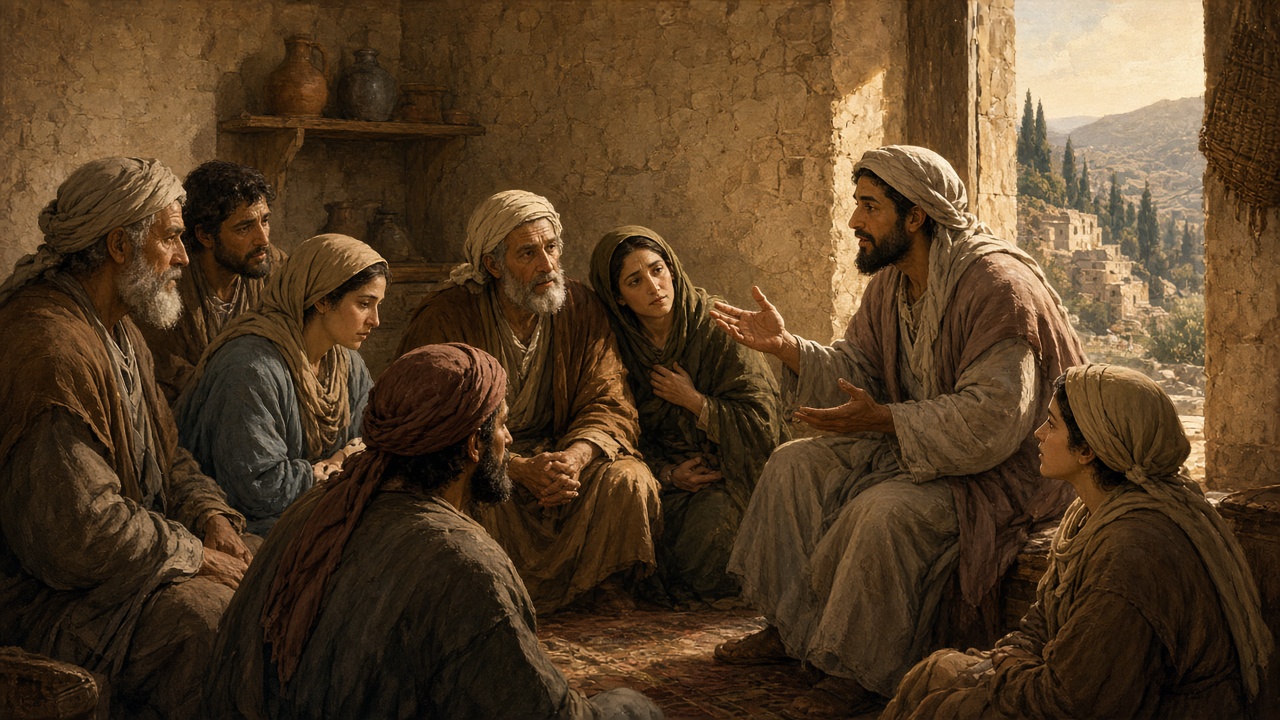
Did you know?
Fullness in Christ, Not Empty Teaching
- The writer says he is struggling for the readers, for those at Laodicea, and for all who have not met him face to face. Laodicea lay on the border of Phrygia and Lydia, on the banks of the Lycus, about forty miles east of Ephesus, and was one of the most important and flourishing cities of Asia Minor.Sources: the Bible text itself · Laodicea
- He warns them not to be taken captive by philosophy and empty deception based on human tradition and the spiritual forces of the world, and not to be deceived by smooth rhetoric.Sources: the Bible text itself
- The chapter also says they should not let anyone judge them by what they eat or drink, or by a feast, a New Moon, or a Sabbath—these are called a shadow of things to come—and should resist false humility, the worship of angels, and rules against handling, tasting, and touching that rest on human commands.Sources: the Bible text itself
Notes written with AI assistance from open sources (Theographic Bible Metadata, CC BY-SA 4.0; Easton’s Bible Dictionary, public domain) and reviewed before publishing.
Places in this chapter
- Laodicea · Today: Laodicea on the Lycus · 37.836, 29.108 · verse 1
Only places identified with high confidence are shown (90% or more according to the scholarly sources compiled by OpenBible). Period map: DARE (Digital Atlas of the Roman Empire), CC BY 4.0; modern map: © OpenStreetMap contributors; places: OpenBible.info (CC BY 4.0).
Credits and license for this translation
Majepacʉ jʉ̃menijicʉi yávaiye mamaene coyʉitucubo
New Testament in Cubeo (CO:cub:Cubeo)
copyright © 2009 Wycliffe Bible Translators, Inc.
Language: Cubeo
Translation by: Wycliffe Bible Translators, Inc.
Cubeo [cub], Colombia
Copyright Information
© 2009, Wycliffe Bible Translators, Inc. All rights reserved.
This translation text is made available to you under the
terms of the Creative Commons License: Attribution-Noncommercial-No Derivative Works.
( http://creativecommons.org/licenses/by-nc-nd/3.0/ )
In addition, you have permission to port the text to different file formats, as long as you
do not change any of the text or punctuation of the Bible.
You may share, copy, distribute, transmit, and extract portions
or quotations from this work, provided that you include the above copyright
information:
You must give Attribution to the work.
You do not sell this work for a profit.
You do not make any derivative works that change any of the actual words or punctuation of the Scriptures.
Permissions beyond the scope of this license may be
available if you contact
us with your request.
The New Testament
in Cubeo
© 2009, Wycliffe Bible Translators, Inc. All rights reserved.
This translation is made available to you under the terms of the
Creative Commons Attribution-Noncommercial-No Derivatives license 4.0.
You may share and redistribute this Bible translation or extracts from it in any format, provided that:
You include the above copyright and source information.
You do not sell this work for a profit.
You do not change any of the words or punctuation of the Scriptures.
Pictures included with Scriptures and other documents on this site are licensed just for use with those Scriptures and documents.
For other uses, please contact the respective copyright owners.
2014-04-22
Source: http://ebible.org/cubNT/ · eBible.org