Acts 3
Majepacʉ jʉ̃menijicʉi yávaiye mamaene coyʉitucubo · Tap a verse to see its cross-references.
Pedro aru Juan ne mead̶aino cuiye majibecʉre
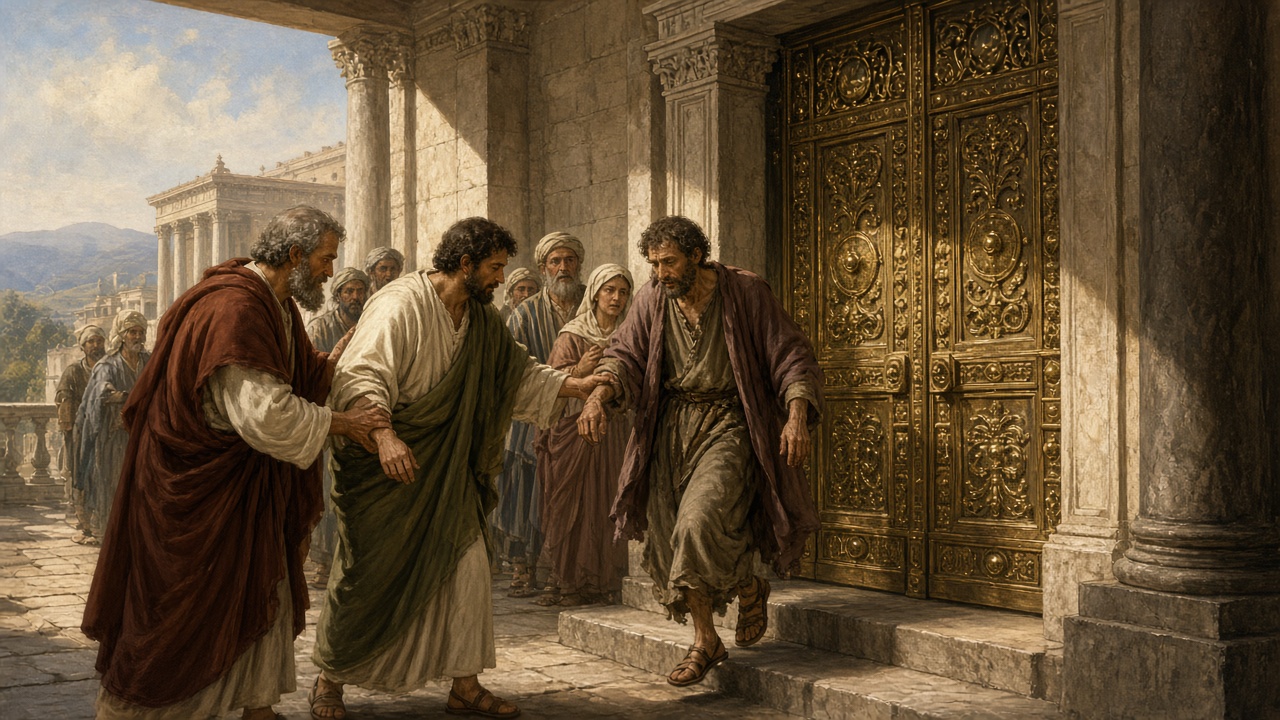
1Cũinájãravʉ, tres baji nainú, Pedro Jũamaque mʉri nʉivʉ barejáimad̶a Jʉ̃menijicʉi cʉ̃rami. Diora cũináora judíova ne Jʉ̃menijicʉque jẽniaiora barejávʉ̃ya. 2Cũinácobe Jʉ̃menijicʉi cʉ̃rami jedevacobe yebai, Meacobe ãmicʉrijedevacobe yebai, cʉrejamed̶a cũinácʉ ʉ̃mʉ, cuiye majibecʉ. Ñai ʉ̃mʉ põetedejamed̶a cuiye majibecʉ. Caijãravʉa apevʉ ʉ̃́re nʉvari epevarejaimad̶a yo jedevacobe yebai, ʉ̃i jẽniaquiyepe aivʉ tãutʉrare ina Jʉ̃menijicʉi cʉ̃rami ecoivʉre. 3Ʉ̃ jã́ñʉ mácʉ Pedrore aru Jũare máre ecoivʉre, jẽniaridurejamed̶a tãutʉrare náre. 4Ʉbenita ina pʉcarã pare jã́rejaimad̶a. Aru Pedro arejamed̶a ʉ̃́re:
—Jã́jacʉ ñʉjare, arejamed̶a.
5Ʉ̃i que aiyede, ñai ʉ̃mʉ jã́rejamed̶a náre, “Jínajivʉbu yʉre”, arĩ dápiarĩduyʉ. 6Dinʉmʉ Pedro arejamed̶a ʉ̃́re:
—Tãutʉrare cʉvabevʉ yʉ. Ʉbenita jíquijivʉ mʉre ji majié cʉvaede. Jesús Nazarecacʉ ʉ̃i ãmiái, ʉ̃i parʉéque, nacajari cuicõjeivʉ mʉre, arejamed̶a Pedro.
7Que ayʉva, ʉ̃i pʉrʉ meapũravʉre jẽni, Pedro nacovarejamed̶a ʉ̃́re. Cũiná ʉ̃i cʉboba, ʉ̃i cʉbochĩarʉa máre, tututedejavʉ̃ya. 8Maumejiena biarárĩ, núri ʉ̃i cʉbobare, vaivárĩ bʉ́rejamed̶a ʉ̃, cuiye majibecʉ bácʉ. Ecorejamed̶a Jʉ̃menijicʉi cʉ̃rami náque. Vaiváyʉ barejámed̶a. Biaráyʉ barejámed̶a. Aru yópe arĩ, mearore jíyʉ barejámed̶a Jʉ̃menijicʉre: “Jʉ̃menijicʉ meacʉ bajube”, ayʉ barejámed̶a ñai cuiye majibecʉ bácʉ. 9Obedivʉ põeva jã́rejaimad̶a ʉ̃́re vaiváyʉre. Aru jápiarejaimad̶a ʉ̃́re, “Jʉ̃menijicʉ meacʉ bajube”, ayʉre. 10Ne coreóvaiyede ʉ̃́re ñai tãutʉrare jẽniari dobacʉ bácʉre Jʉ̃menijicʉi cʉ̃rami jedevacobe yebai, pare cuecumarejaimad̶a na, ñai ʉ̃mʉ ʉ̃i meateiye boje.
Pedro ʉ̃i yávaino põevare Salomón mácʉi cuinoi
11Ñai ʉ̃mʉ jẽiyede Pedrore aru Jũare máre, ina obedivʉ põeva cuecumaivʉ cúyarejaimad̶a ne yebai Jʉ̃menijicʉi cʉ̃ramicacuino, Salomón mácʉi cuino ãmicʉrõi. 12Pedro jã́ñʉ mácʉ ina põevare, arejamed̶a náre:
—Mʉja, Israecavʉ, ¿aipe teni cuecumaivʉrʉ̃ mʉja? ¿Aipe teni jã́ivʉrʉ̃ ñʉjare? ¿Dápiaivʉrʉ̃ cure d̶aivʉre ñai ʉ̃mʉre ñʉje parʉéque, o ñʉje me boje Jʉ̃menijicʉi jã́inore? 13Abraham mácʉ, Isaac bácʉ, aru Jacob bácʉ máre, majeñecuva mácavʉ ne jʉ aimʉ, Jʉ̃menijicʉ, jã́d̶ovaimi ʉ̃́re memecaipõecʉ Jesús ʉ̃i parʉéde. Ñai Jesúrecabe mʉje jẽni jícaimʉ mácʉ mʉje jabovare, ne boarĩ́ jarʉvarãjiyepe aivʉ ʉ̃́re. Aru ñai jabocʉ Pilato ʉ̃i jaetovaiyʉede, ʉbeteavʉ̃ mʉjavacari. 14Ñai Jesús cainʉmʉa memecayʉ bateáme Jʉ̃menijicʉre. Aru cainʉmʉa d̶ayʉ bateáme mearore Jʉ̃menijicʉi jã́inore. Ʉbenita mʉja ʉbeteavʉ̃ ʉ̃́re. Quénora mʉja jẽniavʉ Pilatore, ʉ̃i jaetovacaquiyepe aivʉ mʉjare ñai boaipõecʉre, Jesúre jarʉvarĩ. 15Que teni mʉjavacari boarĩ́ jarʉvaicõjeavʉ ñai jíyʉre põevare jãravʉ cũiméjãravʉ baquinóre. Ʉbenita Jʉ̃menijicʉcapũravʉ nacovaquemavʉ ʉ̃́re yainore jarʉvarĩ. Ñʉjavacari jã́carã ʉ̃́re apʉcʉre cojedeca, ʉ̃i yainíburu yóbore. 16Jesúvacari, ʉ̃i parʉéque, mead̶acʉbe ñai cuiye majibecʉ bácʉre. Caride mʉja jã́ri majidivʉbu caiye iye vaiyede ʉ̃́re, ʉ̃i dápiaiye boje, yópe arĩ: “Jesús mead̶ayʉ majibi”, arĩ dápiacʉbe ʉ̃. Aru ʉ̃i jʉ aiye boje Jesúre, meateibi ñai ʉ̃mʉ mʉje jã́iyede.
17’Mʉja, jívʉ, majivʉ yʉ. Mʉje d̶aiye báquede aru mʉje jabova ne d̶aiye báquede Jesúre boarĩ́ jarʉvaivʉ coreóvabeteavʉ̃ mʉja diede. 18Javede caivʉ ina Jʉ̃menijicʉi yávaiyede coyʉcaipõeva mácavʉ coyʉrejaimad̶a ʉ̃́ra, põeva ne coreóvarãjiyepe aivʉ ʉ̃i daroimʉ mácʉ Cristoi ʉrarõ ñájiquiyede. Aru nópe ne coyʉiye báquepedeca vaiávʉ̃ Jesúre. 19Que baru chĩojara mʉja mʉje ãmeina teiyede. Aru oatʉvajarã mʉje d̶aiyede. Vojarã Jʉ̃menijicʉre, ʉ̃i jarʉvaquiyepe aivʉ mʉje ãmeina teiyede, aru diede máre ʉ̃i ãrʉmetequiyepe aivʉ. 20Mʉje yópe d̶aru, Jʉ̃menijicʉ parʉre d̶acʉyʉme mʉjare mʉje ũmei. Aru darocʉyʉme mʉjare Jesúre, ñai ʉ̃i beoimʉ mácʉre, mʉjare mead̶acʉyʉre. 21Jesús ʉ̃i mauteino jaʉvʉ cavarõ mearo Jʉ̃menijicʉi cʉrõi pʉ dijãravʉ baquinói, Jʉ̃menijicʉi caiyede mamaene cʉed̶aquijãravʉita bedióva cojedeca. Javede Jʉ̃menijicʉi yávaiyede coyʉcaipõeva mácavʉ, Jʉ̃menijicʉre cũinácʉra memecaivʉ, coyʉcarejaimad̶a Jʉ̃menijicʉre, põeva ne majinajiyepe aivʉ diede. 22Nopedeca, Moisés bácʉ arejaquemavʉ: “Jʉ̃menijicʉ, mʉje jabocʉ, darocʉyʉme mʉjare cũinácʉ ʉ̃i yávaiyede coyʉcaipõecʉre, yópe ʉ̃i daroiyepe yʉre. Ʉ̃ macʉyʉ́me cũinácʉ mʉjacacʉ. Judío bacʉyʉ́me ʉ̃. Me jápiajarã ʉ̃́re. D̶ajarã yópe ʉ̃i coyʉiyepe. 23Ácʉ põecʉ ʉ̃i jápiabedu ʉ̃́re, Jʉ̃menijicʉ coavacʉyʉme ʉ̃́re ʉ̃i põevare jarʉvarĩ”, arejaquemavʉ Moisés bácʉ.
24’Samuel bácʉ aru ʉ̃i yóbocavʉ bácavʉ, aru apevʉ Jʉ̃menijicʉi yávaiyede coyʉcaipõeva mácavʉ máre coyʉrejaquemavʉ iye vaquíyede ãnijãravʉa baquiyéde. 25Jʉ̃menijicʉ coyʉicõjenejaquemavʉ ʉ̃i yávaiyede coyʉcaipõeva mácavʉre, yópe arĩ: “Yʉ, Jʉ̃menijicʉ, mearo d̶acacʉyʉmu mʉjare”. Aru “mʉjare” ayʉ Jʉ̃menijicʉ, majeñecuva mácavʉre aru majare máre ayʉ barejaquémavʉ. Jʉ̃menijicʉ “Yʉ mearo d̶acacʉyʉmu mʉjare” ʉ̃i aiyede apecʉ oatʉvarĩ bʉojabebi diede. Aru Jʉ̃menijicʉ baju oatʉvabebi ʉ̃i que aiyede. Que baru mʉjavacari jãve jacopʉrãjaramu Jʉ̃menijicʉi mearo d̶acaquiyede. Mearo d̶acacʉyʉme mʉjare máre. Nopedeca arejaquemavʉ ʉ̃ Abraham mácʉre: “Mipãramena márajivʉre mearo d̶acacʉyʉmu yʉ. Mʉre mearo d̶acaiye báquepedeca ijãravʉcavʉ apevʉ caivʉre máre mearo d̶acacʉyʉmu yʉ”, arejaquemavʉ Jʉ̃menijicʉ. 26Aru beorejaquemavʉ Jesúre, ʉ̃́re memecaipõecʉre. Ʉ̃́re nacovariburu yóboi, daroquemavʉ maje yebai mamarʉmʉre. Que d̶arĩ Jʉ̃menijicʉ mearo d̶acaquemavʉ majare, ʉ̃i jarʉvaicõjeiye boje majare maje ãmeina teiyede, arejamed̶a Pedro ina põevare.
Did you know?
Healing and Preaching at the Temple
- The temple gate called Beautiful, where a man lame from birth was placed each day to beg, is named in this chapter. It is supposed to have been the door from the court of the Gentiles into the court of the women, and it was massive, covered with plates of Corinthian brass.Sources: Beautiful Gate · the Bible text itself
- After the healing, the astonished crowd ran to Peter and John in the walkway called Solomon’s Colonnade. This was a colonnade, or cloister, probably on the eastern side of the temple; it is not mentioned with the first temple, but Josephus mentions a porch of that name in Herod’s temple.Sources: Solomon's Portico · the Bible text itself
- In his address there, Peter said the people had handed Jesus over and rejected him before Pilate, although Pilate had decided to release him. A dictionary entry identifies Pontius Pilate as the sixth Roman procurator of Judea, from A.D. 26 to 36, with headquarters at Caesarea, though he frequently went up to Jerusalem; his name comes into prominent notice in connection with the trial of Jesus.Sources: Pontius Pilate · the Bible text itself
Notes written with AI assistance from open sources (Theographic Bible Metadata, CC BY-SA 4.0; Easton’s Bible Dictionary, public domain) and reviewed before publishing.
Places in this chapter
- Beautiful Gate · Today: in Jerusalem · 31.777, 35.234 · verses 2, 10
- Nazareth · 32.702, 35.298 · verse 6
- Solomon’s Portico · Today: in Jerusalem · 31.777, 35.234 · verse 11
Only places identified with high confidence are shown (90% or more according to the scholarly sources compiled by OpenBible). Period map: DARE (Digital Atlas of the Roman Empire), CC BY 4.0; modern map: © OpenStreetMap contributors; places: OpenBible.info (CC BY 4.0).
Credits and license for this translation
Majepacʉ jʉ̃menijicʉi yávaiye mamaene coyʉitucubo
New Testament in Cubeo (CO:cub:Cubeo)
copyright © 2009 Wycliffe Bible Translators, Inc.
Language: Cubeo
Translation by: Wycliffe Bible Translators, Inc.
Cubeo [cub], Colombia
Copyright Information
© 2009, Wycliffe Bible Translators, Inc. All rights reserved.
This translation text is made available to you under the
terms of the Creative Commons License: Attribution-Noncommercial-No Derivative Works.
( http://creativecommons.org/licenses/by-nc-nd/3.0/ )
In addition, you have permission to port the text to different file formats, as long as you
do not change any of the text or punctuation of the Bible.
You may share, copy, distribute, transmit, and extract portions
or quotations from this work, provided that you include the above copyright
information:
You must give Attribution to the work.
You do not sell this work for a profit.
You do not make any derivative works that change any of the actual words or punctuation of the Scriptures.
Permissions beyond the scope of this license may be
available if you contact
us with your request.
The New Testament
in Cubeo
© 2009, Wycliffe Bible Translators, Inc. All rights reserved.
This translation is made available to you under the terms of the
Creative Commons Attribution-Noncommercial-No Derivatives license 4.0.
You may share and redistribute this Bible translation or extracts from it in any format, provided that:
You include the above copyright and source information.
You do not sell this work for a profit.
You do not change any of the words or punctuation of the Scriptures.
Pictures included with Scriptures and other documents on this site are licensed just for use with those Scriptures and documents.
For other uses, please contact the respective copyright owners.
2014-04-22
Source: http://ebible.org/cubNT/ · eBible.org