2 Thessalonians 2
Majepacʉ jʉ̃menijicʉi yávaiye mamaene coyʉitucubo · Tap a verse to see its cross-references.
Pablo ʉ̃i coyʉrĩ mead̶aino Jesúi daquinore
1Mʉja, ñʉjevʉ, coyʉrãjivʉbu mʉjare maje jabocʉ Jesucristo ʉ̃i copaidaquiyede aru maje cójijinajiyede ʉ̃́que. Jẽniaivʉbu ñʉja mʉjare, apecʉ ʉ̃i coyʉru mʉjare, yópe arĩ: “Ñai Espíritu Santo aibi: ‘Maje jabocʉ Jesucristoi copaidaijãravʉ eaivʉ jave’ ”, o “Pablojã aima: ‘Maje jabocʉ Jesucristoi copaidaijãravʉ eaivʉ jave’ ”, o mʉja jacopʉivʉ baru paperayoca toivaiyede ñʉja Pablojã ñʉjapeda teivʉ: “Maje jabocʉ Jesucristoi copaidaijãravʉ eaivʉ jave” arĩ, jʉ abejarã diede. Maumejiena oatʉvabejarã mʉje dápiaiyede. Aru cuavare d̶abejarã mʉje ũmene, apecʉi coyʉiye boje o no paperayoca toivaiye boje máre. 3Quéda apecʉre jʉjovaicõjemejara mʉjare.
Dijãravʉ baquinó, Jesúi copaidaquijãravʉ, eabequiyebu pʉ obedivʉ põeva ne ʉrarõ maucʉvaeta Jʉ̃menijicʉre. Dinʉmʉ maquinó ñai ʉ̃mʉ ãmecʉ, bíjacʉyʉ yóboi, cʉetecʉyʉme Jesúi copaidaquiye jipocai. Jʉ̃menijicʉ ñájini d̶acʉyʉme ʉ̃́re, ñai ʉ̃mʉ ãmecʉre, toabo cũiméboi cainʉmʉa. 4Ñai ʉ̃mʉ ãmecʉ maucʉvacʉyʉme caivʉ põeva ne pẽpeimarare, aru ne jʉ̃menijinare, caivʉ apevʉ ne mearore jímarare, aru Jʉ̃menijicʉre máre. Yópe arĩ, ñai ʉ̃mʉ ãmecʉ “Yʉrecabu parʉcʉ caivʉ apevʉ pʉeno”, acʉyʉme. Que teni ecocʉyʉme Jʉ̃menijicʉi cʉ̃rami, dobacʉyʉ yópe jabocʉpe. Aru, “Yʉrecabu Jʉ̃menijicʉ”, acʉyʉme caivʉre.
5Caiye iyede jave coyʉre cucacʉ yʉ mʉjare ji cʉede cãreja mʉjaque. ¿Ãrʉmenarʉ mʉja?
6Mʉja coreóvaivʉbu cũinácʉ cʉcʉre caride, ñai ʉ̃mʉ ãmecʉ ʉ̃i járobequiyede cãreja. Ʉbenita yóboi, Jʉ̃menijicʉi beoijãravʉ baquinói, ñai ʉ̃mʉ ãmecʉ cʉetecʉyʉme. 7Jipocamia Jʉ̃menijicʉ jã́d̶ovamenejaquemavʉ aipe ʉ̃i d̶aquiyede põeva ãmeina d̶aivʉre. Ʉbenita caride jã́d̶ovacʉyʉme aipe ʉ̃i d̶aquiyede náre. Cũinácʉ mauyaibi ñai ʉ̃mʉ ãmecʉre. Ʉbenita Jʉ̃menijicʉ ĩcʉyʉme ñai mauyayʉre ʉ̃́re jocarĩ. 8Dinʉmʉ maquinóre cʉetecʉyʉme ñai ʉ̃mʉ ãmecʉ. Ʉbenita maje jabocʉ Jesucristo ʉ̃i copaidaiyede boarĩ́ jarʉvacʉyʉme ʉ̃́re ʉ̃i yávaiye parʉéque. Que baru copaidayʉ pʉeno meacʉ baju bíjarocʉyʉme ʉ̃́re.
9Ñai ʉ̃mʉ ãmecʉ cʉvacʉyʉme ñai abujuvai jabocʉ, Satanás, ʉ̃i parʉéde. Jã́d̶ovacʉyʉme ʉ̃i ʉrarõ parʉéde ʉ̃i d̶aquiyede caijĩene põeva ne jã́mene aru ne d̶arĩ majibede máre, “¿Jʉ̃menijicʉ bárica ʉ̃?” põeva ne arãjiyepe ayʉ ʉbenina. 10Ʉ̃ jʉjovacʉyʉme caiye ʉ̃i ãmeina d̶aiyeque ina bíjarãjivʉre Jʉ̃menijicʉre jocarĩ. Ʉ̃ jʉjovarĩ bʉojacʉyʉme náre, ne jacopʉbeni ʉbe boje Jʉ̃menijicʉi yávaiyede jãvene. Aru ne jarʉvaiye boje ʉ̃i yávaiyede, Jʉ̃menijicʉ mead̶abecʉyʉme náre. 11Que baru Jʉ̃menijicʉvacari jʉjovaicõjecʉyʉme náre, ne jʉ arãjiyepe ayʉ borocʉede. 12Que baru ñájine d̶acʉyʉme caivʉ ina ʉrivʉre ne ãmeina teiyede aru ʉ̃i yávaiyede jãvene jʉ abevʉre máre.
Pablo ʉ̃i aino “Jʉ̃menijicʉ beoibi mead̶acʉyʉ mʉjare”
13Mʉja, ñʉjevʉ, Jʉ̃menijicʉre jíye jaʉvʉ ñʉjare torojʉede cainʉmʉa, mʉja Jʉ̃menijicʉi ʉmarare boje. Javede ʉ̃i cʉed̶aquiye jipocai caiyede, Jʉ̃menijicʉ beorejaquemavʉ mead̶acʉyʉ mʉjare, ñai Espíritu Santoi d̶aiye báque boje mʉjare Jʉ̃menijicʉ jinava, aru mʉje jʉ aiye báque boje Jʉ̃menijicʉi yávaiyede jãvene. 14Ñʉje bueiye báquede mʉjare iye Jʉ̃menijicʉi yávaiye méne, ʉ̃ cuturejaquemavʉ mʉjare, mʉje jabotenajiyepe ayʉ maje jabocʉ Jesucristoque ʉ̃i jabotequiyede.
15Que baru, ñʉjevʉ, parʉrõreca jʉ ajarã cainʉmʉa iye ñʉje bueiyede jãvene, ñʉje coyʉiye báquede mʉjare aru ñʉje toivaiye báquede paperayocaque máre. Aru cainʉmʉa dajocabejarã diede.
16Jẽniaivʉbu ñʉja maje jabocʉ Jesucristore majepacʉ Jʉ̃menijicʉmaque, majare ʉcʉre. Majare cad̶ateyʉbe, ʉ̃i me boje dajocabecʉva. Aru majare napini corede d̶ayʉbe ʉ̃i mearo d̶acaquiyede majare. 17D̶ajacʉrĩ mʉjare parʉrivʉ mʉje ũmei aru jidʉbevʉ mʉje coyʉiyeque aru mʉje d̶aiyeque máre, me maquiyépe cainʉmʉa.
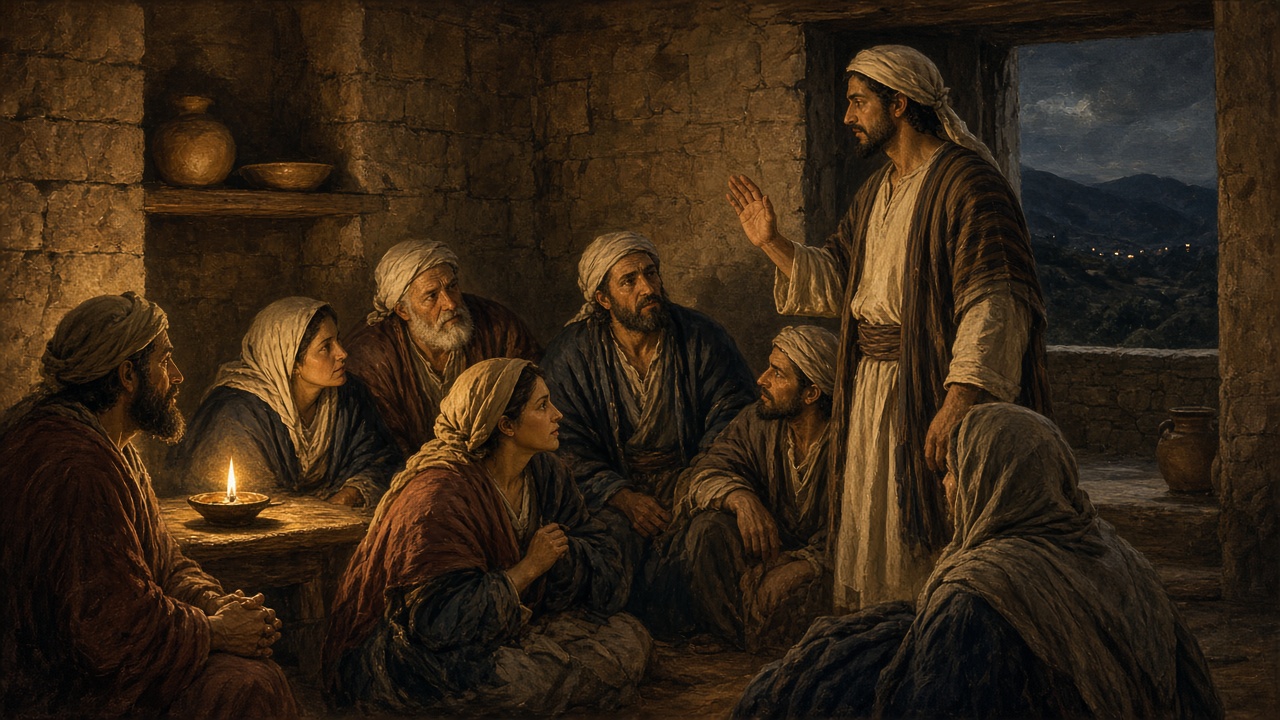
Did you know?
The Day of the Lord Has Not Yet Come
- The chapter urges readers not to be easily alarmed by a spirit, a message, or a letter that only seems to come from the authors and claims that the Day of the Lord has already come. It says that day will not arrive until the rebellion occurs and the man of lawlessness is revealed.Sources: the Bible text itself
- Called also the son of destruction, he is described as exalting himself above every so-called god, seating himself in the temple of God, and proclaiming himself to be God. The passage refers to what now restrains him, and to the one who restrains, but it does not name that restraint.Sources: the Bible text itself
- The coming of the lawless one is accompanied by the working of Satan, with every kind of power, sign, and false wonder. Satan means adversary or accuser; in the New Testament the name is used interchangeably with Diabolos, the devil, more than thirty times.Sources: the Bible text itself · Satan
Notes written with AI assistance from open sources (Theographic Bible Metadata, CC BY-SA 4.0; Easton’s Bible Dictionary, public domain) and reviewed before publishing.
Credits and license for this translation
Majepacʉ jʉ̃menijicʉi yávaiye mamaene coyʉitucubo
New Testament in Cubeo (CO:cub:Cubeo)
copyright © 2009 Wycliffe Bible Translators, Inc.
Language: Cubeo
Translation by: Wycliffe Bible Translators, Inc.
Cubeo [cub], Colombia
Copyright Information
© 2009, Wycliffe Bible Translators, Inc. All rights reserved.
This translation text is made available to you under the
terms of the Creative Commons License: Attribution-Noncommercial-No Derivative Works.
( http://creativecommons.org/licenses/by-nc-nd/3.0/ )
In addition, you have permission to port the text to different file formats, as long as you
do not change any of the text or punctuation of the Bible.
You may share, copy, distribute, transmit, and extract portions
or quotations from this work, provided that you include the above copyright
information:
You must give Attribution to the work.
You do not sell this work for a profit.
You do not make any derivative works that change any of the actual words or punctuation of the Scriptures.
Permissions beyond the scope of this license may be
available if you contact
us with your request.
The New Testament
in Cubeo
© 2009, Wycliffe Bible Translators, Inc. All rights reserved.
This translation is made available to you under the terms of the
Creative Commons Attribution-Noncommercial-No Derivatives license 4.0.
You may share and redistribute this Bible translation or extracts from it in any format, provided that:
You include the above copyright and source information.
You do not sell this work for a profit.
You do not change any of the words or punctuation of the Scriptures.
Pictures included with Scriptures and other documents on this site are licensed just for use with those Scriptures and documents.
For other uses, please contact the respective copyright owners.
2014-04-22
Source: http://ebible.org/cubNT/ · eBible.org