2 Corinthians 8
Majepacʉ jʉ̃menijicʉi yávaiye mamaene coyʉitucubo · Tap a verse to see its cross-references.
Jesúre jʉ aipõeva ne jíno jecʉbevʉva cʉve cʉvabevʉre
1Mʉja, jívʉ, caride mʉjare coreóvare d̶aiyʉrivʉbu ñʉja ina Macedonia ãmicʉrijoborõcavʉ Jesúre jʉ aipõeva ne mearo d̶aiyede Jʉ̃menijicʉi mearo d̶acaiye boje náre bojecʉbeda ʉ̃i me boje. 2Návacari pare ñájivaivʉbu. Ʉbenita ñájivʉvacari, jã́d̶ovad̶ama Jesúre jʉ aivʉre jãve. Ñájivʉvacari, cainʉmʉa me torojʉma ne ũmei. Aru návacari ʉre cʉve cʉvabevʉtamu. Ʉbenita cʉve cʉvabevʉvacari, jecʉbevʉva jívaivʉbu ina Judea ãmicʉrijoborõcavʉ Jesúre jʉ aipõeva cʉve cʉvabevʉre yópe cʉve cʉvarivʉ ne jíjʉroepe. 3Jãve coyʉivʉ yʉ mʉjare. Caino ne oainope jíma na. Aru pʉeno baju yópe ne jíye bʉojabejʉroepe jíma na. Jíbeteima ne cʉvaequede náre jaʉbede quénora. Ʉbenita náre jaʉéquede máre jíma na. Aru põecʉ cʉbeteame jícõjeñʉ mácʉ náre. Quénora návacari “Jínajarevʉ, cad̶atenajivʉ ina cʉve cʉvabevʉre”, aquemavʉ. 4Parʉrõreca ñʉjare jẽniaivʉ bateima, ñʉje ĩni nʉvarajiyepe aivʉ ne tãutʉrare ina Judeacavʉ Jʉ̃menijicʉi põeva cʉve cʉvabevʉre. 5Ñʉje coreiye báque pʉeno baju, jíma na. Mamarʉmʉre “Yópe mi ʉrõpe d̶arãjaramu ñʉja”, aquemavʉ maje jabocʉ Cristore. Aru no yóboi, “Yópe mʉje ʉrõpe d̶arãjaramu ñʉja”, aima ñʉjare, Jʉ̃menijicʉi nópe aicõjeiye báque boje náre. 6Ñʉje jã́iye boje ina Macedoniacavʉ Jesúre jʉ aipõeva ne pare cad̶ateiyʉede ina cʉve cʉvabevʉre, Titore jẽniacarã ñʉja paredeca, ʉ̃i copainʉquiyepe aivʉ mʉje yebai. Javede Tito cójijovarĩ bʉ́quemavʉ mʉje jíyede. Que baru jẽniacarã ʉ̃i cad̶atequiyepe aivʉ mʉjare, mʉje cójijovarĩ bʉojarãjiyepe aivʉ tãutʉrare, mʉje jínajiyede ina cʉve cʉvabevʉre.
7Mʉja jʉ aivʉbu Jesúre apevʉ pʉeno. Mʉja coyʉivʉbu Jesús ʉ̃i yávaiye méne apevʉ pʉeno. Mʉja coreóvaivʉbu iye yávaiyede jãvene apevʉ pʉeno. Maumena corebevʉva mʉja memecaiyʉrivʉbu apevʉre apevʉ pʉeno. Mʉja ʉrivʉbu põevare yópe ñʉje ʉepe apevʉ pʉeno máre. Que baru quédeca pʉeno baju jíjarã mʉje cʉvaequede máre, cad̶atenajivʉ cʉve cʉvabevʉre.
8Ji coyʉiyede mʉjare diede, jícõjemevʉ mʉjare. Quénora coreóvare d̶ayʉbu mʉjare apevʉ Jesúre jʉ aipõeva ne ʉrarõ jíyena, ne pare ʉe cad̶ateiyʉe boje cʉve cʉvabevʉre, mʉje jã́d̶ovarajiyepe ayʉ mʉja máre jãve ʉrĩ cad̶ateiyʉrivʉre náre mʉje jíyeque jecʉbevʉva. 9Mʉja me coreóvaivʉbu iyede. Maje jabocʉ Jesucristo, ʉ̃i pare ʉe boje majare, pʉeno baju mearo d̶acarejaquemavʉ majare bojecʉbeda. Ñai cʉve cʉvacʉvacari caivʉ pʉeno, ʉ̃i cʉvae boje caiye majepacʉ Jʉ̃menijicʉi parʉéde, põecʉpe teni cʉve cʉvabecʉpe caivʉ pʉeno tedejaquemavʉ ʉ̃. Aru ʉ̃i nópe teiye báque boje, cʉve cʉvarivʉpebu maja, maje cʉvae boje caiye iye Jʉ̃menijicʉi méne. Que baru ʉ̃i nópe cad̶ateiye báque boje majare, apevʉre cad̶ateiye jaʉvʉ majare máre.
10Yʉ jícõjeiyʉbecʉvacari, majicaiyʉvʉ mʉjare. Ji dápiaru, meavʉ mʉjare mʉje bʉojaru iye tãutʉra cójijovaiye mʉje bʉiye báquede apeʉjʉ barede. Mʉjarecabu jíni bʉivʉ bácavʉ caivʉ apevʉ jívʉ ne jínajiye jipocai. Aru pʉeno baju mʉjarecabu “Jínajarevʉ” aivʉ bácavʉ máre caivʉ apevʉ “Jínajarevʉ”, ne arãjiye jipocai. 11Que baru maumena corebevʉva bʉojajarã iye mʉje bʉiye báquede. Mʉja pare bʉiyʉrivʉ bácavʉ iye tãutʉra cójijovaiyede, cójijovarĩ bʉojajarã máre maumena corebevʉva. Jíjarã yópe mʉje oainope, mʉje cʉvaecarõque. 12Maje jãve jíyʉru, cad̶atenajivʉ apevʉre, Jʉ̃menijicʉ torojʉcʉ me jã́ñʉme maje jíyede. Jʉ̃menijicʉ ʉbi maje jíyede yópe maje oainope, maje cʉvaecarõque. Jẽniamecʉbe majare maje jíyede maje cʉvabede. 13Yʉ ʉbevʉ mʉje jínajiyepe ayʉ apevʉre jaʉéde, pʉ mʉje cʉvabeta mʉjare jaʉéde. 14Quénora ʉvʉ yʉ caivʉ ne cʉvarãjiyepe ayʉ cũinátʉrʉra. Que baru caride mʉjacapũravʉ, cʉvarivʉ caiye mʉjare jaʉéde aru mʉjare jaʉé pʉeno máre, jíjarã, cad̶atenajivʉ ina cʉvabevʉre. Aru apenʉmʉre nácapũravʉ, cʉvarãjivʉ caiye náre jaʉéde aru náre jaʉé pʉeno máre, jínajarama, cad̶atenajivʉ mʉja cʉvabenajivʉre. Que teni caivʉ cũinátʉrʉ cʉvarãjivʉbu. 15Quédeca yópe arĩ, toivaicõjenejaquemavʉ Jʉ̃menijicʉ ʉ̃i yávaiyede: “Ñai ʉrarõ ĩñʉ mácʉ pʉpʉiyede cʉvabedejaquemavʉ. Aru ñai quĩ́jino ĩñʉ mácʉre jaʉbedejaquemavʉ”, arĩ toivaicõjenejaquemavʉ.
Nópe ayʉ, Jʉ̃menijicʉ jíyʉre ʉ̃i põevare náre jaʉéde cainʉmʉa aiyʉrejaquemavʉ.
Tito aru pʉcarã ʉ̃i yóvaimara ne nʉrajino Corintoi
16Jʉ̃menijicʉ Titore cad̶ateiyʉre d̶aibi mʉjare yópe ʉ̃i cad̶ateiyʉre d̶aiyepe yʉre. Que baru torojʉede jívʉ Jʉ̃menijicʉre. 17Tito pare cad̶ateiyʉbi mʉjare. Apecʉ copaicõjemecʉva ʉ̃́re mʉje yebai, ʉ̃́vacari “Corintoi copaiyʉvʉ yʉ”, áme. Que baru ji jẽniaiye báquede ʉ̃́re paredeca, ʉ̃i copainʉquiyepe ayʉ mʉje yebai, maumena corebecʉva jʉ áme yʉre.
18Que baru jã́cʉnʉcʉyʉme mʉjare bedióva. Aru ʉ̃́que jarocʉyʉmu yʉ apecʉ majecʉre, majape jʉ ayʉre Jesúre. Caivʉ Jesúre jʉ aipõeva me pued̶ad̶ama ʉ̃́re, ʉ̃i coyʉiye boje Jesús ʉ̃i yávaiye méne, ʉ̃i mead̶aiyede põevare. 19Obedivʉ ne pued̶aimʉvacari ʉ̃i coyʉiye boje Jesús ʉ̃i yávaiye méne, pʉeno baju ne pued̶aimʉme Macedonia ãmicʉrijoborõcavʉ Jesúre jʉ aipõeva cójijivaivʉ, ne beoiye báque boje ʉ̃́re, ʉ̃i yóvaquiyepe aivʉ ñʉjare, ñʉje nʉvarajiyede iye tãutʉrare Judea ãmicʉrijoborõi. Cad̶atecʉyʉme ñʉjare, ñʉje jã́ri corenajiyepe ayʉ me iye mʉje jíyede. Me jã́ri coreiyʉrivʉbu ñʉja diede, põeva ne mearore jínajiyepe ayʉ maje jabocʉ Jesucristo ne pued̶aimʉre aru jã́d̶ovarajivʉ maja Jesúre jʉ aipõeva maumena corebevʉva cad̶ateiyʉrivʉre majevʉ cʉve cʉvabevʉre. 20Ʉ̃́re yóvaicõjeivʉbu ñʉjare, ñame ne ãmeina yávarãjiyepe aivʉ ñʉjare, ñʉje nʉvaiye boje iye ʉre tãutʉrare, mʉje jíyede. Ñamene ye ãmeno jã́icõjeiyʉbevʉ ñʉjare yópe ne jã́iyepe ãmeina teivʉre. “Ñʉje tãutʉrare ñavaivʉbebu”, ʉbenina arĩ coyʉbejarãri põeva. 21Que teni ʉrivʉbu ñʉja põeva ne jã́rajiyepe aivʉ mearo ñʉje d̶aiyede cainʉmʉa, yópe Jʉ̃menijicʉi jã́iyepedeca mearo ñʉje d̶aiyede. Jʉ̃menijicʉ coreóvayʉbe ñʉja jínajivʉre caiye iye tãutʉrare ina cʉve cʉvabevʉre. Ʉbenita ʉrivʉbu ñʉja põeva máre coreóvaivʉre diede.
22Aru náque jarocʉyʉmu yʉ apecʉ majecʉre, majape jʉ ayʉre Jesúre. Ñʉja bʉojaivʉbu majidivʉ ʉ̃́re pare cad̶ateiyʉcʉre apevʉre, ñʉje jã́iye boje aipe d̶arĩ cõmajiyʉre. Ʉ̃i jápiaiye boje mʉje borore, jãve napini coreyʉbe mʉja jínajivʉre jecʉbevʉva, cad̶atenajivʉre me ina cʉve cʉvabevʉre. Que baru pʉeno baju jã́cʉnʉiyʉcʉbe mʉjare. 23Põecʉ ʉ̃i jẽniari jã́ru ñamejare aru ye parʉéde cʉvarivʉre, yópe arĩ, coyʉjarã mʉja: “Titobe Pablore yóvayʉ, Jesúre memecayʉ aru majare Jesúre jʉ aipõevare cad̶ateyʉ”, arĩ coyʉjarã Tito ʉ̃i borore. Aru apevʉ ina pʉcarã ʉ̃mʉva ne borore, yópe arĩ, coyʉjarã: “Macedoniacavʉ Jesúre jʉ aipõeva cójijivaivʉ ne jaroimaramu, nʉvarajivʉ ne jíye báquede Judeacavʉ Jesúre jʉ aipõeva cʉve cʉvabevʉre, põeva ne mearore jínajiyepe aivʉ maje jabocʉ Jesucristore ne pued̶aimʉre”, arĩ coyʉjarã mʉja. 24Náre me copʉ etarĩ, pued̶arĩ, cad̶ateni, jã́d̶ovajara náre aru náre daroivʉ bácavʉre máre jãvene ji coyʉiye báquede náre mʉje borore. Ñʉjare torojʉre d̶aivʉbu mʉja.
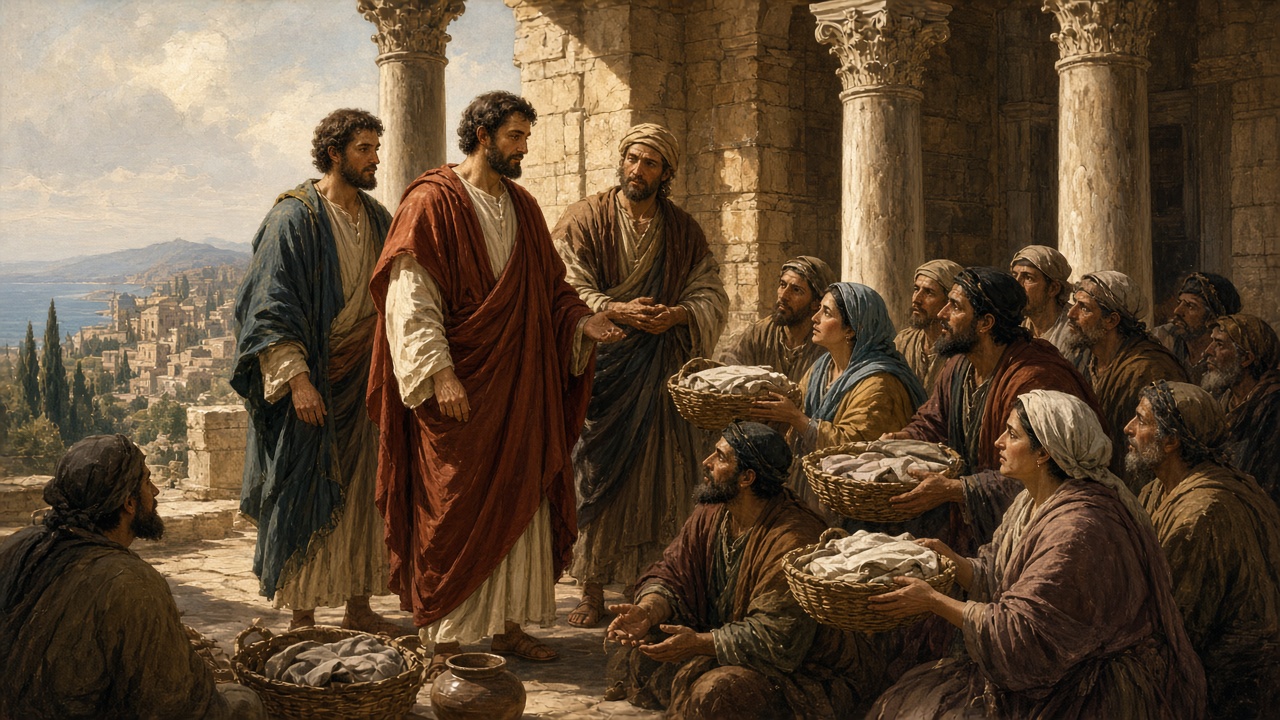
Did you know?
Generosity and the Jerusalem Collection
- In New Testament times Macedonia was a Roman province north of Greece. Paul was summoned by the vision of a man of Macedonia to preach the gospel there, and this chapter tells the Corinthians how those churches, in a terrible ordeal and deep poverty, gave joyfully and even beyond their ability.Sources: Macedonia · the Bible text itself
- Titus, whose name nowhere occurs in Acts, appears to have been a Gentile chiefly engaged in ministering to Gentiles. From Ephesus, Paul sent him to Corinth to forward the church's contributions for the poor saints at Jerusalem; in this chapter Paul urges him to complete that work, and Titus is coming eagerly of his own accord.Sources: Titus · the Bible text itself
- Along with Titus, Paul is sending a brother praised by all the churches for his work in the gospel and chosen by them to accompany the offering, and another brother whose earnestness has been proven many times and in many ways. He explains that this care is meant to avoid criticism of how the generous gift is administered, so that they do what is right not only in the eyes of the Lord but also in the eyes of other people.Sources: the Bible text itself
Notes written with AI assistance from open sources (Theographic Bible Metadata, CC BY-SA 4.0; Easton’s Bible Dictionary, public domain) and reviewed before publishing.
Places in this chapter
Only places identified with high confidence are shown (90% or more according to the scholarly sources compiled by OpenBible). Period map: DARE (Digital Atlas of the Roman Empire), CC BY 4.0; modern map: © OpenStreetMap contributors; places: OpenBible.info (CC BY 4.0).
Credits and license for this translation
Majepacʉ jʉ̃menijicʉi yávaiye mamaene coyʉitucubo
New Testament in Cubeo (CO:cub:Cubeo)
copyright © 2009 Wycliffe Bible Translators, Inc.
Language: Cubeo
Translation by: Wycliffe Bible Translators, Inc.
Cubeo [cub], Colombia
Copyright Information
© 2009, Wycliffe Bible Translators, Inc. All rights reserved.
This translation text is made available to you under the
terms of the Creative Commons License: Attribution-Noncommercial-No Derivative Works.
( http://creativecommons.org/licenses/by-nc-nd/3.0/ )
In addition, you have permission to port the text to different file formats, as long as you
do not change any of the text or punctuation of the Bible.
You may share, copy, distribute, transmit, and extract portions
or quotations from this work, provided that you include the above copyright
information:
You must give Attribution to the work.
You do not sell this work for a profit.
You do not make any derivative works that change any of the actual words or punctuation of the Scriptures.
Permissions beyond the scope of this license may be
available if you contact
us with your request.
The New Testament
in Cubeo
© 2009, Wycliffe Bible Translators, Inc. All rights reserved.
This translation is made available to you under the terms of the
Creative Commons Attribution-Noncommercial-No Derivatives license 4.0.
You may share and redistribute this Bible translation or extracts from it in any format, provided that:
You include the above copyright and source information.
You do not sell this work for a profit.
You do not change any of the words or punctuation of the Scriptures.
Pictures included with Scriptures and other documents on this site are licensed just for use with those Scriptures and documents.
For other uses, please contact the respective copyright owners.
2014-04-22
Source: http://ebible.org/cubNT/ · eBible.org