1 Corinthians 7
Majepacʉ jʉ̃menijicʉi yávaiye mamaene coyʉitucubo · Tap a verse to see its cross-references.
Pablo ʉ̃i majicaino pʉrʉbʉoivʉre aru pʉrʉbʉobevʉre máre
1Caride coyʉquijivʉ iye jẽniari jã́iyede mʉje toivaiye báquede yʉre paperayocaque. Põecʉ ʉ̃i pʉrʉbʉobedu, meajebu. 2Ʉbenita obedivʉ põeva ne ãmeina d̶aiyʉe boje apevʉque némarebʉcʉva ãmevʉque, caivʉ ʉ̃mʉva coapa cʉvajarãri némarepaco bajuva aru quédeca caivʉ nomiva coapa cʉvajarãri némarepacʉ bajuva máre. 3Ñai nomicʉcʉ d̶ajacʉrĩ cainʉmʉa yópe ʉ̃́re jaʉépe, me cʉcʉyʉ jímarepacoque. Aru quédeca ico ʉ̃mʉcʉco d̶ajacorĩ cainʉmʉa yópe ṍre jaʉépe, me cʉcod̶o jímarepacʉque. 4Ñai nomicʉcʉ jímarepacoi baju jinotamu, ʉ̃i corequiyepe aino nore. Que baru ico ʉ̃mʉcʉco cũinácova õi bajure cõjememico. Aru quédeca ico ʉ̃mʉcʉco jímarepacʉi baju jinotamu, õi corecojiyepe aino nore. Que baru ñai nomicʉcʉ cũinácʉva ʉ̃i bajure cõjememi. 5Que baru mʉja, pʉrʉbʉoivʉ, nomicʉcʉ ʉ̃i d̶aiyʉru yópe pʉrʉbʉoivʉ ne d̶arĩ cõmajiyepe, “Ʉbevʉ yʉ”, abejacorĩ jímarepaco. Aru ʉ̃mʉcʉco máre õi d̶aiyʉru yópe pʉrʉbʉoivʉ ne d̶arĩ cõmajiyepe, “Ʉbevʉ yʉ”, abejacʉrĩ jímarepacʉ. Quédata ina pʉcarã cũinátʉrʉ ne ũme, “Maje d̶arĩ cõmajiyede dajocarãjarevʉ apejãravʉare, jẽniarajivʉ majepacʉ Jʉ̃menijicʉque”, arĩ coyʉivʉ baru, dajocarĩ bʉojaivʉbu diede. Aru dijãravʉa “apejãravʉa” ne aijãravʉa vainíburu yóboi, bedióva cojedeca d̶ajarãri yópe ne d̶arĩ cõmajiyepedeca, ñai abujuvai jabocʉ Satanás ʉ̃i ãmeina d̶are d̶abequiyepe aivʉ náre apevʉque némarebʉcʉva ãmevʉque, ne cõjeme boje ne baju d̶aiyʉrõre ʉ̃mʉ nomióque aru nomió ʉ̃mʉque máre.
6Iye pʉrʉbʉoiyede ji coyʉiyede mʉjare, “Põeva pʉrʉbʉoiyʉrivʉ baru, pʉrʉbʉorĩ bʉojad̶ama na”, arĩ coyʉyʉbu yʉ. Ʉbenita põevare “Pʉrʉbʉojarã”, abevʉ yʉ. 7Caivʉ ne pʉrʉbʉobedu, yópe ji pʉrʉbʉobepedeca, meajebu ji dápiaru. Ʉbenita Jʉ̃menijicʉ majide d̶aibi majare coapa bojecʉbeda ʉ̃i majiécarõre, maje cad̶atenajiyepe ayʉ apevʉre. Aru epeibi majare coapa maje d̶arãjiyede ijãravʉi. Que baru apevʉ majacavʉre epeibi ne pʉrʉbʉorãjiyepe ayʉ aru apevʉre epeibi ne pʉrʉbʉobenajiyepe ayʉ.
8Caride coyʉquijivʉ ina pʉrʉbʉobevʉre aru ina nomiópevare. Meavʉ mʉjare mʉje cʉru yʉ́pe, pʉrʉbʉobevʉva. 9Ʉbenita nácapũravʉ cõjeni bʉojabevʉ baru ne baju d̶aiyʉrõre ʉ̃mʉ nomióque aru nomió ʉ̃mʉque máre, pʉrʉbʉojarãri na. Métamu ne pʉrʉbʉoiye ne ñájiye pʉeno, ne nomicʉbe boje o ne ʉ̃mʉcʉbe boje.
10Aru caride coyʉquijivʉ ina pʉrʉbʉoivʉre. Yópe d̶aicõjeivʉ mʉjare: Nomió ʉ̃mʉcʉco jarʉvabejacorĩ jímarepacʉre. Aru yʉ́vacari ãmevʉ nópe d̶aicõjeñʉ. Quénora maje jabocʉ Cristovacari nópe d̶aicõjenejaquemavʉ. 11Ʉbenita ʉ̃i jarʉvaicõjemeneca, apeco jímarepacʉre jarʉvad̶o baru, pʉrʉbʉobejacorĩ õ apecʉque. Cũinácova cʉjacorĩ õ, o mead̶arĩburu yóboi copainʉjacorĩ jímarepacʉ yebai. Aru ʉ̃mʉ nomicʉcʉ máre quédeca jarʉvabejacʉrĩ jímarepacore.
12Aru caride coyʉquijivʉ apevʉ mʉjacavʉre. Iyede maje jabocʉ Cristovacari coyʉbedejaquemavʉ; ʉbenita yʉre coyʉicõjeimi. Jesúre jʉ aipõecʉ nomicʉcʉ jímarepaco Jesúre jʉ abecore cʉvacʉ baru, aru ṍcapũravʉ ʉ̃́que õi cʉre nʉiyʉru, jãve ṍre jarʉvabejacʉrĩ ʉ̃. 13Aru Jesúre jʉ aipõeco ʉ̃mʉcʉco jímarepacʉ Jesúre jʉ abecʉre cʉvaco baru, aru ʉ̃́capũravʉ ṍque ʉ̃i cʉre nʉiyʉru, jãve ʉ̃́re jarʉvabejacorĩ õ. 14Mʉja Jesúre jʉ aipõeva cũinávʉpetamu Jesucristoque mʉje ũmei. Aru mʉjemarebʉcʉvaque máre cũinávʉpetamu mʉje bajui. Que baru Jʉ̃menijicʉ me jã́ñʉme nomicʉcʉ Jesúre jʉ abecʉre, ʉ̃i cʉe boje jímarepaco Jesúre jʉ aipõecoque. Aru Jʉ̃menijicʉ me jã́ñʉme ʉ̃mʉcʉco Jesúre jʉ abecore, õi cʉe boje jímarepacʉ Jesúre jʉ aipõecʉque. Die jãve ãmenu, Jʉ̃menijicʉ mʉjemarare me jã́mejebu. Ʉbenita náre máre me jã́ñʉme ʉ̃. 15Jʉ̃menijicʉ cutuibi majare, maje cʉrãjiyepe ayʉ cãrijimenoque. Que baru ina Jesúre jʉ abevʉcapũravʉ mauteiyʉbevʉ baru némarebʉcʉva Jesúre jʉ aivʉque, ne jaraiye boje ne baju, jarʉvajarãri náre. Ʉbenita nomicʉcʉ Jesúre jʉ aipõecʉ cʉvacʉ jímarepaco Jesúre jʉ abecore o ʉ̃mʉcʉco Jesúre jʉ aipõeco cʉvaco jímarepacʉ Jesúre jʉ abecʉre, cʉjarãri náque, ne nópe ʉru. 16Que baru ne mautedu cũinátʉrʉ, meaquiyebu, ñai jʉ abecʉ o ico jʉ abeco ne jʉ aru Jesúre, ne cʉe boje Jesúre jʉ aipõecoque o Jesúre jʉ aipõecʉque jãravʉa coapa. Mʉ, ʉ̃mʉcʉco, Jesúre jʉ are d̶acojichʉvʉ mimarepacʉre, Jʉ̃menijicʉi mead̶aquiyepe ad̶o ʉ̃́re. Ʉ̃i jʉ aquiyede o ʉ̃i jʉ abequiyede majibevʉ mʉ. Aru mʉ, nomicʉcʉ, Jesúre jʉ are d̶aquijichʉvʉ mimarepacore, Jʉ̃menijicʉi mead̶aquiyepe ayʉ ṍre. Õi jʉ acojiyede o õi jʉ abecojiyede majibevʉ mʉ.
17Quénora cʉre nʉjarari caivʉ, d̶arĩ yópe Jʉ̃menijicʉi epeiye báquepe náre coapa, ne d̶arãjiyepe ayʉ, ʉ̃i cutuquiye jipocamia náre ʉ̃ jina márajivʉva. Nópe bueyʉbu yʉ caivʉ Jesúre jʉ aipõeva cójijivaivʉre. 18Ñai põecʉ buraicõjeñʉ mácʉ baru ʉ̃i cajede, yópe judíova ne d̶aiyepe, Jʉ̃menijicʉi cutuquiye jipocamia ʉ̃́re, oatʉvabenidujacʉrĩ iye buraiye báquede. Aru ñai põecʉ buraicõjemecʉ bácʉ baru ʉ̃i cajede, yópe judíova ne d̶aiyepe, Jʉ̃menijicʉi cutuquiye jipocamia ʉ̃́re, buraicõjemenidujacʉrĩ ʉ̃i cajede. 19Ye baju ãmevʉ buraicõjenu o buraicõjemenu maje cajede. Maje jʉ aiye Jʉ̃menijicʉi d̶aicõjeiyede, diedecabu majare jaʉé. 20Caivʉ cʉre nʉjarari yópe ne cʉepedeca, Jʉ̃menijicʉi cutuquiye jipocamia. 21Que baru mʉ apecʉ ʉ̃i yebacacʉ bácʉ baru Jʉ̃menijicʉi cutuquiye jipocamia mʉre, cãrijimejacʉ die mi yebacateiye boje. Ʉbenita mi jabocʉ ʉ̃i jod̶eiyʉru mʉre, etajacʉ ʉ̃́re jocarĩ. 22Ñai põecʉ apecʉi yebacacʉ bácʉ Jʉ̃menijicʉi cutuquiye jipocamia ʉ̃́re, jod̶eimʉ mácʉpe páyʉbe Jʉ̃menijicʉi jã́inore, ʉ̃i cʉe boje Jesucristoque cũinávʉpe. Aru quédeca ñai põecʉ apecʉi yebacacʉ ãmecʉ bácʉ Jʉ̃menijicʉi cutuquiye jipocamia ʉ̃́re, Jesucristoi yebacacʉpe páyʉbe Jʉ̃menijicʉi jã́inore. 23Jʉ̃menijicʉ ĩni bojed̶arejaquemavʉ majare. Que baru apevʉre yebacavʉpe tede d̶aicõjemejara mʉjare, mʉje d̶aiye boje yópe ne bueiye jãve ãmepe. Quénora d̶ajarã yópe Jʉ̃menijicʉi ʉrõpe. 24Mʉja, jívʉ, caivʉ cʉre nʉjara Jʉ̃menijicʉi jã́inore yópe mʉje cʉepedeca, ʉ̃i cutuquiye jipocamia mʉjare.
25Caride coyʉquijivʉ ina nomiva ʉ̃mʉcʉbevʉre cãreja. Maje jabocʉ Jesucristo coyʉbedejaquemavʉ aipe d̶aiye jaʉrõre náre. Ʉbenita yʉre cõmaje ãroje jã́ri, beorĩ epedejaquemavʉ ʉ̃i yávaiye méne coyʉicõjeimʉva. Que baru cainʉmʉa coyʉyʉbu yʉ ʉ̃i yávaiyede dajocabecʉva aru oatʉvabecʉva diede máre. 26Ji dápiaru, meavʉ ina ʉ̃mʉcʉbevʉre cãreja ne cʉede pʉrʉbʉobevʉva, põeva ʉrarõ ne ñájiye boje ne cʉede ijãravʉi, aru Jesúre jʉ aipõeva pʉeno baju ne ñájiye boje. 27Mʉ nomicʉcʉ baru, mimarepacore jarʉvabejacʉ. Aru mʉ nomicʉbecʉ baru, pʉrʉbʉobejacʉ. 28Ʉbenita mʉjare ji pʉrʉbʉoicõjemeneca, mʉ pʉrʉbʉoyʉ baru, ãmed̶abejebu. Aru nomió máre pʉrʉbʉod̶o baru, ãmed̶abejebu. Ʉbenita ina pʉrʉbʉoivʉ ñájinajarama pare ijãravʉi ina pʉrʉbʉobevʉ ne ñájiye pʉeno. Aru yʉ́capũravʉ mʉjare vaibéde d̶aiyʉrĩdujebu iye ñájiyede.
29Mʉja, jívʉ, ji nópe coyʉiyede yópe aiyʉvʉ yʉ. Obebeʉjʉa cʉrivʉbu maja ijãravʉi, memecarãjivʉ Jesúre. Que baru carimata ina nomicʉrivʉ memecajarãri Jesúre cainʉmʉa ne oainope, yópe nomicʉbevʉ ne d̶aiyepe. 30Caiye ijãravʉque bíjare nʉivʉ. Aru ijãravʉ cũiquíyebu. Que baru ina oivʉ, yópe obevʉpe d̶ajarãri na. Ina torojʉve teivʉ, yópe torojʉve tebevʉpe d̶ajarãri na. Ina cʉvede ĩni bojed̶aivʉ, yópe cʉve cʉvabevʉpe d̶ajarãri na. Aru ina cʉve cʉvarivʉ ne ĩ́ye boje ijãravʉquede, yópe diede ĩmevʉpe d̶ajarãri na. Que baru obejarãri, torojʉve tebejarãri, ĩni bojed̶abejarãri, aru cʉvede ĩmejarari máre. Que d̶aivʉ baru cainʉmʉa, oabejebu memecaivʉ Jesúre. Quénora memecajarãri ʉ̃́re cainʉmʉa. 32Diede coyʉyʉbu mʉjare, ji ʉe boje mʉje cãrijimenajiyepe ayʉ.
Ñai nomicʉbecʉrecabe dápiayʉ maje jabocʉ Jesucristo jiede aru memecayʉ ʉ̃́re caiye ʉ̃i ũmeque aru caiye ʉ̃i parʉéque, ʉ̃i torojʉre d̶aiyʉe boje maje jabocʉ Jesucristore. 33Ʉbenita ñai nomicʉcʉrecabe dápiayʉ pare ijãravʉquede aru memeñʉ ʉ̃i parʉéque, ʉ̃i torojʉre d̶aiyʉe boje jímarepacore. 34Que baru yópe coavaimʉpe páyʉbe ʉ̃ ʉ̃i ũmei. Torojʉre d̶aiyʉrĩduibi jímarepacore aru maje jabocʉre máre. Aru quédeca ico ʉ̃mʉcʉbecorecabe dápiad̶o maje jabocʉ Jesucristo jiede aru memecad̶o ʉ̃́re cũinácʉra caiye õi ũmeque aru õi bajuque máre. Ʉbenita ico ʉ̃mʉcʉcorecabe dápiad̶o pare ijãravʉquede, õi torojʉre d̶aiyʉe boje jímarepacʉre. 35Nópe coyʉyʉbu, ji cad̶ateiyʉe boje mʉjare. Yebacavʉpe d̶aiyʉbevʉ mʉjare, pʉrʉbʉoicõjeni o pʉrʉbʉoicõjemeni mʉjare. Quénora mʉjare memecare d̶aiyʉvʉ maje jabocʉ Jesucristore cainʉmʉa, caiye mʉje ũmeque aru caiye mʉje parʉéque máre, mʉje d̶arãjiyepe ayʉ mearore yópe ʉ̃i ʉrõpe cainʉmʉa.
36Ʉ̃mʉ, nomió máre “Pʉrʉbʉorãjaramu ñʉja”, aivʉ bácavʉ baru, aru ñai ʉ̃mʉ “D̶abevʉ yʉ yópe yʉre jaʉépe ñʉje pʉrʉbʉobe boje”, arĩ dápiayʉ baru, ico nomió õi bʉcʉteiye báque boje javede aru ñai ʉ̃mʉ ʉ̃i pare cʉvaiyʉe boje ṍre, d̶ajacʉrĩ yópe ʉ̃i d̶aiyʉepe. Pʉrʉbʉojarãri na. Pʉrʉbʉoivʉ baru, ãmeina tebenama na. 37Ʉbenita ñai ʉ̃mʉ, me majicʉ baru ʉ̃i ũmei aipe d̶aiyʉe jaʉrõre, aru apecʉi cõjeimʉ ãmecʉ baru, aru ʉ̃i me cõjeni bʉojayʉ baru ʉ̃i baju d̶aiyʉrõre nomióque, d̶ajacʉrĩ yópe ʉ̃i d̶aiyʉepe. Pʉrʉbʉobejarãri na. Quénora cʉjacorĩ ʉ̃i yʉrimacope. 38Que baru ñai ʉ̃mʉ pʉrʉbʉoyʉ baru ʉ̃i yʉrimacomaque, mearore d̶aibi. Ʉbenita ñai ʉ̃mʉ pʉrʉbʉobecʉ baru ʉ̃i yʉrimacomaque pʉeno baju mearore d̶aibi.
39Nomió ʉ̃mʉcʉco cʉjacorĩ jímarepacʉque ʉ̃i apʉéde cãreja. Ʉbenita ʉ̃i yainíburu yóboi, pʉrʉbʉoiyʉco baru apecʉque, pʉrʉbʉojacorĩ. Ʉbenita jímarepacʉ bacʉyʉ́ Jesúre jʉ aipõecʉ bajacʉ́rĩ. 40Ji dápiaru, nomiópeco pʉrʉbʉobeco baru, torojʉcod̶ome nomiópeco pʉrʉbʉod̶o pʉeno. Aru yʉ coreóvaivʉ Jʉ̃menijicʉi Espíritu Santo dápiaicõjeñʉre yʉre.
Did you know?
Counsel on marriage and the present crisis
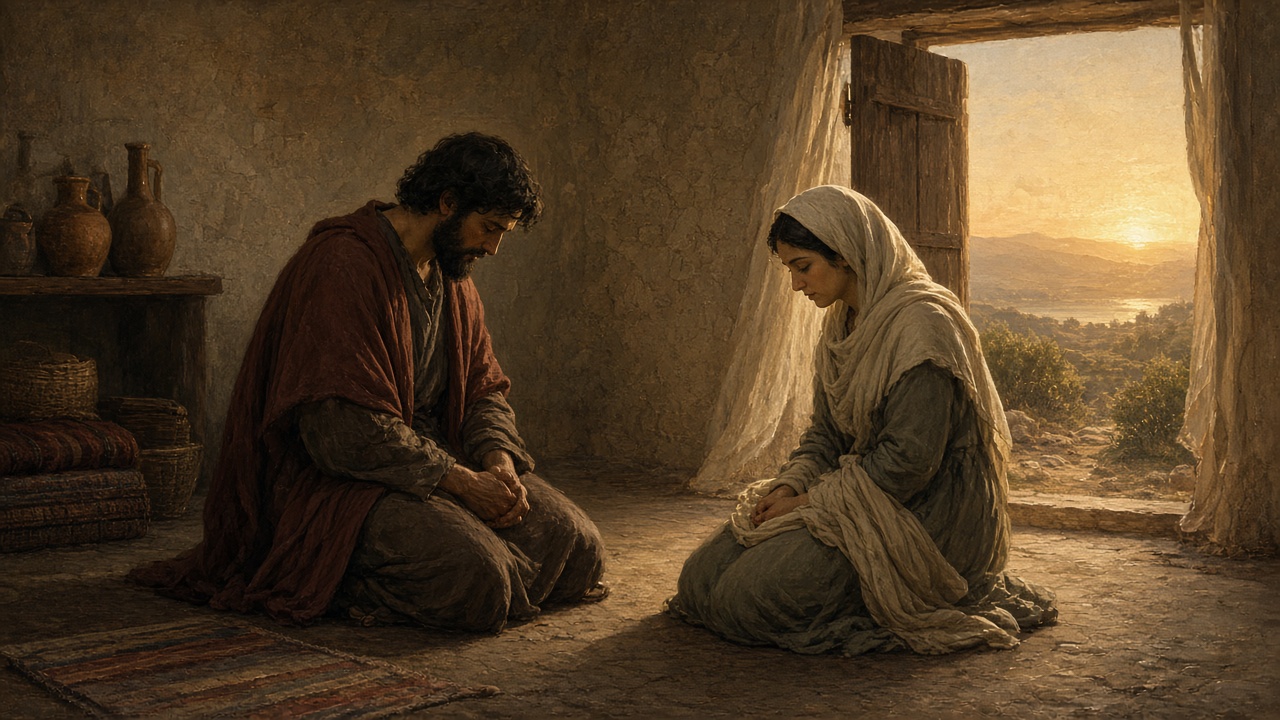
- The chapter opens as a reply to matters the readers had written about. The writer says it is good to abstain from sexual relations, yet, because there is so much sexual immorality, each man should have his own wife and each woman her own husband. He presents this as a concession, not as a command, and says that each person has their own gift from God.Sources: the Bible text itself
- In marriage, the writer says the wife does not have authority over her own body, but the husband does, and likewise the husband does not have authority over his own body, but the wife does. They should not deprive each other except by mutual consent and for a time, so they may devote themselves to prayer, and then come together again, so that Satan will not tempt them through lack of self-control. Easton's Bible Dictionary (1897) presents the name Satan as “adversary” or “accuser,” and notes that he tempted Jesus in the wilderness.Sources: the Bible text itself · Satan
- The writer distinguishes a command he attributes to the Lord—a wife must not separate from her husband, and a husband must not divorce his wife—from his own judgment where he says he, not the Lord, is speaking, including marriages with an unbeliever and questions about virgins. Because of what he calls the present crisis, and because he says the time is short and this world in its present form is passing away, he thinks it good to remain as one is. He adds that to marry is not to sin, though those who marry will face troubles in this life.Sources: the Bible text itself
Notes written with AI assistance from open sources (Theographic Bible Metadata, CC BY-SA 4.0; Easton’s Bible Dictionary, public domain) and reviewed before publishing.
Credits and license for this translation
Majepacʉ jʉ̃menijicʉi yávaiye mamaene coyʉitucubo
New Testament in Cubeo (CO:cub:Cubeo)
copyright © 2009 Wycliffe Bible Translators, Inc.
Language: Cubeo
Translation by: Wycliffe Bible Translators, Inc.
Cubeo [cub], Colombia
Copyright Information
© 2009, Wycliffe Bible Translators, Inc. All rights reserved.
This translation text is made available to you under the
terms of the Creative Commons License: Attribution-Noncommercial-No Derivative Works.
( http://creativecommons.org/licenses/by-nc-nd/3.0/ )
In addition, you have permission to port the text to different file formats, as long as you
do not change any of the text or punctuation of the Bible.
You may share, copy, distribute, transmit, and extract portions
or quotations from this work, provided that you include the above copyright
information:
You must give Attribution to the work.
You do not sell this work for a profit.
You do not make any derivative works that change any of the actual words or punctuation of the Scriptures.
Permissions beyond the scope of this license may be
available if you contact
us with your request.
The New Testament
in Cubeo
© 2009, Wycliffe Bible Translators, Inc. All rights reserved.
This translation is made available to you under the terms of the
Creative Commons Attribution-Noncommercial-No Derivatives license 4.0.
You may share and redistribute this Bible translation or extracts from it in any format, provided that:
You include the above copyright and source information.
You do not sell this work for a profit.
You do not change any of the words or punctuation of the Scriptures.
Pictures included with Scriptures and other documents on this site are licensed just for use with those Scriptures and documents.
For other uses, please contact the respective copyright owners.
2014-04-22
Source: http://ebible.org/cubNT/ · eBible.org