Matthew 2
I T’an Dios · Tap a verse to see its cross-references.
Tsajni winicob año' bʌ cabʌl i ña'tʌbal
1Che' bʌ tsi' yila pañimil Jesús ya' ti Belén ti Judea, che' yumʌl jini Herodes, awilan, tsa' tiliyob ti Jerusalén winicob año' bʌ cabʌl i ña'tʌbal, ch'oyolo' bʌ ti' pasibal q'uin. 2Tsi' yʌlʌyob: ¿Baqui an i yum judíojob tsa' bʌ i yila pañimil? Come tsaj q'uele lojon i yec' ti' pasibal q'uin. Tsa' tiliyon lojon cha'an mic ch'ujutesan lojon, che'ob. 3Jini yumʌl Herodes che' bʌ tsi' yubi, tsi' mele i pusic'al yic'ot pejtelel winicob x'ixicob ti Jerusalén. 4Che' bʌ tsi' tempa pejtelel ñuc bʌ motomajob yic'ot sts'ijbayajob, tsi' c'ajtibeyob baqui mi caj i yilan pañimil jini Cristo. 5Tsi' jac'beyob: Ya' ti Belén ti Judea. Come che'ʌch ts'ijbubil i cha'an x'alt'an: 6“Jixcu jatetla añet bʌ la ti Belén ya' ti' lumal Judá, mach yoque ch'o'ch'o'queticla ti' tojlel i yumob Judá. Come ti la' tojlel mi' caj ti loq'uel juntiquil yumʌl mu' bʌ caj i cʌntan israelob c cha'año' bʌ”.
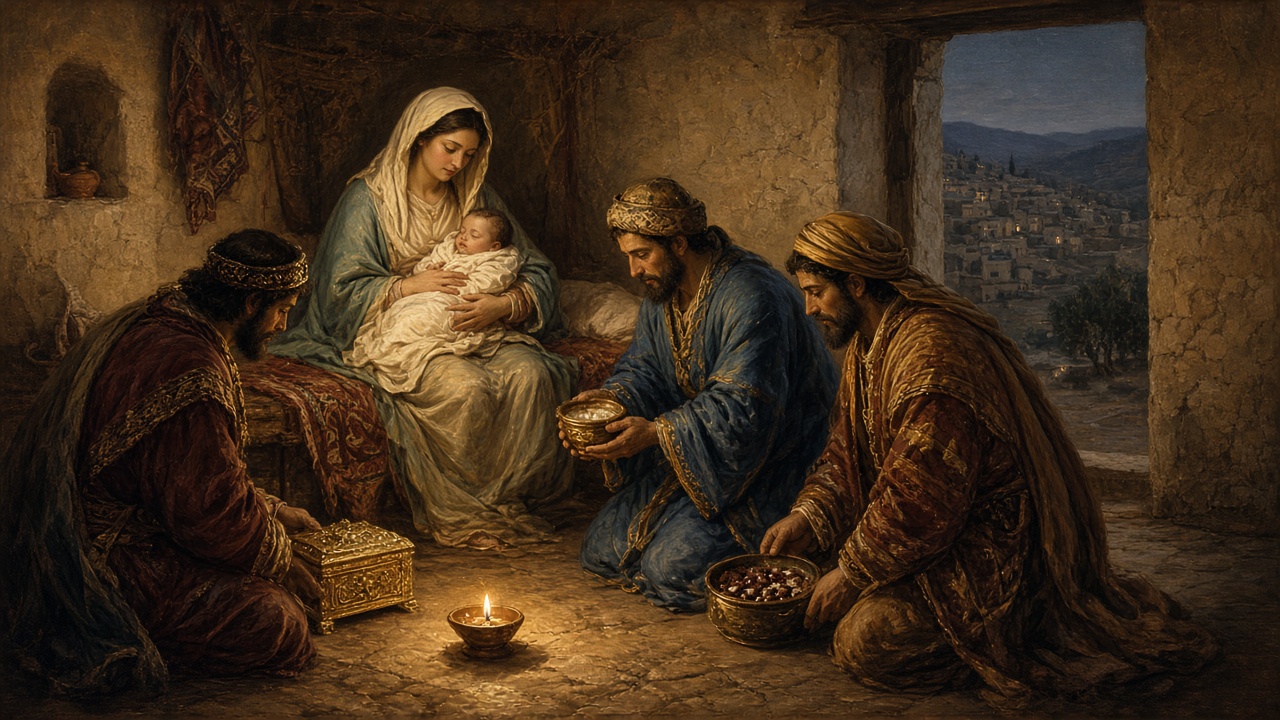
7Jini Herodes mucul jach tsi' pʌyʌ tilel jini winicob año' bʌ cabʌl i ña'tʌbal. Tsi' c'ajtibeyob jinto tsi' na'ta baqui ora tsa' tsictiyi jini ec'. 8Tsi' chocoyob majlel ti Belén. Tsi' yʌlʌ: Cucula. Wersa sajcanla jini alʌl. Che' mi la' taj, yom mi la' cha' tilel la' subeñon cha'an mic majlel c ch'ujutesan ja'el, che'en Herodes. 9Che' bʌ tsa' ujti i yubiñob i t'an tsa' majliyob. Awilan, jini ec' tsa' bʌ i q'ueleyob ti' pasibal q'uin tsi' cha'le xʌmbal majlel ti' wutob. Tsi' cʌyʌ i xʌmbal ec' ya' ti' chañelal ba'an jini alʌl. 10Che' bʌ tsi' q'ueleyob jini ec', c'ax tijicña jax i pusic'al tsi' yubiyob. 11Che' bʌ tsa' caji i yochelob ti otot, tsi' q'ueleyob alʌl yic'ot María i ña'. Tsi ñocchocoyob i bʌ. Tsi' ch'ujutesayob. Tsi' jamʌyob caxate'. Tsi yʌq'ueyob i majtan: oro, yic'ot xojocña bʌ pom, yic'ot mirra. 12Subebilobix jini winicob ti' ñajal cha'an ma'anic mi' chʌn ñumelob ba'an Herodes, tsa' sujtiyob majlel ti' lumal ti yambʌ bij.
Tsa' tsʌnsʌntiyob alʌlob
13Che' sujtemobix jini winicob, awilan, tsa' tsictiyi i yángel lac Yum ti' ñajal José. Jini ángel tsi' yʌlʌ: Ch'ojyen. Pʌyʌ majlel jini alʌl yic'ot i ña'. Puts'en ti Egipto. Cʌlejen ya'i jinto mic subeñet, come Herodes mi caj i sajcan alʌl cha'an mi' tsʌnsan, che'en. 14Tsa' ch'ojyi José. Tsi' pʌyʌ majlel alʌl yic'ot i ña' ti ac'ʌlel. Tsa' majli ti Egipto. 15Ya'i tsa' cʌle jinto tsa' chʌmi Herodes. Che'ʌch tsa' ujti cha'an mi' ts'ʌctiyel i t'an lac Yum tsa' bʌ i yʌlʌ ti' yej x'alt'an: “Tsac pʌyʌ loq'uel calobil ti Egipto”, che'en.
16Tsa' caji ti cabʌl mich'ajel jini Herodes che' bʌ tsi' ña'ta tsa'ix lotinti cha'an jini winicob año' bʌ cabʌl i ña'tʌbal. Tsi' yʌc'ʌ mandar cha'an mi' tsʌnsʌntelob pejtelel alʌ ch'itoñob maxto bʌ ts'ʌcʌlic cha'p'ejl i jabilel ya' bʌ añob ti Belén yic'ot ti' joytilel. Ña'tʌbilix i cha'an Herodes jayp'ejl i jabilel jini alʌl, come tsa' subenti cha'an jini winicob cabʌl bʌ i ña'tʌbal. 17Che' jini tsa' ts'ʌctiyi i t'an jini x'alt'an Jeremías tsa' bʌ i yʌlʌ: 18“Tsa' ubinti c'am bʌ t'an ya' ti Ramá, cabʌl uq'uel yic'ot we'ecña bʌ uq'uel. xRaquel woli' chʌn uc'tan i yalobilob. Ma'anic tsi' jac'ʌ i ñʌch'chocontel i pusic'al come tsa' jiliyob i yalobil”. Che' tsi' yʌlʌ jini x'alt'an.
19Che' bʌ tsa' chʌmi Herodes, awilan ya' ti Egipto tsa' tsictiyi i yángel lac Yum ti' ñajal José. 20Tsi' yʌlʌ: Ch'ojyen. Pʌyʌ majlel jini alʌl yic'ot i ña'. Cucu ti' lumal Israel come chʌmeñobix jini yomo' bʌ i tsʌnsan alʌl, che'en. 21Jini tsa' ch'ojyi. Tsi' pʌyʌ majlel alʌl yic'ot i ña'. Ya' tsa' c'oti ti' lumal Israel. 22José tsi' bʌc'ña majlel ya' ti Judea, come tsi' yubi woli ti yumʌntel Arquelao i yalobil Herodes. Jini Arquelao tsi' ch'ʌmbe i ye'tel i tat. Jini cha'an tsa' majli ti' lumal Galilea che' bajche' subebilix ti' ñajal. 23Tsa' c'oti ti chumtʌl ti jump'ejl tejclum i c'aba' Nazaret cha'an mi' ts'ʌctiyel i t'an jini x'altañob: “Mi caj i sujbel ti nazareno, che'ob”.
Did you know?
Magi, Herod, and Nazareth
- The King Herod of this chapter is Herod the Great. His son Archelaus, by Malthace, a Samaritan woman, inherited a third of the kingdom: Idumea, Judea, and Samaria. Until a few days before Herod's death another son, Antipas, had been named successor, but in his last moments Herod named Archelaus; for fear of him, Joseph turned aside from Judea and withdrew to Galilee.Sources: Archelaus · the Bible text itself
- Matthew links the deaths of the boys in Bethlehem to words spoken through the prophet Jeremiah: a voice in Ramah, Rachel weeping for her children. Rachel, one of Jacob's wives, died giving birth to Benjamin and was buried by the wayside on the road to Ephrath, that is Bethlehem, directly north of the town. Her sepulchre is regarded with great veneration by the Jews.Sources: the Bible text itself · Rachel · Bethlehem
- Bethlehem, in the hill country of Judah, was earlier called Ephrath and was also known as the city of David; under the Romans it lay in Judea, the southernmost of the three divisions of Palestine. Joseph and Mary went instead to Nazareth in Galilee, their home, a town not mentioned in the Old Testament. The name Nazareth is generally supposed to come from the Hebrew netser, a shoot or sprout, though some connect it with a word for guarding or watching.Sources: Bethlehem · Judea · Nazareth · the Bible text itself
Notes written with AI assistance from open sources (Theographic Bible Metadata, CC BY-SA 4.0; Easton’s Bible Dictionary, public domain) and reviewed before publishing.
Places in this chapter
- Bethlehem · 31.704, 35.208 · verses 1, 5, 6, 8, 9, 16
- East · Today: region around Amman · 31.955, 35.934 · verses 1, 2, 9
- Jerusalem · 31.777, 35.234 · verses 1, 3
- Judea · Today: Judea 1 · 31.777, 35.234 · verses 1, 5, 22
- Egypt · 30.129, 31.308 · verses 13, 14, 15, 19
- Galilee · 32.760, 35.527 · verse 22
- Nazareth · 32.702, 35.298 · verse 23
Only places identified with high confidence are shown (90% or more according to the scholarly sources compiled by OpenBible). Period map: DARE (Digital Atlas of the Roman Empire), CC BY 4.0; modern map: © OpenStreetMap contributors; places: OpenBible.info (CC BY 4.0).
Credits and license for this translation
I T’an Dios
Bible without Deuterocanon in Chol Tumbala; ctu (MX:ctu:Chol)
copyright © 1977 Wycliffe Bible Translators, Inc.
Language: Chol
Translation by: Wycliffe Bible Translators, Inc.
Chol, Tumbalá [ctu], Mexico
Copyright Information
© 1977, Bible League International
This translation text is made available to you under the
terms of the Creative Commons License: Attribution-Noncommercial-No Derivative Works.
( http://creativecommons.org/licenses/by-nc-nd/3.0/ )
In addition, you have permission to port the text to different file formats, as long as you
do not change any of the text or punctuation of the Bible.
You may share, copy, distribute, transmit, and extract portions
or quotations from this work, provided that you include the above copyright
information:
You must give Attribution to the work.
You do not sell this work for a profit.
You do not make any derivative works that change any of the actual words or punctuation of the Scriptures.
Permissions beyond the scope of this license may be
available if you contact
us with your request.
The Bible without Deuterocanon
in Chol
© 1977, Bible League International
This translation is made available to you under the terms of the
Creative Commons Attribution-Noncommercial-No Derivatives license 4.0.
You may share and redistribute this Bible translation or extracts from it in any format, provided that:
You include the above copyright and source information.
You do not sell this work for a profit.
You do not change any of the words or punctuation of the Scriptures.
Pictures included with Scriptures and other documents on this site are licensed just for use with those Scriptures and documents.
For other uses, please contact the respective copyright owners.
2014-04-22
Source: http://ebible.org/ctuBl/ · eBible.org