Revelation 11
Chaʼ suʼwe nu nchkwiʼ chaʼ ʼin Jesucristo nu nka xʼnaan · Tap a verse to see its cross-references.
Tukwa nten nu nduun lo chalyuu chaꞌ chkwiꞌ chaꞌ ꞌin Ndiose
1Chunꞌ ndiꞌin la mda Ndiose ska yka kulaa nu ñi ꞌa ꞌñaǎn, chaꞌ suꞌwa biyaǎnꞌ loꞌo ran. Ykwiꞌ Ni loꞌoǔn bra kanꞌ:
―Suꞌwaa biyaaꞌ lyaa niꞌ lyaa nu suꞌwe ꞌa ñaꞌan ꞌin Ndiose; kwiꞌ ngwañaꞌan, suꞌwaa biyaaꞌ lo msaa seꞌen ndukwa lomstan nu nxtya nten chaꞌ ꞌñaǎn bra kanꞌ. Lkwaa lyaa ni sa ñaꞌan kwa nten nu ndiꞌin nde kwa nu chañi chaꞌ ngiꞌni tnun ꞌñaǎn nu lkaǎn Ndiose ꞌin neꞌ bra kanꞌ. 2Loꞌo ja suꞌwa biyaaꞌ nde chunꞌ laa tnun kanꞌ, chaꞌ lka ran chaꞌ ꞌin xka ta nten nu ja nnan chaꞌ ꞌñaǎn, chaꞌ naꞌ lkaǎn Ndiose siyaꞌ ti bra kanꞌ. Chen ꞌa ñaꞌan ngiꞌni neꞌ kanꞌ bra nu ndiꞌin neꞌ kichen tnun nu ndiꞌin chaꞌ ꞌñaǎn bra kanꞌ. Tuꞌwa ndukwa tukwa koꞌ tyiꞌin neꞌ kanꞌ la kwa bra kanꞌ, 3loꞌo suꞌwaǎn tukwa nten ndijyan lo chalyuu nu chkwiꞌ nchga chaꞌ nu nka tiyeěn chkwiǐnꞌ loꞌo nten bra kanꞌ. Taꞌa tyukwaa neꞌ kanꞌ tyituun neꞌ jluꞌwe kichen kanꞌ bra kanꞌ ―ndukwin Ni ꞌñaǎn―, bra nu taꞌa tii tyukwa siyentu nsuꞌwi snan yla tsan tyuun neꞌ kanꞌ bra kanꞌ. Tyukwi tyempu kanꞌ kuꞌ neꞌ teꞌ ngata, chaꞌ tnun ꞌa chaꞌ nu chkwiꞌ neꞌ loꞌo nten, sa ñaꞌan nu kuꞌniǐn nde loo la bra kanꞌ.
4Nu nduun taꞌa tyukwaa neꞌ kanꞌ lo chalyuu ni, nduun neꞌ chabiyaꞌ ꞌin Ndiose nu nka ndloo tyukwi ñaꞌaan chalyuu; Ndiose msuꞌwa ꞌin neꞌ kanꞌ, chaꞌ chkwiꞌ neꞌ nchga chaꞌ nu nka tiye Ni chaꞌ chkwiꞌ Ni loꞌo nten bra kanꞌ. Ka neꞌ kanꞌ ñaꞌan tiꞌ tukwa yka olivo, kwiꞌ ngwañaꞌan ka neꞌ ñaꞌan tiꞌ tukwa kandlyeru bra kanꞌ. (Suꞌwe ꞌa sete nu nsuꞌwi mta olivo, chaꞌ skin niꞌ kandlyeru.) 5Bra nu nchka tiꞌ nten chalyuu kuꞌni chaꞌ kuxi loꞌo tyukwaa neꞌ kanꞌ, ndse ti kalu kiiꞌ tuꞌwa neꞌ, kwiꞌ tiꞌí ꞌa xuwenꞌ ꞌin neꞌ kuxi kanꞌ; tyii neꞌ kuxi kuꞌni ñuꞌun ran ꞌin neꞌ bra kanꞌ. Ngwañaꞌan kaja nchga nten nu kuꞌni chaꞌ kuxi loꞌo neꞌ kanꞌ bra kanꞌ. 6Wa nsuꞌwi chabiyaꞌ ꞌin neꞌ nu nduun kanꞌ, chaꞌ ja ta neꞌ chabiyaꞌ kiꞌya tyoo tyukwi tyempu nu chkwiꞌ neꞌ chaꞌ ꞌin Ndiose loꞌo nten bra kanꞌ; kwiꞌ ngwañaꞌan, nsuꞌwi chabiyaꞌ ꞌin neꞌ chaꞌ kuꞌni ñuꞌun neꞌ nchga seꞌen ndyukwa tyiꞌa chaꞌ chka ran tnen; kwiꞌ ngwañaꞌan, ka ꞌin neꞌ ta neꞌ nchga lo kicha nu tyijanꞌ ꞌin nten chalyuu, ñaꞌan bra nu nchka tiꞌ neꞌ chaꞌ ka tiꞌí nten bra kanꞌ. 7Bra nu tyii tñan nu kuꞌni tyukwaa neꞌ lo chalyuu, bra ti tyisnan ꞌni xaꞌan nu nsuꞌwi tiyu kiꞌñi kanꞌ, xuun iꞌ loꞌo taꞌa tyukwaa nten nu nduun kanꞌ bra kanꞌ; loꞌo tyijin lyo iꞌ ꞌin neꞌ kanꞌ, kwiꞌ kujwi iꞌ ꞌin neꞌ bra kanꞌ. 8Kanun tyukwaa jyoꞌo kanꞌ seꞌen nsu neꞌ ngujwi neꞌ tuꞌwa lo kiyaꞌ kichen tnun kanꞌ, ti kwiꞌ kichen seꞌen mstya nten ꞌin Xꞌnaan lo wsi bra kanꞌ. Xaꞌan ꞌa neꞌ kichen kanꞌ, kanꞌ chaꞌ nsuꞌwi ska chaꞌ nu nchkwiꞌ nten chaꞌ ꞌin neꞌ kwa, chaꞌ sa ñaꞌan ngwa neꞌ kichen Sodoma nu ngwa sꞌni, kwiꞌ sa ñaꞌan ngwa neꞌ kichen Egipto nu ngwa sꞌni, kwiꞌ ngwañaꞌan lka neꞌ kichen tnun kanꞌ ni. 9Chunꞌ ndiꞌin la ndijyan nten tyukwi ñaꞌaan chalyuu la seꞌen nsu jyoꞌo kanꞌ. Tyukwi snan tsan jluꞌwe ndijyan nchga lo nten chalyuu, ni siya nten nu ndyoꞌo nchga kichen tyi neꞌ, ni siya nten nu nchkwiꞌ nchga lo chaꞌ nu nchkwiꞌ nten chalyuu; ndijyan naꞌan neꞌ ꞌin ayman kanꞌ seꞌen nsu neꞌ. Loꞌo ja ta neꞌ chabiyaꞌ katsiꞌ ayman kanꞌ bra kanꞌ. 10Ndiya ꞌa tiꞌ nten chalyuu chaꞌ wa ngujwi taꞌa tyukwaa nten nu mduun kanꞌ, kanꞌ chaꞌ kuꞌni neꞌ taꞌa bra kanꞌ. Taꞌa ti ta neꞌ xuꞌwe tsaa seꞌen ndiꞌin taꞌa neꞌ, chaꞌ ndiya ꞌa tiꞌ neꞌ bra kanꞌ. Kaꞌan ꞌa nu tiꞌí ndijin nten chalyuu chunꞌ nu taꞌa tyukwaa jyoꞌo kanꞌ, ndukwin neꞌ bra kanꞌ. 11Xa wa mdaꞌa snan tsan jluꞌwe kanꞌ, xiyaꞌ yꞌni Ndiose chaꞌ ngala tyiꞌi niꞌ kasiya ꞌin taꞌa tyukwaa jyoꞌo kanꞌ; xiyaꞌ ndyaa tukwi neꞌ bra kanꞌ. Ytsen ꞌa nchga nten chalyuu nu wa naꞌan sa ñaꞌan ngwa ꞌin neꞌ kanꞌ, chaꞌ wa ndyuꞌu neꞌ xiyaꞌ bra kanꞌ. 12Kanꞌ ynan taꞌa tyukwaa neꞌ kanꞌ mdoꞌo tyiꞌi ska nu msiꞌya ꞌin neꞌ la seꞌen ndiꞌin Ndiose nde niꞌ kwan bra kanꞌ:
―Xkwen lya wan nde niꞌ kwan re ―ndukwin Ni.
Kwiꞌ ñaꞌan bra nu naꞌan nten nu nxuun loꞌo ꞌin neꞌ ꞌin neꞌ kanꞌ, kanꞌ mdoꞌo neꞌ ndyaa neꞌ nde niꞌ kwan; laja koo ti ndyaa neꞌ bra kanꞌ. 13Ti kwiꞌ bra kanꞌ lye ꞌa mñan; seꞌen ngwa tii bariyu kichen nu ngwa xkanꞌ, ñaꞌaan ska bariyu mdyii ngutin bra kanꞌ. Kati mi nten ngujwi chaꞌ nu mñan bra kanꞌ. Lye ꞌa ytsen xka ta nten nu nganun bra kanꞌ, ytsen ꞌa neꞌ ꞌin Ndiose nu ndiꞌin niꞌ kwan, chaꞌ nchka ꞌin Ni kuꞌni Ni chaꞌ tnun ꞌa nu ngwañaꞌan; loꞌo nduwe ꞌa tiꞌ neꞌ chaꞌ yꞌni Ni ngwañaꞌan bra kanꞌ.
14Wa mdyii tukwa ta chaꞌ kuxi yan lo chalyuu, loꞌo ni, wa ndijyan chaꞌ ka xka chaꞌ kuxi lo chalyuu.
Xka yaꞌ ti nganen kuwi chkwan
15Wa lka kati yaꞌ ynen ngwaꞌa angajle kuwi chkwan. Kwiꞌ tyun ꞌa nu nganen nchkwiꞌ nde niꞌ kwan bra kanꞌ, kwiꞌ nu nchkwiꞌ chaꞌ re:
Sa bra ni nganun tsaa chaꞌ ꞌin nu nka Xꞌnaan, kwiꞌ ngwañaꞌan chaꞌ ꞌin Krixtu, chaꞌ ka Ni ndloo tyukwi ñaꞌaan chalyuu, ndukwin Ni kanꞌ.
Loꞌo ni, ja tsaa tii ꞌa chaꞌ kulo Ni tñan lo chalyuu bra kanꞌ.
16Kwiꞌ ngwañaꞌan, yꞌni tnun yu kula kanꞌ ꞌin Ndiose, kala ndukwa jakwa yu kula nu ndukwa lo yka xlya seꞌen ndukwa Ndiose; mdyisti neꞌ nde tloo neꞌ lyuu chaꞌ kuꞌni tnun neꞌ ꞌin Ni bra kanꞌ. 17Nde ñaꞌan nchkwiꞌ yu kula kanꞌ bra kanꞌ:
Ndiose Xꞌnan ba, ndukwin neꞌ, wa nchka ꞌiin kuꞌnii nchga tñan.
Nuꞌwin luꞌuu ni, ti kwiꞌ ti luꞌuu nu ngwa ti kulo, kwiꞌ ngwañaꞌan ti luꞌuu la nde loo la. Ja siyaꞌ tsaa tii chaꞌ nu luꞌuu.
Tya ba xuꞌwe ꞌiin chaꞌ wa mdyisnan ngiꞌnii kaꞌan ꞌa tñan tnun lo chalyuu re, kwiꞌ nduwe ꞌa tiꞌ ba chaꞌ nuꞌwin mdyisnan nkaa ndloo.
18Lye ꞌa msinꞌ tiꞌ xka ta nten nu ja nnan chaꞌ nchkwiiꞌ, chaꞌ wa tiya ti bra chaꞌ taa nuꞌwin nu tiꞌí ꞌin neꞌ kanꞌ, chaꞌ kuꞌnii biyaaꞌ ꞌin nchga ayman.
Kwiꞌ ñaꞌan bra ta nuꞌwin xuꞌwe ꞌin nten nu ngiꞌni tñan ꞌiin, chaꞌ nuꞌwin nguloo tñan ꞌin neꞌ chaꞌ chkwiꞌ neꞌ chaꞌ ꞌiin lo chalyuu;
kwiꞌ ngwañaꞌan ta nuꞌwin xuꞌwe ꞌin nten nu kunan chaꞌ nchkwiiꞌ, ni siya nten kuneꞌ, ni siya nten kula.
Wa ndiya bra chaꞌ kuꞌnii ñuꞌuun ꞌin nten nu wa yꞌni ñuꞌun ꞌin nten chalyuu, ndukwin neꞌ.
19Loꞌo naꞌaǎn seꞌen ndukwa laa tnun ꞌin Ndiose nde niꞌ kwan, naꞌaǎn la niꞌ lyaa seꞌen ndukwa tñaꞌ kti, seꞌen ndukwa Ndiose la seꞌen ndiꞌin nten ꞌin Ni nu ngwa ti sꞌni. Bra kanꞌ lye ꞌa nganen lo chalyuu, lye ꞌa ndyuwi, kwiꞌ lye ꞌa nganen tiꞌyu; kwiꞌ lye mñan, loꞌo ngwañaꞌan tlyaa ꞌa tyoo kee ngwiꞌya bra kanꞌ.
Did you know?
The Two Witnesses and the Great City
- Revelation 11 says that the bodies of the two witnesses will lie in the street of the great city, figuratively called Sodom and Egypt, where their Lord was also crucified. A dictionary entry explains Sodom as Burning, or the walled, a city destroyed by fire from heaven because of its inhabitants' wickedness, a destruction that Scripture frequently recalls. Egypt, the land of the Nile and the pyramids, is likewise described as holding great significance in Scripture.Sources: the Bible text itself
- The two witnesses are empowered to prophesy for 1,260 days, clothed in sackcloth. They are the two olive trees and the two lampstands that stand before the Lord of the earth, and they have power to shut the sky so that no rain falls, to turn the waters into blood, and to strike the earth with every kind of plague.Sources: the Bible text itself
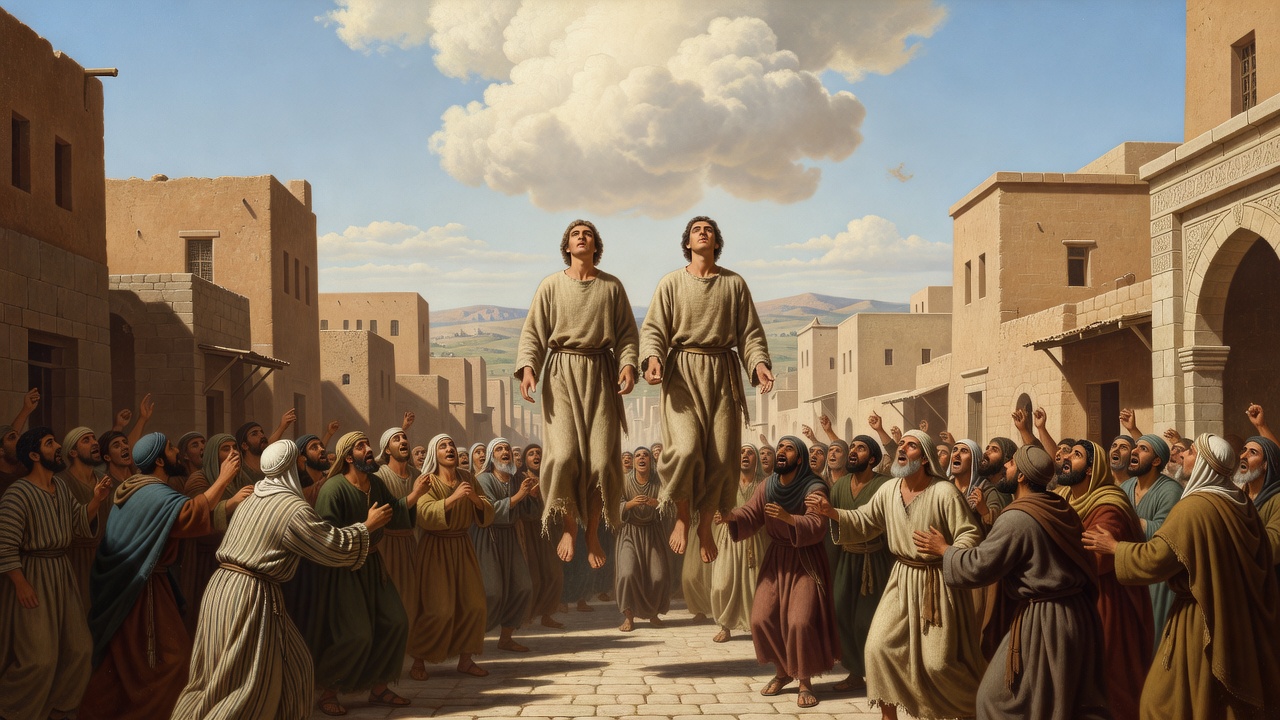
- When the two witnesses finish their testimony, the beast that comes up from the Abyss overpowers and kills them. For three and a half days, peoples, tribes, tongues, and nations view their bodies and will not permit them to be laid in a tomb, while the earth's inhabitants gloat over them, celebrate, and send one another gifts, because the two prophets had tormented them. After that, the breath of life from God enters them; they stand on their feet and go up to heaven in a cloud as their enemies watch.Sources: the Bible text itself
Notes written with AI assistance from open sources (Theographic Bible Metadata, CC BY-SA 4.0; Easton’s Bible Dictionary, public domain) and reviewed before publishing.
Places in this chapter
Only places identified with high confidence are shown (90% or more according to the scholarly sources compiled by OpenBible). Period map: DARE (Digital Atlas of the Roman Empire), CC BY 4.0; modern map: © OpenStreetMap contributors; places: OpenBible.info (CC BY 4.0).
Credits and license for this translation
Chaʼ suʼwe nu nchkwiʼ chaʼ ʼin Jesucristo nu nka xʼnaan
New Testament in Chatino, Western Highland (MX:ctp:Chatino, Western Highland)
copyright © 1992 Wycliffe Bible Translators, Inc.
Language: Chatino, Western Highland
Translation by: Wycliffe Bible Translators, Inc.
Chatino, Zona Alta Occidental [ctp], Mexico
Copyright Information
© 1992, Wycliffe Bible Translators, Inc.
This translation text is made available to you under the
terms of the Creative Commons License: Attribution-Noncommercial-No Derivative Works.
( http://creativecommons.org/licenses/by-nc-nd/3.0/ )
In addition, you have permission to port the text to different file formats, as long as you
do not change any of the text or punctuation of the Bible.
You may share, copy, distribute, transmit, and extract portions
or quotations from this work, provided that you include the above copyright
information:
You must give Attribution to the work.
You do not sell this work for a profit.
You do not make any derivative works that change any of the actual words or punctuation of the Scriptures.
Permissions beyond the scope of this license may be
available if you contact
us with your request.
The New Testament
in Chatino, Western Highland
© 1992, Wycliffe Bible Translators, Inc.
This translation is made available to you under the terms of the
Creative Commons Attribution-Noncommercial-No Derivatives license 4.0.
You may share and redistribute this Bible translation or extracts from it in any format, provided that:
You include the above copyright and source information.
You do not sell this work for a profit.
You do not change any of the words or punctuation of the Scriptures.
Pictures included with Scriptures and other documents on this site are licensed just for use with those Scriptures and documents.
For other uses, please contact the respective copyright owners.
2014-04-22
Source: http://ebible.org/ctpNT/ · eBible.org