Ephesians 6
Chaʼ suʼwe nu nchkwiʼ chaʼ ʼin Jesucristo nu nka xʼnaan · Tap a verse to see its cross-references.
1ꞌWan yu kuneꞌ ni, tukwa wan tñan nu kulo neꞌ kula ꞌwan, chaꞌ ngwañaꞌan nchka tiꞌ Ndiose Xꞌnaan chaꞌ kuꞌni wan. 2Ska chaꞌ nu ykwiꞌ Ndiose loꞌo nten ti kulo lka chaꞌ re: “Tukwa wan chaꞌ nu nchkwiꞌ sti wan, chaꞌ nu nchkwiꞌ jyaꞌan wan.” Loꞌo ndiya xka chaꞌ nu ykwiꞌ Ndiose loꞌoan si kuꞌnian ngwañaꞌan: 3“Ka suꞌwe ka tiye wan bra kanꞌ, kaꞌan yijan talo wan tyiꞌin wan lo chalyuu bra kanꞌ” ndukwin Ndiose.
4ꞌWan nu lka wan sti nu xuwe ni, ja ta wan seꞌen chaꞌ tyiꞌin wsuun wan loꞌo sñiꞌ wan. Bra nu ngiꞌni kuꞌu wan ꞌin sñiꞌ wan, kaꞌni neꞌ chinꞌ si chañi ndiya chaꞌ kuxi ngiꞌni neꞌ; kwaꞌu suꞌwe wan ꞌin neꞌ chaꞌ kunan neꞌ chaꞌ nu nchkwiꞌ Xꞌnaan.
5ꞌWan, msu nu msiꞌi nten ꞌwan chaꞌ kuꞌni wan tñan ꞌin neꞌ xuꞌwe ti, kuꞌni wan nchga tñan nu kulo xꞌnan wan ꞌwan lo chalyuu. Kuwe chinꞌ tiꞌ wan sa ñaꞌan nu kuꞌni wan tñan ꞌin neꞌ, chaꞌ tyukwi ti tiye wan kuꞌni wan tñan kanꞌ; kuꞌni wan tñan kanꞌ sa ñaꞌan lka si ngiꞌni wan tñan ꞌin Krixtu.
6Kuꞌni wan tñan ꞌin neꞌ sikwa; ja kuꞌni wan tñan kanꞌ chaꞌ kanun suꞌwe ti wan loꞌo neꞌ, xa nu nduun ti neꞌ nsñi neꞌ kwenta ꞌwan si ngiꞌni wan tñan. Suꞌwe la si tyuꞌwi tiꞌ wan chaꞌ ti kwiꞌ msu ꞌin Krixtu lka wan ni, kanꞌ chaꞌ tyukwi ti tiye wan kuꞌni wan nchga tñan nu nchka tiꞌ Ndiose chaꞌ kuꞌnian. 7Suꞌwe ti kuꞌni wan nchga tñan sikwa, tyuꞌwi tiꞌ wan chaꞌ tñan ꞌin ykwiꞌ Xꞌnaan lka nu ngiꞌni wan, siꞌi tñan ꞌin nten chalyuu ti. 8Ja nꞌni chaꞌ ni siya msu nu msiꞌi ti nten lka wan, ni siya msu nu ndiꞌin suꞌwe ti lka wan; wa jlyo tianꞌ chaꞌ nda Xꞌnaan chaꞌ suꞌwe ꞌin nchga nten nu suꞌwe ngiꞌni tñan chaꞌ ꞌin Ni.
9ꞌWan xꞌnan msu ni, kwiꞌ ngwañaꞌan ndiꞌin chaꞌ ñaꞌansiin suꞌwe wan ꞌin msu ꞌwan. Ja xitsen wan ꞌin neꞌ, ja kuꞌni tlá wan ꞌin neꞌ kanꞌ; tyaa yuꞌwi tiꞌ wan chaꞌ ska ti Xꞌnaan nu nduun loo la ꞌwan loꞌo neꞌ kanꞌ, loꞌo ska ti biyaꞌ ngiꞌni Ni loꞌo nchga nten.
Yaꞌ xñan nu kunanjoꞌo ꞌin neꞌ nu msñi chaꞌ ꞌin Krixtu, chaꞌ xuun neꞌ loꞌo kuneꞌ xaꞌan
10Loꞌo ni, ndiꞌin chaꞌ chka ngula la tiꞌ wan niꞌ kasiya ꞌwan, chaꞌ suꞌwa ti ngiꞌni wan tñan loꞌo ykwiꞌ Xꞌnaan, loꞌo ngwañaꞌan tnun ꞌa jwersa nsuꞌwi ꞌin Ndiose. 11Nchga bra tyaꞌan chaꞌ tiye wan chaꞌ ꞌin nchga chaꞌ nu wa ykwiꞌ Ndiose loꞌo wan, chaꞌ ka kuꞌni wan kwenta ꞌwan, ti ykwiꞌ ti wan, chaꞌ ja kwiñi lyoꞌo kuneꞌ xaꞌan ꞌwan. 12Ja nxuan loꞌo nten chalyuu ti, nu chinꞌ ti jwersa nsuꞌwi ꞌin neꞌ; nu nxuun loꞌoan lka nchga kwiꞌin kuxi nu nsuꞌwi nde niꞌ kwan. Ngula ꞌa tiꞌ kwiꞌin kanꞌ, kwiꞌ kanꞌ lka nu nchka ꞌa tiꞌ tyijin lyo ꞌin Ndiose; loꞌo ja nchka ꞌin ran. Ti kwiꞌ kwiꞌin kuxi kanꞌ nchka tiꞌ ka xꞌnan chalyuu, loꞌo ngwañaꞌan ndlo ran tñan ꞌin nten chaꞌ kuꞌni neꞌ nchga loo chaꞌ kuxi lo chalyuu bra ni. 13Chaꞌ nu wa ykwiꞌ Ndiose loꞌoan ni, sa ñaꞌan lka steꞌ sndaru nu ndaꞌan wsuun, ngwañaꞌan lka chaꞌ kanꞌ ꞌin Ndiose; xkwiꞌ chkwan lka steꞌ sndaru, chaꞌ kunanjoꞌo ꞌin yu xa nu nxuun yu. Kwiꞌ ngwañaꞌan ꞌwan, tukwa wan nchga chaꞌ nu nchkwiꞌ Ndiose, xñi suꞌwe wan chaꞌ kanꞌ ni; loꞌo xa nu tiya bra nu kuxi kanꞌ, ka talo wan chaꞌ xuun wan loꞌo kuneꞌ xaꞌan bra kanꞌ. Si ngwañaꞌan kuꞌni wan, xa wa mdyii chaꞌ wsuun kanꞌ ti tyiꞌin suꞌwe kasiya ꞌwan sa ñaꞌan nu mdiꞌin wan ti kulo. 14Kanꞌ chaꞌ kuꞌni tiya tiꞌ wan sikwa; sa ñaꞌan nu ndiꞌin kijin siꞌ sndaru chaꞌ chkanꞌ suꞌwe steꞌ yu, ngwañaꞌan ꞌwan, xñi suꞌwe wan chaꞌ nu nchkwiꞌ Ndiose. Xkwiꞌ chaꞌ nu ñi chkwiꞌ wan, chaꞌ bra kanꞌ ka xuun taꞌa wan loꞌo nu kuxi. Ska sndaru ni, nchkunꞌ chkwan ñaꞌaan lo tiye yu loꞌo nde chunꞌ yu. Kwiꞌ ngwañaꞌan ꞌwan, ja ka xtya neꞌ kiꞌya ꞌwan si xkwiꞌ tñan nu ñi kuꞌni wan. 15Ngula kanan nsuꞌwi kiyaꞌ sndaru. Kwiꞌ ngwañaꞌan ꞌwan, kuꞌni xuꞌwe wan ꞌwan chaꞌ tsaa wan chkwiꞌ wan chaꞌ ꞌin Ndiose loꞌo nten; chkwiꞌ wan loꞌo neꞌ chaꞌ ka kulaa Ni ꞌin neꞌ kanꞌ, chaꞌ kuꞌni Ni chaꞌ tiin ti tyiꞌin niꞌ kasiya ꞌin neꞌ. 16Loꞌo ndukwa ska chkwan kwajaꞌ skun sndaru; bra nu kuun nu nxuun loꞌo yu kilya nu ndukwa kiiꞌ loo ꞌin yu, bra kanꞌ tukunꞌ yu loo kilya kanꞌ loꞌo chkwan kwajaꞌ kanꞌ. Ngwañaꞌan ka ꞌwan si chañi chaꞌ msñi wan chaꞌ ꞌin Ndiose, ka kuꞌni wan kwenta ꞌwan, ti ykwiꞌ ti wan nchga bra chaꞌ ja kuꞌni nu kuxi kanan ꞌwan. 17Skwaꞌ chkwan ndukwa ke sndaru chaꞌ skunꞌ ke neꞌ. Kwiꞌ ngwañaꞌan ꞌwan, wa ngulaa Ni ꞌwan, kanꞌ chaꞌ wa ndiya nu ñaꞌansiin ꞌwan bra kanꞌ. Xñi wan nchga chaꞌ nu nchkwiꞌ Tyiꞌi Ndiose loꞌo wan chaꞌ kaja chaꞌ nu chkwiꞌ wan loꞌo xka ta nten, sa ñaꞌan lka si wa msñi wan ska xtyi nu cha ꞌa ꞌin sndaru. 18Chkwiꞌ wan loꞌo Ndiose bra nu xuun wan loꞌo nu kuxi, jñan wan chabiyaꞌ ꞌin Ni; nchga bra tayaꞌ Tyiꞌi Ndiose ꞌwan chaꞌ ka chkwiꞌ wan loꞌo Ni. Kwiꞌ ngwañaꞌan ndiꞌin chaꞌ chkwiꞌ wan loꞌo Ni chaꞌ ꞌin nchga nten nu wa msñi chaꞌ ꞌin Ni. Kanꞌ chaꞌ sikwa, ndii ti tiꞌ wan chkwiꞌ wan loꞌo Ni, chaꞌ ja ka ndaja tiꞌ wan. 19Loꞌo ngwañaꞌan suꞌwe si chkwiꞌ wan loꞌo Ndiose Stian chaꞌ ꞌñaǎn, chaꞌ ti ta la Ni chaꞌ nu chkwiǐnꞌ loꞌo nten, chaꞌ ka ngula la tiꞌ kasiya ꞌñaǎn chkwiǐnꞌ loꞌo nten sa ñaꞌan yaꞌ nu ka biyaꞌ suꞌwe tiꞌ neꞌ, chaꞌ ka kulaa Krixtu ꞌin neꞌ yaꞌ nu kuxi; ska chaꞌ nu ja ya kunan neꞌ lka chaꞌ kanꞌ. 20Wa ngulo suwi Ni ꞌñaǎn chaꞌ tsaꞌaǎn tijyuꞌ, chaꞌ chkwiǐnꞌ chaꞌ kanꞌ loꞌo nten; kanꞌ chaꞌ lkaǎn presu ni. Chkwiꞌ wan loꞌo Ndiose chaꞌ ꞌñaǎn sikwa, chaꞌ ka chkwiǐnꞌ ñi chaꞌ kanꞌ loꞌo nten, sa ñaꞌan nu ndiꞌin chaꞌ chkwiǐnꞌ.
Mslaaꞌ Palyu ꞌin neꞌ
21Wa msuꞌwaǎn ꞌin Tíquico chaꞌ tsaa yu seꞌen ndiꞌin wan. Suꞌwe ꞌa nka tiye ba chaꞌ suꞌwa ꞌa yꞌni ba tñan ꞌin ykwiꞌ Xꞌnaan loꞌo yu. Katsaꞌ ji yu ꞌwan nchga chaꞌ nu nchka ꞌñaǎn nde re, sa ñaꞌan tñan nu ngiꞌniǐn. 22Kanꞌ chaꞌ wa msuꞌwaǎn ꞌin yu ndijyan yu seꞌen ndiꞌin wan, chaꞌ suꞌwe la kanun kasiya ꞌwan xa nu kunan wan sa ñaꞌan chaꞌ nu nchka ꞌware.
23Loꞌo ni, chkwiǐnꞌ loꞌo Ndiose Stian, loꞌo Xꞌnaan Jesucristo chaꞌ ꞌwan, taꞌa msñian chaꞌ ꞌin Krixtu; kuꞌni Ni chaꞌ tiin ti tyiꞌin kasiya ꞌwan, chaꞌ suꞌwe ti xuꞌwi tiye wan ñaꞌan wan ꞌin taꞌaan, chunꞌ chaꞌ nchga bra ndyaa ñaꞌan tiꞌ wan ꞌin Ndiose. 24Kwiꞌ ngwañaꞌan nchka tiǎnꞌ chaꞌ ñaꞌan ti kuꞌni Ni chaꞌ suꞌwe loꞌo taꞌa wan nu suꞌwe nsuꞌwi tiye wan ꞌin Xꞌnaan Jesucristo, nchga wan nu ja nchka tiꞌ wan kulaa yaꞌ wan ꞌin Krixtu. Ngwañaꞌan ka sikwa.
Did you know?
Household duties, God's armor, and Tychicus
- This chapter presents the command to honor one's father and mother as the first commandment with a promise: that it may go well with you and that you may have a long life on the earth. It also tells fathers not to provoke their children to wrath, but to bring them up in the discipline and instruction of the Lord.Sources: the Bible text itself
- The chapter says the struggle is not against flesh and blood, but against rulers, authorities, the powers of this world's darkness, and spiritual forces of evil in the heavenly realms. Readers are urged to take up the full armor of God—a belt of truth, a breastplate of righteousness, feet fitted with the readiness of the gospel of peace, a shield of faith, a helmet of salvation, and the sword of the Spirit, which is the word of God—so they can stand when the day of evil comes.Sources: the Bible text itself
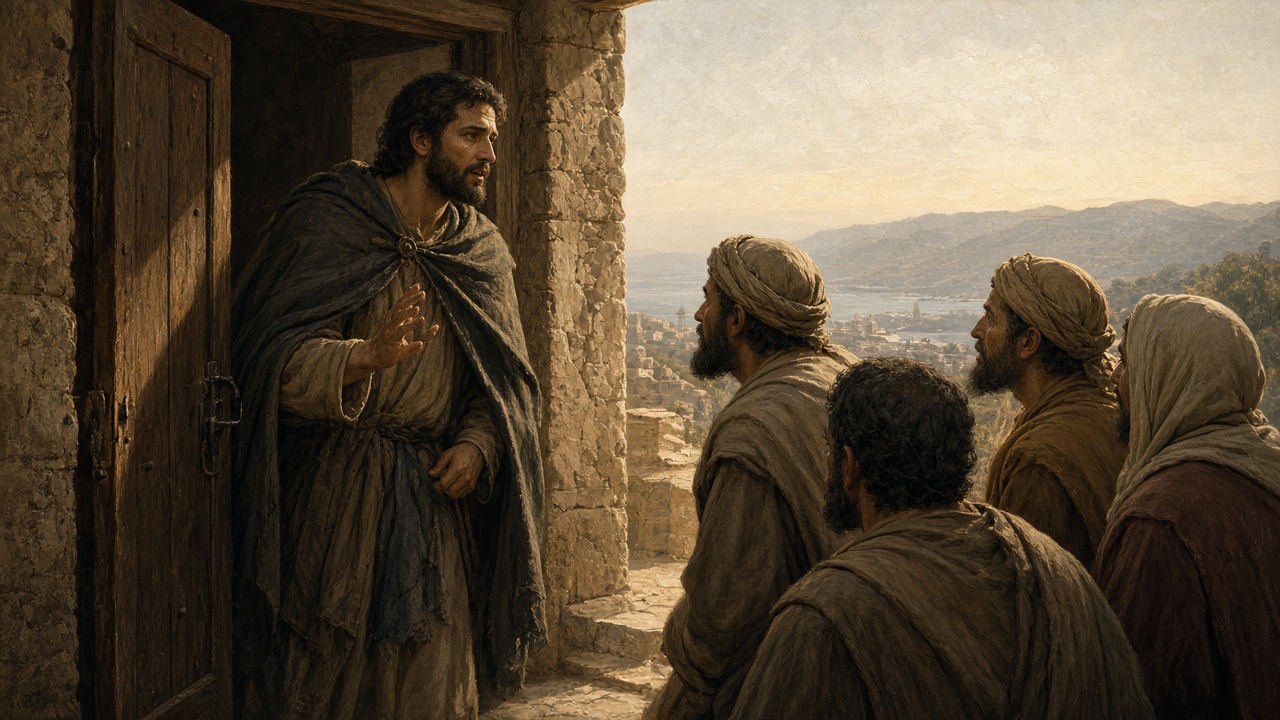
- The writer asks for prayer to proclaim the gospel fearlessly as an ambassador in chains, and sends Tychicus, the beloved brother and faithful servant in the Lord, to tell the readers how he is and to encourage them. Tychicus is described as an Asiatic Christian who, with Trophimus, accompanied Paul on part of the journey from Macedonia to Jerusalem and was with Paul at Rome, from where he was sent to Ephesus, probably to build up and encourage the church.Sources: the Bible text itself · Tychicus
Notes written with AI assistance from open sources (Theographic Bible Metadata, CC BY-SA 4.0; Easton’s Bible Dictionary, public domain) and reviewed before publishing.
Credits and license for this translation
Chaʼ suʼwe nu nchkwiʼ chaʼ ʼin Jesucristo nu nka xʼnaan
New Testament in Chatino, Western Highland (MX:ctp:Chatino, Western Highland)
copyright © 1992 Wycliffe Bible Translators, Inc.
Language: Chatino, Western Highland
Translation by: Wycliffe Bible Translators, Inc.
Chatino, Zona Alta Occidental [ctp], Mexico
Copyright Information
© 1992, Wycliffe Bible Translators, Inc.
This translation text is made available to you under the
terms of the Creative Commons License: Attribution-Noncommercial-No Derivative Works.
( http://creativecommons.org/licenses/by-nc-nd/3.0/ )
In addition, you have permission to port the text to different file formats, as long as you
do not change any of the text or punctuation of the Bible.
You may share, copy, distribute, transmit, and extract portions
or quotations from this work, provided that you include the above copyright
information:
You must give Attribution to the work.
You do not sell this work for a profit.
You do not make any derivative works that change any of the actual words or punctuation of the Scriptures.
Permissions beyond the scope of this license may be
available if you contact
us with your request.
The New Testament
in Chatino, Western Highland
© 1992, Wycliffe Bible Translators, Inc.
This translation is made available to you under the terms of the
Creative Commons Attribution-Noncommercial-No Derivatives license 4.0.
You may share and redistribute this Bible translation or extracts from it in any format, provided that:
You include the above copyright and source information.
You do not sell this work for a profit.
You do not change any of the words or punctuation of the Scriptures.
Pictures included with Scriptures and other documents on this site are licensed just for use with those Scriptures and documents.
For other uses, please contact the respective copyright owners.
2014-04-22
Source: http://ebible.org/ctpNT/ · eBible.org