2 Corinthians 7
Chaʼ suʼwe nu nchkwiʼ chaʼ ʼin Jesucristo nu nka xʼnaan · Tap a verse to see its cross-references.
1ꞌWan taꞌaan, nu suꞌwe ꞌa nka tiyeěn ñaꞌaǎn ꞌwan, kanꞌ lka ska chaꞌ nu wa mskanꞌ Ndiose loꞌoan, chaꞌ ka ꞌñaan chunꞌ ndiꞌin la. Kanꞌ chaꞌ sikwa, ndiꞌin chaꞌ kulaa yaanꞌ nchga chaꞌ kuxi chaꞌ ja ka ñuꞌun kasiya ꞌñaan, ja ka ñuꞌun tyukwi ñaꞌaan. Kwiꞌ ngwañaꞌan, lye ꞌa kuꞌnian tñan chaꞌ kaan nten ꞌin Ndiose; nchga tñan nu kuꞌnian lo chalyuu, kuꞌnian ꞌin ran ñaꞌan tiꞌ si wa nduun Ndiose ñaꞌan kwiꞌya Ni ꞌñaan.
Ngulaa yaꞌ neꞌ Corinto chaꞌ kuxi nu yꞌni neꞌ
2¡Kuꞌni xuꞌwe tiye wan ñaꞌan wan ꞌwa sikwa! Ja ska chaꞌ kuxi yꞌni ba loꞌo wan, ja yꞌni ñuꞌun ba chalyuu ꞌin ska wan siyaꞌ ti; ni ska yu taꞌa wan, ja siyaꞌ mñi lyoꞌo ba ꞌwan. 3Ja nchka tiǎnꞌ xtyaǎn kiꞌya ꞌwan. Nde lka chaꞌ nu nchka tiǎnꞌ chkwiǐnꞌ loꞌo wan, sa ñaꞌan nu ykwiǐnꞌ loꞌo wan nu ngwa xkanꞌ, chaꞌ nchga bra suꞌwe ꞌa nsuꞌwi tiyeěn ñaꞌaǎn ꞌwan; ni siya kajaan, ni siya ti xꞌni la xuꞌwian chalyuu. 4Suꞌwe ꞌa nka tiyeěn xa nu ndyuꞌwi tiǎnꞌ ꞌwan, kwiꞌ ngwañaꞌan nka tiyeěn bra nu nchkwiǐnꞌ chaꞌ ꞌwan loꞌo xka ta nten. Ñaꞌan ti ngula tiꞌ kasiya ꞌñaǎn, ñaꞌan ti suꞌwe nka tiyeěn seꞌen ndiꞌiǐn, ni siya ndijin ba nchga nu tiꞌí kanꞌ.
5Ti bra nu ngala ba lo yuu ꞌin Macedonia ni, ja mjwi bra chaꞌ xitñaꞌ ba siyaꞌ ti, chaꞌ ti ndyuwa seꞌen tukwi ꞌa tñan nu ndyukwa ba. Nchga seꞌen mdaꞌan ba lye ꞌa msuun neꞌ loꞌo ba, kwiꞌ ngwañaꞌan ytsen ꞌa kasiya ꞌwa. 6Loꞌo Ndiose ni, lye la ndayaꞌ Ni ꞌin nten nu xiꞌin tiꞌ ndiꞌin; kanꞌ chaꞌ xka jwersa mda Ni ꞌwa chaꞌ ka ngula la tiꞌ kasiya ꞌwa, chunꞌ ngala Tito nde re. 7Loꞌo ngwañaꞌan, suꞌwe ꞌa ykwiꞌ yu loꞌo ba chaꞌ ꞌin tñan nu ngiꞌni wan; ndukwin yu chaꞌ nchka ꞌa tiꞌ wan ñaꞌan tloo wan ꞌwa xiyaꞌ, kwiꞌ ndukwin yu chaꞌ njyuꞌu ꞌa tiꞌ wan ndiꞌin wan siꞌya chaꞌ kuxi nu yꞌni wan ti sꞌni kanꞌ; ndukwin yu chaꞌ ja ndiya tiꞌ wan chaꞌ kuxi nu ykwiꞌ neꞌ ꞌñaǎn bra kanꞌ. Chunꞌ nchga chaꞌ kanꞌ, suꞌwe la nka tiyeěn seꞌen ndiꞌiǐn ni.
8Chañi chaꞌ nduwe tiǎnꞌ chaꞌ ngwa xiꞌin tiꞌ wan la chinꞌ, chunꞌ kityi nu msuꞌwaǎn ti bra kanꞌ, ni siya ja njyuꞌu ꞌa tiǎnꞌ; ja tyaꞌan chuǔnꞌ ꞌin chaꞌ nu ngwaꞌaǎn bra kanꞌ, ni siya ndiya tsan nu njyuꞌu tiǎnꞌ chaꞌ ngwaꞌaǎn chaꞌ kanꞌ. Jlyo tiǎnꞌ chaꞌ ngwa xiꞌin tiꞌ wan bra kanꞌ, ni siya xiꞌi ti mdalo chaꞌ xiꞌin kanꞌ. 9Loꞌo ni, suꞌwe ꞌa nka tiyeěn chaꞌ wa mdukwa wan chaꞌ kanꞌ, chaꞌ wa ngwa xiꞌin chinꞌ tiꞌ wan, chaꞌ bra kanꞌ ngulaa yaꞌ wan chaꞌ kuxi nu yꞌni wan bra kanꞌ. Chañi chaꞌ ngwa xiꞌin tiꞌ wan ti xiꞌi, ni siya Ndiose ngwa tiꞌ chaꞌ ka suꞌwe la chaꞌ ꞌwan xa wa mdyii chaꞌ, kanꞌ chaꞌ ja ngwa ñuꞌun ji tiye wan ni chunꞌ yꞌniǐn tláǎn ꞌwan bra kanꞌ. 10Xa nu nduwe tianꞌ ꞌin Ndiose chaꞌ nu xiꞌin tianꞌ ndiꞌian, bra kanꞌ kaja ñaꞌan kulo chuanꞌ chaꞌ kuxi nu ngiꞌnian; tyoꞌo laan ꞌin chaꞌ kuxi kanꞌ bra kanꞌ, ja nꞌni chaꞌ ti tyaꞌan chuanꞌ laan bra kanꞌ. Nten nu xiꞌin tiꞌ, nu ja nduwe tiꞌ ꞌin Ndiose ni, ja xlyaa nten kanꞌ chka jyuꞌu tiꞌ ꞌin kiꞌya nu ndukwi neꞌ; kanaꞌ chalyuu ꞌin neꞌ ngwañaꞌan ti bra kanꞌ. 11Kuwe chinꞌ tiꞌ wan sa ñaꞌan chaꞌ nchka ꞌwan ni, ti nu yꞌniǐn chaꞌ ngwa xiꞌin tiꞌ wan nu ngwa bra kanꞌ: tyukwi ti tiye wan ndaꞌan chaꞌ tiye wan ni, chaꞌ nchka ꞌa tiꞌ wan tyoꞌo luwi wan ꞌin chaꞌ kuxi kanꞌ; sa jluꞌwe msinꞌ tiꞌ wan, sa jluꞌwe ytsen wan, kwiꞌ ndyaa yuꞌwi ꞌa tiꞌ wan ꞌñaǎn bra kanꞌ, sa bra nu lye ꞌa ngwa tiꞌ wan ñaꞌan wan ꞌñaǎn ykwiǐnꞌ xiyaꞌ; bra ti ngwa tiꞌ wan ta wan nu tiꞌí ꞌin yu nu yꞌni chaꞌ kuxi kanꞌ. Ngwañaꞌan nchka biyaꞌ tiꞌ ba chaꞌ ja nganun yuweꞌ ꞌwan siꞌya chaꞌ kuxi kanꞌ. 12Kanꞌ chaꞌ ngwaꞌaǎn kityi kanꞌ; ja lye ꞌa mdaꞌan chaꞌ tiyeěn chaꞌ ꞌin yu nu yꞌni chaꞌ kuxi kanꞌ, ti kwiꞌ ti chaꞌ ja lye mdaꞌan chaꞌ tiyeěn siꞌya neꞌ nu ngwa kuxi ꞌin. Ngwa tiǎnꞌ chaꞌ kuwe suꞌwe tiꞌ wan ꞌin chaꞌ nu wa ykwiꞌ ba loꞌo wan, ñaꞌan tiꞌ si nduun Ndiose ñaꞌan kwiꞌya Ni ꞌñaan; kanꞌ chaꞌ ngwaꞌaǎn kityi kanꞌ nu ndyaa seꞌen ndiꞌin wan. 13Loꞌo ni, suꞌwe la nka tiye ba chaꞌ ꞌwan.
Suꞌwe ti nka tiye ykwiꞌ ba sikwa; kwiꞌ ngwañaꞌan, suꞌwe la nka tiye ba ni, chaꞌ wa naꞌan ba ꞌin Tito, chaꞌ suꞌwe ꞌa ngwa tiye yu. Taꞌa wan yꞌni wan chaꞌ tiin ti mdiꞌin kasiya ꞌin yu ngala yu ni. 14Xa nu ti mdiꞌin yu seꞌen ndiꞌiǐn, wa ytsaǎnꞌ ꞌin yu chaꞌ suꞌwe ꞌa msñi wan chaꞌ ꞌin Jesús, loꞌo ngwañaꞌan chañi ꞌa chaꞌ kanꞌ. Nchga yaꞌ nu ykwiꞌ ba loꞌo wan, chañi ꞌa ngwa chaꞌ ꞌin Jesús nu ykwiꞌ ba; kwiꞌ ngwañaꞌan, chañi ngwa chaꞌ nu ytsaǎnꞌ ꞌin Tito, chaꞌ suꞌwe nka tiye ykwiꞌ ba ñaꞌan ba ꞌwan. 15Loꞌo xka chaꞌ nu suꞌwe la ngwa tiye Tito ñaꞌan yu ꞌwan ni, ska chaꞌ nu ndyuꞌwi tiꞌ yu ꞌin taꞌa wan, chaꞌ naꞌan yu chaꞌ nduwe ꞌa tiꞌ wan nnan wan nchga chaꞌ nu ykwiꞌ yu loꞌo wan, loꞌo ngwañaꞌan ja mxkwen ꞌa wan xka la chaꞌ kuxi ꞌin yu bra kanꞌ. 16Kwiꞌ ngwañaꞌan loꞌoǔn, suꞌwe ꞌa nka tiyeěn ni, chaꞌ ndyuꞌwi tiǎnꞌ ꞌwan chaꞌ ngwañaꞌan ngiꞌni wan.
Did you know?
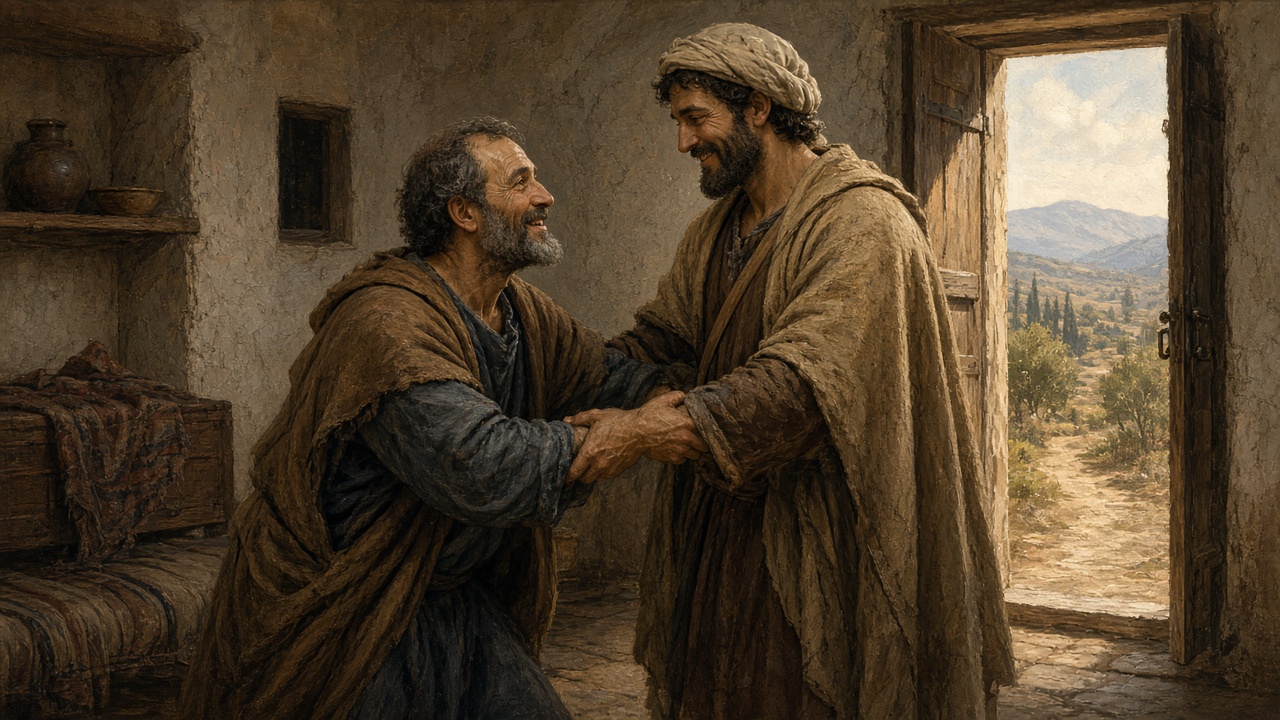
Comfort after a painful letter
- Macedonia, where Paul says he arrived with no rest in his body—conflicts outside and fears within—was a Roman province north of Greece. There, he writes, the God who comforts the downcast comforted him by the arrival of Titus.Sources: Macedonia · the Bible text itself
- Paul speaks of a letter that made them sorrowful, but only for a short time. He now rejoices not because they were sorrowful, but because that sorrow led them to repentance; he says they felt the sorrow God intended, were not harmed by him, and showed earnestness, zeal, and innocence in the matter.Sources: the Bible text itself
- A short account describes Titus as a companion of Paul, apparently a Gentile chiefly engaged in ministering to Gentiles. In this chapter Paul says Titus’s arrival comforted him, that Titus reported their longing, mourning, and zeal, and that they welcomed Titus with fear and trembling.Sources: Titus · the Bible text itself
Notes written with AI assistance from open sources (Theographic Bible Metadata, CC BY-SA 4.0; Easton’s Bible Dictionary, public domain) and reviewed before publishing.
Places in this chapter
- Macedonia · 41.600, 22.540 · verse 5
Only places identified with high confidence are shown (90% or more according to the scholarly sources compiled by OpenBible). Period map: DARE (Digital Atlas of the Roman Empire), CC BY 4.0; modern map: © OpenStreetMap contributors; places: OpenBible.info (CC BY 4.0).
Credits and license for this translation
Chaʼ suʼwe nu nchkwiʼ chaʼ ʼin Jesucristo nu nka xʼnaan
New Testament in Chatino, Western Highland (MX:ctp:Chatino, Western Highland)
copyright © 1992 Wycliffe Bible Translators, Inc.
Language: Chatino, Western Highland
Translation by: Wycliffe Bible Translators, Inc.
Chatino, Zona Alta Occidental [ctp], Mexico
Copyright Information
© 1992, Wycliffe Bible Translators, Inc.
This translation text is made available to you under the
terms of the Creative Commons License: Attribution-Noncommercial-No Derivative Works.
( http://creativecommons.org/licenses/by-nc-nd/3.0/ )
In addition, you have permission to port the text to different file formats, as long as you
do not change any of the text or punctuation of the Bible.
You may share, copy, distribute, transmit, and extract portions
or quotations from this work, provided that you include the above copyright
information:
You must give Attribution to the work.
You do not sell this work for a profit.
You do not make any derivative works that change any of the actual words or punctuation of the Scriptures.
Permissions beyond the scope of this license may be
available if you contact
us with your request.
The New Testament
in Chatino, Western Highland
© 1992, Wycliffe Bible Translators, Inc.
This translation is made available to you under the terms of the
Creative Commons Attribution-Noncommercial-No Derivatives license 4.0.
You may share and redistribute this Bible translation or extracts from it in any format, provided that:
You include the above copyright and source information.
You do not sell this work for a profit.
You do not change any of the words or punctuation of the Scriptures.
Pictures included with Scriptures and other documents on this site are licensed just for use with those Scriptures and documents.
For other uses, please contact the respective copyright owners.
2014-04-22
Source: http://ebible.org/ctpNT/ · eBible.org