Psalms 99
Thai Phum Holy Bible · Tap a verse to see its cross-references.
BAWIPA teh a thoung dawkvah pholen awh
Kasakkung: panuekhoeh
1BAWIPA ni a uk, tami pueng pâyaw naseh.
Ama teh cherubim rahak ao.
Talai kâhuen naseh.
2BAWIPA teh Zion vah a lentoe teh,
tami pueng hlak tawm lah ao.
3Ka lentoe e hoi takikatho e na min hah,
pholen awh naseh, ama teh a thoung.
4Siangpahrang thaonae ni hai kângingnae teh a pahren teh,
kânging e lawkcengnae hah a caksak.
Jakop koe lannae hoi kângingnae hah a kangdue sak.
5BAWIPA Cathut teh tawm awh nateh,
a khok koe bawk awh, ama teh a thoung.
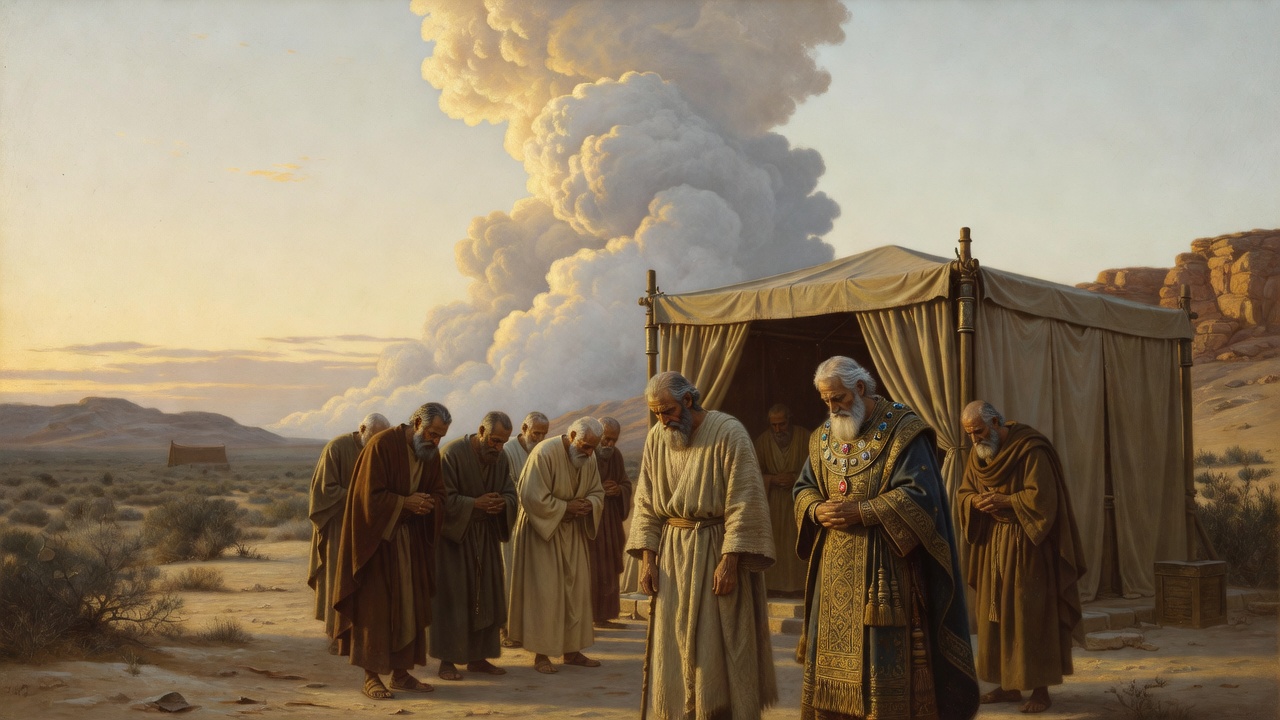
6Mosi hoi Aron teh a vaihmanaw thung e doeh.
Samuel teh a min kakawnaw thung e doeh.
Ahnimouh ni BAWIPA hah a kaw awh teh, ama ni a pato.
7Tâmai thung hoi ahnimouh koe lawk a dei teh,
ahnimouh koe a poe e lawkpanuesaknae hoi
a phunglam hah a tarawi.
8Oe, BAWIPA kaimae Cathut, nang ni na pato awh.
A sak awh e dawk moi na pathung nakunghai,
nang teh ahnimouh na ka ngaithoumkung lah na o.
9BAWIPA maimae Cathut teh tawmrasang awh nateh,
amon kathoung dawk ama teh bawk awh.
Bangkongtetpawiteh, BAWIPA maimae Cathut teh a thoung.
Did you know?
The Holy King and His Intercessors
- Psalm 99 is structured around a recurring threefold declaration of God's holiness (verses 3, 5, and 9). It depicts the Lord as a sovereign king enthroned above the cherubim, reigning with justice and equity from Mount Zion.Sources: the Bible text itself · Zion
- The psalm highlights Moses, Aaron, and Samuel as exemplary intercessors who called upon God and kept His statutes. It recalls how God answered their cries and communicated from the pillar of cloud, offering forgiveness while maintaining divine justice.Sources: the Bible text itself · Moses · Aaron · Samuel
Notes written with AI assistance from open sources (Theographic Bible Metadata, CC BY-SA 4.0; Easton’s Bible Dictionary, public domain) and reviewed before publishing.
Places in this chapter
Only places identified with high confidence are shown (90% or more according to the scholarly sources compiled by OpenBible). Period map: DARE (Digital Atlas of the Roman Empire), CC BY 4.0; modern map: © OpenStreetMap contributors; places: OpenBible.info (CC BY 4.0).
Credits and license for this translation
Thai Phum Holy Bible
The Holy Bible in the Thaiphum Chin language of Myanmar
Copyright © 2020 Batupuei Christian Fellowship
Language: Thai Phum (Chin, Thaiphum)
Translation by: Batupuei Christian Fellowship
copyright only valid in Myanmar; Public Domain elsewhere
This translation is made available to you under the terms of the
Creative Commons Attribution Share-Alike license 4.0.
You have permission to share and redistribute this Bible translation in any format and to make reasonable revisions and adaptations of this translation, provided that:
You include the above copyright and source information.
If you make any changes to the text, you must indicate that you did so in a way that makes it clear that the original licensor is not necessarily endorsing your changes.
If you redistribute this text, you must distribute your contributions under the same license as the original.
Pictures included with Scriptures and other documents on this site are licensed just for use with those Scriptures and documents.
For other uses, please contact the respective copyright owners.
Note that in addition to the rules above, revising and adapting God's Word involves a great responsibility to be true to God's Word. See Revelation 22:18-19.
2024-05-01
Source: http://ebible.org/cth/ · eBible.org