Leviticus 18
Thai Phum Holy Bible · Tap a verse to see its cross-references.
Kamsoumhoehe napui tongpa yon cakânae
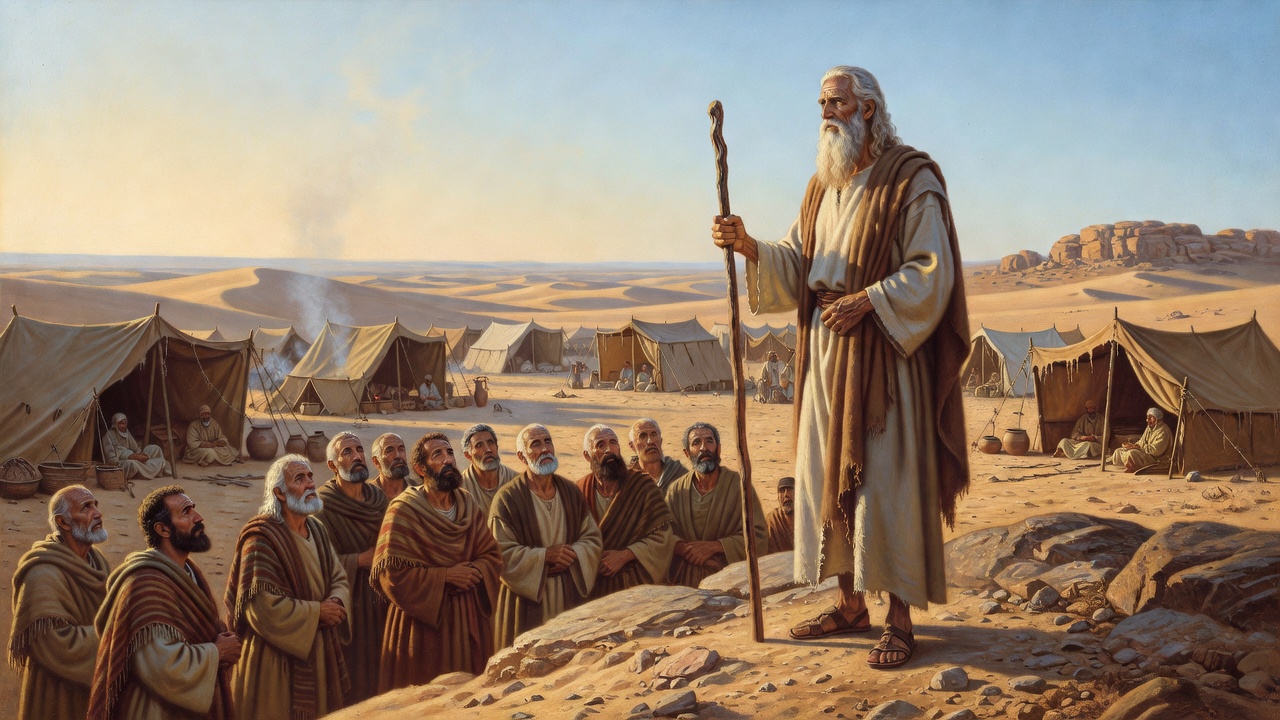
1BAWIPA ni Mosi koe, 2nang ni patuen na dei pouh hane teh, Kai teh nangmae BAWIPA Cathut lah ka o. 3Nangmouh ni ouk na onae Izip ram e nuencang thoseh, nangmouh na kâen khai nahane ram Kanaan ram e a nuencang thoseh, nangmouh ni na tarawi awh mahoeh. Ahnimae lamthung hai na dawn awh mahoeh. 4Kai ni kâ na poe e patetlah na tarawi awh vaiteh, Kaie ka phunglam dawk na hring awh han. Kai teh nangmae Cathut Jehovah lah ka o.
5Hatdawkvah, Kaie ka phunglamnaw hah tarawi awh. Hote phung ka tarawi e tami teh hote phung lahoi a hring han. Kai teh BAWIPA doeh.
6Nangmouh thung dawk apihai ama hoi kâhnai e tami yonkhai mahoeh. Kai teh BAWIPA doeh. 7Nange na pa hoi kâkuen e na manu na ipkhai mahoeh. Na manu lah ao dawkvah na yonkhai mahoeh. 8Na pa e yu koe na hnai mahoeh. Na pa hoi kâkuen e lah ao. 9Im touh dawk rei khe e thoseh, alouke kho dawk khe e thoseh, na tawncanu na ipkhai mahoeh. 10Na minca na ipkhai mahoeh. 11Manu Alouklouk ei teh, na pa buet touh e na tawncanu na ipkhai mahoeh. 12Na mani thoseh, 13na manta thoseh, 14na pa e hmaunawngha hoi kâkuen e a yuca hai thoseh, 15na capa e a yu, na langa hai thoseh, 16hmaunawngha hoi dueng kâkuen e na hmaunawngha e a yu hai thoseh, na ipkhai mahoeh. 17Na yu hoi kâhnai lah kaawm e na yu e canu, na yu e minca na ipkhai mahoeh. Hot patet hateh, kahawihoehe hno doeh. 18Na yu a hring navah, runae na poe hoeh nahanlah a nawngha na lat mahoeh. 19Na yu a kampheng lahun nah na ipkhai mahoeh.
20Ayâ yu na yonkhai mahoeh. Ayâ yu yonkhainae teh mahoima kâkhinsaknae doeh. 21Na canaw hah Molek koe thuengnae lah na sak mahoeh. Na Cathut e min na pathoe mahoeh. Kai teh BAWIPA doeh. 22Napui hoi rei na i e patetlah tongpa hoi rei na ip mahoeh. 23Panuetkatho e hno doeh. Ma kâkhinsaknae doeh. Saring na ka ipkhai mahoeh. Napui hai thoseh, saring hoi na ip sak mahoeh. Panuetkatho e lah ao.
24Hot patet e hno hoi namamouh hoi namamouh na kâkhinsak awh mahoeh. Bangkongtetpawiteh, hete hno a sak awh kecu dawk, nangmae hmalah ka takhoe e miphunnaw ni hottelah a sak awh teh a khin awh toe. 25Ahnimae ram hai a khin. A khin kecu dawk Kai ni ka toun awh teh hote ram ni amae canaw a palo awh han. 26Nangmouh teh Kai ni ka dei e phunglamnaw hah na tarawi awh han. 27Hote ram ni hmaloe kaawm e miphunnaw a palo e patetlah bout na khin awh vaiteh, na palo awh hoeh nahanlah ram thung e tami thoseh, nangmouh koe kho ka sak e alouke miphunnaw thoseh, hot patet e panuettho e na sak awh mahoeh. 28Hot patet e hno panuettho e saknae lahoi ahnimae ram teh a khin toe.
29Hot patet e hno panuettho e ka sak e tami teh a miphun dawk hoi takhoe lah ao han. 30Hatdawkvah, hmaloe a sak a e panuettho e singyoe, nangmouh ni dawn laihoi na kâkhinsak awh hoeh nahanelah, kâlawk tarawi awh. Kai teh nangmae BAWIPA Cathut doeh telah ati.
Did you know?
Holiness and Moral Standards
- Leviticus 18 introduces its moral and family regulations by instructing the Israelites not to adopt the customs of Egypt, where they had previously lived, nor those of Canaan, the land they were about to enter.Sources: the Bible text itself · Canaan · Egypt
- The chapter explicitly forbids offering children to Molech, the national deity of the Ammonites whose rites included sacrifices by fire, declaring that such acts profane the name of God.Sources: the Bible text itself · Molech
- The passage uses striking figurative language, warning that corrupt practices defile the land itself and that the land will vomit out anyone who violates these statutes, just as it expelled prior inhabitants.Sources: the Bible text itself
Notes written with AI assistance from open sources (Theographic Bible Metadata, CC BY-SA 4.0; Easton’s Bible Dictionary, public domain) and reviewed before publishing.
Places in this chapter
Only places identified with high confidence are shown (90% or more according to the scholarly sources compiled by OpenBible). Period map: DARE (Digital Atlas of the Roman Empire), CC BY 4.0; modern map: © OpenStreetMap contributors; places: OpenBible.info (CC BY 4.0).
Credits and license for this translation
Thai Phum Holy Bible
The Holy Bible in the Thaiphum Chin language of Myanmar
Copyright © 2020 Batupuei Christian Fellowship
Language: Thai Phum (Chin, Thaiphum)
Translation by: Batupuei Christian Fellowship
copyright only valid in Myanmar; Public Domain elsewhere
This translation is made available to you under the terms of the
Creative Commons Attribution Share-Alike license 4.0.
You have permission to share and redistribute this Bible translation in any format and to make reasonable revisions and adaptations of this translation, provided that:
You include the above copyright and source information.
If you make any changes to the text, you must indicate that you did so in a way that makes it clear that the original licensor is not necessarily endorsing your changes.
If you redistribute this text, you must distribute your contributions under the same license as the original.
Pictures included with Scriptures and other documents on this site are licensed just for use with those Scriptures and documents.
For other uses, please contact the respective copyright owners.
Note that in addition to the rules above, revising and adapting God's Word involves a great responsibility to be true to God's Word. See Revelation 22:18-19.
2024-05-01
Source: http://ebible.org/cth/ · eBible.org