Deuteronomy 19
Thai Phum Holy Bible · Tap a verse to see its cross-references.
Kânguenae kho hoi kâkuen e kâlawk
1Na BAWIPA Cathut ni na poe e ram dawk kaawm e miphunnaw hah, na BAWIPA Cathut ni a pahma teh, ahnimae kho, ahnimae im dawk na o toteh, 2BAWIPA Cathut ni na poe e hote ram thung kaawm e khopui kathum touh na hmoun han. 3Tami ka thet payon e pueng hote khopui dawk a yawng thai awh nahan, na BAWIPA Cathut ni nama hanlah na poe e ram hah, kathum touh lah na kapek vaiteh, lamthung hai koung na rasoun han.
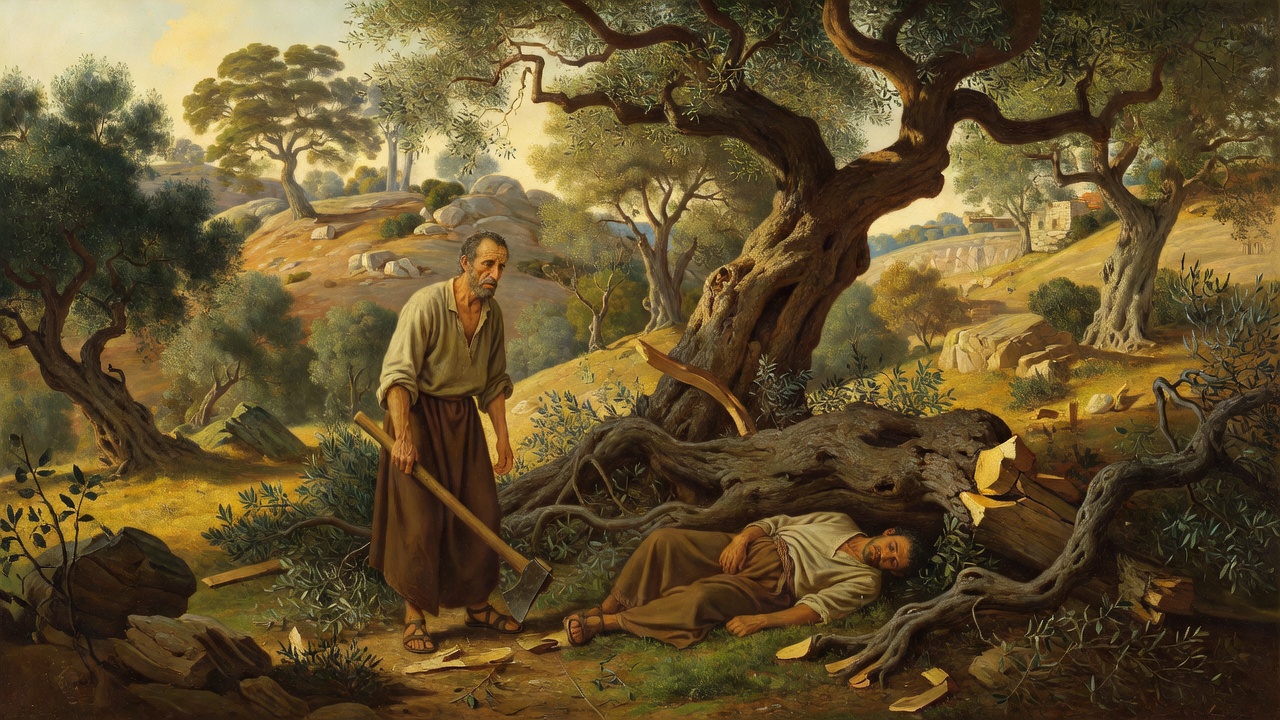
4Tami ka thet payon e ni a hring hlout nahanelah, hote kho dawk a yawng nahane hateh hettelah doeh. 5Thing tâtueng hanelah a hui hoi kahrawng reirei a cei roi teh thing a tâtueng roi navah, cakâ pawk a kârakhing teh a hui a cusin teh a due dawkvah, tami ka thet hoi a kâvan. Hatei, hmuhmanae awm laipalah, a hui hah pouk laipalah a thei payon dawkvah, hote kho buetbuet touh dawk a yawng vaiteh, a hringnae a hlout han. 6Hottelah hoehpawiteh, moipathung han ka ngai e ni hote tami hah pâlei vaiteh, lamhla dawkvah rekpatawt vaiteh a thei payon han doeh. Hottelah thei kawi nahoeh. Bangkongtetpawiteh, ahni ni a hui hah hmuhmanae a tawn hoeh dawkvah, thei hane kawi lah kamcu mahoeh. 7Hatdawkvah, kho kathum touh na hmoun han telah kâ a poe. 8Sahnin kai ni lawk na thui awh e hete kâpoelawknaw hah na tarawi awh teh, BAWIPA Cathut lungpatawnae lahoi a lamthung dawk pou na dawn awh pawiteh, 9na BAWIPA Cathut ni na mintoenaw koe poe hanelah lawk a kam e ram kaawm e pueng hah na poe vaiteh, na mintoenaw koe lawk a kam e patetlah na ram hah kaw sak pawiteh, 10na BAWIPA Cathut ni nama hanlah na poe e ram dawkvah, kadout kawi hoeh e ni a due teh, tami thei yonnae na kut dawk a pha hoeh nahanelah, ka dei tangcoung e khopui kathum touh hloilah, alouke khopui kathum touh bout na hmoun han. 11Hatei, a hui hah a hmuhma teh, thei hanelah a pahluem teh a thei dawkvah, hote khopui dawk ka yawng ni teh hawvah ka phat nakunghai, 12kacuenaw ni tami a patoun awh vaiteh, hote tami hah bout a hrawi awh vaiteh, moi ka pathung hane kut dawk a poe awh han. 13Ahnimouh na lungma mahoeh. Na hlout nahanelah, tami thei yonnae hah Isarelnaw koehoi na takhoe han.
Khori tahruet hanh
14Na BAWIPA Cathut ni nama hanlah na poe e ram dawk, râw lah na coe e talai dawkvah, ayan mintoenaw ni a ung tangcoung e na imri e lawrilung hah tahruet hanh.
Kapanuekkhaikung hoi kâkuen e kâlawk
15Tami ni a sakpayon e yon hah lawkceng torei teh, kapanuekkhaikung buet touh dueng pawiteh hote lawk teh cak mahoeh. Kapanuekkhaikung kahni kathum touh awm pawiteh, hote e lawk pueng teh a cak han. 16Kahmanhoeh e kapanuekkhaikung buet touh ni, ayânaw koelah kahmanhoeh e kapanuekkhaikung lah kangdout pawiteh, 17ka kâtoe roi e roi teh BAWIPA hmalah thoseh, hatnae tueng dawk vaihma, lawkcengkungnaw hmalah thoseh a tho awh teh, 18lawkcengkungnaw ni kamcengcalah a pacei navah, hote kapanuekkhaikung ni a hui koe lahoi, kahmanhoeh lah kampangkhai pawiteh, 19a hui koe ka sak han telah a pouk e patetlah ahni dawk na sak han. Nangmouh koehoi yonnae hah hottelahoi na takhoe awh han. 20Alouknaw ni hai hote kamthang hah thai awh vaiteh, hot patet e yon hah bout sak laipalah ao awh han. 21Na lungma mahoeh. Hringnae hanelah hringnae, mit hanelah mit, hâ hanelah hâ, kut hanelah kut, khok hanelah khok na pathung awh han.
Did you know?
Cities of Refuge, Boundaries, and Fair Justice
- The law commanded Israel to set aside three cities of refuge and build clear roads to them across three regions of the land. These designated cities allowed someone who accidentally killed a neighbor, such as by an axe head slipping off its handle, to safely escape an avenger of blood before being overtaken.Sources: the Bible text itself
- Moving an ancestral boundary stone or marker was strictly forbidden. These markers defined land inheritances assigned to families, and shifting them was considered an unjust seizure of a neighbor's property.Sources: the Bible text itself
- To prevent false convictions, a single witness was never sufficient to convict someone of a crime; at least two or three witnesses were required. If an investigation by priests and judges proved a witness had lied maliciously, the false accuser received the exact penalty intended for the accused.Sources: the Bible text itself
Notes written with AI assistance from open sources (Theographic Bible Metadata, CC BY-SA 4.0; Easton’s Bible Dictionary, public domain) and reviewed before publishing.
Credits and license for this translation
Thai Phum Holy Bible
The Holy Bible in the Thaiphum Chin language of Myanmar
Copyright © 2020 Batupuei Christian Fellowship
Language: Thai Phum (Chin, Thaiphum)
Translation by: Batupuei Christian Fellowship
copyright only valid in Myanmar; Public Domain elsewhere
This translation is made available to you under the terms of the
Creative Commons Attribution Share-Alike license 4.0.
You have permission to share and redistribute this Bible translation in any format and to make reasonable revisions and adaptations of this translation, provided that:
You include the above copyright and source information.
If you make any changes to the text, you must indicate that you did so in a way that makes it clear that the original licensor is not necessarily endorsing your changes.
If you redistribute this text, you must distribute your contributions under the same license as the original.
Pictures included with Scriptures and other documents on this site are licensed just for use with those Scriptures and documents.
For other uses, please contact the respective copyright owners.
Note that in addition to the rules above, revising and adapting God's Word involves a great responsibility to be true to God's Word. See Revelation 22:18-19.
2024-05-01
Source: http://ebible.org/cth/ · eBible.org