Romans 16
Chaʼ tsoʼo nu nchcuiʼ jiʼi̱ Jesucristo nu xuʼna na · Tap a verse to see its cross-references.
Nchcuichaꞌ Pablo jiꞌi̱ tyu̱u̱ tyaꞌa ñati̱ jiꞌi̱ Cristo
1Loꞌo tyalaa maꞌ Febe slo ma̱, chcuiꞌ tsoꞌo ma̱ loꞌo maꞌ xquiꞌya ycuiꞌ nu Xuꞌna na, ñiꞌya̱ nu ngaꞌa̱ chaꞌ cuaꞌni ma̱, chaꞌ tyaꞌa ngusñi na chaꞌ jiꞌi̱ Cristo laca maꞌ biꞌ. Tyaꞌa na laca maꞌ Febe, ndyuꞌni maꞌ cña cuentya jiꞌi̱ taju ñati̱ jiꞌi̱ Cristo nu ndiꞌi̱ quichi̱ Cencrea. Ta ma̱ na nu lyiji jiꞌi̱ maꞌ cusuꞌ biꞌ, chaꞌ cua nguxtyucua tsa maꞌ jiꞌi̱ quiñaꞌa̱ tsa ñati̱ tya tsubiꞌ la; loꞌo juaꞌa̱ naꞌ, cua nguxtyucua tsa maꞌ jnaꞌ.
3Chcuichaꞌ ma̱ jiꞌi̱ Priscila loꞌo Aquila, tyaꞌa ndyuꞌni naꞌ cña jiꞌi̱ Jesucristo. 4Cua tsubiꞌ la hasta cua cajaa ti ycuiꞌ nguꞌ ngua cuentya jnaꞌ, chaꞌ nguaꞌni lyaá nguꞌ jnaꞌ loꞌo ntsuꞌu naꞌ sca su cuxi tsa. Loꞌo ycuiꞌ naꞌ ndya naꞌ xlyaꞌbe jiꞌi̱ nguꞌ biꞌ; juaꞌa̱ lcaa tyaꞌa nguꞌ xaꞌ tsuꞌ nu ntsuꞌu chaꞌ jiꞌi̱ loꞌo Cristo nde quichi̱ tyijyuꞌ la, juaꞌa̱ ntiꞌ nguꞌ, chaꞌ ta nguꞌ tsaa xlyaꞌbe jiꞌi̱ nguꞌ biꞌ. 5Cuati chcuichaꞌ ma̱ jiꞌi̱ lcaa ñati̱ jiꞌi̱ Cristo nu ndyuꞌu tiꞌi̱ ca toniꞌi̱ jiꞌi̱ nu Aquila biꞌ. Loꞌo juaꞌa̱ chcuichaꞌ ma̱ jiꞌi̱ Epeneto tyaꞌa tsoꞌo naꞌ, nguꞌ Asia nu clyo ngusñi chaꞌ jiꞌi̱ Cristo laca yu biꞌ. 6Juaꞌa̱ chcuichaꞌ ma̱ jiꞌi̱ María, chaꞌ nguaꞌni tsa maꞌ cña cuentya jiꞌi̱ ma̱. 7Loꞌo juaꞌa̱ chcuichaꞌ ma̱ jiꞌi̱ Andrónico loꞌo Junias tyaꞌa quichi̱ tyi naꞌ, tyaꞌa ngutuꞌu naꞌ niꞌi̱ chcua̱. Tyucuaa nguꞌ biꞌ laca nguꞌ ñati̱ nu cua nda Cristo jiꞌi̱ ndyaa, chaꞌ ta nguꞌ chaꞌ jiꞌi̱ ycuiꞌ Ndyosi loꞌo nguꞌ nu cua tyijyuꞌ la; nguula tsa cña nu nguaꞌni nguꞌ cuentya jiꞌi̱ nu Xuꞌna na. Pana yala la ngusñi nguꞌ biꞌ chaꞌ jiꞌi̱ Jesús, loꞌo liꞌ tiyaꞌ la ngusñi naꞌ chaꞌ biꞌ.
8Loꞌo juaꞌa̱ chcuichaꞌ ma̱ jiꞌi̱ lcaa nguꞌ tyaꞌa nscua xtañi nguꞌ lo quityi re: jiꞌi̱ Amplias, chaꞌ tyacaꞌa tsa yu ꞌna xquiꞌya ycuiꞌ nu Xuꞌna na; 9loꞌo juaꞌa̱ jiꞌi̱ Urbano, tyaꞌa ndyuꞌni naꞌ cña jiꞌi̱ Jesucristo; juaꞌa̱ jiꞌi̱ Estaquis, la cuiꞌ juaꞌa̱ tyacaꞌa tsa yu ꞌna; 10juaꞌa̱ jiꞌi̱ Apeles, chaꞌ cua jlo tiꞌ na chaꞌ ngusñi tsoꞌo yu chaꞌ jiꞌi̱ Cristo xquiꞌya lcaa cña nu ngua jiꞌi̱ yu cuentya jiꞌi̱ Cristo; juaꞌa̱ jiꞌi̱ lcaa nguꞌ tyaꞌa Aristóbulo; 11juaꞌa̱ jiꞌi̱ Herodión tyaꞌa quichi̱ tyi naꞌ; juaꞌa̱ jiꞌi̱ lcaa nguꞌ tyaꞌa Narciso nu jlya tiꞌ jiꞌi̱ ycuiꞌ nu Xuꞌna na; 12juaꞌa̱ jiꞌi̱ Trifena loꞌo Trifosa, nu ndyuꞌni tsa cña jiꞌi̱ ycuiꞌ nu Xuꞌna na; juaꞌa̱ jiꞌi̱ Pérsida tyaꞌa tsoꞌo naꞌ, chaꞌ quiñaꞌa̱ tsa cña tsoꞌo jiꞌi̱ ycuiꞌ nu Xuꞌna na nguaꞌni maꞌ biꞌ; 13loꞌo juaꞌa̱ chcuichaꞌ ma̱ jiꞌi̱ Rufo, sca ñati̱ jiꞌi̱ Cristo nu tsoꞌo tsa chaꞌ nchcuiꞌ nguꞌ jiꞌi̱; loꞌo juaꞌa̱ jiꞌi̱ xtyaꞌa̱ Rufo, nu ngunaꞌa̱si̱i̱ tsa jnaꞌ ñiꞌya̱ si laca maꞌ xtyaꞌa̱ naꞌ; 14loꞌo juaꞌa̱ jiꞌi̱ Asíncrito, jiꞌi̱ Flegonte, jiꞌi̱ Hermas, jiꞌi̱ Patrobas, jiꞌi̱ Hermes, loꞌo juaꞌa̱ jiꞌi̱ lcaa tyaꞌa ñati̱ jiꞌi̱ Cristo nu ndyuꞌu tiꞌi̱ ca slo nguꞌ biꞌ; 15loꞌo juaꞌa̱ chcuichaꞌ ma̱ jiꞌi̱ Filólogo, jiꞌi̱ Julia, jiꞌi̱ Nereo, jiꞌi̱ nu cunaꞌa̱ tyaꞌa ngula yu, jiꞌi̱ Olimpas; loꞌo juaꞌa̱ jiꞌi̱ lcaa tyaꞌa nguꞌ nu stuꞌba ntsuꞌu chaꞌ jiꞌi̱ nguꞌ loꞌo Cristo. Ntiꞌ naꞌ chaꞌ chcuichaꞌ ma̱ jiꞌi̱ lcaa ñati̱ biꞌ cuentya jnaꞌ.
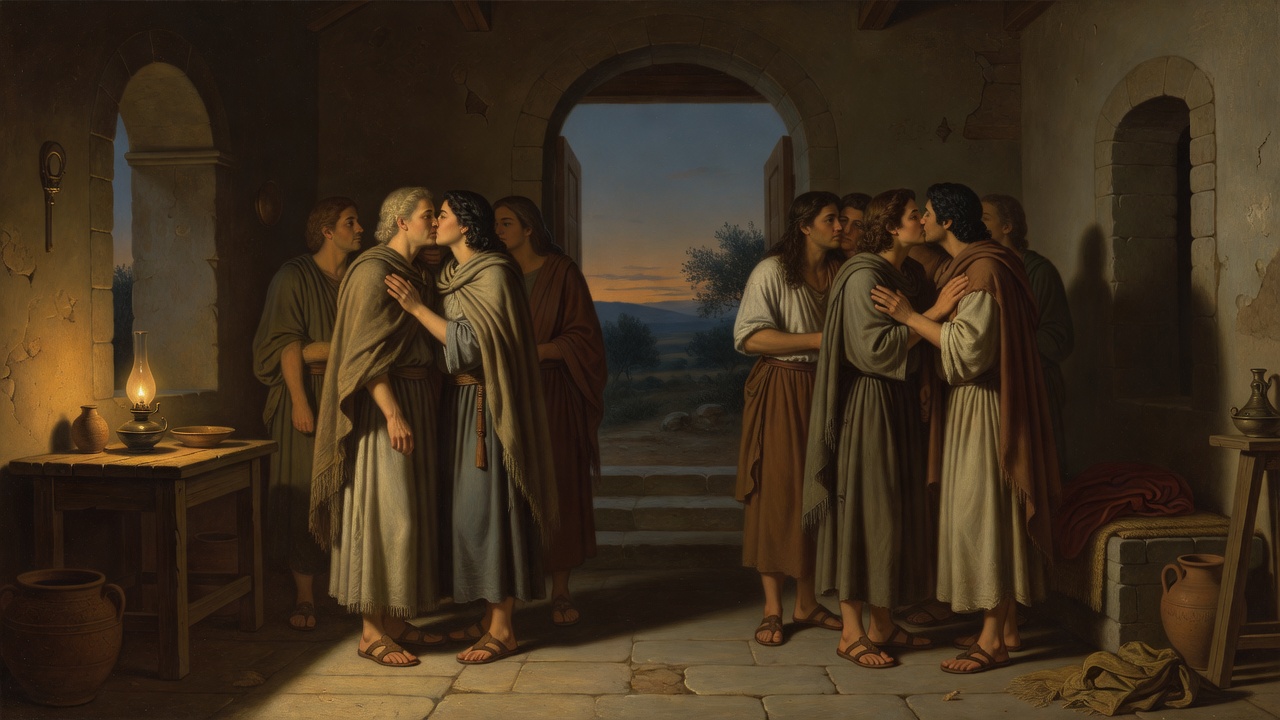
16Nu loꞌo chcuichaꞌ ma̱ jiꞌi̱ tyaꞌa ma̱, tyucui tyiquee ma̱ quityi ma̱ jiꞌi̱ tyaꞌa ma̱ chacuayáꞌ jiꞌi̱ Cristo. Lcaa taju ñati̱ nu ntsuꞌu chaꞌ jiꞌi̱ loꞌo Cristo ca nde, cua ntiꞌ nguꞌ chcuichaꞌ nguꞌ jiꞌi̱ ma̱.
17Cuꞌma̱ tyaꞌa ntsuꞌu chaꞌ jiꞌna loꞌo Cristo, lye chcuiꞌ naꞌ loꞌo ma̱ juani, chaꞌ tii ti tiꞌ tyiꞌi̱ ma̱ xi, chaꞌ ná tyuꞌu tucua ñati̱ nu ta chaꞌ cusu̱u̱ jiꞌi̱ ma̱ loꞌo tyaꞌa ma̱, chaꞌ ná tacu̱ꞌ loo nguꞌ biꞌ chaꞌ liñi jiꞌi̱ Cristo nu cua ndyuna ma̱. Ná xñi ma̱ chaꞌ jiꞌi̱ nguꞌ biꞌ, 18chaꞌ siꞌi cña jiꞌi̱ Cristo laca biꞌ, si xaꞌ la chaꞌ nchcuiꞌ nguꞌ loꞌo ma̱. Nduꞌni nguꞌ biꞌ lcaa chaꞌ cuxi nu nclyacua tiꞌ ycuiꞌ nguꞌ chaꞌ cuaꞌni nguꞌ. Loꞌo juaꞌa̱ ndyuꞌni nguꞌ chaꞌ quichi̱ yaa chaꞌ hique nguꞌ tiꞌi, chaꞌ tsoꞌo tsa ndañi chaꞌ nu nda nguꞌ, chaꞌ tajuaꞌ ti nchcuiꞌ nguꞌ. 19Pana nu cuꞌma̱ ni, tsoꞌo tsa nchcuiꞌ ñati̱ chaꞌ jiꞌi̱ ma̱ lcaa quichi̱, chaꞌ tsoꞌo tsa ndaquiyaꞌ ma̱ chaꞌ jiꞌi̱ Cristo. Tsoꞌo tsa ntiꞌ naꞌ ñaꞌa̱ naꞌ jiꞌi̱ ma̱ loꞌo nduna naꞌ chaꞌ biꞌ; cua ntiꞌ naꞌ chaꞌ yala ti tyatí̱ tiꞌ ma̱ chaꞌ cuaꞌni ma̱ cua ñaꞌa̱ ca chaꞌ tsoꞌo, chaꞌ ná tyatí̱ tiꞌ ma̱ tsiyaꞌ ti chaꞌ cuaꞌni ma̱ ni sca chaꞌ cuxi. 20Ná tyu̱u̱ tsa̱ lyiji chaꞌ cuaꞌni tye ycuiꞌ Ndyosi jiꞌi̱ nu xñaꞌa̱, chaꞌ ngaꞌaa tyaca̱ꞌ cña cuxi nu nduꞌni nu xñaꞌa̱ biꞌ tsiyaꞌ ti. Cuaꞌni Ni chaꞌ ti̱ ti tyiꞌi̱ tyiquee ma̱, ñiꞌya̱ ntsuꞌu tyiquee ycuiꞌ Ni; loꞌo juaꞌa̱ ñaꞌa̱ ti cuaꞌni Jesucristo nu Xuꞌna na chaꞌ tsoꞌo loꞌo lcaa tyaꞌa ma̱.
21Loꞌo Timoteo tyaꞌa ndyaꞌa̱ naꞌ cña, loꞌo Lucio, loꞌo Jasón, loꞌo Sosípater nguꞌ tyaꞌa quichi̱ tyi naꞌ, cua ntiꞌ nguꞌ chcuichaꞌ nguꞌ jiꞌi̱ ma̱.
22Cuati loꞌo naꞌ, scaranu jiꞌi̱ Pablo laca naꞌ loꞌo nscua ya quityi re, Tercio naa naꞌ; loꞌo naꞌ, ntiꞌ naꞌ chcuichaꞌ naꞌ jiꞌi̱ ma̱ chacuayáꞌ jiꞌi̱ ycuiꞌ nu Xuꞌna na.
23Loꞌo yu Gayo nda yu chaꞌ loꞌo naꞌ chaꞌ chcuichaꞌ naꞌ jiꞌi̱ ma̱; la cuiꞌ toꞌ tyi yu nda yu su tyiꞌi̱ naꞌ, juaꞌa̱ nda yu toniꞌi̱ jiꞌi̱ yu su tyuꞌu tiꞌi̱ ñaꞌa̱ taju ñati̱ nu ntsuꞌu chaꞌ jiꞌi̱ loꞌo Cristo re. Cuati loꞌo Erasto nu laca loo jiꞌi̱ cñi quichi̱ re, ntiꞌ yu chcuichaꞌ yu jiꞌi̱ ma̱; la cuiꞌ ti chaꞌ ntiꞌ Cuarto, yu tyaꞌa na.
24Biꞌ chaꞌ lacua, xtyucua ycuiꞌ Jesucristo nu Xuꞌna na jiꞌi̱ lcaa ma̱ loꞌo tyaꞌa ma̱, ñaꞌa̱ ti cuaꞌni Ni chaꞌ tsoꞌo loꞌo ma̱; juaꞌa̱ ntiꞌ na chaꞌ caca.
Ngusalyaꞌ Pablo loꞌo nguꞌ
25Cuaꞌni tlyu na jiꞌi̱ ycuiꞌ Ndyosi lacua. Taca jiꞌi̱ Ni ta Ni juersa jiꞌi̱ ma̱, chaꞌ tyiꞌi̱ ma̱ ñiꞌya̱ nu ngaꞌa̱ chaꞌ tyiꞌi̱ ti na chalyuu, si xñi tsoꞌo na chaꞌ jiꞌi̱ Jesús. Chaꞌ tsoꞌo jiꞌi̱ la cuiꞌ Jesucristo, biꞌ laca chaꞌ nu nda naꞌ loꞌo nguꞌ, masi tyu̱u̱ tsa siyento yija̱ ntsuꞌu cuatsiꞌ ti chaꞌ nu nchcuiꞌ ñiꞌya̱ nu cuaꞌni ycuiꞌ Ndyosi nde loo la; 26pana juani cua nguluꞌu tsoꞌo Ni chaꞌ biꞌ jiꞌna. Biꞌ chaꞌ ngaꞌa̱ chaꞌ cañi chaꞌ jiꞌi̱ Cristo tyucui ñaꞌa̱ lo yuu chalyuu su ndiꞌi̱ ñati̱ ñaꞌa̱ cuayáꞌ cuna lcaa nguꞌ xaꞌ tsuꞌ, chaꞌ taca xñi nguꞌ chaꞌ jiꞌi̱ sca ti ycuiꞌ Ndyosi, chaꞌ taquiyaꞌ nguꞌ jiꞌi̱ chaꞌ nu nchcuiꞌ Ni. La cuiꞌ chaꞌ biꞌ laca nu cua nscua lo quityi jiꞌi̱ ycuiꞌ Ndyosi, nu nguscua jyoꞌo cusuꞌ ñiꞌya̱ caca chaꞌ nde loo la. Ngua tiꞌ ycuiꞌ Ndyosi chaꞌ caca chaꞌ biꞌ, biꞌ chaꞌ juaꞌa̱ ndyaca juani; ycuiꞌ Ndyosi laca nu ná ngaꞌa̱ chaꞌ tye chalyuu jiꞌi̱ Ni tsiyaꞌ ti.
27Sca ti ycuiꞌ Ndyosi jlo tiꞌ lcaa chaꞌ, biꞌ chaꞌ lcaa tyempo ná ngaꞌa̱ chaꞌ tye chaꞌ cuaꞌni tlyu na jiꞌi̱ ycuiꞌ Ni chacuayáꞌ jiꞌi̱ Jesucristo. Juaꞌa̱ ntiꞌ na chaꞌ caca tuꞌni.
Did you know?
Greetings to the church in Rome
- Paul commends Phoebe, a servant of the church in Cenchrea, and asks the recipients in Rome to welcome her and help her with whatever she needs, because she has been a great help to many people, including him. Cenchrea was the eastern harbor of Corinth, about nine miles east of the city and the outlet for its trade with the Asiatic shores of the Mediterranean; Easton's Bible Dictionary (1897) says she was probably the bearer of this letter.Sources: the Bible text itself · Phebe · Cenchreae
- Paul greets Prisca and Aquila, his fellow workers in Christ Jesus, who risked their lives for him, and also the church that meets in their house; he says that not only he but all the churches of the Gentiles are grateful to them. Easton's Bible Dictionary (1897) calls her Priscilla and describes Aquila as a tent-maker from Pontus who, with his wife, left Rome because of a decree of Claudius in A.D. 50 commanding all Jews to leave the city; her name sometimes comes before his, as it does here.Sources: the Bible text itself · Priscilla · Aquila
- Near the close, Tertius, who wrote the letter down, adds his own greeting. Gaius, who has hosted Paul and all the church, also sends greetings, as do Erastus, the city treasurer, and Quartus.Sources: the Bible text itself
Notes written with AI assistance from open sources (Theographic Bible Metadata, CC BY-SA 4.0; Easton’s Bible Dictionary, public domain) and reviewed before publishing.
Places in this chapter
Only places identified with high confidence are shown (90% or more according to the scholarly sources compiled by OpenBible). Period map: DARE (Digital Atlas of the Roman Empire), CC BY 4.0; modern map: © OpenStreetMap contributors; places: OpenBible.info (CC BY 4.0).
Credits and license for this translation
Chaʼ tsoʼo nu nchcuiʼ jiʼi̱ Jesucristo nu xuʼna na
New Testament in Chatino, Tataltepec (MX:cta:Chatino, Tataltepec)
copyright © 1981 Wycliffe Bible Translators, Inc.
Language: Chatino, Tataltepec
Translation by: Wycliffe Bible Translators, Inc.
Chatino, Tataltepec [cta], Mexico
Copyright Information
© 1981, Wycliffe Bible Translators, Inc.
This translation text is made available to you under the
terms of the Creative Commons License: Attribution-Noncommercial-No Derivative Works.
( http://creativecommons.org/licenses/by-nc-nd/3.0/ )
In addition, you have permission to port the text to different file formats, as long as you
do not change any of the text or punctuation of the Bible.
You may share, copy, distribute, transmit, and extract portions
or quotations from this work, provided that you include the above copyright
information:
You must give Attribution to the work.
You do not sell this work for a profit.
You do not make any derivative works that change any of the actual words or punctuation of the Scriptures.
Permissions beyond the scope of this license may be
available if you contact
us with your request.
The New Testament
in Chatino, Tataltepec
© 1981, Wycliffe Bible Translators, Inc.
This translation is made available to you under the terms of the
Creative Commons Attribution-Noncommercial-No Derivatives license 4.0.
You may share and redistribute this Bible translation or extracts from it in any format, provided that:
You include the above copyright and source information.
You do not sell this work for a profit.
You do not change any of the words or punctuation of the Scriptures.
Pictures included with Scriptures and other documents on this site are licensed just for use with those Scriptures and documents.
For other uses, please contact the respective copyright owners.
2014-04-22
Source: http://ebible.org/ctaNT/ · eBible.org