Romans 16
Jú¹ chú³² quioh²¹ Jesús tsá² lɨn³ Cristo · Tap a verse to see its cross-references.
Po¹ hnió³ hi³ zian² tsú² re² tɨn²
1Jáun² né³ reh², hen³ náh² re² tɨn² reh² dí² mɨ́¹ Febe tsá² zein²¹ jná¹³ lá², jan² tsá² má²ca³ma³cón³² tsá² ná¹lɨ́n³ cuáh³² já¹ juú² Cencrea. 2Hen³ náh² tsú² la³jmɨ́¹ lɨ́³ hi³ hen¹³ náh² Tɨ³² Juo¹³ dí², la³ cun³ qui³ ca³ta¹ dí² jmú¹³, tsá² má²láɨ³ dí² tsá² joh¹ Dió³²; hi³ ma³hon¹ náh² tiá³ tsú² lɨ³ua³ cáun² hi³ lɨ³ hniáuh³² ñí¹con² tsú², quí¹ hí³ bíh¹ má²ca³ma³cón³² juóun³² tsáu², hi³ hí¹ la³ tɨ³ jná¹³ siáh³ má²ca³ma³cáu³² tsú².
3Zéih³ tiá³ náh² mɨ́¹ Prisca jɨ³ ñú² Aquila: “Hia² náh²” hi³ ca³tɨn¹ jná¹³, tsá² má²ca³jmú¹³ jnoh¹ ta²¹ quiúnh¹ hi³ ca³tɨn¹ Cristo Jesús. 4Tsá² hí³ ca³tiánh³ hmóu³² ñí¹ háɨnh¹³ cun³ñí¹ hi³ liáu³² tsú² jná¹³, hi³ jáun² cue² jná¹³ tsú² tiá¹hmah¹, tɨ³la³ jun³juáh¹³ jmáh³la³ huen² jná¹³ yáh³, quí¹ ja³bí¹ la³jɨ́n³² tsá² lɨ́n³ cuáh³² ja¹ quioh²¹ *tsá²cá²jo²¹ yáh³ siáh³ cue³² tiá¹hmah¹ ñí¹con² tsú². 5Zéih³ náh² siáh³ tsá² reh² tsá² ngɨh³² hñú¹³ mɨ́¹ Prisca jɨ³ ñú² Aquila: “Hia² náh²” hi³ ca³tɨn¹ jná¹³. Ja³bí¹ zéih³ náh² siáh³ Epeneto, tsá² jlánh¹ re² juóh³² jnoh¹ quiúnh¹: “Hia² nú²” hi³ ca³tɨn¹ jná¹³; hí³ bíh¹ tín² ca³tanh² ta²¹ Cristo la³ñí¹ ja¹ tsá² hɨ́n¹³ tɨ³ Asia. 6Ja³bí¹ Má²réi³, tsá² jlánh¹ má²ca³jmú³ ta²¹ ja¹ quián¹³ hnoh² nɨ́², zéih³ náh² siáh³: “Hia² nú²” hi³ ca³tɨn¹ jná¹³. 7Zéih³ náh² siáh³: “Hia² náh²” Andrónico quionh³ Junias hi³ ca³tɨn¹ jná¹³. Tsá² hí³ bíh¹ tsá²co¹ jná¹³, tsá² ca³lɨ³tson³ quiúnh¹ jná¹³; hi³ hí¹ la³ tɨ³ tsá² ná¹lɨ́n³ *tɨ³² tsá² quian³² jë¹ Dió³² yáh³ jmu² quien² tsá² hí³. Tsá² hí³ bíh¹ tín² ca³tanh² ta²¹ Cristo la³ cónh³ bíh¹ jná¹³.
8Zéih³ siáh³: “Hia² nú²” Ampliato ca³tɨn¹ jná¹³, tsá² re² juóh³² jnoh¹ quiúnh¹ cun³ñí¹ hi³ ca³tɨn¹ Tɨ³² Juo¹³ dí². 9Zéih³ náh² Urbano: “Hia² nú²” hi³ ca³tɨn¹ jná¹³, tsá² jmu³² jnoh¹ ta²¹ cu³lɨ²¹ quiúnh¹ ñí¹con² Cristo Jesús; jɨ³ Estaquis tsá² hno³ lɨ́n³² jná¹³ zéih³ siáh³: “Hia² nú²”. 10Ja³bí¹ zéih³ náh² siáh³ Apeles: “Hia² nú²”, quí¹ hí³ bíh¹ jan² tsá² jlánh¹ má²ca³jmú³ lin¹ hi³ nio² cáun² tsɨ́³ ñí¹con² Cristo; jɨ³ ñí¹con² tsá² tionh² hñú¹³ Aristóbulo juah²¹ siáh³: “Hia² náh²”. 11Zéih³ siáh³: “Hia² nú²” Herodión tsá²co¹ jná¹³, jɨ³ tsá² tionh² hñú¹³ Narciso, tsá² ná¹tanh² hí³ ta²¹ Tɨ³² Juo¹³ dí². 12Ñí¹con² mɨ́¹ Trifena jɨ³ mɨ́¹ Trifosa juah²¹ siáh³: “Hia² náh²”, tsá² jlánh¹ ná¹jmu² hí³ tá¹³ Tɨ³² Juo¹³ dí²; ja³bí¹ juah²¹ náh² siáh³: “Hia² nú²” ñí¹con² mɨ́¹ Pérsida, tsá² jlánh¹ hno³ dí², jan² tsá² jlánh¹ má²ca³jmú³ tá¹³ Tɨ³² Juo¹³ dí². 13Zéih³ tiá³ Rufo: “Hia² nú²”, la³ má²quionh³ mí¹ziú¹³. Tsá² hí³ jlánh¹ lin¹ hi³ lɨ́n³ quian²¹ Tɨ³² Juo¹³ dí², jɨ³ mí¹ziú¹³ tsú² nɨ́² siáh³, tsá² má²ca³jmú³ hí³ ñí¹con² jná¹³ la³jmɨ́¹ lɨ́³ hi³ mí²zia³² jná¹³. 14Juah²¹ náh² siáh³: “Hia² nú²” hi³ ca³tɨn¹ jná¹³ ñí¹con² Asíncrito; Flegonte, Hermes, Patrobas, Hermas, jɨ³ la³ má²quionh³ tsá² reh² tionh² quionh³ tsú² nɨ́² siáh³. 15Cuen²¹ tiá³ náh² Dió³² Filólogo, mɨ́¹ Jú¹, Nereo, la³ má²quionh³ mɨ́¹ raɨnh²¹ tsú², Olimpas, jɨ³ la³ má²quionh³ la³jɨ́n³² tsá² má²joh¹ Dió³² tionh² nɨ́² quionh³ tsú² siáh³.
16Ren¹ náh² tsá²ján² tsá²ján² hi³ re² nio² honh² náh², la³ cun³ qui³ ráɨn³² tsú² jan² raɨnh²¹. La³jɨ́n³² tsá² lɨ́n³ cuáh³² quioh²¹ Cristo tɨ³ lá² juáh³: “Hia² náh²”.
17Hnoh² reh², hlɨ́¹ lieh¹ jná¹³ hnoh² hi³ jmúh¹³ náh² hua³hín¹³ ca³tɨn¹ tsá² hnió³ jmu³ ná¹tsoh³ tsá² lɨ́n³ cuáh³², tsá² jmu² hí³ hi³ hliáh¹³ tsɨ́³ tsáu²; quí¹ tsá² hí³ hɨe³² la³ siáh³ bíh¹ la³ cónh³ bíh¹ zión³² hi³ má²ca³lɨ³ tɨn² náh² jáun², ha³ lɨ́² juónh³² náh² re² quiúnh¹ tsá² la³ hí³. 18Quí¹ tiá² má²cón³² yáh³ tsá² la³ hí³ Jesucristo Tɨ³² Juo¹³ dí², tɨ³la³ ngú³ quioh²¹ hmóu³² bíh¹ tsú² má²cón³²; tsá² la³ hí³ má²can² tsá² tiá² hó¹ tiá² zɨ́h¹ cun³quionh³ jú¹ re² jú¹ tɨn², jɨ³ jú¹ tɨ́¹jáɨ². 19La³jɨ́n³² tsáu² ná¹ñi³² hi³ hnoh² bíh¹ tsá² jlánh¹ re² ná¹ma³tih²¹, hi³ jáun² bí¹ jlánh¹ lɨ́²hiún² tsɨn³² jná¹³; cun³ñí¹ hi³ jáun² né³ hnó³² jná¹³ hi³ lɨ́n¹³ náh² tsá² má²ca³hia³ ca³táunh³ ca³tɨ²¹ hi³ chu²¹, tɨ³la³ jun³juáh¹³ ca³tɨ²¹ hi³ hlah³ yáh³. 20Cu³diá²jan² bíh¹ jmu³ Dió³² Tsá² cha³² tie³ tsɨ́³ dí² hi³ jñáh³ tsá² hláɨnh¹ ñeh² tanh¹ hnoh². Hi³ jáun² cuɨ́¹ má¹hé¹ má¹mieh² náh² Jesucristo Tɨ³² Juo¹³ dí².
21Jáun² né³, Timoteo, tsá² jmu² jná¹³ ta²¹ quiúnh¹, jɨ³ Lucio, Jasón jɨ³ Sosípater tsá²co¹ jná¹³ ná¹juáh²³: “Hia² náh²” ñí¹con² hnoh².
22Jná¹³ la³² Tercio, tsá² cuá¹jmu² ná¹ sí² lá² héih³² quioh²¹ Po¹, ja³bí¹ jná¹³ juanh³²: “Hia² náh²”, cun³ñí¹ hi³ ca³tɨn¹ Tɨ³² Juo¹³ dí².
23Ja³bí¹ Gayo, tsá² hñú¹³ ñí¹ cuon¹ jná¹³ lá² juáh³ siáh³: “Hia² náh²”, tsá² cue³² hñú³ lá² hi³ ngɨh¹³ tsá² ná¹lɨ́n³ cuáh³². Ja³bí¹ Erasto, tsá² ho² ta²¹ ca³tɨ²¹ ta²¹ juú² quioh²¹ juú² lá² juáh³ siáh³ ñí¹con² hnoh²: “Hia² hnoh²”, jɨ³ la³ má²quionh³ reh² dí² Cuarto nɨ́² siáh³. 24[¡Cuɨ́¹ má¹hé¹ má¹mieh² bíh¹ Jesucristo Tɨ³² Juo¹³ dí² la³jɨ́n³² hnoh²! Tson² bíh¹ cu³tí³.]
Má²quien² tsú² Dió³² ñí¹ cá¹táuh³ jáɨ¹³ quioh²¹
25Hi³ jáun² né³, cuɨ́¹ má¹quien¹³ dí² Dió³², Tsá² tɨn² jmu³ hi³ tɨ³ lɨ³mí¹ niau²¹ tiá³ honh² náh² la³ cun³ lɨ́³ jáun² jú¹ chú³² hi³ hléh²³ jná¹³, la³ cun³ jáɨ¹³ hi³ hɨ́e²³ jná¹³ jáun² hi³ ca³tɨn¹ Jesús Tsá² lɨ́n³ Cristo. Jáɨ¹³ nɨ́² bíh¹ jmɨ́¹ ná¹hmá¹ jmɨ́¹tin², la³ cun³ ta³ ñeh² bíh¹ hi³ lɨ́¹³ hngá¹máh³, tɨ³la³ ta³né³² má¹ná¹, Dió³² má²ca³jñéih³. 26Jáun² ta³né³² má²ca³lɨ³ lin¹ bíh¹ jú¹ tson² jáun² la³ cun³ hi³ qui³ rá¹tioh³ ñí¹ Sí² hi³ ca³quiú² jáun² tsá² ca³lɨn³ hí³ *tɨ³² jë¹ Dió³² jmɨ́¹tin², la³ cun³ lɨ́³ jáun² héih³² quioh²¹ Dió³², Tsá² zian² cun³ jmɨ́¹hi³nio². Jáɨ¹³ hi³ jmɨ́¹ ná¹hmá¹ ná¹jnɨ́¹ jáun² má²ca³ma³jnia² bíh¹ Dió³², hi³ hí¹ la³ tɨ³ ñí¹con² la³jɨ́n³² tsá²cá²jo²¹ yáh³ má²ca³ma³jnia² tsú², hi³ jáun² la³jɨ́n³² tsáu² lɨ́¹³ niau²¹ cáun² tsɨ́³ hi³ ma³tí³².
27Hi³ jáun² né³, cun³ñí¹ hi³ ca³tɨn¹ Jesús Tsá² lɨ́n³ Cristo ¡cuɨ́¹ lɨ³quien² bíh¹ Dió³² la³ cun³ jmɨ́¹hi³nio², Tsá² cú² hnga² tán¹ hi³ hú¹tá¹ quia³lín³ jmɨ́¹ tsɨ́³! Tson² bíh¹ cu³tí³. Cun³ nɨ́² bíh¹ tí³ jáɨ¹³.
Did you know?
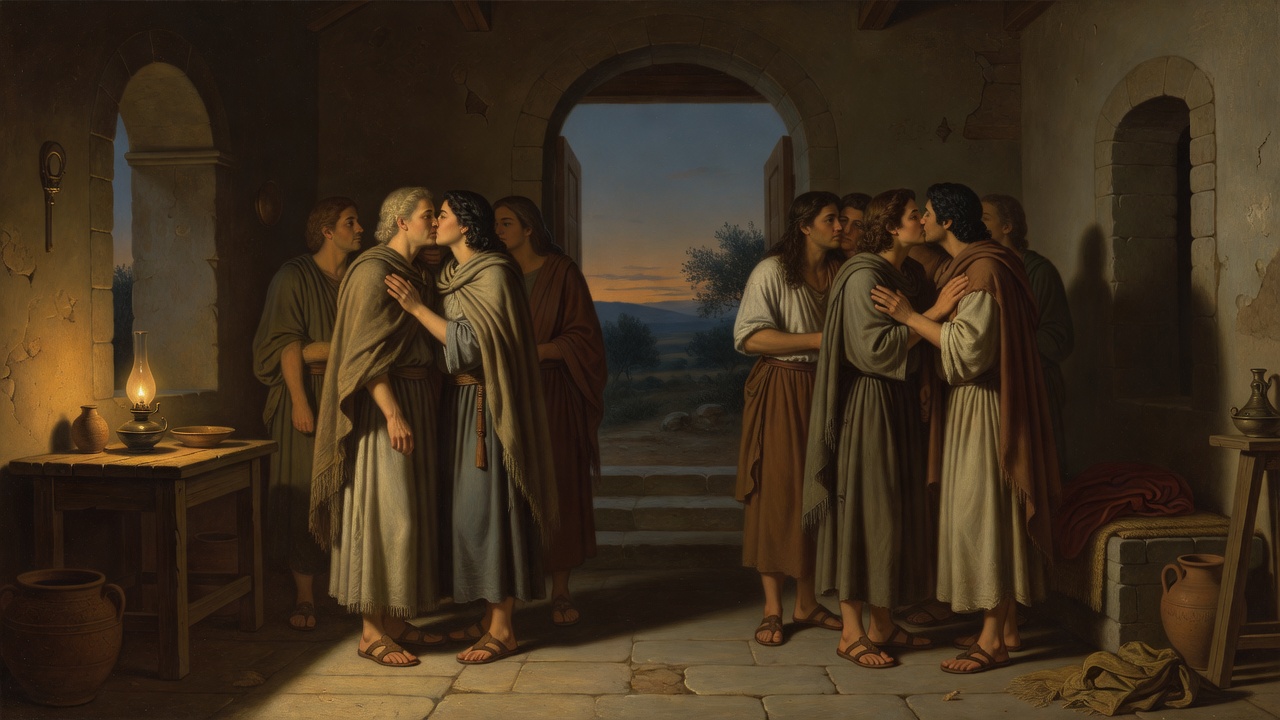
Greetings to the church in Rome
- Paul commends Phoebe, a servant of the church in Cenchrea, and asks the recipients in Rome to welcome her and help her with whatever she needs, because she has been a great help to many people, including him. Cenchrea was the eastern harbor of Corinth, about nine miles east of the city and the outlet for its trade with the Asiatic shores of the Mediterranean; Easton's Bible Dictionary (1897) says she was probably the bearer of this letter.Sources: the Bible text itself · Phebe · Cenchreae
- Paul greets Prisca and Aquila, his fellow workers in Christ Jesus, who risked their lives for him, and also the church that meets in their house; he says that not only he but all the churches of the Gentiles are grateful to them. Easton's Bible Dictionary (1897) calls her Priscilla and describes Aquila as a tent-maker from Pontus who, with his wife, left Rome because of a decree of Claudius in A.D. 50 commanding all Jews to leave the city; her name sometimes comes before his, as it does here.Sources: the Bible text itself · Priscilla · Aquila
- Near the close, Tertius, who wrote the letter down, adds his own greeting. Gaius, who has hosted Paul and all the church, also sends greetings, as do Erastus, the city treasurer, and Quartus.Sources: the Bible text itself
Notes written with AI assistance from open sources (Theographic Bible Metadata, CC BY-SA 4.0; Easton’s Bible Dictionary, public domain) and reviewed before publishing.
Places in this chapter
Only places identified with high confidence are shown (90% or more according to the scholarly sources compiled by OpenBible). Period map: DARE (Digital Atlas of the Roman Empire), CC BY 4.0; modern map: © OpenStreetMap contributors; places: OpenBible.info (CC BY 4.0).
Credits and license for this translation
Jú¹ chú³² quioh²¹ Jesús tsá² lɨn³ Cristo
New Testament in Chinantec, Sochiapam (MX:cso:Chinantec, Sochiapam)
copyright © 1986 Wycliffe Bible Translators, Inc.
Language: Chinantec, Sochiapam
Translation by: Wycliffe Bible Translators, Inc.
Chinanteco, Sochiapan [cso], Mexico
Copyright Information
© 1986, Wycliffe Bible Translators, Inc.
This translation text is made available to you under the
terms of the Creative Commons License: Attribution-Noncommercial-No Derivative Works.
( http://creativecommons.org/licenses/by-nc-nd/3.0/ )
In addition, you have permission to port the text to different file formats, as long as you
do not change any of the text or punctuation of the Bible.
You may share, copy, distribute, transmit, and extract portions
or quotations from this work, provided that you include the above copyright
information:
You must give Attribution to the work.
You do not sell this work for a profit.
You do not make any derivative works that change any of the actual words or punctuation of the Scriptures.
Permissions beyond the scope of this license may be
available if you contact
us with your request.
The New Testament
in Chinantec, Sochiapam
© 1986, Wycliffe Bible Translators, Inc.
This translation is made available to you under the terms of the
Creative Commons Attribution-Noncommercial-No Derivatives license 4.0.
You may share and redistribute this Bible translation or extracts from it in any format, provided that:
You include the above copyright and source information.
You do not sell this work for a profit.
You do not change any of the words or punctuation of the Scriptures.
Pictures included with Scriptures and other documents on this site are licensed just for use with those Scriptures and documents.
For other uses, please contact the respective copyright owners.
2014-04-22
Source: http://ebible.org/csoNT/ · eBible.org