Galatians 3
Ɨ niuucari tɨ jejcua, tɨ ajta jɨme'en ra'axa a'ɨjna ɨ tavastara'a, ɨ Cɨriistu'u tɨ ji'i Jesús tɨ̀ tu'irájtuaa · Tap a verse to see its cross-references.
Jɨ́meꞌen aꞌɨ́jna ɨ́ niuucari ɨ́ mej jɨ́n tíꞌaijta, ajta ɨ́ mej téꞌatzaahuateꞌe
1Múꞌeen, mɨ sej Galacia aꞌuchéjme, caxu aꞌatzu mé úumuaꞌaree múꞌeen. ¿Aꞌataani áꞌamuaaxɨéenerecaꞌa sej si siyen aꞌij puaꞌa mé titeumuáꞌaren? Múꞌejmi jemi tu temuaꞌa naa tejámuaatáꞌixaa mej ráꞌutatai meꞌɨ́jna ɨ́ Jesús tɨ ajta iꞌi Cɨríistuꞌu.
2Nichéꞌe seɨj tejámuaataꞌíhuaꞌu. ¿Aꞌiné sej si éeniꞌicɨꞌe raꞌancuréꞌa ɨ́ xɨéjniuꞌucareꞌaraꞌan ɨ́ Dios? ¿Ni qui seꞌɨ́jna jɨ́n sej ráꞌastijreꞌecaꞌa ɨ́ niuucari ɨ́ mej jɨ́n tíꞌaijta naꞌari seꞌɨ́jna jɨ́n sej ráꞌatzaahuateꞌecaꞌa ɨ́ sej ráanamuajriꞌi itejmi jemi? 3¿Ni tzaa siyen rɨ́ꞌɨ huápɨꞌɨ caí mé teuúmuaꞌaree? Ayee xu raꞌutéjhuii sej si siyen araújcaꞌane seꞌɨ́jna jetze ɨ́ xɨéjniuꞌucareꞌaraꞌan ɨ́ Dios. ¿Ni tzaa ayén tejamuáꞌamitɨejteꞌe sej si siyen raanaíjmireꞌen sej raꞌaráꞌastijreꞌen ɨ́ tavástaraꞌa seꞌɨ́jna jɨmeꞌe sej ru jetze aꞌij tirájteu rujɨ́ɨmuaꞌa senaꞌa? Capu xaa neꞌu aꞌij tíꞌirɨꞌɨri.
4Naíjmiꞌi tɨ́j naꞌa ɨ́ tɨ Dios jɨ́n rɨ́ꞌɨ tejamuaatáꞌa, ¿ni qui ayén tejamuáaruu tɨ ij ayén éeneꞌe áꞌaraꞌani tɨ nain tejáꞌuveti? Mɨ́ ajta, capu xaa neꞌu aꞌij ámitɨeereꞌe tɨ puaꞌa nain tejáꞌuveti nusu caí. 5¿Aꞌiné een jɨmeꞌe Dios raataꞌítecaꞌa ɨ́ ruxɨ́ejniuꞌuca tɨ aꞌɨ́ɨn múꞌejmi jemi huateáturan? Ajta, ¿aꞌiné een jɨmeꞌe Dios ayén tiuꞌumuárɨej múꞌejmi jemi aꞌɨ́jna jɨmeꞌe tɨ raaréꞌan ɨ́ tíꞌimuariꞌihua tɨ huápɨꞌɨ ruxeꞌeveꞌe? ¿Ni qui ayén huarɨ́j aꞌɨ́jna jɨmeꞌe sej raꞌaráꞌastijre seꞌɨ́jna ɨ́ niuucari ɨ́ mej jɨ́n tíꞌaijta? Capu aꞌatzu xaa neꞌu, sino ayée puꞌu huarɨ́j aꞌɨ́jna jɨmeꞌe sej ráꞌatzaahuateꞌecaꞌa ɨ́ tej teri tejamuáꞌixaa.
6Ayee pu cheꞌatá naꞌa téꞌatzaahuateꞌecaꞌa aꞌɨ́jna ɨ́ Abraham teecan aꞌij tɨ Dios tiraataꞌixaa. Aꞌɨ́j pu jɨ́n, Abraham rɨꞌéeneꞌecán jɨ́n huateájturaa ɨ́ Dios jemi. 7Setáꞌaj siyen ráamuaꞌaree seꞌɨ́jna tɨ jɨ́meꞌen yee matɨ́j menaꞌa puaꞌamé ɨ́ mej téꞌatzaahuateꞌe, aꞌii mú nuꞌu aꞌɨ́ɨn púꞌeen ɨ́ mej jetzen airáane aꞌɨ́jna ɨ́ Abraham teecan.
8Ajta, jéjcua ɨmuá, aꞌɨ́ɨ pu ayén téꞌeyuꞌusiꞌihuacaꞌa ɨ́ yuꞌuxari jetze tɨ Dios ayén tihuaꞌatáꞌacareꞌen aꞌɨ́mej ɨ́ mej caí Israél jetze ajtémeꞌecan mej mi rɨꞌéeneꞌecán jɨ́n huateáturan ɨ́ jemin aꞌɨ́jna jɨmeꞌe ɨ́ mej téꞌatzaahuateꞌe, micu. Ajta aꞌɨ́ɨn ɨ́ Dios, amuacaícan pu ayén tiraataꞌixaa aꞌɨ́jna ɨ́ Abraham teecan aꞌɨ́jna ɨ́ niuucari tɨ jɨ́meꞌen Dios huaꞌirájtuaani, ayén tɨjɨ́n: “Naíjmiꞌica ɨ́ teɨte ɨ́ mej huachéjme íiyen chaanaca japua, nee nu yee rɨ́ꞌɨ tihuaꞌutáꞌasin múꞌeetzi jɨmeꞌe.”
9Aꞌɨ́j pu jɨ́n, naíjmiꞌica ɨ́ mej téꞌatzaahuateꞌe, Dios pu rɨ́ꞌɨ tihuaꞌutáꞌasin jamuan aꞌɨ́jna ɨ́ Abraham teecan tɨ ajta ráꞌatzaahuateꞌecaꞌa ɨ́ Dios.
10Mɨ́ ajta aꞌɨ́ɨme ɨ́ mej raꞌaráꞌastijre meꞌɨ́jna ɨ́ niuucari ɨ́ mej jɨ́n tíꞌaijta, naíjmiꞌica pu puaíjtzi huatáꞌasin ɨ́ Dios, aꞌiné ayée pu téꞌeyuꞌusiꞌi tɨjɨ́n: “Puaíjtzi pu yee tiraatáꞌasin jaꞌatɨ́ tɨ naꞌa tɨ caí nain jɨ́n raꞌaráꞌastijreꞌen aꞌij tɨ yeꞌí téꞌaxa jetzen ɨ́ niuucari ɨ́ mej jɨ́n tíꞌaijta.” 11Ajta aꞌɨ́jna ɨ́ niuucari ɨ́ mej jɨ́n tíꞌaijta, capu rɨꞌɨrí tɨ aꞌɨ́ɨn ayén ráaruuren ɨ́ jaꞌatɨ tɨ́ꞌij ayén urarɨ́ꞌeneꞌacan jɨ́n huateáturan ɨ́ Dios jemi. Ayee puꞌu éeneꞌe jáꞌaraa aꞌiné ayée pu ajta téꞌeyuꞌusiꞌi tɨjɨ́n: “Aꞌɨ́ɨ pu hui tɨ rɨꞌéeneꞌe jɨ́n huateájturaa ɨ́ Dios jemi, aꞌɨ́ɨ pu yee ruuri aꞌame aꞌɨ́jna jɨmeꞌe, icu, tɨ aꞌɨ́ɨn ayén téꞌatzaahuateꞌe.”
12Tɨ́ puaꞌa jaꞌatɨ́ ayén raꞌaráꞌastijreꞌen ɨ́ niuucari ɨ́ mej jɨ́n tíꞌaijta, capu ayén ruxeꞌeveꞌe tɨ aꞌɨ́jna jaꞌatɨ́ téꞌantzaahuateꞌen, sino chéꞌe raꞌaráꞌastijreꞌen puꞌu aꞌɨ́jna ɨ́ niuucari aꞌiné ayée pu téꞌeyuꞌusiꞌi tɨjɨ́n: “Aꞌɨ́jna tɨ yee ayén raꞌaráꞌastijreꞌen aꞌij tɨ téꞌeyuꞌusiꞌi ɨ́ niuucari jetze, aꞌɨ́ɨ pu yee aꞌɨ́jna jɨ́n rɨ́ꞌɨ tiꞌitiújchaꞌɨɨ aꞌame.”
Single Line Composer 13Ajta aꞌɨ́jna ɨ́ Cɨríistuꞌu, aꞌɨ́ɨ pu tuꞌirájtuaa tɨ ij caí puaíjtzi táacɨꞌɨti aꞌɨ́jna jɨmeꞌe tej caí ráꞌastijreꞌe ɨ́ niuucari ɨ́ mej jɨ́n tíꞌaijta. Puaíjtzi pu xaa raacɨ́ꞌɨ ta jetze meꞌecan aꞌiné ayée pu téꞌeyuꞌusiꞌi tɨjɨ́n: “Puaíjtzi pu yee raatáꞌasin jaꞌatɨ́ tɨ naꞌa mej ráꞌatatan ɨ́ cɨyej jetze.” 14Ayee pu aꞌɨ́jna jɨ́n tiráaruu tɨ ij ayén tihuáꞌucɨꞌɨti aꞌɨ́mej ɨ́ mej caí Israél jetze ajtémeꞌecan aꞌɨ́jna ɨ́ tɨ jɨ́n Dios rɨ́ꞌɨ tiraatáꞌa aꞌɨ́jna ɨ́ Abraham teecan, tɨ ij ajta tej teꞌɨ́jna jɨ́n téꞌatzaahuateꞌe tej tij raꞌancuréꞌan teꞌɨ́jna ɨ́ xɨéjniuꞌucareꞌaraꞌan ɨ́ Dios aꞌij tɨ aꞌɨ́ɨn ari teꞌataújratziiriꞌi.
Jɨ́meꞌen ɨ́ niuucari ɨ́ mej jɨ́n tíꞌaijta ajta aꞌɨ́jna tɨ jɨ́n Dios teꞌataújratziiriꞌi
15Casiꞌi, neꞌihuaamuaꞌa, tichéꞌe teꞌɨ́jna jɨ́n tiuꞌutaxáj aꞌij tɨ tíꞌirɨneca tej ti teuj yen huachéjme íiyen chaanaca japua. Tɨ́ puaꞌa jaꞌatɨ́ ari raꞌuyúꞌuxacaꞌa ɨ́ cuapée jetze ɨ́ mej jɨ́n raꞌancuréꞌan ɨ́ tiꞌáꞌaraꞌan ɨ́ jaꞌatɨ́ tɨ huamɨ́ꞌɨ, tɨ puaꞌa ari ayén téꞌeyuꞌusiꞌihua aꞌij tɨ tiraavíjteꞌe, capu rɨꞌɨrí tɨ jaꞌatɨ́ tiꞌitɨ́ máàj jetzen raꞌuyúꞌuxa. Ruxeꞌeveꞌe mej raꞌaráꞌastijreꞌen aꞌij tɨ téꞌeyuꞌusiꞌihua.
16Meꞌecui xaa, Dios pu ayén ajmíꞌi teꞌataújratziiriꞌi tiꞌitɨ́j jɨmeꞌe aꞌɨ́jna jemi ɨ́ Abraham teecan, ajta aꞌɨ́mej jemi ɨ́ mej jetzen aꞌiránejsin. Aru, capu ayén téꞌeyuꞌusiꞌi ɨ́ yuꞌuxari jetze tɨ ayén tihuáꞌucɨꞌɨtíicheꞌe ɨ́ mej muꞌiitɨ́ aꞌiránejsin aꞌɨ́jna ɨ́ Abraham teecan jetze, sino tɨ ayén tiráacɨꞌɨtiicheꞌe ɨ́ tɨ seɨ́j naꞌa aꞌiránejsin. Ajta aꞌɨ́ɨn tɨ seɨ́j naꞌa, aꞌii pu aꞌɨ́ɨn púꞌeen ɨ́ Cɨríistuꞌu.
17Ayee pu huataújmuaꞌa aꞌɨ́jna. Amuacaícan, Dios pu ayén raatáꞌa ɨ́ runiuuca ɨ́ Abraham jemi aꞌij tɨ tejaꞌuréꞌenejsin. Tɨ́ꞌɨjta ari teuuméꞌeca aꞌachú cumu muáacuacientos nineꞌiraꞌa japuan seité japuan tamuáamuataꞌa, aj puꞌi Dios huaꞌutáꞌa aꞌɨ́jna ɨ́ niuucari ɨ́ mej jɨ́n tíꞌaijta. Aꞌɨ́j pu jɨ́n, capu rɨꞌɨrí tɨ aꞌɨ́ɨn niuucari raꞌuréꞌuuna aꞌɨ́jna tɨ jɨ́n Dios amuacaícan tihuauꞌíjca ɨ́ Abraham teecan jemi. Aꞌɨ́j pu jɨ́n aúcheꞌe tíꞌivaɨreꞌe aꞌɨ́jna ɨ́ tɨ jɨ́n tihuauꞌíjca.
18Ayee puꞌu tíꞌeen, aꞌiné tɨ puaꞌa tiꞌitɨ́ ayén tiráacɨꞌɨti seɨ́j ɨ́ jaꞌatɨ aꞌɨ́jna jɨmeꞌe tɨ aꞌɨ́ɨn niuucari ɨ́ mej jɨ́n tíꞌaijta ayén tiraatáꞌaca, capu chéꞌe ayée naꞌa éeneꞌe aꞌame tɨ ayén tiráacɨꞌɨti aꞌɨ́jna jɨmeꞌe tɨ jaꞌatɨ́ ayén teꞌataújratziiriꞌi tɨ ayén nuꞌu tejaꞌuréꞌenejsin. Ajta aꞌɨ́ɨn Dios, aꞌɨ́ɨ pu ruxɨ́ꞌeviꞌiraꞌa jɨ́n ayén rɨ́ꞌɨ tiraatáꞌa aꞌɨ́jna ɨ́ Abraham teecan aꞌiné ayée pu teꞌataújratziiriꞌi.
19Tɨ́ puaꞌa ayén een, ¿aꞌiné tɨ i Dios huaꞌutáꞌa aꞌɨ́jna ɨ́ niuucari ɨ́ mej jɨ́n tíꞌaijta? Ayej xaa neꞌu, ayée pu een jɨ́n raateájtuaa huáꞌa jemi mej mi ráamuaꞌaree nain jɨmeꞌe ɨ́ mej jɨ́n auteájturaa ɨ́ Dios jemi. Ayee pu éeneꞌe áꞌameꞌencheꞌe ajta naꞌa caí huataseíjreꞌencheꞌe aꞌɨ́jna tɨ jetzen huanéj aꞌɨ́jna ɨ́ Abraham teecan aꞌij tɨ ayén Dios tihuauꞌíjca tɨ ayén téꞌemeꞌencheꞌe. Ajta aꞌɨ́ɨn ɨ́ niuucari ɨ́ mej jɨ́n tíꞌaijta, capu Dios ruseɨ́j raateájtuaa huáꞌa jemi, sino aꞌɨ́ɨme ɨ́ mej tíꞌivaɨreꞌe ɨ́ ta japua, aꞌɨ́ɨ mú majta raaxɨ́ꞌepɨꞌɨntare mej mi huáꞌa jemi raateájtuaani meꞌɨ́jna ɨ́ niuucari.
20Ayee puꞌu naꞌa, tɨ puaꞌa ayén seijreꞌe seɨ́j tɨ íꞌixɨꞌepɨꞌɨn, aꞌɨ́ɨ pu tihuaꞌutévaɨreꞌesin naíjmiꞌica ɨ́ mej tíꞌirixaateꞌe, mej mi raꞌantipuáꞌajteꞌen. Mɨ́ ajta, seɨj puꞌu púꞌeen ɨ́ Dios. Ruseɨ́j pu ayén tihuauꞌíjca, ajta ruseɨ́j pu raanaíjmire.
Jɨ́meꞌen ɨ́ tɨ jɨ́n tíꞌivaɨreꞌe aꞌɨ́jna ɨ́ niuucari ɨ́ mej tíꞌaijta
21¿Aꞌiné naꞌa ji? ¿Ni qui ayén huataújmuaꞌa tɨ seɨcɨé téꞌaxa aꞌɨ́jna jetze ɨ́ niuucari ɨ́ mej jɨ́n tíꞌaijta, ajta seɨcɨé téꞌaxa aꞌɨ́jna tɨ jɨ́n Dios teꞌataújratziiriꞌi? Capu xaa neꞌu, aꞌiné tɨ puaꞌa ayén tíꞌirɨꞌɨriistacheꞌe tɨ taatáꞌacareꞌen tej rúurijcheꞌe ɨ́ Dios jemi aꞌɨ́jna ɨ́ niuucari tɨ huateájturaa aꞌɨ́mej jemi, aj pu xaa, icu, rɨꞌɨríistacaꞌa tej rɨꞌéeneꞌecán jɨ́n huateáturan ɨ́ Dios jemi aꞌɨ́jna jɨmeꞌe tej ráꞌastijreꞌe teꞌɨ́jna ɨ́ niuucari ɨ́ mej jɨ́n tíꞌaijta.
22Mɨ́ ajta, aꞌɨ́jna ɨ́ niuucari jetze, ayée pu téꞌaxa mej nuꞌu naímiꞌi miyen auteájturaa ɨ́ Dios jemi, aꞌachú mej menaꞌa puaꞌamé yen huachéjme íiyen chaanaca japua. Ayee pu een jɨ́n téꞌaxa tɨ ij aꞌɨ́jna jɨ́n rɨꞌɨriistan tɨ aꞌɨ́ɨn Dios teꞌataújratziiriꞌi tɨ tihuáꞌucɨꞌɨti aꞌɨ́jna jɨmeꞌe mej raꞌaráꞌastijreꞌen meꞌɨ́jna ɨ́ Jesús tɨ ajta iꞌi Cɨríistuꞌu. Jee xaa neꞌu, ayée puꞌu naꞌa tɨ aꞌɨ́jna tɨ jɨ́n Dios teꞌataújratziiriꞌi, aꞌɨ́mej pu tíꞌicɨꞌɨti aꞌɨ́mej ɨ́ mej miyen téꞌatzaahuateꞌe.
23Tɨ́ꞌɨj caí xɨ huataseíjre ɨ́ Cɨríistuꞌu tej ti tiyen raꞌaráꞌastijreꞌen, ayée pu éeniꞌicɨꞌe seijreꞌecaꞌa cumu tej aiteánamiꞌihuacaꞌa aꞌɨ́jna jɨmeꞌe tɨ caꞌanín jɨ́n tachaꞌɨ aꞌɨ́jna ɨ́ niuucari ɨ́ mej jɨ́n tíꞌaijta. Ayee tu éeneꞌe huateájturaa aꞌájnáꞌɨmua tɨ́j naꞌa tɨ yú eꞌiréꞌene tɨ́j íjii ayén huataseíjre aꞌɨ́jna ɨ́ tej teri ticu ráꞌatzaahuateꞌe. 24Aꞌɨ́j pu jɨ́n, ayén pu tachaꞌɨ aꞌɨ́jna ɨ́ niuucari ajta naꞌa caí huataseíjreꞌen ɨ́ Cɨríistuꞌu tej ti tiyen rɨꞌéeneꞌecán jɨ́n huateáturan aꞌɨ́jna jɨmeꞌe tej raꞌaráꞌastijre teꞌɨ́jna ɨ́ Cɨríistuꞌu.
25Meꞌecui xaa neꞌu, aꞌiné ari huataseíjre ɨ́ tej jemin ráꞌastijreꞌe, capu chéꞌe tachaꞌɨ aꞌɨ́jna ɨ́ niuucari ɨ́ mej jɨ́n tíꞌaijta.
26Naímiꞌi xu yaújmuaꞌameꞌen púꞌeen ɨ́ Dios seꞌɨ́jna jɨmeꞌe sej ráꞌastijreꞌe seꞌɨ́jna ɨ́ Cɨríistuꞌu tɨ ajta iꞌi Jesús, aꞌiné Cɨríistuꞌu pu áꞌamuaneereꞌe sej siꞌi siyen éeneꞌe xáꞌaraꞌani tɨ́j aꞌɨ́jna, setɨ́j senaꞌa puaꞌamé huámuaɨꞌɨvijhuacaꞌa ɨ́ jemin.
28Aꞌɨ́j pu jɨ́n, caí chéꞌe méꞌe jáꞌahuaꞌa ɨ́ tɨ Israél jetze ajtémeꞌecan, naꞌari tɨ jíꞌi Griego. Capu ajta mé jáꞌahuaꞌa ɨ́ Cɨríistuꞌu jemi ɨ́ tɨ jíꞌi seɨ́j tɨ caꞌanéeri jɨ́n tíꞌimuarɨꞌe nusu ɨ́ tɨ ruxɨéehua jɨ́n tíꞌimuarɨꞌe. Capu ajta jetzen ruxeꞌeveꞌe ɨ́ Cɨríistuꞌu tɨ puaꞌa jaꞌatɨ́ teáataꞌa púꞌeeneꞌen nusu ꞌɨ́itaꞌa naꞌa, aꞌiné naíjmiꞌi xu Cɨríistuꞌu jetze ajtémeꞌecan. Múꞌeen xu xaa seɨj teɨtejraꞌa púꞌeen ɨ́ jemin.
29Ajta, tɨ puaꞌa siyen Cɨríistuꞌu jetze ajtémeꞌecan, aꞌɨ́j xu jɨ́n seajta yaújmuaꞌameꞌen púꞌeen aꞌɨ́jna ɨ́ Abraham teecan, ajta aꞌɨ́ɨ pu tejáꞌamuacɨꞌɨti aꞌɨ́jna tɨ jɨ́n Dios teꞌataújratziiriꞌi.
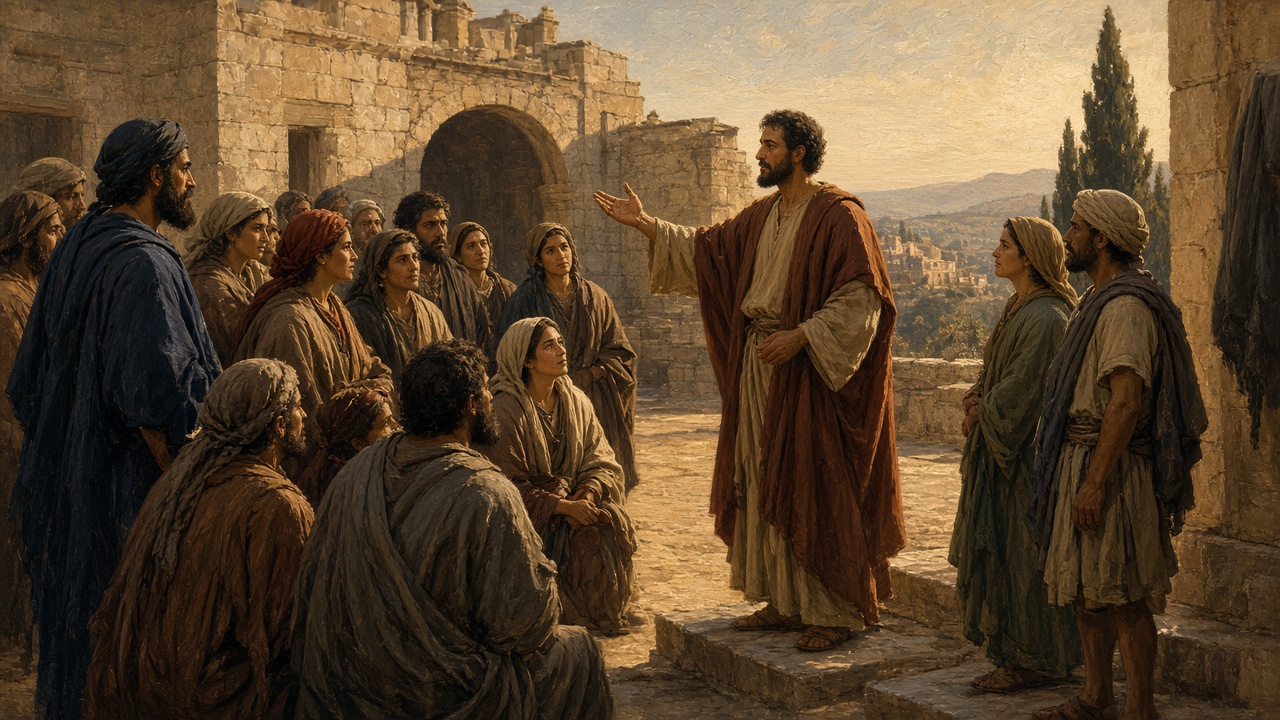
Did you know?
Faith, the Promise, and the Law
- This chapter says that Abraham believed God and that this was credited to him as righteousness, and that people of faith are sons of Abraham and heirs according to the promise. A dictionary entry calls him the heir of the promises and says he was named before his older brothers Nahor and Haran because he held that place.Sources: the Bible text itself · Abraham
- The chapter teaches that a human covenant, once ratified, cannot be canceled or amended, and that the law which came 430 years later does not revoke the promise God had already granted to Abraham. A chronology dates the sojourn in Canaan and Egypt as beginning in 1920 BC and lasting 430 years.Sources: the Bible text itself · Sojourn in Canaan and Egypt
- The chapter says that Scripture foresaw that God would justify the Gentiles by faith and foretold to Abraham the gospel that all nations would be blessed through him. Called the father of a multitude, he lived in Chaldea until the age of seventy, then left Ur because of a call from God and stayed fifteen years in Haran, some 300 miles to the north.Sources: the Bible text itself · Abraham
Notes written with AI assistance from open sources (Theographic Bible Metadata, CC BY-SA 4.0; Easton’s Bible Dictionary, public domain) and reviewed before publishing.
Credits and license for this translation
Ɨ niuucari tɨ jejcua, tɨ ajta jɨme'en ra'axa a'ɨjna ɨ tavastara'a, ɨ Cɨriistu'u tɨ ji'i Jesús tɨ̀ tu'irájtuaa
New Testament in Cora, El Nayar Presidio De Los Reyes; crn (MX:crn:Cora, El Nayar)
copyright © 2008 Wycliffe Bible Translators, Inc.
Language: Cora, El Nayar
Translation by: Wycliffe Bible Translators, Inc.
Cora, Presidio de los Reyes [crn], Mexico
Copyright Information
© 2008, Wycliffe Bible Translators, Inc. All rights reserved.
This translation text is made available to you under the
terms of the Creative Commons License: Attribution-Noncommercial-No Derivative Works.
( http://creativecommons.org/licenses/by-nc-nd/3.0/ )
In addition, you have permission to port the text to different file formats, as long as you
do not change any of the text or punctuation of the Bible.
You may share, copy, distribute, transmit, and extract portions
or quotations from this work, provided that you include the above copyright
information:
You must give Attribution to the work.
You do not sell this work for a profit.
You do not make any derivative works that change any of the actual words or punctuation of the Scriptures.
Permissions beyond the scope of this license may be
available if you contact
us with your request.
The New Testament
in Cora, El Nayar
© 2008, Wycliffe Bible Translators, Inc. All rights reserved.
This translation is made available to you under the terms of the
Creative Commons Attribution-Noncommercial-No Derivatives license 4.0.
You may share and redistribute this Bible translation or extracts from it in any format, provided that:
You include the above copyright and source information.
You do not sell this work for a profit.
You do not change any of the words or punctuation of the Scriptures.
Pictures included with Scriptures and other documents on this site are licensed just for use with those Scriptures and documents.
For other uses, please contact the respective copyright owners.
2014-04-22
Source: http://ebible.org/crnNT/ · eBible.org