2 Timothy 4
Ɨ niuucari tɨ jejcua, tɨ ajta jɨme'en ra'axa a'ɨjna ɨ tavastara'a, ɨ Cɨriistu'u tɨ ji'i Jesús tɨ̀ tu'irájtuaa · Tap a verse to see its cross-references.
1Ayee nu ꞌeen jɨ́n tíꞌimuaꞌijcateꞌe jemin ɨ́ Dios, ajta jemin ɨ́ Cɨríistuꞌu tɨ ajta iꞌi Jesús. Aꞌiné Cɨríistuꞌu pu raaxɨ́ꞌepɨꞌɨntareꞌen aꞌɨ́mej jemi ɨ́ mej mauj yen huachéjme íiyen chaanaca japua, ajta aꞌɨ́mej jemi ɨ́ mej meri huácuii. Aꞌɨ́ɨ pu ajtahuaꞌa huataseíjreꞌesin tɨ́ꞌij tiuꞌutaꞌaíjta nainjapua.
2Patáꞌaj múꞌee tihuaꞌutáꞌixaateꞌen ɨ́ niuucari jɨmeꞌe. Pajta patáꞌaj huaꞌutáhuavii caꞌanín jɨmeꞌe mej mi ráanamua tɨ puaꞌa miyen titéꞌujcaꞌane mej ráanamua naꞌari mecaí ranamuajracu. Patáꞌaj rɨ́ꞌɨ huáꞌuruuren aꞌɨ́mej ɨ́ mej caí xɨ́ꞌepɨꞌɨn metíteumuámuaꞌaree. Patáꞌaj huaꞌutáꞌijmɨi mej mi caí aꞌij puaꞌa rɨjca. Patáꞌaj pajta huaꞌutáꞌan ɨ́ caꞌaníjraꞌa mej mi miyen huárɨni aꞌij tɨ tiúꞌujxeꞌeveꞌe.
Rɨ́ꞌɨ pepuꞌu peꞌɨ́jna jɨmeꞌe pej pi teꞌutáviicuaꞌi huáꞌa jemi ɨ́ teɨte, pajta peꞌɨ́jna jɨmeꞌe pej tihuáꞌumuaꞌaten temuaꞌa naa. 3Ayee pej huárɨni aꞌiné aꞌájna pu tejaꞌuréꞌenejsin aꞌájna xɨcáaraꞌan jetze mej jetzen caí chéꞌe teꞌevíicuaꞌira muáꞌajuꞌu mej ráanamua ɨ́ tɨ iꞌi xɨ́ꞌepɨꞌɨn aꞌij pej tiꞌihuáꞌamuaꞌateca. Mɨ́ majta aꞌɨ́ɨme, seica mú huatájeevi aꞌɨ́mej mej ráanamua meꞌɨ́jna jɨmeꞌe aꞌij mej rujɨ́ɨmuaꞌa menaꞌa tirájteu. 4Aꞌɨ́ɨ mú yáꞌuhuaꞌaxɨjsin ɨ́ tɨ ayén tiꞌayajna mej mi ráꞌantzaahuateꞌen ɨ́ niuucari tɨ chaꞌa naꞌa puꞌu tiꞌixa.
5Mɨ́ pajta múꞌee, patáꞌaj pauj nain jɨ́n rɨ́ꞌɨ mé teuúmuaꞌaree. Patáꞌaj pajta teꞌutáviicuaꞌi tɨ puaꞌa tiꞌitɨ́j muaatamuárɨꞌeristen. Neajta nu niyen tíꞌimuaꞌijcateꞌe pej rɨ́ꞌɨ tejáꞌucheꞌecaneꞌen pej pi tihuaꞌutáꞌixaateꞌen ɨ́ teɨte ɨ́ niuucari jɨmeꞌe tɨ jɨ́n Dios huaꞌirájtuaani. Patáꞌaj nain jɨ́n teꞌaráꞌasten ɨ́ pej jɨ́n antíꞌamuaꞌaree peꞌɨ́jna jɨmeꞌe ɨ́ pej jɨ́n tíꞌivaɨreꞌe ɨ́ Dios jemi.
6Ayee puꞌu tíꞌeen aꞌiné ayée pu tináꞌamitɨejteꞌe tɨ́j nenaꞌa nej rajpuaíjtzicaꞌa tɨ ayén tíꞌivaɨreꞌe ɨ́ Dios jemi cumu muaɨꞌɨvéjri ɨ́ mej án yejxɨ́reꞌesin japuan ɨ́ mej jetzen tíꞌimuaɨꞌɨvajta. Puꞌuri tejaꞌuréꞌene aꞌájna xɨcáaraꞌa nej jetzen huámɨꞌɨni.
7Jéihua nu ráꞌuviicuaꞌiriꞌi nej niyen huárɨni aꞌij tɨ tiraavíjteꞌe ɨ́ Dios jemi. Nuꞌuri raꞌanticɨ́ꞌɨ ɨ́ nej jɨ́n avéꞌenmuaꞌareerecaꞌa. Canu raatéxɨeehuatacaꞌa sino neráꞌastijreꞌecaꞌa ɨ́ nevástaraꞌa.
8Aꞌɨ́j pu jɨ́n Dios raatéꞌavaatacaꞌa ineetzi jemi tiꞌitɨ́j tɨ tináacɨꞌɨti aꞌɨ́jna jɨmeꞌe nej urarɨ́ꞌeneꞌen ɨ́ ne tzajtaꞌa. Nevástaraꞌa pu raaxɨ́ꞌepɨꞌɨntareꞌen aꞌij tɨ tiraavíjteꞌe; aꞌɨ́ɨ pu aꞌɨ́jna naatátɨstejsin aꞌájna xɨcáaraꞌan tɨ jetzen ayén tíꞌiraxɨꞌepɨꞌɨntariꞌiran ineetzi jɨmeꞌe. Ajta, capu neetzi naꞌa huatátɨstejsin, sino naíjmiꞌica aꞌachú puaꞌaméca ɨ́ mej aráujcaꞌanéecan jɨ́n rajchúꞌeveꞌe tɨ aꞌɨ́ɨn ajtahuaꞌa huataseíjreꞌen huáꞌa jemi.
Pablo pu tíꞌirixaateꞌe aꞌij tɨ yeꞌí huárɨni
9Patáꞌaj huatáꞌacaꞌanen tɨ́j naꞌa tɨ tíꞌirɨꞌɨri pej yetanén neetzi jemi, aꞌiné Demas pu mé núurɨe aꞌɨ́jna jɨmeꞌe tɨ jaítzeꞌe raꞌaránajchecaꞌa ɨ́ tɨ ayén tíꞌiseijreꞌe íiyen chaanaca japua. Crescente pu aꞌuun áꞌume aꞌujna jáꞌahuaꞌa tɨ huatacáꞌa u Galacia. 11Ajta aꞌɨ́jna ɨ́ Lucas, aꞌɨ́ɨ puꞌu yé huateájturaa neetzi jemi. Patáꞌaj raatáꞌinen peꞌɨ́jna ɨ́ Marcos tɨ puaꞌa méꞌe piyaꞌuseíj tɨ ajamuan yé tanén. Patáꞌaj yeꞌeráviꞌitɨn, aꞌiné aꞌɨ́ɨ pu netévaꞌɨri ɨ́ nej jɨ́n tíꞌivaɨreꞌe ɨ́ Dios jemi. 12Neraataꞌítecaꞌa neꞌɨ́jna ɨ́ Tíquico tɨ aꞌuun áꞌumeꞌen u Éfeso.
13Patɨ́ꞌɨj mú aꞌarájraꞌani, patáꞌaj mú nejaꞌarápijreꞌen ɨ́ nej raꞌiteváara náꞌayeꞌi ɨ́ nej neꞌuun yeꞌuteájtua aꞌɨ́jna jemi ɨ́ Carpo, aꞌujna Troas tɨ éꞌeche. Pajta, patáꞌaj mú tinejaꞌarápijreꞌen ɨ́ yuꞌuxari, ajta ɨ́ seica ɨ́ cuapée, neetzi tɨ tíꞌineꞌaa.
14Ajta aꞌɨ́ɨn ɨ́ Alejandro tɨ tepúustiꞌi tíꞌitaꞌahuaca, jeíhua pu aꞌij puaꞌa náaruu. Aru tavástaraꞌa pu ayén raruuren aꞌij tɨ tiraavíjteꞌe aꞌɨ́jna jemi aꞌɨ́jna jɨmeꞌe aꞌij tɨ náaruu. 15Pajta múꞌee, rɨ́ꞌɨ pepuꞌu peꞌɨ́jna jemi tɨ́ꞌij aꞌɨ́ɨn caí muaatémuaꞌitɨn, aꞌiné jeíhua pu rájchaꞌɨɨreꞌecaꞌa aꞌij tej tihuaꞌutáꞌixaateꞌecaꞌa ɨ́ teɨte.
16Netɨ́ꞌɨj amuacaícan huatánneꞌaꞌacaꞌa, capu jaꞌatɨ́ neetzi jɨmeꞌe huatéechaxɨ tɨ ne japua huániuuni. Naímiꞌi mú mé núurɨe. Chéꞌe Dios caí puaíjtzi huaꞌatáꞌacareꞌen aꞌɨ́jna jɨmeꞌe aꞌij mej huarɨ́j. 17Mɨ́ neajta inee, aꞌɨ́j nu jetze aráꞌancaꞌane ɨ́ tavástaraꞌa. Aꞌɨ́ɨ pu naatáꞌa ɨ́ rucaꞌaníjraꞌa nej ni nain jɨ́n tihuaꞌutáꞌixaateꞌen ɨ́ teɨte, mej mi naímiꞌi ráanamua aꞌɨ́ɨme ɨ́ mej caí Israél jetze ajtémeꞌecan. Ajta aꞌɨ́ɨ pu nuꞌirájtuaa nej ni caí caꞌanacan huámɨꞌɨni.
18Tavástaraꞌa pu naatévaɨreꞌesin nain jɨmeꞌe tɨ́ꞌij caí aꞌɨ́ɨn tɨ aꞌij puaꞌa ꞌeen naatémuaꞌitɨn tiꞌitɨ́j jɨmeꞌe. Aꞌɨ́ɨ pu nuꞌirájtuaasin tɨ ij náꞌaviꞌitɨn u júteꞌe aꞌu tɨ aꞌɨ́ɨn tejéꞌaijta nej ni neꞌuun aꞌutevée náꞌaraꞌani. Tichéꞌe tiyen rɨ́ꞌɨ tiraatáꞌan tɨ́j naꞌa tɨ yú auumé tɨ́j naꞌa rusén jɨmeꞌe. Chéꞌe ayén téꞌaraꞌani.
Ɨ́ tɨ jɨ́n raꞌantipuáꞌajte
19Patáꞌaj naatateújtiꞌitzeꞌen aꞌɨ́jna ɨ́ Prisca, ajta aꞌɨ́jna ɨ́ Aquila, ajta aꞌɨ́mej ɨ́ teɨtestemuaꞌameꞌen aꞌɨ́jna ɨ́ Onesíforo. 20Ajta aꞌɨ́ɨn ɨ́ Erasto, aꞌúu pu aꞌuteájturaa aꞌujna chajtaꞌaraꞌa jetze u Corinto. Neajta Trófimo nu aꞌuun aꞌuteájtuaa tíꞌicuiꞌican aꞌujna chajtaꞌaraꞌa jetze u Mileto.
21Patáꞌaj huatáꞌacaꞌanen pej yetanén amuacaícan ajta caí xɨ aꞌájna pɨ́tejáꞌarɨcɨ tɨ huáseeviꞌi áꞌayeꞌi. Aꞌɨ́ɨ mú yé muatateújteꞌesin aꞌɨ́jna ɨ́ Eubulo, ajta aꞌɨ́jna ɨ́ Pudente, ajta aꞌɨ́jna ɨ́ Lino, ajta aꞌɨ́jna ɨ́ Claudia, majta naímiꞌi ɨ́ taꞌihuaamuaꞌa ɨ́ mej téꞌatzaahuateꞌe.
22Chéꞌe aꞌɨ́ɨn tavástaraꞌa huateáturan múꞌeetzi jemi. Chéꞌe aꞌɨ́ɨn rɨ́ꞌɨ timuaatáꞌan. Yee puꞌu. Puꞌuri antipuáꞌarecaꞌa.
Did you know?
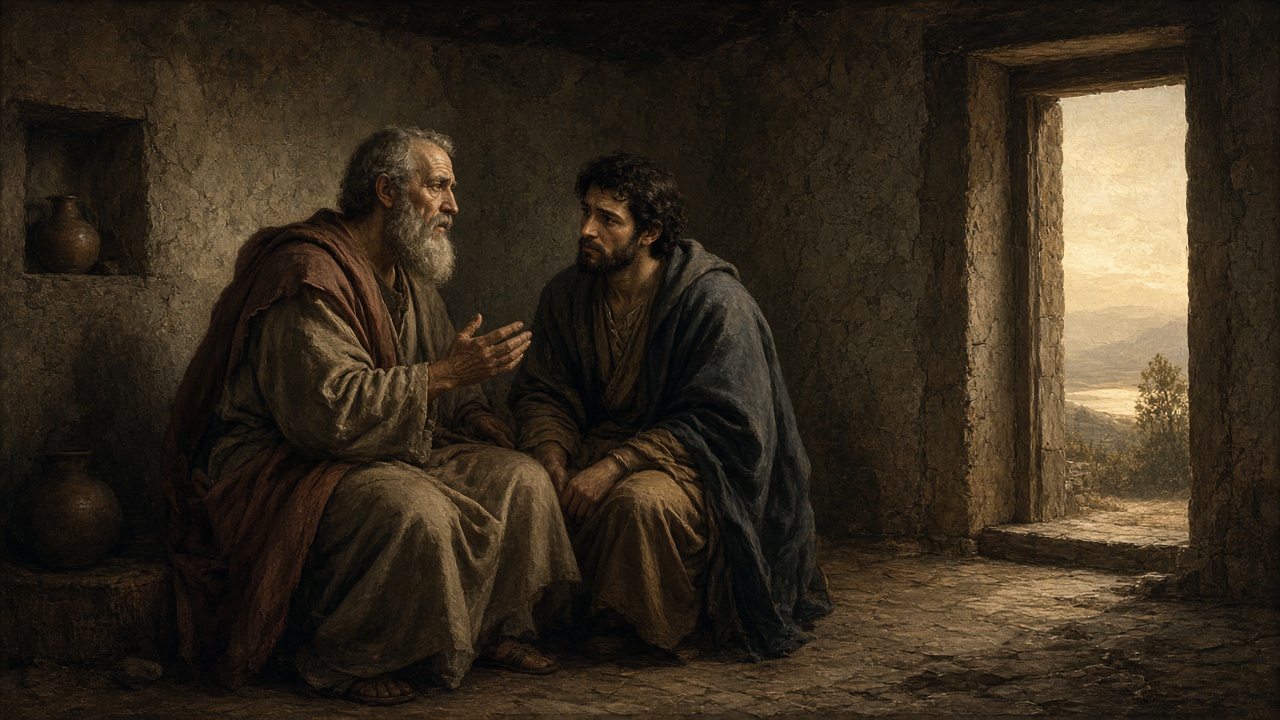
Paul's Final Charge and Farewell
- Paul urges Timothy to come quickly. Demas, whom Easton's Bible Dictionary (1897) describes as a companion and fellow worker during Paul's first imprisonment at Rome, has deserted him out of love for this world and gone to Thessalonica, a large city on the Thermaic bay and the capital of one of Macedonia's four Roman districts. Crescens has gone to Galatia and Titus to Dalmatia, a mountainous country on the eastern shore of the Adriatic and part of the Roman province of Illyricum; Paul has sent Tychicus to Ephesus, and only Luke remains with him.Sources: Demas · Thessalonica · Dalmatia · the Bible text itself
- Easton's Bible Dictionary (1897) identifies Alexander the coppersmith as a man who, with Hymenaeus and others, taught certain views about the resurrection, and says that Paul excommunicated him. In this chapter Paul writes that Alexander did him great harm, tells Timothy to beware of him because he vigorously opposed our message, and says the Lord will repay him according to his deeds.Sources: Alexander · the Bible text itself
- Paul asks Timothy to bring the cloak he left with Carpus at Troas, together with his scrolls, especially the parchments, and to arrive before winter. Troas was a city on the coast of Mysia, in the northwest of Asia Minor, named after ancient Troy, which lay about four miles to the north.Sources: Troas · the Bible text itself
Notes written with AI assistance from open sources (Theographic Bible Metadata, CC BY-SA 4.0; Easton’s Bible Dictionary, public domain) and reviewed before publishing.
Places in this chapter
- Dalmatia · 43.813, 16.219 · verse 10
- Galatia · 39.267, 32.983 · verse 10
- Thessalonica · Today: Thessaloniki · 40.638, 22.946 · verse 10
- Ephesus · 37.939, 27.341 · verse 12
- Troas · Today: Alexandria Troas · 39.752, 26.159 · verse 13
- Corinth · 37.906, 22.879 · verse 20
- Miletus · 37.531, 27.276 · verse 20
Only places identified with high confidence are shown (90% or more according to the scholarly sources compiled by OpenBible). Period map: DARE (Digital Atlas of the Roman Empire), CC BY 4.0; modern map: © OpenStreetMap contributors; places: OpenBible.info (CC BY 4.0).
Credits and license for this translation
Ɨ niuucari tɨ jejcua, tɨ ajta jɨme'en ra'axa a'ɨjna ɨ tavastara'a, ɨ Cɨriistu'u tɨ ji'i Jesús tɨ̀ tu'irájtuaa
New Testament in Cora, El Nayar Presidio De Los Reyes; crn (MX:crn:Cora, El Nayar)
copyright © 2008 Wycliffe Bible Translators, Inc.
Language: Cora, El Nayar
Translation by: Wycliffe Bible Translators, Inc.
Cora, Presidio de los Reyes [crn], Mexico
Copyright Information
© 2008, Wycliffe Bible Translators, Inc. All rights reserved.
This translation text is made available to you under the
terms of the Creative Commons License: Attribution-Noncommercial-No Derivative Works.
( http://creativecommons.org/licenses/by-nc-nd/3.0/ )
In addition, you have permission to port the text to different file formats, as long as you
do not change any of the text or punctuation of the Bible.
You may share, copy, distribute, transmit, and extract portions
or quotations from this work, provided that you include the above copyright
information:
You must give Attribution to the work.
You do not sell this work for a profit.
You do not make any derivative works that change any of the actual words or punctuation of the Scriptures.
Permissions beyond the scope of this license may be
available if you contact
us with your request.
The New Testament
in Cora, El Nayar
© 2008, Wycliffe Bible Translators, Inc. All rights reserved.
This translation is made available to you under the terms of the
Creative Commons Attribution-Noncommercial-No Derivatives license 4.0.
You may share and redistribute this Bible translation or extracts from it in any format, provided that:
You include the above copyright and source information.
You do not sell this work for a profit.
You do not change any of the words or punctuation of the Scriptures.
Pictures included with Scriptures and other documents on this site are licensed just for use with those Scriptures and documents.
For other uses, please contact the respective copyright owners.
2014-04-22
Source: http://ebible.org/crnNT/ · eBible.org