Psalms 89
Las Escrituras en Ashéninka Ucayali del Sur del Perú · Tap a verse to see its cross-references.
Mampaantsi
Rojankinee-takiro romampaa-wentee-tawo ikashiya-kaakiriri Tajorentsi pinkathari David
1Ashi nowaero nomampaeyaa, nomampaa-wenteero ineshironka-teena Tajorentsi.
Nomampaa-wenteeyaari, nokanteeri ikaate icharini-teeyaari: “Tee rookawentanta Tajorentsi.”
2Nokantee eejatzi: “Ashi poyiro petakotanta.
Tee pipaashini-tanitzi, poshiyakawo inkite ashi oyiro jempe okanta roori.”
3Ikantzi Tajorentsi: “Eenitatsi nokashiya-kaeriri ikaatzi niyoshii-teeri naaka.
Nokanta-pero-teeri nomperatanewo David, nokantziri:
4‘Eero nookawentaari ikaate picharini-teeyaari,
Naaka kantakae-yaawoni rashi rowaero ipinkathari-wentantee.’”
(Pishowi-teeyini, pipiyompi-teeyini eepichokiini.)
5Tajorentsi! Osheki ikimo-shire-wentakiro inkite-jatzi okaatzi pitajonka-wentantziri.
Osheki ikenkitha-takotakimi kiteshireriite ashi poyiro eeroka tee pookawentanta.
6¿Eenitatsima inkite-jatzi monkaat-yaarini Tajorentsi?
¿Eenitatsima oshiyaarini Tajorentsi? Tema rawijiri riiperori jenoki-jatzi.’
7Tema ipiyoteeyani kiteshireri-paeni ipinkatha-tziri Tajorentsi.
Maperori iriiperotzi rirori rawijanakiri ikaatzi piyowentariri.
8Tajorentsi Ñaaperori! ¿Eenitatsima oshiyimini eeroka?
Eeroka shintsi-perori. Ashi poyiro pikyaaryoo-wentantzi.
9Otzimimo-tzimi eeroka pishintsinka pomaeryaan-tawori otamakaatzi inkaari.
Pimatzitawo eejatzi oshinkiryaa-takaani tampyaa.
10Potsinampaakiri Ajahaariweni, poshiya-kaantakari kaminkari.
Tema eeroka shintsi-shempari, pomishiyakiri pikoshekani.
11Tema eeroka ashitawo maawoeni inkite eejatzi kepatsi.
Eeroka wetsikakiro kepatsi, eejatzi maawoeni tzimatsiri.
12Eeroka wetsikakiro okaatzi tzimatsiri katonkonta eejatzi kirinkanta.
Oshiyawaetaka omampaa-tyeeyaami ochempi Piyopathee-toni eejatzi Pinkaetoni, opaeriiro piwaero.
13Tema eeroka shintsi-shempari, eejatzi okimitaka pako.
Tema osheki otsinampaantaki pakoperori.
14Eeroka kameetha-shireri pipinkathari-wentantzi, eejatzi eeroka tampatsika-shireri.
Osheki petakotanta, oshiyakawo roomi jewata-piinteemini pikyaaryooperotani.
15Tajorentsi! Tema osheki ikimoshiretzi atziri thaamenta-chari romampaa-wentzimi,
Oshiyakawo ranashi-tatyeemi jempe pikoñeetyaakotziri eeroka.
16Ashi rowaero ikimo-shiretzi ipaeriiro piwaero.
Ari rajahaawenteemi, tema eeroka tampatzika-shireri.
17Mapero, jempe pikanta eeroka, ari okanta pishintsinka, eejatzi powaneenkawo.
Tema apatziro pikanta-kaawo eeroka, aririka pikoyi, pimatziro pishintsi-takaana.
18Ikimitawo Tajorentsi riimi otzikaako-mentotsi.
Riitaki Itajorentsite Israel, Awinkatharite.
19Paerani pikenkitha-waeta-kaakiri piiteshirerite, ikemakimi ishireki.
Pikantziri: “Noneshironka-takiri ñaaperori.
Nopinkathari-takaakiri ikaatzi niyoyaakiri nashitari naaka.”
20Noñaakiri nomperatanewo David.
Nojee-patzii-totan-takari notajorenchaate.
21Ashi noyiro notapi-wako-tantee-yaari nako.
Ari oshintsi-shempa-takahaeri noshempa.
22Eero rotsinampaeri ikaatzi koshekariri.
Ari ikimitee-yaari kaari-perori, eero rotsinampaeri.
23Naaka thonkirini ikaate owayirityaarini.
Nothonkaeri ikaate kijaneenterini.
24Tema kijokiro nokanteeri noneshironka-teeri,
Okantakaawo ipaeryaa-piinteero nowaero otzimimo-tantee-yaariri ishintsinka.
25Ari nokanta-kaakyaawo ipinkathari-wentantee ijeeki inkaariki.
Imatero eejatzi ipinkatharite ijeeki nijaaki-paeni.
26Ari ikantee-teena: “Tajorentsi! Eeroka ashitanari,
Eeroka Notajorentsite, poshiyawo mapi nomana-mento omatantari nawijakotee.”
27Nokimita-kaanteeri naaka nantarite notyomi.
Riitaki awijirini ikaate pinkatha-wenteeroni kepatsi.
28Rashi royiro noneshironka-teeri rirori.
Eero aminaashita okaatzi nokashiya-kaakiriri.
29Tema rashi rowaero ipinkathari-yitee ikaate icharini-teeyaari.
Ari ikantee-tatyeero eeniro iñeetziri ooryaa jenokinta.
30Aririka ipakaakiro itomi noñaani,
Eerorika riyaata-kaero ithotyahero okaatzi niyotaa-kiriri,
31Aririka ipiyatha-takyaawo nowinka-kaantani,
Eerorika ikemijantziro nokanta-kaantani,
32Ari nowajankitaakiri ipiyatha-takina,
Nopajawenteeri ikaariperotakira.
33Eero nopakaemaetawo netakotee-yaari.
Noejokiro-peroteeyaari, ashi noyiro notsipa-tyaari.
34Eero nomaejantziro okaatzi nokashiya-kaakiriri.
Eero nomaeritzi nokanteri okaatzi nokaman-takiriri.
35Tema Naaka Tajorentsi kashiya-kaakiriri,
Eero namatawi-tziri David, okaatzi nokantakiriri:
36“Ashi royiro picharini ipinkatharitee pinampiki,
Ari ikantee-tatyeero ipinkatharitee eenirowa iñeetziri ooryaa eejatzi kashiri.
37Ari ikantee-taatyeeya ijeeki, roshiyaari kashiri,
Ashi rowaero ijeekae inkiteki.
(Pishowi-teeyini, pipiyompi-teeyini eepichokiini.)
Did you know?
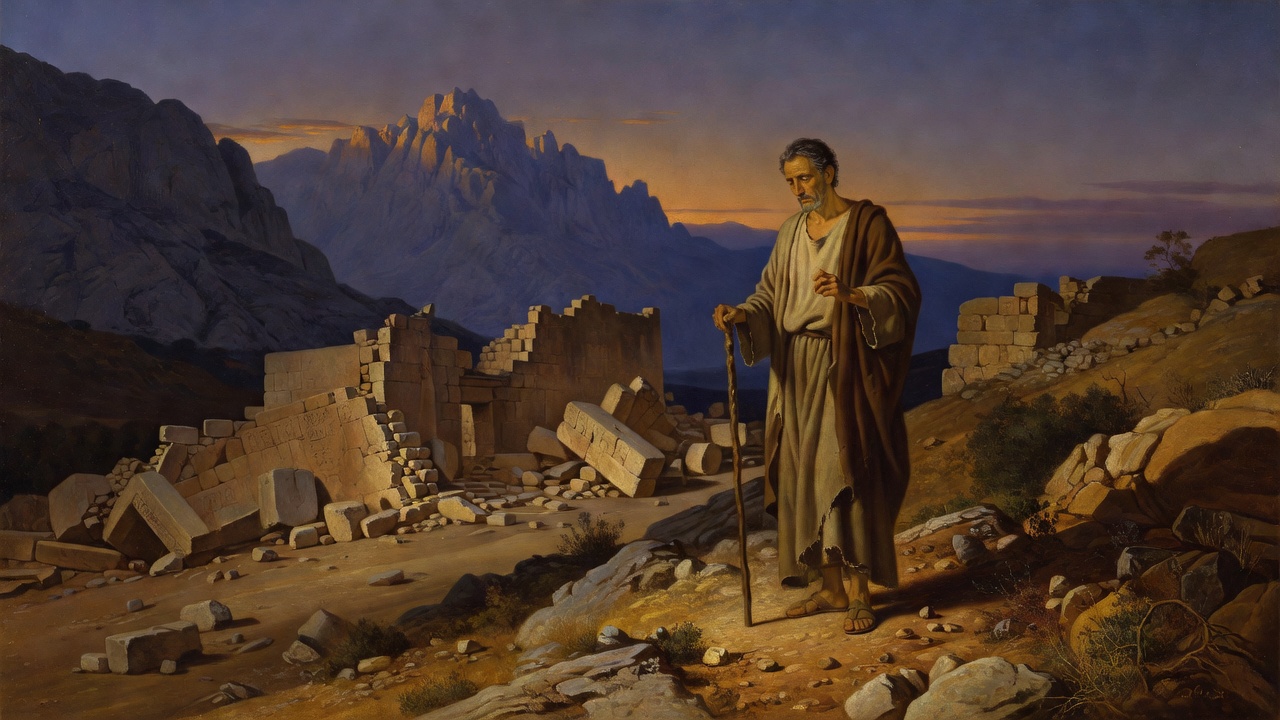
God's Covenant with David and the Broken Crown
- Attributed to Ethan the Ezrahite, Psalm 89 recalls God's enduring covenant promising to establish King David's throne forever, while also voicing a lament over the later defeat of the Davidic ruler and the destruction of his strongholds.Sources: David · the Bible text itself
- The name Rahab in verse 10 is a poetic term meaning insolence or pride, used in biblical poetry to represent the proud empire of Egypt.Sources: Rahab · the Bible text itself
- Verse 12 poetically pairs Mount Tabor, a prominent cone-shaped peak west of the Sea of Galilee, with Mount Hermon, the towering range on the northern boundary of Palestine, as emblems of the natural world rejoicing in God's creation.Sources: Tabor (Mountain) · Hermon · the Bible text itself
Notes written with AI assistance from open sources (Theographic Bible Metadata, CC BY-SA 4.0; Easton’s Bible Dictionary, public domain) and reviewed before publishing.
Places in this chapter
- Mount Hermon · 33.400, 35.850 · verse 12
- Mount Tabor · Today: Jebel et Tur · 32.686, 35.393 · verse 12
Only places identified with high confidence are shown (90% or more according to the scholarly sources compiled by OpenBible). Period map: DARE (Digital Atlas of the Roman Empire), CC BY 4.0; modern map: © OpenStreetMap contributors; places: OpenBible.info (CC BY 4.0).
Credits and license for this translation
Las Escrituras en Ashéninka Ucayali del Sur del Perú
The Holy Bible in the South Ucayali Ashéninka language of Peru
Las Escrituras en Ashéninka Ucayali del Sur del Perú
copyright © 2008 Wycliffe Bible Translators, Inc.
Language: Ashéninka Ucayali del Sur (Ashéninka, South Ucayali)
Translation by: Wycliffe Bible Translators
This translation is made available to you under the terms of the
Creative Commons Attribution-Noncommercial-No Derivatives license 4.0.
You may share and redistribute this Bible translation or extracts from it in any format, provided that:
You include the above copyright and source information.
You do not sell this work for a profit.
You do not change any of the words or punctuation of the Scriptures.
Pictures included with Scriptures and other documents on this site are licensed just for use with those Scriptures and documents.
For other uses, please contact the respective copyright owners.
2016-06-08
Source: http://ebible.org/cpy/ · eBible.org