Matthew 3
Las Escrituras en Ashéninka Ucayali del Sur del Perú · Tap a verse to see its cross-references.
Omitsiryaatantaniri Juan
1Okanta paerani janta ipatsiteki Judá-paeni, ari ipokaki Juan Omitsiryaatantaniri, ikamantantzi. 2Iroka ikantan-tapaaki: “Pipakahaero pikaaripero-shire-waetaki, tema rooteentsi ipinkathari-wentantee jaka Inkitejatzi.” 3Tema rootaki ikenkitha-takotaki paerani Kamantan-taniri Isaías, ikantzi:
Ari icheraa-haete ikaemaete ochempi-mashiki, ikanteete:
Powameetha-teeniri Pinkathari jempe ikinapaaki.
Pikimita-kaantero itampatzikae-tziro awotsi.
4Rootaki ithaaritari paerani Juan, rontyee-tziro iwitzi ikyaakoetari, rowatha-kitari mashitsi-mashi. Rii rowari kentori, imiritziri iyaa pitsi. 5Osheki pokaentsiri paerani iñeeri Juan, Aapatziyaweni-jatzi, eejatzi poñaaneen-chari otsipaki inampii-teki Judá-paeni, pokaeyakini ikaatzi nampi-thapyaa-tawori Pareenkaariniki. 6Ikamantakoyitapaakiro okaatzi rantakiri karipero-yitatsiri, rootaki romitsiryaatantakariri Juan irika-paeni iroka eni Pareenkaarini.
7Ikanta iñaawakiri Juan ipokaeyakini Inashitantaniri eejatzi Sadoc-paeni, ikoyi romitsiryaawentyari Tajorentsi riyotee-tantyaariri kiteshiretee, ikantawakiri: “Tee pikameetha-shire-teeya-nitzi eeroka, poshiya-shitakari maanki. ¿Poshiyakaa-mintheetzi eero rowajankitahae-teemi? 8Kyaari-pero-rika pipakahaero pikaaripero-shire-waetzi, pikameetha-shiretee, poshiya-kotee-yaawo pankirentsi kithoki-tatsiri. 9Eero pikanta-shire-waetzi: ‘Naaka icharini nowaejatziteni Abraham.’ Pikemi nokantemi: ‘Eero pikantakaa-pero-waeta-shita poshiya-kaantyaa eeroka ikowa-perotani Tajorentsi, tema kantacha ratziri-takaero iroka mapi, rootaki poyaatee-yaarini icharini-yitee-yaari awaejatziteni Abraham.’ 10Eerorika poshiyawo pankirentsi kithoki-tatsiri, ichekae-takiro shachaki pankirentsi oponkitziki kaari kithoki-tatsini, rahaetakiro itahaetero.
11Aririka ipakahaero ikaaripero-shirewita atziri, aritaki nomitsiryaatan-teeyaari nijaa. Roo kanteencha, awotsikitaki matzirori ipinkatharen-tsitzi, nopinkatha-tzitakari naaka, tee okantya roshiya-kaantena romperatani nothopaan-tyaanariri ikyaantari iitziki. Tema riitaki kimitakaan-tyaawoni romitsiryaatan-teeromi Ishire tajorentsi, roete-shire-tanteeromi paamari. 12Tema roteeyakiro rirori rotekaki-mento, rooteentsi ikaateero roteka-kiwaete. Rowakoyi-teero kameethari okithoki pankirentsi, ari itayimae-teeyaawo otakee-riki.”
Romitsiryaataka Jesús
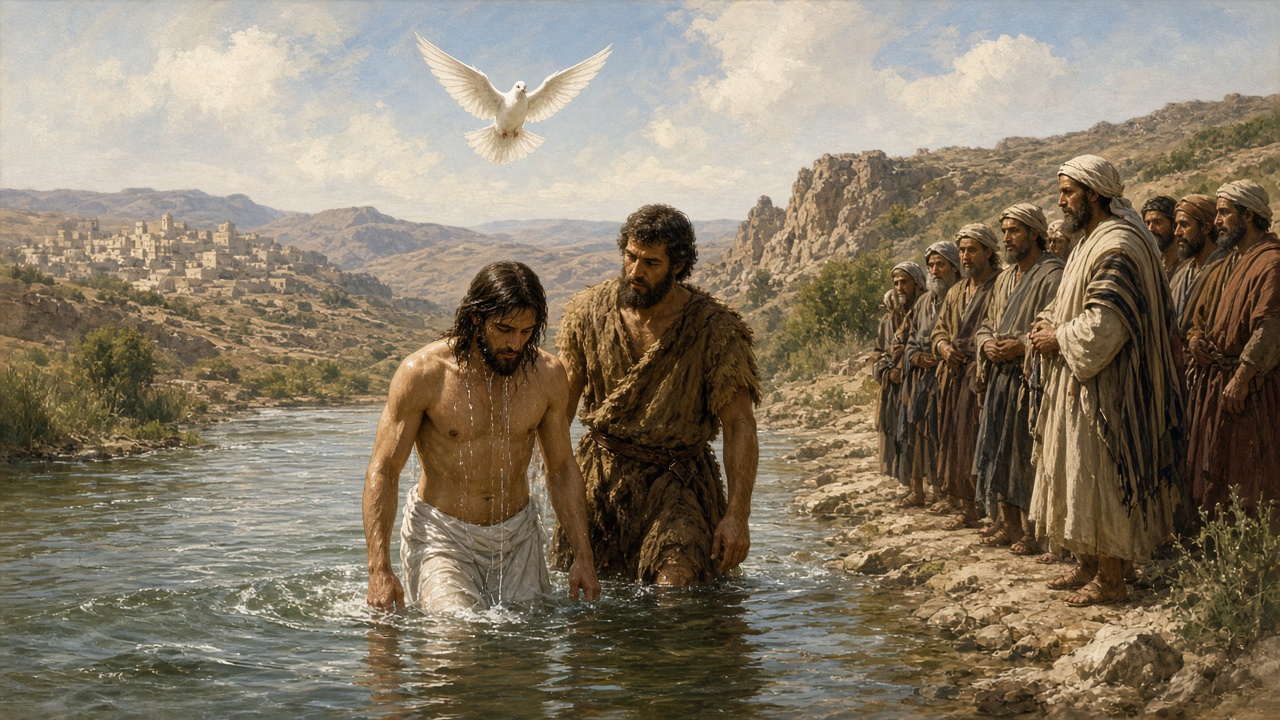
13Opoñaashitaka ipokaki Jesús eniki Pareenkaariki, ipoñaakawo Tepoweniki. Ipokashi-takiri Juan romitsiryaateri. 14Tee ikowawita Juan romitsiryaateri Jesús, ikantawakiri: “¿Iitaka pipokashi-tantanari naaka nomitsiryaatemi? Tema eeroka omitsiryaatenani naaka.” 15Rakanakiri Jesús, ikantziri: “Nokowa-pero-tatzii pomitsiryaatena. Rootaki ikowakaa-kinari Tajorentsi.” Ari ikowanaki Juan, ikantziri: “Aritaki nomitsiryaatakimi.” 16Raanakiri, romitsiryaatakiri. Ro itonkaanee-mi Jesús, kimitanaka ashitaryaa-nakityee-yaami inkite, iñahaetatzii opokashi-takiri Ishire Tajorentsi okinapaaki inkiteki oshiya-paakari jamomo. 17Ikemaetatzii inkiteki ikantee-tanaki: “Ritaki netakoperotani irika notyomi, osheki nokimo-shire-wentakiri.”
Did you know?
Repentance and Baptism at the Jordan
- Matthew identifies John the Baptist as the one spoken of through the prophet Isaiah: a voice calling in the wilderness, “Prepare the way for the Lord.” Easton's Bible Dictionary (1897) records that John’s mission was the subject of prophecy, citing this passage, Isaiah 40:3, and Malachi 3:1, and that he was of priestly descent—his father Zacharias a priest of the course of Abia, and his mother Elisabeth of the daughters of Aaron. A chronology dates both the beginning of John’s ministry and his baptism of Jesus to AD 26.Sources: the Bible text itself · John the Baptist · John the Baptist Begins Ministry · John Baptizes Jesus
- John came preaching in the wilderness of Judea, and people went out to him from Jerusalem, all Judea, and the whole region around the Jordan, confessing their sins and being baptized in the Jordan River. Easton's Bible Dictionary (1897) notes that under the Romans, in the time of Christ, Judea denoted the southernmost of the three divisions of Palestine, as distinguished from Galilee and Samaria, and included the territories of Judah, Benjamin, Dan, Simeon, and part of Ephraim. Jesus came from Galilee—called Galil by the Jews—to the Jordan to be baptized by John.Sources: the Bible text itself · Judea · Galilee
- John warned the Pharisees and Sadducees not to rely on the claim, “We have Abraham as our father,” saying that God could raise up children for Abraham from the stones. Easton's Bible Dictionary (1897) explains the name Abraham as “father of a multitude” and describes him as the son of Terah, named before his older brothers because he was the heir of the promises.Sources: the Bible text itself · Abraham
Notes written with AI assistance from open sources (Theographic Bible Metadata, CC BY-SA 4.0; Easton’s Bible Dictionary, public domain) and reviewed before publishing.
Places in this chapter
- Judea · Today: Judea 1 · 31.777, 35.234 · verses 1, 5
- Jerusalem · 31.777, 35.234 · verse 5
- Jordan · Today: Jordan River · 31.761, 35.558 · verses 5, 6, 13
- Galilee · 32.760, 35.527 · verse 13
Only places identified with high confidence are shown (90% or more according to the scholarly sources compiled by OpenBible). Period map: DARE (Digital Atlas of the Roman Empire), CC BY 4.0; modern map: © OpenStreetMap contributors; places: OpenBible.info (CC BY 4.0).
Credits and license for this translation
Las Escrituras en Ashéninka Ucayali del Sur del Perú
The Holy Bible in the South Ucayali Ashéninka language of Peru
Las Escrituras en Ashéninka Ucayali del Sur del Perú
copyright © 2008 Wycliffe Bible Translators, Inc.
Language: Ashéninka Ucayali del Sur (Ashéninka, South Ucayali)
Translation by: Wycliffe Bible Translators
This translation is made available to you under the terms of the
Creative Commons Attribution-Noncommercial-No Derivatives license 4.0.
You may share and redistribute this Bible translation or extracts from it in any format, provided that:
You include the above copyright and source information.
You do not sell this work for a profit.
You do not change any of the words or punctuation of the Scriptures.
Pictures included with Scriptures and other documents on this site are licensed just for use with those Scriptures and documents.
For other uses, please contact the respective copyright owners.
2016-06-08
Source: http://ebible.org/cpy/ · eBible.org