Jeremiah 29
Las Escrituras en Ashéninka Ucayali del Sur del Perú · Tap a verse to see its cross-references.
Rojankinari Jeremías rashi Noshikaa-rewo-paeni
1Iroka rojankinari Kamantan-taniri Jeremías. Rootaki rojankina-takiri ijeekira Aapatziyaweniki, rotyaantziniri antari-pero-paeni inoshikae-takiri. Rotyaantziniri eejatzi Ompera-tajorentsitaa-rewo, Kamantan-taniri, eejatzi Aapatziyaweni-jatzi inoshikakiri paerani Nabucodonosor raanakiri Kompitaariki. 2Aripaete rotyaantaki jankinarentsi ishitowan-taari pinkathari Jeconías inoshikae-tantariri otsipaki nampitsi, eejatzi ikan-takiro iina pinkathari, ikaatzi inampinatari ipankoki pinkathari, jewayita-tsiri Aapatziyaweniki, maawoeni Judá-paeni, yotzirori rowetsika-waetzi eejatzi eshiro-pakori-paeni. 3Riitaki amakirori jankinarentsi Elasa, itomi Safán, itsipatakari Gemarías, itomi Hilcías. Riitaki rotyaantaki Sedequías, iwinkatharite Judá-paeni, riyaatero Kompitaariki iñiiri Nabucodonosor. Iroka okantzi jankinarentsi:
4“Iroka iñaani Tajorentsi Ñaaperori, Itajorentsite Israel. Rootaki ikowawi-takari ikamanteri nampiwi-tawori Aapatziyaweniki, ikantakaakawo inoshikaeteri Kompitaariki, ikanteeri: 5‘Piwetsiki pipanko-paeni, pinampi-tyaawo janta. Pipankite powayityaari. 6Paawakaeyiteeya, itzimantyaari pitomi-paeni eejatzi pishinto-paeni, ari ikimityaari rirori-paeni raawakaayiteeyaa itzimantyaari itomi-paeni. Pishenite, eero pishineta ithonkaetemi. 7Pantawaete eero pikoshekanta jempe pijeekaki, pikantena noneshironkatemi. Aririka noneshironkateri ashitawori inampi, rootaki neshironka-taantsi piñiiri eerokapaeni. 8Naaka Tajorentsi Ñaaperori, Itajorentsite Israel, pikemi nokante: Paamawentyaa ramatawi-tzimi-kari kamantan-tawitachari, ñaawyaa-taniri-paeni ikaatzi pojatekan-takari jaka. Eero pakakotziri imishiwaero. 9Aririka ikenkithate ipaereero nowaero, theeyaantsi. Tee naaka otyaanterini.’ Rootakira ikantakiri Tajorentsi. 10Rapiitakiro Tajorentsi, ikantzi: ‘Aririka pimonkaa-takiro eerokapaeni pijeekaeyini Kompitaariki okaate 70 ojarentsi, aripaete noneshironka-teemi, aritaki noepiyeemi pinampiiteki, rootaki nokantzi-takimiri paerani.’
11Ikantzi eejatzi Tajorentsi: ‘Tema niyotzi naaka nokenkishiryaa jempe nokantemi pijeeka-yitan-teeyaari kameetha, eero pashironkaa-waetanta, aritaki pinintahaeyaa paata. 12Aripaete pikowako-teena, pamaneena, aritaki nokemakimi okaatzi pikowako-tanari. 13Pithotyaako-teena, aritaki piñahaena. Tema kyaaripero pikyaaryoo-wenta-shire-teena. 14Aritaki, piñahaena. Eero apiita okaatzi piñiiri nimaeka. Tema nahaemi maawoni jempe pijeeka-yitaki nampitsiki. Nopiyoteemi. Aritaki pipiye jempe pinampitawo paerani inoshikan-teeta-kimiri. Naaka Tajorentsi, kantatsi.’ Aritaki ikantzi iñaawaetaki Tajorentsi.
Did you know?
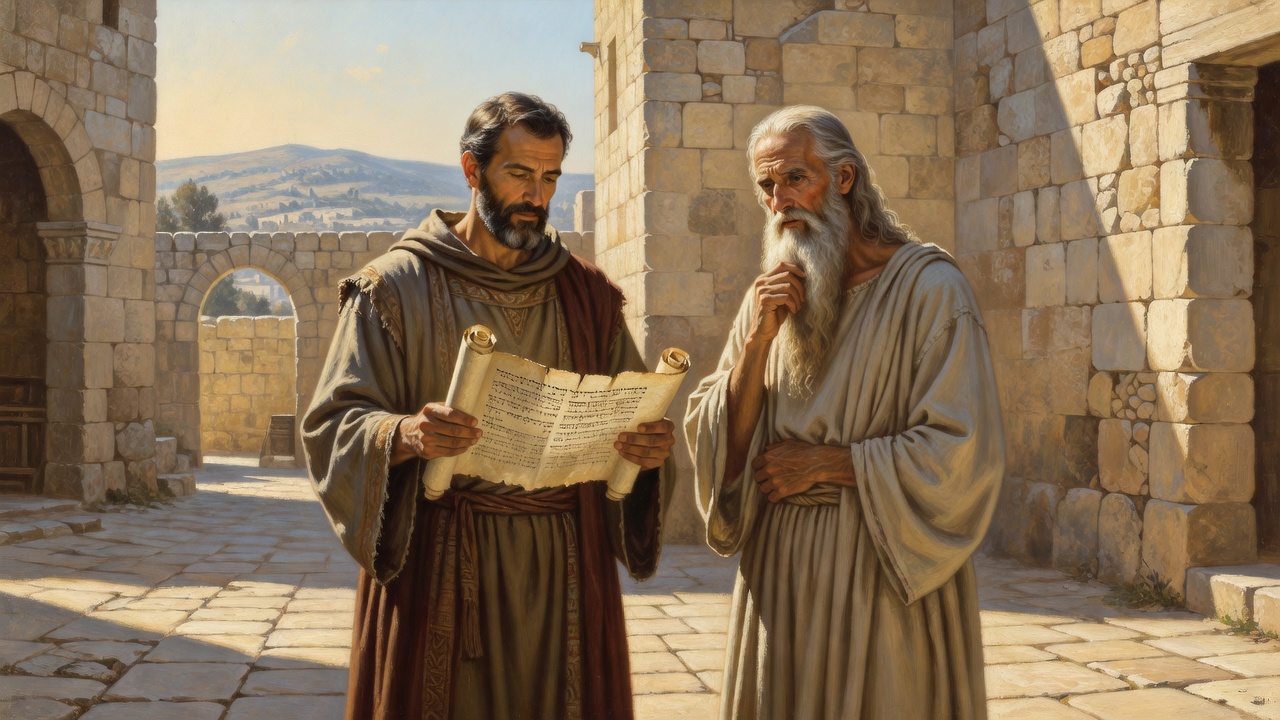
Jeremiah's Letter to the Exiles in Babylon
- Jeremiah sent his letter to the exiles carried by Elasah son of Shaphan and Gemariah son of Hilkiah, royal envoys dispatched by King Zedekiah to Nebuchadnezzar in Babylon. Rather than anticipating an immediate return, the deportees were advised to build houses, plant gardens, marry, and pray for the welfare and peace of the city where they lived.Sources: the Bible text itself · Elasah · Gemariah
- The prophet warned the community against trusting diviners and false prophets who claimed the captivity would end quickly. Instead, the divine message announced that the exile under Babylonian rule would last seventy years before God would restore them to Jerusalem.Sources: the Bible text itself
- The chapter records an exchange of letters between Jerusalem and Babylon. A rival prophet named Shemaiah the Nehelamite sent letters from Babylon to the priest Zephaniah in Jerusalem, demanding that Jeremiah be put in stocks for urging the exiles to settle down for a lengthy stay.Sources: the Bible text itself · Shemaiah · Zephaniah
Notes written with AI assistance from open sources (Theographic Bible Metadata, CC BY-SA 4.0; Easton’s Bible Dictionary, public domain) and reviewed before publishing.
Places in this chapter
- Babylon · 32.543, 44.422 · verses 1, 3, 4, 8, 10, 15, 16, 20, 21, 22, 24, 28, 31
- Jerusalem · 31.777, 35.234 · verses 1, 2, 4, 16, 20, 25
Only places identified with high confidence are shown (90% or more according to the scholarly sources compiled by OpenBible). Period map: DARE (Digital Atlas of the Roman Empire), CC BY 4.0; modern map: © OpenStreetMap contributors; places: OpenBible.info (CC BY 4.0).
Credits and license for this translation
Las Escrituras en Ashéninka Ucayali del Sur del Perú
The Holy Bible in the South Ucayali Ashéninka language of Peru
Las Escrituras en Ashéninka Ucayali del Sur del Perú
copyright © 2008 Wycliffe Bible Translators, Inc.
Language: Ashéninka Ucayali del Sur (Ashéninka, South Ucayali)
Translation by: Wycliffe Bible Translators
This translation is made available to you under the terms of the
Creative Commons Attribution-Noncommercial-No Derivatives license 4.0.
You may share and redistribute this Bible translation or extracts from it in any format, provided that:
You include the above copyright and source information.
You do not sell this work for a profit.
You do not change any of the words or punctuation of the Scriptures.
Pictures included with Scriptures and other documents on this site are licensed just for use with those Scriptures and documents.
For other uses, please contact the respective copyright owners.
2016-06-08
Source: http://ebible.org/cpy/ · eBible.org