Genesis 26
Las Escrituras en Ashéninka Ucayali del Sur del Perú · Tap a verse to see its cross-references.
1Aripaete apiitaka iñahaetaki antawoete tashetsi janta, oshiyawo iñaakiri paerani Abraham-ni eeniro rañaawita. Rootaki riyaatantakari Isaac janta Gerar-ki, inampiwitawowa Abimelec, pinkathariwentziriri Filistia-jatzi. 2Ari roñaahaari Tajorentsi, ikantakiri: “Eero piyaatzi Egipto-ki. Ari pijeeke jempe nonintakakimiro naaka. 3Roojatzi pijeekawaki jaka nampitsiki. Aritaki notajonkawentakimi, tema nopakimiro maawoeni iroka kepatsi, roojatzi rashiteeyaarini eejatzi pitomipaeni. Rootaki nomonkaatantyaawori nokashiyaakaakiriri paerani ashitzimiri Abraham. 4Aritaki noshekyahaemiri pitomipaeni roshiyaari jempe ikanta roshekitzi ompokiro jenokinta. Aritaki nashitakahaeyaari maawoeni kepatsi. Riitaki kantakahaeyaawoni pitomipaeni itajonkawentanteetyaariri maawoeni inashiyitachari isheninkapaeni. 5Tema ithotyaakiro paerani Abraham-ni ikemijantakiro nokantayitziriri, nonintakaantane, okaatzi niyotaayitziriri eejatzi.”
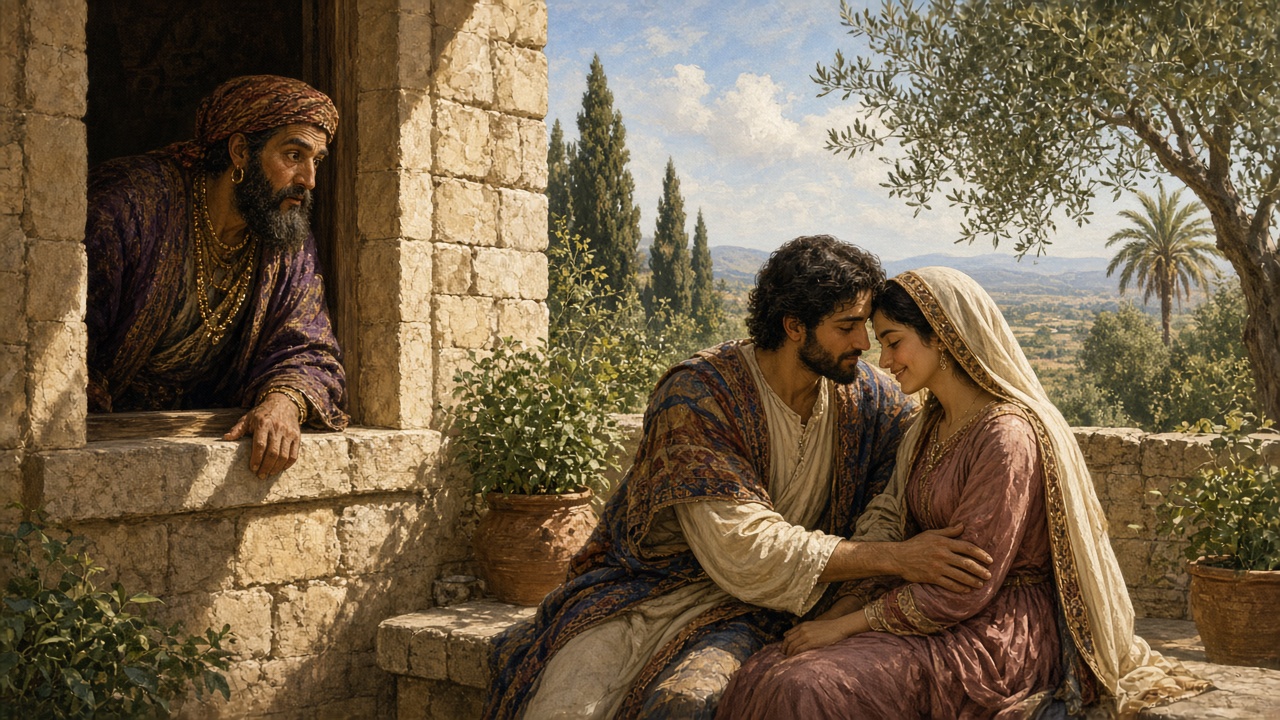
6Rootaki ijeekantapaakari Isaac janta Gerar-ki. 7Ikanta rojampikowentziro Rebeca irikapaeni nampitawori janta, thaawanaki Isaac ikante rootaki iina, apatziro ikantzi choeni ini. Tema maperori okameethantotzi Rebeca, rootaki ikenkithashiretantakari Isaac ari rompojanteetakyaari iina. 8Ojamanitaki ijeekawaetaki Isaac janta. Okanta raminawaetzi Abimelec imoontzirowa ipanko, iñaakiri Isaac inintaawaetziro iina Rebeca. 9Ari ikaemakaantakiri, rojampitakiri ikantziri: “Tema rootaki piina iroka, ¿tema ari? ¿Iitaka pikantantarikya choenira ini?” Ikantanaki Isaac: “Noshiyakaamintheetzi ari pompojantakinawo.” 10Ikantanakiri Abimelec: “Iitaka pikoshekawaetantari. Eepichokiinitaki, notsipatantyaaworimi piina, arira pikaariperotakaakinami.” 11Ikanta Abimelec ikantakiri maawoeni jeekatsiri nampitsiki: “Iitakarika koshekakyaarini irika atziri, koshekakyaawoni iina eejatzi, aritaki nompojakaantakiri.”
12Ari ipankiwaetakiri Isaac janta, rowiitakiro iwankiri, tema Tajorentsi tajonkawentakiriri. 13Oshekitzimotakiri osheki rowaahawo, ashaahantzinkari rini. 14Oshekini rovejate, ivacate. Osheki ikaatzi eejatzi romperatane. Rootaki ikijaneetantanakariri Filistia-jatziite. 15Tema paerani eeniro rañaawita Abraham ashitariri, ikiyakotakaakiri nijaateni romperatanepaeni. Roo kantacha ipokaeyakini Filistia-jatzi ityakitapakiro maawoeni. 16Tee ikijashitapaawo Abimelec, ikantakiri Isaac: “Pishitoyi nonampiki, tema pawijakina naakapaeni tzimaki pashaahawo.”
17Shitowanaki Isaac ijeekapaki janta Gerar-ki. Ari inampitapaawo. 18Rapiitapaero ikiyaatapaero nijaateni ikiyaatakiri paerani ipaapate, ityaakiwitaari Filistia-jatzi ikamakira Abraham. Rowaeniro owaero nijaateni iitzirowa paerani ipaapate. 19Ikanta ikiyaateeyironi nijaateni romperatanipaeni Isaac, rareetakawo oshitowaatzira nijaateni. 20Ikanta koeratziriri rovejatepaeni Abimelec janta Gerar-ki, ikijapaakiri koeratziriri rovejate Isaac. Tema ikantawakaeyatyaani: “Iroka nijaateni nashi.” Rootaki iitantakawori Isaac iroka nijaateni “Esek”, tema ari rantawakaawentakawori nijaateni. 21Ari ikiyaatakotee romperatanepaeni Isaac otsipa nijaateni, roojatzi rapiitakiri ikijawakaawentawo, rootaki iitantaawori Isaac iroka nijaateni “Sitna.” 22Rootaki ishirinkantaari Isaac ijeekae inteena, ikiyaatakotee otsipa nijaateni. Teera itzimapae kijawakaawentyaawoni, iitakiro nijaateni “Rejobot”, tema ikantakitzi ikenkithawaetzi: “Ishinetakaero Tajorentsi anintaawaeteeya jaka, ari añaakiro oshekitzimotee oetarika.”
23rojatzi riyaatantanaka Isaac janta Beerseba-ki. 24Okanta tsirenipaeteki roñaahakari Tajorentsi, ikantakiri:
“Naakataki Itajorentsite pipaapate Abraham.
Eero pithaawashiwaeta, naakataki tsipatzimiri.
Ikantakaantakiro nomperatane Abraham, aritaki notajonkawentakimi,
Aritaki noshekyahaemiri pitomipaeni.” 25Rootaki rowetsikantakari Isaac taapokimentotsi janta, ramanantyaariri Tajorentsi. Irira ijeekawaetakiri janta, ari ikiyaatakiri eejatzi romperatanepaeni nijaa.
26Ikanta ipokaki Abimelec ipoñaanakawo janta Gerar-ki ikenkithawaetakakiri Isaac. Itsipatakari raapatziyane iita Ajuzat, eejatzi Ficol, riitaki eewatziriri owayiriite. 27Ikantawakiri Isaac: “¿Iitaka pipokashitantanari nimaeka piñena? Tema pomishitowakina paerani pinampiki, tee pikowana janta.” 28Ari ikanteeyini riroripaeni: “Noñaakitziimi naakaete itsipatzimi eeroka Tajorentsi. Nokenkithashiretaka otzime antzimotawakaeyaari. Iroka okaate nokantemiri: 29Tee nokoyi powaariperotena, tee nokoshekawaetzimi eeroka. Tema osheki naakameethatakimi, kameethaha notyaanteemi paerani eeroka, osheki itajonkawentakimi Tajorentsi.” 30Ikanta Isaac osheki roemoshirenkakahaeyanakarini irikapaeni, osheki rirawaeteeyanakini, rowaeyakani eejatzi. 31Ikanta ipiriintamana okitejitamaneera, imatakiro rantzimotawakaeyaari, kameetha raapatziyawakaana apitepaeni. Ikanta Isaac, riwethatawaari riyaateeyeenira irikapaeni. 32Tekira awijita otsipa kitejeri, ipokaeyapaakini romperatane Isaac, ikamantapaakiri iñaaki otsipa nijaateni ikiyaatakiri. 33Rootaki iitantakawori Isaac iroka nijaateni “Seba.” Iitanakiro nampitsi “Beerseba.”
34Ikanta Esaú, tzimaki okaatzi 40 rojarentsite, raantakawori Judit, rishinto Beeri, Het-ite rini. Raakiro eejatzi Basemat, rishinto itsipa Het-ite iiteetziri Elón. 35Iroka apite tsinani, osheki okijashiryaakiri Isaac eejatzi Rebeca.
Did you know?
Isaac in Gerar
- During a famine, Isaac sought refuge with Abimelech, king of Gerar, an ancient town and district on the southern border of Palestine. Easton's Bible Dictionary (1897) notes that Isaac acted toward his wife Rebekah much as his father Abraham had acted toward Sarah there: he said she was his sister. Abimelech later rebuked him when the deception was discovered.Sources: Abimelech (King of Gerar) · Gerar · the Bible text itself
- The names of wells in the Valley of Gerar recall the disputes over them. Esek means “quarrel,” because the herdsmen of Gerar claimed the water, and Sitnah means “strife.” Isaac also reopened wells that his father Abraham’s servants had dug and that the Philistines had stopped up, and he gave them the same names his father had given them.Sources: Esek · Sitnah · the Bible text itself
- Beersheba means “well of the oath” or “well of seven.” According to Easton's Bible Dictionary (1897), Abraham dug a well there and named it after a compact with Abimelech, and Isaac gave it the same name when he reopened it. The dictionary also identifies Phicol—“great”—as chief captain of Abimelech’s army, and says he took part in Abraham’s alliance over that well.Sources: Beersheba · Phichol · the Bible text itself
Notes written with AI assistance from open sources (Theographic Bible Metadata, CC BY-SA 4.0; Easton’s Bible Dictionary, public domain) and reviewed before publishing.
Places in this chapter
- Egypt · 30.129, 31.308 · verse 2
- Valley of Gerar · Today: about 3 km around Tel Haror · 31.382, 34.606 · verses 17, 19
Only places identified with high confidence are shown (90% or more according to the scholarly sources compiled by OpenBible). Period map: DARE (Digital Atlas of the Roman Empire), CC BY 4.0; modern map: © OpenStreetMap contributors; places: OpenBible.info (CC BY 4.0).
Credits and license for this translation
Las Escrituras en Ashéninka Ucayali del Sur del Perú
The Holy Bible in the South Ucayali Ashéninka language of Peru
Las Escrituras en Ashéninka Ucayali del Sur del Perú
copyright © 2008 Wycliffe Bible Translators, Inc.
Language: Ashéninka Ucayali del Sur (Ashéninka, South Ucayali)
Translation by: Wycliffe Bible Translators
This translation is made available to you under the terms of the
Creative Commons Attribution-Noncommercial-No Derivatives license 4.0.
You may share and redistribute this Bible translation or extracts from it in any format, provided that:
You include the above copyright and source information.
You do not sell this work for a profit.
You do not change any of the words or punctuation of the Scriptures.
Pictures included with Scriptures and other documents on this site are licensed just for use with those Scriptures and documents.
For other uses, please contact the respective copyright owners.
2016-06-08
Source: http://ebible.org/cpy/ · eBible.org