Ezekiel 18
Las Escrituras en Ashéninka Ucayali del Sur del Perú · Tap a verse to see its cross-references.

About this book
About Ezekiel
- Easton's Bible Dictionary (1897) presents the Book of Ezekiel as the prophet Ezekiel's words, opening with the account of his call to the prophetic office in chapters 1-3. It places later prophecies after Nebuchadnezzar's destruction of Jerusalem, and notes that Ezekiel mentions Daniel fourteen years after Daniel's deportation from Jerusalem and again about five years later.Sources: Easton: Ezekiel, Book of · Nebuchadnezzar
- These words are set among Jews of the captivity beside the river Chebar, in the land of the Chaldeans. Easton records two identifications of that river: some have taken it for the Habor, the Chaboras or modern Khabour, while another opinion, which he says has much to support it, identifies Chebar with Nebuchadnezzar's royal canal, the Nahr Malcha. From that exile the prophet warns of the certain destruction of Jerusalem, contrary to false prophets, and later speaks after the city has fallen.Sources: Easton: Ezekiel, Book of · Chebar · Jerusalem
- Easton says the book consists mainly of three groups of prophecies. After the call, Ezekiel denounces the Jews and warns of Jerusalem's ruin, with symbolic acts in chapters 4 and 5 that Easton says show acquaintance with Levitical legislation; then come prophecies against the Ammonites, Moabites, Edomites, Philistines, Tyre and Sidon, and Egypt. After Jerusalem's destruction, chapters 33-39 concern the triumphs of Israel and of the kingdom of God on earth, and chapters 40-48 what Easton calls Messianic times and the establishment and prosperity of that kingdom.Sources: Easton: Ezekiel, Book of
- Easton's Bible Dictionary (1897) characterizes Ezekiel's prophecies by symbols, allegories, and symbolic actions, and calls them obscure and enigmatical. It records that Jerome called the book "a labyrinth of the mysteries of God," and states that because of this obscurity the Jews forbade anyone to read it until the age of thirty. The same entry notes that the closing visions are referred to in the book of Revelation, and that Ezekiel refers with unusual frequency to the Pentateuch and shows acquaintance with Hosea, Isaiah, and especially Jeremiah, his older contemporary.Sources: Easton: Ezekiel, Book of
Notes written with AI assistance from open sources (Theographic Bible Metadata, CC BY-SA 4.0; Easton’s Bible Dictionary, public domain) and reviewed before publishing.
Antayiteeri apawopaeni
1Ipokaki Tajorentsi nojeekira naaka, ikantakina: 2“¿Iitaka kaari okoñaatanta inampiki Israel ikenkithawaeteetziri paerani ikanteetziri: ‘Arika ithotero ashitanari kachori chochoki, riitaki itomipaeni tsiyaekitee raekiki.’? 3Naaka Tajorentsi, pikemena nopaeriiro nowaero, eero papiiteero eerokaete pikenkithawaeteero ikenkithawaetziri paerani Israel-paeni. 4Naaka ashitari maawoeni atziri, nashitari ipaapateetari eejatzi itomipaenipaeni. Ikaate kaariperotatsini, otzimatye ikame.
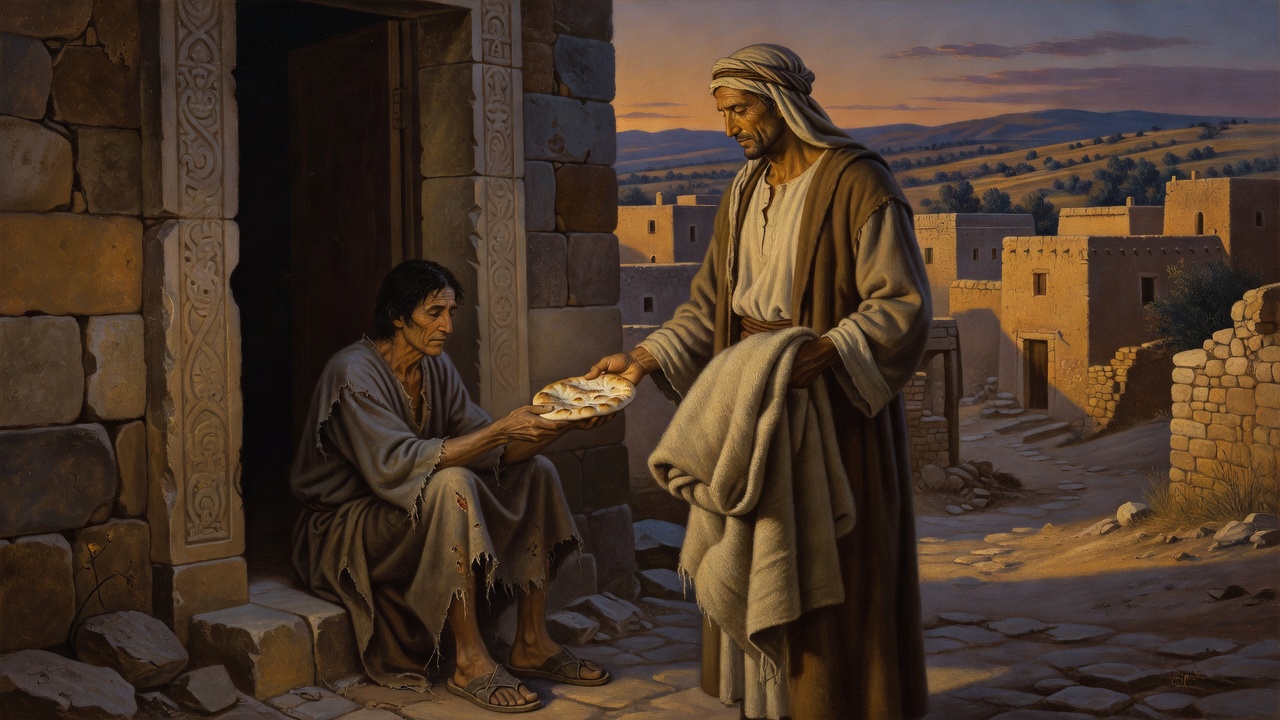
Did you know?
Individual Responsibility and Repentance
- The popular proverb about fathers eating sour grapes and children's teeth being set on edge expressed a fatalistic belief that the current generation was being punished solely for the sins of their ancestors. The chapter firmly rejects this proverb, establishing the principle that each individual is held accountable for their own moral choices.Sources: the Bible text itself
- To illustrate individual responsibility, the text examines three successive generations: a righteous father, a violent son, and a moral grandson. It emphasizes that righteousness and guilt are not inherited, and that even a wicked person who repents will live, because God takes no pleasure in anyone's death.Sources: the Bible text itself
Notes written with AI assistance from open sources (Theographic Bible Metadata, CC BY-SA 4.0; Easton’s Bible Dictionary, public domain) and reviewed before publishing.
Credits and license for this translation
Las Escrituras en Ashéninka Ucayali del Sur del Perú
The Holy Bible in the South Ucayali Ashéninka language of Peru
Las Escrituras en Ashéninka Ucayali del Sur del Perú
copyright © 2008 Wycliffe Bible Translators, Inc.
Language: Ashéninka Ucayali del Sur (Ashéninka, South Ucayali)
Translation by: Wycliffe Bible Translators
This translation is made available to you under the terms of the
Creative Commons Attribution-Noncommercial-No Derivatives license 4.0.
You may share and redistribute this Bible translation or extracts from it in any format, provided that:
You include the above copyright and source information.
You do not sell this work for a profit.
You do not change any of the words or punctuation of the Scriptures.
Pictures included with Scriptures and other documents on this site are licensed just for use with those Scriptures and documents.
For other uses, please contact the respective copyright owners.
2016-06-08
Source: http://ebible.org/cpy/ · eBible.org