Exodus 8
Las Escrituras en Ashéninka Ucayali del Sur del Perú · Tap a verse to see its cross-references.
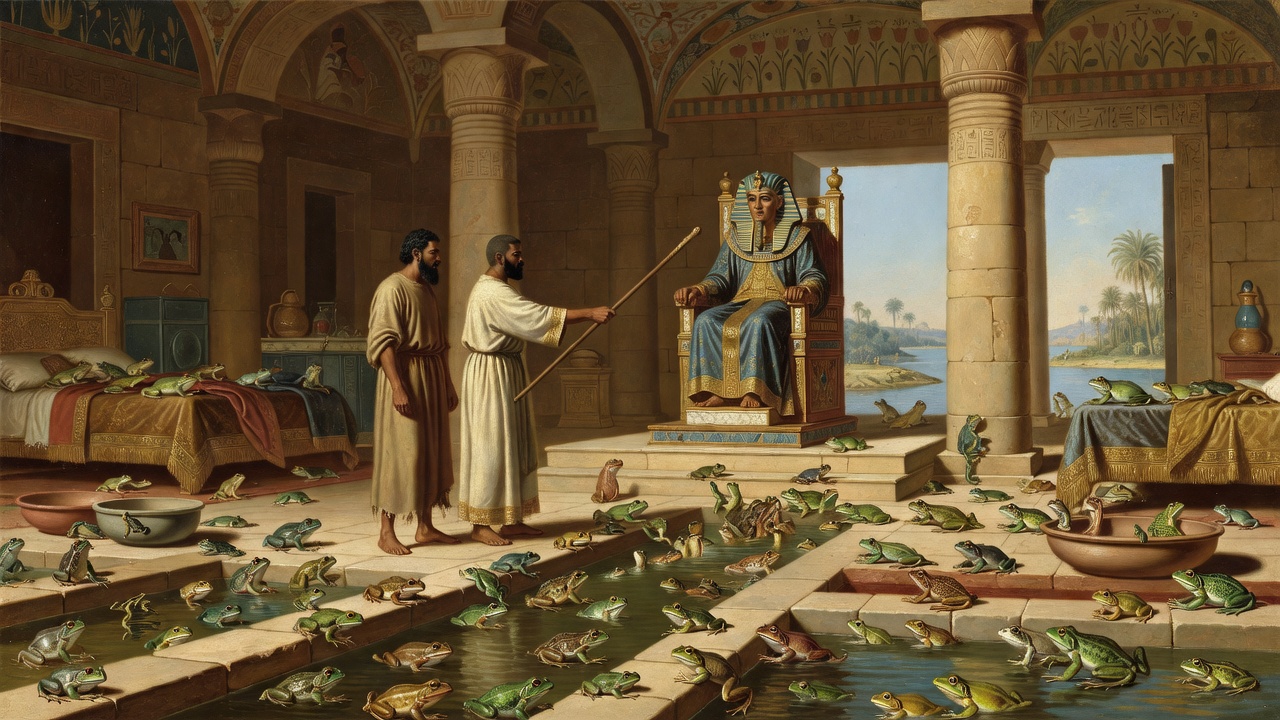
1Ari rapiiteero Tajorentsi ikanteeri Moisés: “Piyaate ijeekira Faraón, pikanteri: ‘Ikantzi Tajorentsi: “Pishineteri ikaatzi nashitari naaka riyaate ipinkatha-teena. 2Eerorika pishine-tashitari, aritaki nowajankitaan-takimiri mashero-paeni maawoeni piipatsiteki. 3Ari itzimaki osheki mashero nijaaki, ikyaayite pipankoki, eejatzi jempe pimaapiintzi. Tema ari ithonkyaa ikyaapaaki ipankopaeniki pinampina-paeni, eejatzi ipankopaeniki maawoeni pisheninka. Ari ikyaayitaki pitashi-mentoki, pichomoniki-paeni, maawoeniki. 4Ithonkyaa rateeta-paakimi mashero-paeni, eejatzi ikanta-paakiri maawoeni pisheninka-paeni. Imatakiri pinampina-paeni eejatzi.” ’” 5Opoñaashita ikantanakiri Tajorentsi Moisés: “Pikanteri Aarón rowaankiro ikotzi jempe otzimayitzi nijaa, jempe rowaan-teetawo eejatzi. Ari ipoñeeyaari mashero-paeni iñahaeteri Apitantoniki.” 6Ari rowaanka-nakiro Aarón ikotzi jempe otzimayitzi nijaa janta Apitantoniki. Tema tonkaapaaki osheki mashero, ipamankapaakiro nampitsipaeni Apitantoniki. 7Roo kanteencha imatzitakawo sheripiyari-paeni, roetonkaaki isheripiyarin-kakiini rirori osheki mashero janta Apitantoniki.
8Rootaki ikaemakaan-tanta-kariri Faraón ipoki Moisés eejatzi Aarón, ikantawakiri: “Pikowako-teeri Tajorentsi ipeyeeri mashero-paeni ikaatzi oñaashirenka-kinari naaka eejatzi nosheninka-paeni. Aritaki noshine-takiri pisheninka-paeni riyaate itayiniri ratsipe-takaani Pitajorentsite.” 9Ari rakanakiri Moisés pinkathari Faraón, ikantziri: “Pikantena jemperika okaatzi namanakotantemiri eeroka, pinampina-paeni eejatzi pisheninka-paeni, eero roñaashirenkan-teemi mashero-paeni pipankokipaeni, apatziro ijeeki nijaaki.” 10Ikantzi Faraón: “Okiteeje-tamanee.” Ikantzi Moisés: “Aritaki omatakyaa okaatzi pikowakiri, rootaki piyotan-tyaari tekatsi itsipa monkaatyaarini Notajorentsite. 11Tema eero itzimanee mashero-paeni pipankoki, eejatzi ipankoki pinampina-paeni, ari ikantzitakyaa ipankokipaeni pisheninka-paeni, apatziro ijeekayite nijaaki.” 12Ikanta ipiyaa Moisés eejatzi Aarón ipoñahaawo ipankoki Faraón. Ari ramananaka Moisés ikowako-tziri Tajorentsi ipeyeeri mashero-paeni ikaatzi oñaashirenka-kiriri Faraón. 13Imatakiro Tajorentsi okaatzi ikowakiri Moisés. Ithonka ikamanaki mashero-paeni kyahaen-tsiri pankotsiki, piyoteen-chari okaankiityeera, eejatzi owaantsiki-paeni. 14Tema ithonka ipiyota-kaanteetakiri mashero ikaatzi kamaentsiri, shityeenka-mashitaki. 15Tema tekatsi kantashiryaaneerini Faraón, kameetha ijeekanee. Ari rapiita-neero ikijo-shire-tanee, tee rantziro ikantawi-teetariri, mataka okaatzi ikantzi-takari Tajorentsi.
16Ari rapiiteero Tajorentsi ikanteeri Moisés: “Pikanteri pirentzi Aarón: ‘Powaankiro pikotzi, pipaja-panetero kepatsi, tema rootaki peyaneen-chani netsi, ithonkyaa iñahaeteri maawoeni Apitantoniki.’” 17Tema imatakiro Aarón okaatzi ikantee-takiriri. Rowaankakiro ikotzi, ipaja-panetakiro kepatsi, peyanaka netsi. Riitaki shenita-neentsiri maawoeniki Apitantoniki. Tema roñaashirenka-paakiri atziri-paeni eejatzi piratsi-paeni. 18Ari imawitakawo eejatzi sheripiyari-paeni ipeyiri netsi isheripiyarin-kakiini, teemaeta imatziro. Tema osheki ikantanaka ini atziri-paeni eejatzi ipira-paeni. 19Ikantawi-takari sheripiyari-paeni pinkathari Faraón, ikantziri: “Okaatzi piñaakiri, Tajorentsi kantakaawo.” Teemaeta ikemi Faraón ikantawi-teetariri, tema mataka okaatzi ikantzi-takari Tajorentsi.
20Ari rapiiteero Tajorentsi ikanteeri Moisés: “Pananin-kashiteri okiteeje-tamanee Faraón riyaata-manee nijaaki, pikanteri: ‘Iroka ikantzi Tajorentsi: “Pishineteri riyaatee nashitari naaka ipinkatha-teena. 21Tema eerorika pishine-tziri riyaate, aritaki notyaantaki osheki inashi-tachani shimpoki-paeni, riitaki oñaashirenka-paakimini pipankoki, ipankoki pinampina-paeni eejatzi ipankokipaeni maawoni pisheninka-paeni. Ithonkaero maawoeni iipatsite jempe inampiyitawo. 22Eeromaeta itzimi shimpoki-paeni Okaakishaariki jempe ijeeki Israel-paeni, ikaatzi nashitari naaka. Tema rootaki piyotan-tyaari naaka Tajorentsi ashitawori kepatsi. 23Tema naaka ookakaa-wenteerini maawoeni nashitari naaka, ikaatzi pashi-witakari eeroka. Inkaamani omatyaa iroka.” ’” 24Tema imatakiro Tajorentsi okaatzi ikantakiri, pokapaaki osheki shimpoki ipankoki Faraón, ipankoki inampina-paeni, eejatzi ipankoki isheninka-paeni, ithonka ipamankapaakiro maawoeni Apitantoni. Tema ithonka rowaaripero-tanta-paaki irika-paeni shimpoki.
25Rootaki ikaeman-takariri Faraón irika Moisés eejatzi Aarón, ikantakiri: “Kantacha piyaate pitayiniri patsipe-takaani Pitajorentsite, roo kanteencha eero pawijiro jempe oweyaa nampitsi.” 26Ari ikantzi Moisés: “Tee inimotana pikantanari, tema piwinkani roori aririka notayiniri Notajorentsite. Aririka nomatakiro iwinkani Apitantoni-jatzi, aritaki rowamaa-wentakinawo. 27Otzimatyee niyaateeyeni, tema okaatzi mawa kiteejeri nanashitya ochempi-mashiki, notayiniri natsipe-takaani Notajorentsite, nanteero okaatzi ikantanari rirori.” 28Ikantzi Faraón: “Aritaki noshine-takimi piyaate pitayiniri patsipe-takaani Pitajorentsite janta ochempi-mashiki, eeromaeta piyaa-perotzi inteena. Pamanakotena eejatzi naaka.” 29Ikantzi Moisés: “¡Pinkatharí! Aririka noshitowanee nokenkitha-waetakaemi, aritaki nokowako-takiri Tajorentsi ipeyeeri inkaamani irika-paeni inashi-yitachari shimpoki ikaatzi oñaashirenka-kimiri eeroka, pinampina-paeni eejatzi pisheninka-paeni. Okantashitzimaetya eero papiitziro pamatawitana, pithañee-yaari nosheninka-paeni riyaate itayiniri ratsipe-takaani Notajorentsite.”
30Ari ishitowanee Moisés ikenkitha-waetakaeri ipankoki Faraón, ramanaari Tajorentsi. 31Imatakiro Tajorentsi okaatzi ikowakiri Moisés. Peyanaa shimpoki-paeni ikaatzi oñaashirenka-kiriri Faraón, inampina-paeni eejatzi maawoeni isheninka-paeni, tekatsi apaani tzimahaan-tanaa-tsini. 32Roo kanteencha Faraón, rapiita-neero ikijo-shire-tawaetzi, tee ikemijantziro ikantee-tziriri, tee ishinetziri riyaatee Israel-paeni.
Did you know?
Three Plagues on Egypt
- The frogs of this chapter swarm up from the Nile, a name the Old Testament does not use. Easton's Bible Dictionary says the river appears as Sihor, “the black stream,” or simply “the river,” and that the White Nile and the Blue Nile unite at Khartoum, then run 1,800 miles and enter the Mediterranean through two branches. Aaron stretches his staff over the rivers, canals, and ponds, and the frogs cover the land of Egypt.Sources: Nile · the Bible text itself
- When flies fill the houses of the Egyptians and ruin the land, the chapter says none will be found in Goshen, where the Israelites live, as a distinction between the two peoples. Easton's Bible Dictionary describes Goshen as a district east of the Nile, apparently not far from the royal residence, also called the land of Rameses because Pithom and Rameses lay within its borders, and it also links the district with Zoan, or Tanis. The same entry calls it “the best of the land.”Sources: Goshen · the Bible text itself
- Moses and Aaron speak with Pharaoh in person. Easton's Bible Dictionary (1897) places the Pharaoh of the Exodus at Zoan, the setting of his interviews with them recorded in Exodus, but leaves his identity an open question between Menephtah, called there the fourteenth and eldest surviving son of Rameses II, and Seti II, adding that some think the evidence favors Seti II.Sources: Pharaoh (of the Exodus) · the Bible text itself
Notes written with AI assistance from open sources (Theographic Bible Metadata, CC BY-SA 4.0; Easton’s Bible Dictionary, public domain) and reviewed before publishing.
Places in this chapter
- Nile · Today: Nile River · 31.465, 30.367 · verses 3, 9, 11
- Egypt · 30.129, 31.308 · verses 5, 6, 7, 16, 17, 21, 24
- Goshen · Today: Goshen 1 · 30.799, 31.834 · verse 22
Only places identified with high confidence are shown (90% or more according to the scholarly sources compiled by OpenBible). Period map: DARE (Digital Atlas of the Roman Empire), CC BY 4.0; modern map: © OpenStreetMap contributors; places: OpenBible.info (CC BY 4.0).
Credits and license for this translation
Las Escrituras en Ashéninka Ucayali del Sur del Perú
The Holy Bible in the South Ucayali Ashéninka language of Peru
Las Escrituras en Ashéninka Ucayali del Sur del Perú
copyright © 2008 Wycliffe Bible Translators, Inc.
Language: Ashéninka Ucayali del Sur (Ashéninka, South Ucayali)
Translation by: Wycliffe Bible Translators
This translation is made available to you under the terms of the
Creative Commons Attribution-Noncommercial-No Derivatives license 4.0.
You may share and redistribute this Bible translation or extracts from it in any format, provided that:
You include the above copyright and source information.
You do not sell this work for a profit.
You do not change any of the words or punctuation of the Scriptures.
Pictures included with Scriptures and other documents on this site are licensed just for use with those Scriptures and documents.
For other uses, please contact the respective copyright owners.
2016-06-08
Source: http://ebible.org/cpy/ · eBible.org