Exodus 19
Las Escrituras en Ashéninka Ucayali del Sur del Perú · Tap a verse to see its cross-references.
1Tema awijanaki ikaatzi mawa kashiri romishitowae-teeri Israel-paeni ijeekawitaka Apitantoniki, areetee-yakani ochempi-mashiki Cheentoni. 2Tema ipoñaanaawo Maamentoweniki irikapaeni Israel-paeni, roojatzi ochempi-mashiki Cheentoni jempe ijeekae-yapaakini. Ari ipanko-thaante-teeya-paakani imonteta-paakawo ochempi. 3Ari itonkaanaki Moisés itonkiyo-tyaari Tajorentsi ikenkitha-waetakaeri. Ari iñaawae-tanaki Tajorentsi ijeekaki ochempiki, ikantziri: “¡Moisés! Pikamanteri icharini-paeni Jacob pikanteri: ‘¡Israel-paeni! Iroka iñaani Tajorentsi, ikantzi: 4“Piñaayi-takiro jempe nokantakiri Apitantoni-jatzi, jempe nokantakiro namanteemiri nojeekira naaka, tema oshiyawi-takawo riimi amaemini pakitha ishiwankiki. 5Aririka pimonkaa-teero okaatzi akashiyakaa-wakaari, eerorika pipiyathatana, tema eerokapaeni netako-pero-teeyaa, ari awijanakiro okaatzi netakotari paashini-jatzi, tema naaka ashitawori maawoeni kepatsi. 6Ompera-tajorentsi-taarewo piinayitee eeroka pikaatzi ipinkathari-wenteetakimi. Pikiteshireyitee.” Rootaki iroka ñaantsi pikanteriri pisheninka Israel-paeni.’”
7Ari ipiyapaaki Moisés, ikaemakiri antaripero-paeni, ikamantakiri okaatzi ikantakiriri Tajorentsi. 8Ikantee-yanakini maawoeni Israel-paeni: “Ari amatakiro okaatzi ikantakiri Tajorentsi.” Eejatzi ipiyanaawo Moisés, ikamanta-paeri Tajorentsi, ikantziri: “Ikowaeyakini nosheninka-paeni.” 9Ari ikantziri Tajorentsi: “¡Moisés! Ari nokanta-kaakyaawo otsirenirikaakiti menkori, ari nopokiri noñiimi, tema ari ikemakina pisheninka-paeni noñaanatimi. Ashi rowaero ikemijantimi.” Tema rapiita-nakiro Moisés okaatzi ikowakiri Israel-paeni, ikamantakiri Tajorentsi, ikantziri: “Kyaaripero ikowaeyakini nosheninka.” 10Ikantzi Tajorentsi: “¡Moisés! Piyaati, powetsika-shire-takahae-yaari pisheninka-paeni nimaeka iroka kiteejeri eejatzi inkaamanee. Ikiwayi-teero eejatzi iithaari-paeni. 11Raamawentayityaa eejatzi otsipaki kiteejeri. Tema ari nayiite ochempiki Cheentoni, iñiina maawoeni pisheninka-paeni. 12Pookoteniri pisheninka-paeni jempe roweyiiyaa ranashiti, pikanteri: ‘Eero pawijiro eepichokiini jempe nookotakiro. Pipinkathatiro, eero pitonkaa-waetzi. Eenitatsi-rika awijakironi jempe nookotakiro, otzimatyee romwamae-tiri.’ 13Tee oshinetaan-tsitzi eepichokiini roteeyeetiro, aritaki rompojantee-takyaari mapi, eerorika ikenteetyeeri. Riirika atziri, riirika ipireetari, otzimatyee rowamaayiteri. Apatziro oshinitaan-tsita itonkahaeti aririka itziwooteeti.” 14Ari roerinkaa Moisés janta ijeekae-yakinira isheninka-paeni, rowetsika-shire-takaa-yitakari. Ikiwakaa-yitakiri iithaari apaani-paeni. 15Ikantakiri eejatzi Moisés isheninka-paeni, ikantziri: “¡Israel-paeni! Otzimatyeera paamawentyaa otsipaki kiteejeri, eero pitsipatawo piina-paeni.”
16Okanta okiteeje-tamanee mawatatsiri kiteejeri, omapoka-shitaka oshintsitanaki ochenki-tanaka ookatha-rentsi, tsirenikaakitanaki menkori ochempiki. Ikemaetatzii oshintsitanaki itziwooteetzi. Antawo ithaawae-yanakini kemakirori. 17Ari raanakiri Moisés maawoeni isheninka-paeni itonkiyo-tawakyaari Tajorentsi. Katziyee-yapaakani onomataki ochempi. 18Tema kachaaryeenka okantanaka Cheentoni rayiita-paakira Tajorentsi. Kimitaka kachaa-reen-katzi paamari. Othonka otziñaaka ochempi. 19Eekiro ishintsiitatzii itziwooteetzi. Tema iñaawaetzira Moisés, akatsi rirori Tajorentsi roshiyakawo ookatha-rentsi. 20Rayiitaki Tajorentsi ochempi Cheentoni. Ari ikaemakiri Moisés ipoki tonkaariki. Jatanaki Moisés tonkaariki. 21Ikantziri Tajorentsi: “¡Moisés! Pipiyi taapiki, pikanteri pisheninka-paeni eero rawijiro jempe nookotakiro ikowi iñiina. Raamawentyaa ikamayitzikari. 22Otzimatyee rowetsika-shire-teeyaa eejatzi Ompera-tajorentsi-taarewo, ipokantyaari iñiina. Raamawentyaa ithonkakari ikamayitzi.” 23Ari ikantziri Moisés: “¡Tajorentsi! Eero imatziro nosheninka-paeni itonkaero ochempi Cheentoni, tema eeroka kanteen-tsiri: ‘Pookoti jempe iweyiiyaa ranashi-teeti ochempiki, tema otajorentsipathatatzii iroka.” 24Ari ikantziri Tajorentsi: “¡Moisés! Poerinkae. Opoñaashityaa pitonkahae eejatzi pitsipa-teeyaari Aarón. Riima Ompera-tajorentsi-taarewo eejatzi pisheninka-paeni, eero rawijiro jempe pookotakiro, raamawentyaa ikamikari.” 25Ikanta roerinkaa Moisés, ikamanta-paeri isheninka-paeni.
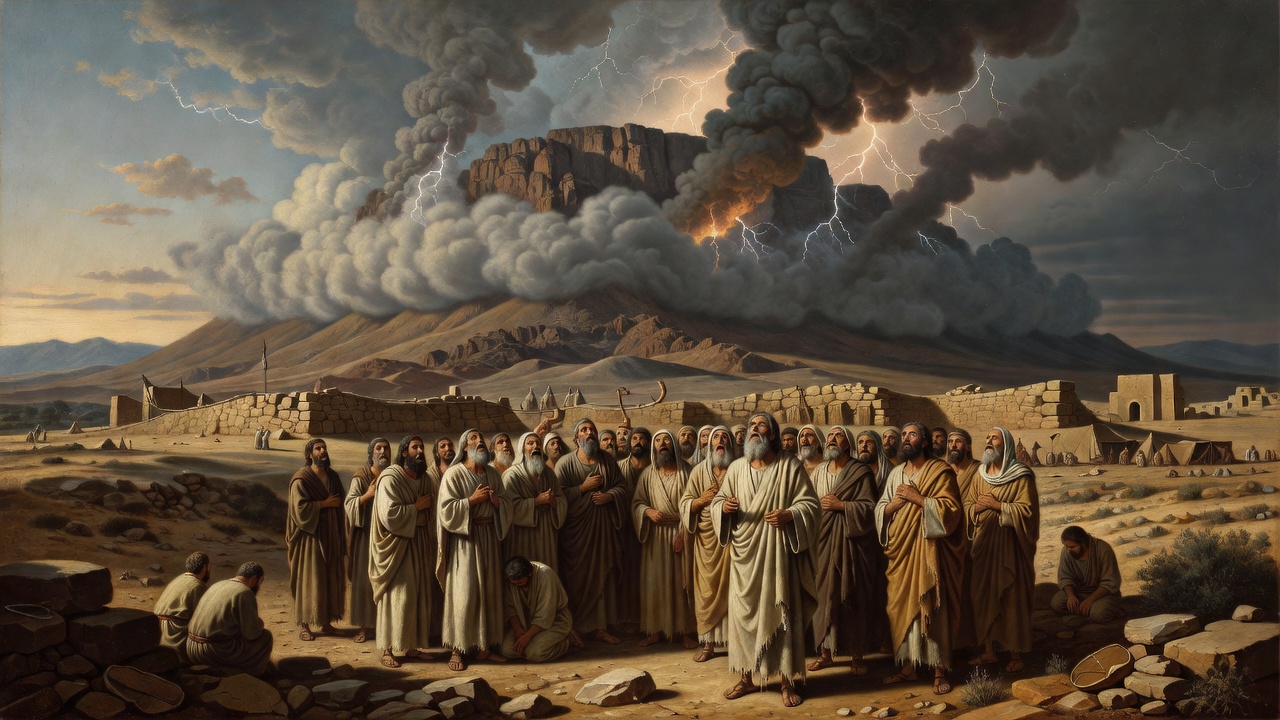
Did you know?
Israel at Mount Sinai
- In the third month after they left Egypt, the Israelites set out from Rephidim, entered the Wilderness of Sinai, and camped in front of the mountain. Easton's Bible Dictionary (1897) identifies that mountain district as Sinai, also called Horeb, explains the name as of Sin, the moon god, and says they remained encamped about a year after a journey of about 150 miles from the Red Sea, including all the windings of the route.Sources: the Bible text itself · Mount Sinai · Sinai
- Easton's Bible Dictionary (1897) places Rephidim, the station they had just left, in the Wady Feiran, near its junction with the Wady esh-Sheikh. There no water could be found, and the people were ready to stone Moses; at God's command he struck the rock in Horeb, and the Amalekites who afterward attacked the camp were utterly defeated.Sources: the Bible text itself · Rephidim
- Easton's Bible Dictionary (1897) says that the last twenty-two chapters of Exodus, the whole of Leviticus, and Numbers 1-11 record what took place while Israel was encamped in this district. Aaron, whom Moses is told to bring with him, was his elder brother, born in Egypt three years before him, and had been sent to cooperate with him in bringing about the exodus.Sources: the Bible text itself · Mount Sinai · Aaron
Notes written with AI assistance from open sources (Theographic Bible Metadata, CC BY-SA 4.0; Easton’s Bible Dictionary, public domain) and reviewed before publishing.
Places in this chapter
- Egypt · 30.129, 31.308 · verses 1, 4
- Wilderness of Sinai · Today: about 50 km around Jebel Musa · 28.540, 33.973 · verses 1, 2
Only places identified with high confidence are shown (90% or more according to the scholarly sources compiled by OpenBible). Period map: DARE (Digital Atlas of the Roman Empire), CC BY 4.0; modern map: © OpenStreetMap contributors; places: OpenBible.info (CC BY 4.0).
Credits and license for this translation
Las Escrituras en Ashéninka Ucayali del Sur del Perú
The Holy Bible in the South Ucayali Ashéninka language of Peru
Las Escrituras en Ashéninka Ucayali del Sur del Perú
copyright © 2008 Wycliffe Bible Translators, Inc.
Language: Ashéninka Ucayali del Sur (Ashéninka, South Ucayali)
Translation by: Wycliffe Bible Translators
This translation is made available to you under the terms of the
Creative Commons Attribution-Noncommercial-No Derivatives license 4.0.
You may share and redistribute this Bible translation or extracts from it in any format, provided that:
You include the above copyright and source information.
You do not sell this work for a profit.
You do not change any of the words or punctuation of the Scriptures.
Pictures included with Scriptures and other documents on this site are licensed just for use with those Scriptures and documents.
For other uses, please contact the respective copyright owners.
2016-06-08
Source: http://ebible.org/cpy/ · eBible.org