2 Corinthians 8
Las Escrituras en Ashéninka Ucayali del Sur del Perú · Tap a verse to see its cross-references.
Koriki ipashitee-tyaariri kemijantzinkari-paeni
1Noyemijantzinkarite-paeni, nokoyi piyota-kotee-yirini ikaatzi piyowentaariri Tajorentsi jaka Macedonia-ki, ikaminthaa-yiteeri. 2Okantawita iñaayiwitakawo osheki pomeentsitzi-mowaetariri, ikimoshireteeyini. Okantawitaka ikowityaa-waetzi, osheki koriki ipashitan-takari. 3Riitakira kowashiteenchari rirori ipashitantyaa, ipantayitaki okaatzi ikowakaari rirori, rawijantaki ipashitan-tayita. 4Ikantakina naaka: “Jame apashiyityaari koriki itsipa kemijantzinkari-paeni, ikaatzi kowityaa-waeta-tsiri.” 5Imaperota-tziiro okaatzi rantakiri awijanakiro nokenkishiryaa-kowita-kariri. Riitakira roetziñaarikowenta-naari Awinkatharite, ari ikimita-kinari eejatzi naaka-paeni. Tema rootaki ikowakaa-kiriri Tajorentsi. 6Rootaki noshintsi-tan-takariri Tito ipiyanee janta ikowaka-shireta-kaantemiri pimayiteero eeroka-paeni. Riitakira tsipata-paakimiri janta petanta-nakawori pipashitan-tayitaka. 7Eeroka-paeni awijanta-yitanaa-tsini pantayita-nakiro osheki oeta-rikapaeni. Kameetha pikemijanta-yitanee, kameetha pikenkithata-kaanta-yitanee, kameetha piyoyitanee, pithaamentayityaa, antawo petakotakana. Nokoyi nimaeka pawijayitante pipashitan-tayiteeyaa.
8Eero noshintsiwentzimi pimatantayi-tyaawori. Apatziro nokenkithata-koyitemiri jempe ikantayitaka jaka ikowa-yitzi ineshironkatante. Ari okantzimaetari osheki okameetha-waetemi poñaahan-teero petakoperotantayityaa. 9Kameetha-waetaki pimayiteeromi ranta-paentziri Awinkatharite Jesús Jeepatzii-totaa-rewo, ineshironkatan-tapaentzi rirori. Otzimimo-witari paerani maawoeni, ikimiwitakari ashaahantzin-kari, roo kanteencha ikimita-kota-paentari kowityaa-waetatsiri. Rootaki ikowityaa-waetanta-paentari pinintaa-waetan-teeyaari eeroka okimiwitee-yaawomi pashaahantee-yaami inkiteki.
10Iroka okaatzi nokenkishiryaari naaka: Rootaki kameethatatsiri pithotyahaero okaatzi petanakari. Eeroka-paeni etanakawori awijaneen-tsiri ojarentsi pikenkishiryaaka pipashitan-tayityaa. Pimatakiro petanakawo. 11Ajantyaa pithotyahaero. Pikimita-kaanteero owakira pithaamentee-yanaka-niranki petanta-nakawori. Ajantyaa pithotyan-tyaawo okaatzi tzimi-motzimiri. 12Teera ikowa-perotzi Tajorentsi awijakaero apashitan-tyaawo okaatzi tzimi-mota-kaeri. Apatziro apashitan-teeyaawo okaatzi akowakaari. Aritaki inimotakiri Tajorentsi. 13Teera nokowa-kota-tyeemi pipashitantyaa inintaa-waetan-tyaari pipashitakari, roo opoñaan-tyaari pikowityaa-waetanaki eeroka-paeni okantakaan-tziro pipashitantaka. 14Tema roo kameethatatsi, pipashityaari okowityee-mowaetari nimaeka otzimimo-yitzimira eeroka, opoñaashitya ipashitee-temi eeroka paata aririka okowityee-mowaetemi. Ari okantyaa pimonkaata-wakaan-tyaari. 15Okimiwitakawo okaatzi rojankinata-kotzi-teetakari paerani, ikanteetzi:
Tee rapaawae-tziro ahaentsiri osheki,
tee okowityee-motyaari ahaentsiri eepichokiini.
16Namaniri Tajorentsi, tema riitaki kantakaa-kawori retakotantemiri Tito, ari ikimitakina naaka netakotzimira. 17Tema nokantakiri: “Tito, pipiyanee Corinto-ki.” Tema ikoyitaka. Roo riyaate nimaeka. 18Riitakira itsipata-nakyaa Tito itsipa noyemijantzinkarite. Kameetha kenkithawae-ryaantzi irika. Ipinkathayitziri itsipa kemijantzinkari-paeni jempe-rika-paeni, ikemayita-kirira ikenkithata-koteero Kameethari Ñaantsi. 19Riijatzira yoshiita-kiriri jaka kemijantzinkari-paeni, rowakiri itsipata-nakina paata naanakiniri koriki itsipa kemijantzinkari-paeni kowityaa-waeta-tsiri. Rootakira oñaahan-teroni omaperotatyaa etakoyitakari, roo opoñaan-tyaari rashita-ryaawenteeri Tajorentsi. 20Ari okantyaa eero iñaawaetakoetantana aririka notsiparyaa-yitakiri koriki ipashi-perotan-teetari. 21Tema nokowatzii okameethatzi-moteri atziri okaatzi nantayiteri, ari okimitzi-motyaariri eejatzi Tajorentsi.
22Notyaantemiri eejatzi itsipa noyemijantzinkarite itsipayita-nakyaari. Riitaki namina-piintakiri, ikowashiryaaki ramitakotante. Nokaman-takiri jempe pikantee-yakani eeroka-paeni, rootaki ikowa-perotan-tanakari ramitako-yitemi, tema rawentaa-peroyita-nakimi. 23Irika Tito, notsipa-minthari irika, riitaki notsipata-piintaka nantawae-wentakimi. Riima itsipa apite noyemijantzinkarite itsipata-nakyaari, rotyaantani irika kemijantzinkari-paeni jeekayita-tsiri jaka, iweshiryaa-wentari rirori Jeepatzii-totaa-rewo. 24Otzimatyeera paakameethata-wakiri aririka rareetakyaa janta. Roo riyotan-tyaari noyemijantzinkarite-paeni kemijanta-tsiri janta omaperotatyaa okaatzi nokenkithata-kota-kimiri eeroka-paeni.
Did you know?
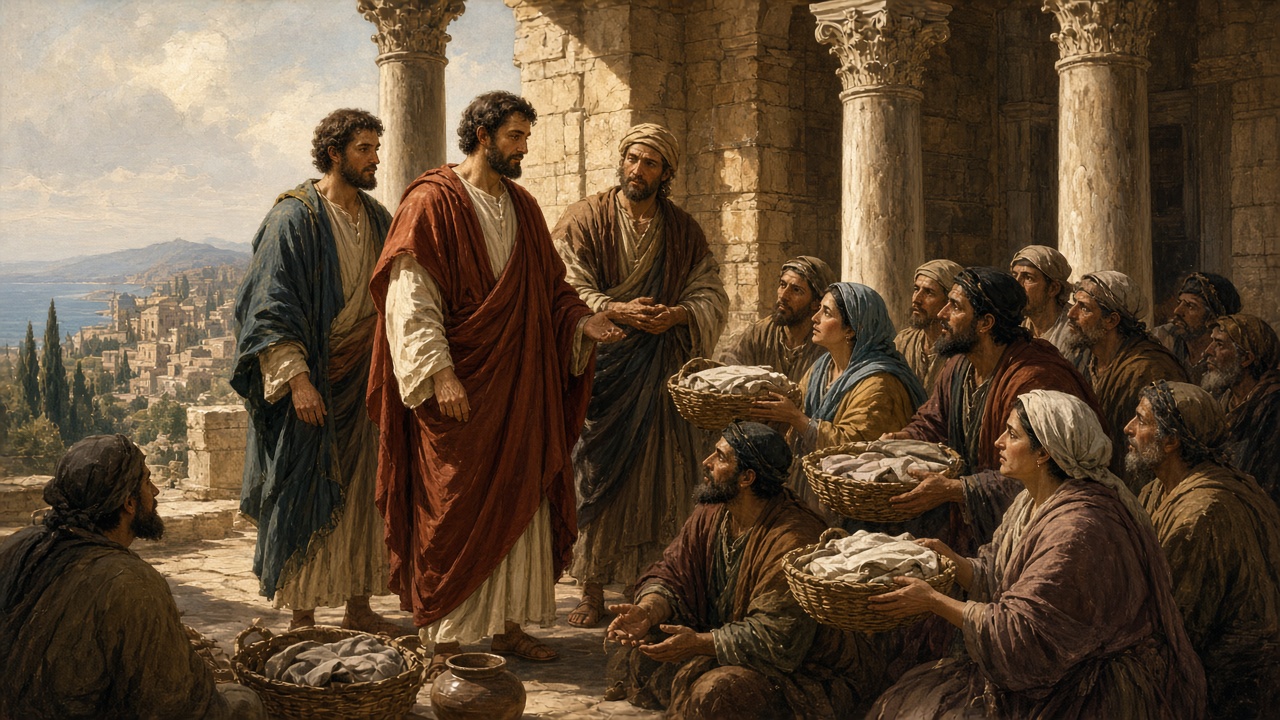
Generosity and the Jerusalem Collection
- In New Testament times Macedonia was a Roman province north of Greece. Paul was summoned by the vision of a man of Macedonia to preach the gospel there, and this chapter tells the Corinthians how those churches, in a terrible ordeal and deep poverty, gave joyfully and even beyond their ability.Sources: Macedonia · the Bible text itself
- Titus, whose name nowhere occurs in Acts, appears to have been a Gentile chiefly engaged in ministering to Gentiles. From Ephesus, Paul sent him to Corinth to forward the church's contributions for the poor saints at Jerusalem; in this chapter Paul urges him to complete that work, and Titus is coming eagerly of his own accord.Sources: Titus · the Bible text itself
- Along with Titus, Paul is sending a brother praised by all the churches for his work in the gospel and chosen by them to accompany the offering, and another brother whose earnestness has been proven many times and in many ways. He explains that this care is meant to avoid criticism of how the generous gift is administered, so that they do what is right not only in the eyes of the Lord but also in the eyes of other people.Sources: the Bible text itself
Notes written with AI assistance from open sources (Theographic Bible Metadata, CC BY-SA 4.0; Easton’s Bible Dictionary, public domain) and reviewed before publishing.
Places in this chapter
Only places identified with high confidence are shown (90% or more according to the scholarly sources compiled by OpenBible). Period map: DARE (Digital Atlas of the Roman Empire), CC BY 4.0; modern map: © OpenStreetMap contributors; places: OpenBible.info (CC BY 4.0).
Credits and license for this translation
Las Escrituras en Ashéninka Ucayali del Sur del Perú
The Holy Bible in the South Ucayali Ashéninka language of Peru
Las Escrituras en Ashéninka Ucayali del Sur del Perú
copyright © 2008 Wycliffe Bible Translators, Inc.
Language: Ashéninka Ucayali del Sur (Ashéninka, South Ucayali)
Translation by: Wycliffe Bible Translators
This translation is made available to you under the terms of the
Creative Commons Attribution-Noncommercial-No Derivatives license 4.0.
You may share and redistribute this Bible translation or extracts from it in any format, provided that:
You include the above copyright and source information.
You do not sell this work for a profit.
You do not change any of the words or punctuation of the Scriptures.
Pictures included with Scriptures and other documents on this site are licensed just for use with those Scriptures and documents.
For other uses, please contact the respective copyright owners.
2016-06-08
Source: http://ebible.org/cpy/ · eBible.org