1 Samuel 2
Las Escrituras en Ashéninka Ucayali del Sur del Perú · Tap a verse to see its cross-references.
18Irika ewankari Samuel, eekiro riyaatatzi rirori rantziniri Tajorentsi ikoyiri. Ikithaa-tapiintawo tajorentsi-mawo-tatsiri. 19Ari iyaatapiintzi ojarentsiki riniro otsipatari oemi tajorentsi-pankoki otayiniri Tajorentsi opira, ayiniri otomi iithaa-ryaaniki owetsikiri roori. 20Ikanta Elí osheki ikimoshire-wentakiri Elcana eejatzi iina, ikantakiri: “Inkamintheeya Tajorentsi ikantakayaawo piina otzimanteeyaari itsipa pitomi-paeni poyaateeyaarini ashitakaa-kariri roori Tajorentsi.” Ari opiyeeyaani opankoki. 21Ikanta Tajorentsi ikanta-kahaawo omotzitee Ana. Ari itzimae mawa otomi, apite ishinto. Riima Samuel eekiro riyaatatzi rantaritzi rantayi-tziro ikoyiri Tajorentsi.
Did you know?
Hannah's Song and the Priesthood at Shiloh
- Eli's sons, Hophni and Phinehas, violated sanctuary customs by demanding raw meat before the fat was burned on the altar and by using a three-pronged fork to seize meat directly from the cooking pots. Their aggressive demands treated the Lord's sacrifices with contempt.Sources: the Bible text itself · Hophni · Phinehas
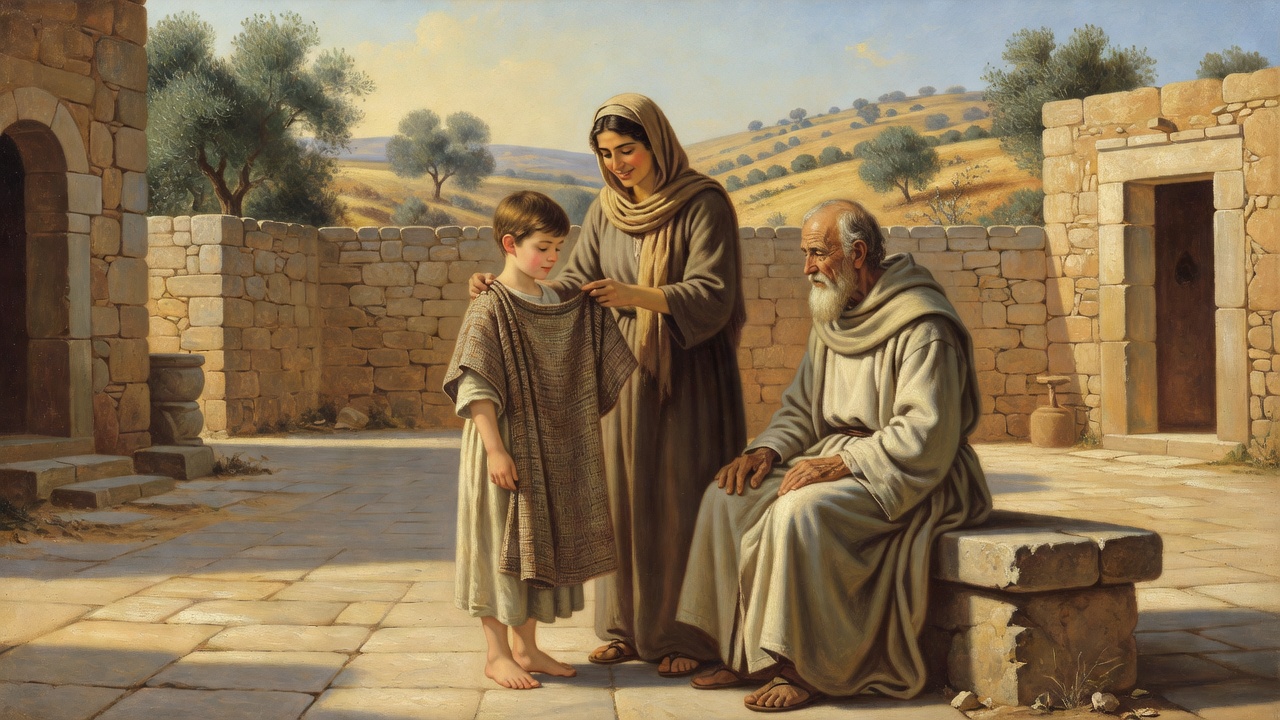
- While serving before Eli at Shiloh, the young boy Samuel wore a linen ephod. Each year when his parents came to offer the annual sacrifice, his mother Hannah brought him a small robe she had made for him.Sources: the Bible text itself · Samuel · Hannah
- A man of God announced judgment against the house of Eli for profaning the sacrifices and honoring his corrupt sons above God. The prophecy warned that Eli's priestly line would be cut short, marked by the sign that both Hophni and Phinehas would die on the same day.Sources: the Bible text itself · Eli · Hophni
Notes written with AI assistance from open sources (Theographic Bible Metadata, CC BY-SA 4.0; Easton’s Bible Dictionary, public domain) and reviewed before publishing.
Places in this chapter
Only places identified with high confidence are shown (90% or more according to the scholarly sources compiled by OpenBible). Period map: DARE (Digital Atlas of the Roman Empire), CC BY 4.0; modern map: © OpenStreetMap contributors; places: OpenBible.info (CC BY 4.0).
Credits and license for this translation
Las Escrituras en Ashéninka Ucayali del Sur del Perú
The Holy Bible in the South Ucayali Ashéninka language of Peru
Las Escrituras en Ashéninka Ucayali del Sur del Perú
copyright © 2008 Wycliffe Bible Translators, Inc.
Language: Ashéninka Ucayali del Sur (Ashéninka, South Ucayali)
Translation by: Wycliffe Bible Translators
This translation is made available to you under the terms of the
Creative Commons Attribution-Noncommercial-No Derivatives license 4.0.
You may share and redistribute this Bible translation or extracts from it in any format, provided that:
You include the above copyright and source information.
You do not sell this work for a profit.
You do not change any of the words or punctuation of the Scriptures.
Pictures included with Scriptures and other documents on this site are licensed just for use with those Scriptures and documents.
For other uses, please contact the respective copyright owners.
2016-06-08
Source: http://ebible.org/cpy/ · eBible.org